
Plants
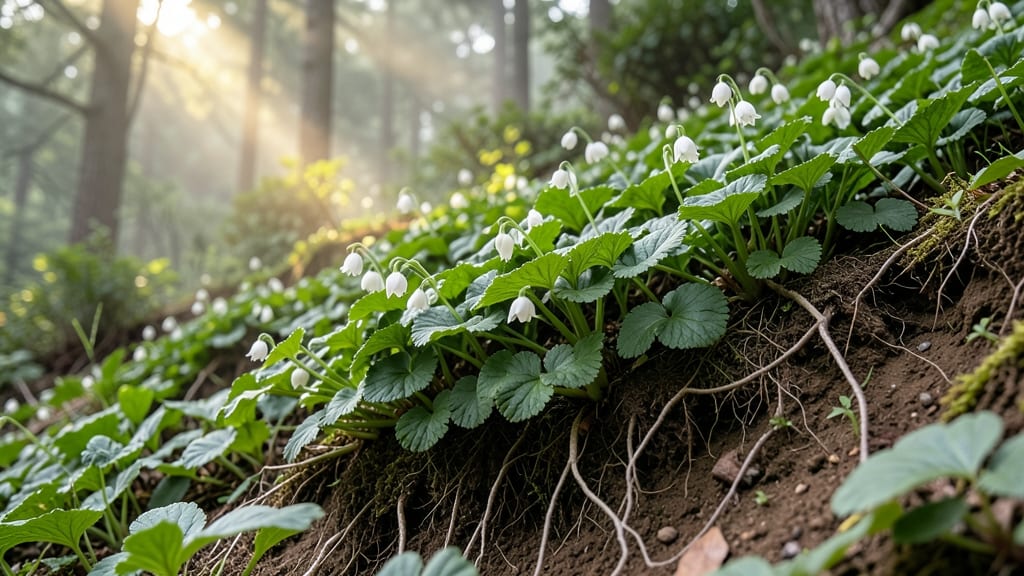
Struggling with shady spots in your garden that seem impossible to fill? These 10 shade-loving ground cover plants thrive in low light while suppressing weeds, preventing erosion, and adding lush texture to your landscape. Perfect for under trees, north-facing yards, or any area where sunlight is scarce.
Creeping Jenny (Lysimachia nummularia)
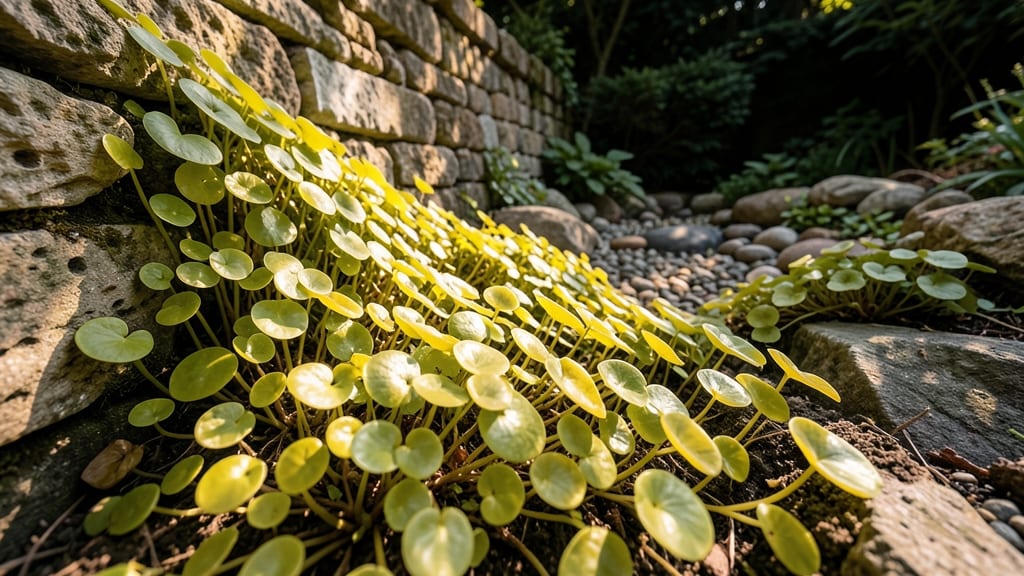
Turn even the darkest corners of your garden into a golden sunbeam with Creeping Jenny (Lysimachia nummularia). This sun-loving foliage plant thrives in full to partial shade, spreading its bright yellow-green leaves like a living waterfall over walls, rock gardens, or the edges of garden beds.
What makes Creeping Jenny so special is its minimal care requirements—it tolerates both wet and dry conditions, spreads aggressively to crowd out weeds, and stays evergreen in mild climates. Simply plant cuttings in moist soil and watch them cascade down slopes or spill over containers with little effort from you. For best results, pair it with hostas or ferns to create a lush, layered look.
Ideal for beginners or busy gardeners, Creeping Jenny adds instant color to shady spots while requiring almost no maintenance. Perfect for urban balconies, woodland gardens, or any area where sunlight is scarce. 🌿
Sweet Woodruff (Galium odoratum)
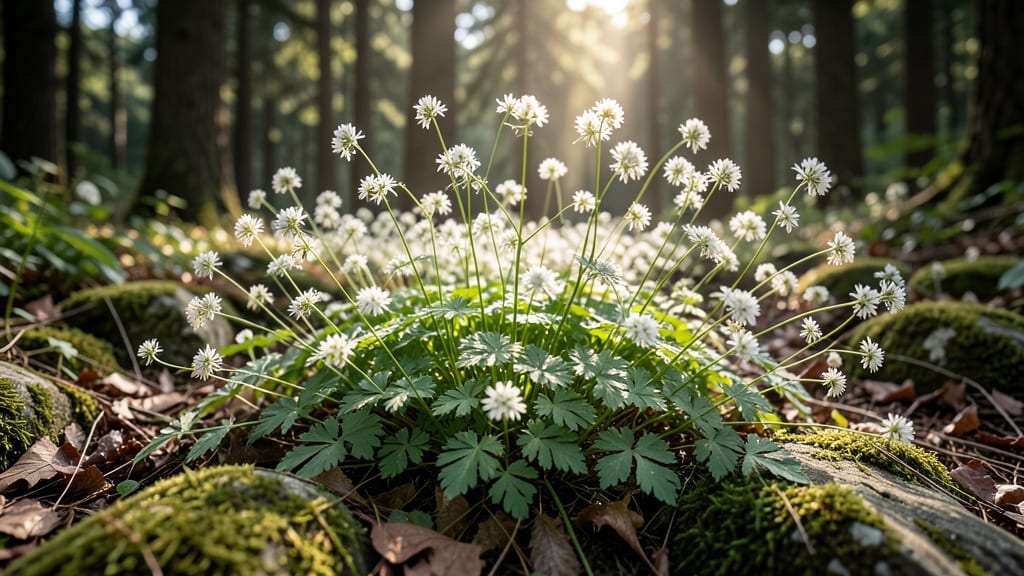
If you crave a fragrant ground cover that doubles as a pollinator magnet, sweet woodruff (Galium odoratum) is your secret weapon for shaded spots. Its delicate white flowers and fresh, vanilla-scented foliage transform understory areas into a sensory haven—especially when crushed or brushed against.
This low-growing perennial thrives in partial to full shade, making it ideal for woodland gardens or beneath deciduous trees where dappled light filters through. Plant it in moist, well-draining soil (it dislikes soggy roots) and watch it spread gently to form a lush, weed-suppressing carpet. Bees and butterflies adore its nectar-rich blooms, while its airy habit contrasts beautifully with denser hostas or ferns.
Perfect for gardeners who love multi-sensory experiences, sweet woodruff is also a great choice for beginner-friendly shade gardens. Just avoid overwatering—it prefers consistent moisture but hates wet feet. 🌿
Hosta Varieties (Hosta spp.)
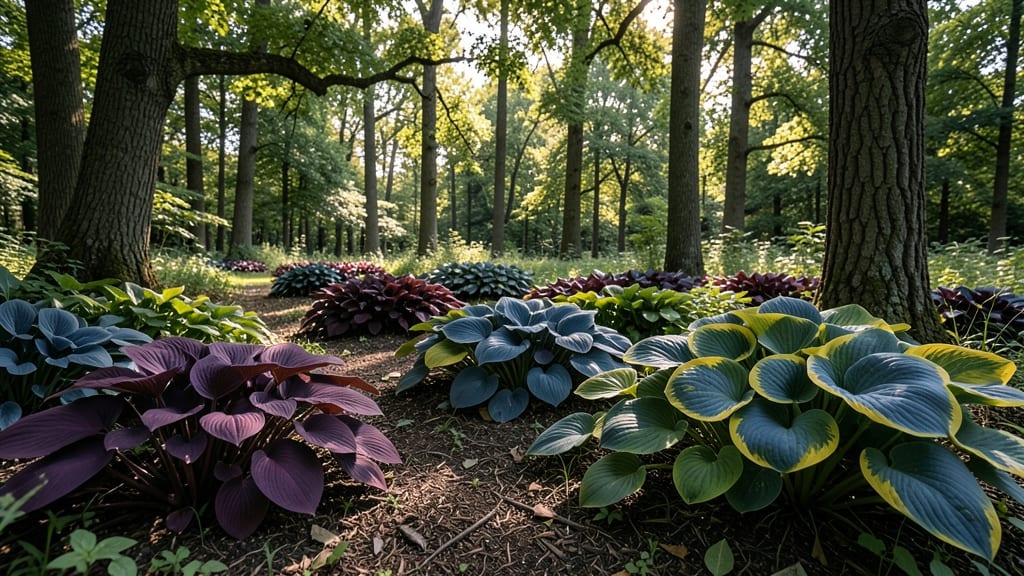
Tired of bare patches under your trees or along shady fences? Hostas transform neglected corners into lush, architectural focal points with their diverse foliage colors—think deep purples, chartreuse yellows, and classic blues—all while thriving where sunlight barely reaches.
These shade specialists come in sizes from tiny 6-inch varieties to giant 3-foot specimens, creating natural layers in your garden. Their dense, spreading habit naturally crowds out weeds, reducing your maintenance workload. For best results, plant in well-draining soil and water consistently until established—after that, they're remarkably low-maintenance.
Perfect for beginners or busy gardeners, hostas add year-round interest and work beautifully in containers or mass plantings. Their versatility makes them the ultimate shade garden workhorse. 💚
Lungwort (Pulmonaria spp.)
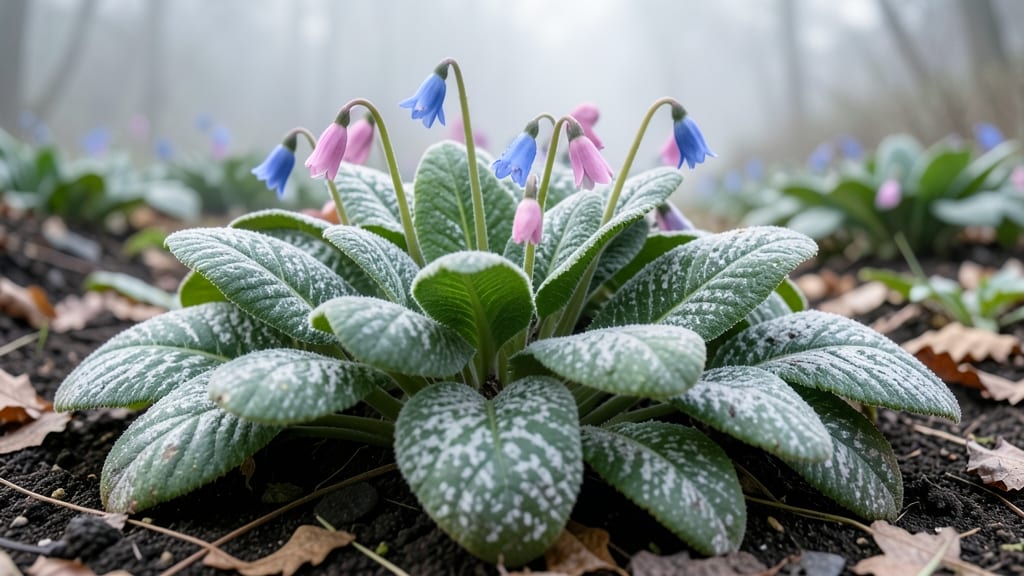
When your garden still looks dormant in early spring while neighbors' gardens burst into bloom, lungwort (Pulmonaria spp.) arrives like a cheerful surprise. This underrated perennial brings vibrant pink and blue flowers that transform shady corners into pollinator magnets, often blooming as early as February or March.
What sets lungwort apart is its two-tone foliage—silver-spotted leaves that emerge green and gradually shift to chartreuse as the season progresses. Thriving in moist, well-drained soil with partial to full shade, it spreads gently (12-18 inches) to create a lush carpet that suppresses weeds naturally. The flowers even change color as they age, adding dynamic interest to your garden.
Ideal for woodland gardens, under trees, or along shady paths, lungwort offers year-round interest with minimal care—perfect for busy gardeners who want beauty without the fuss. 🌿
Ajuga (Ajuga reptans)
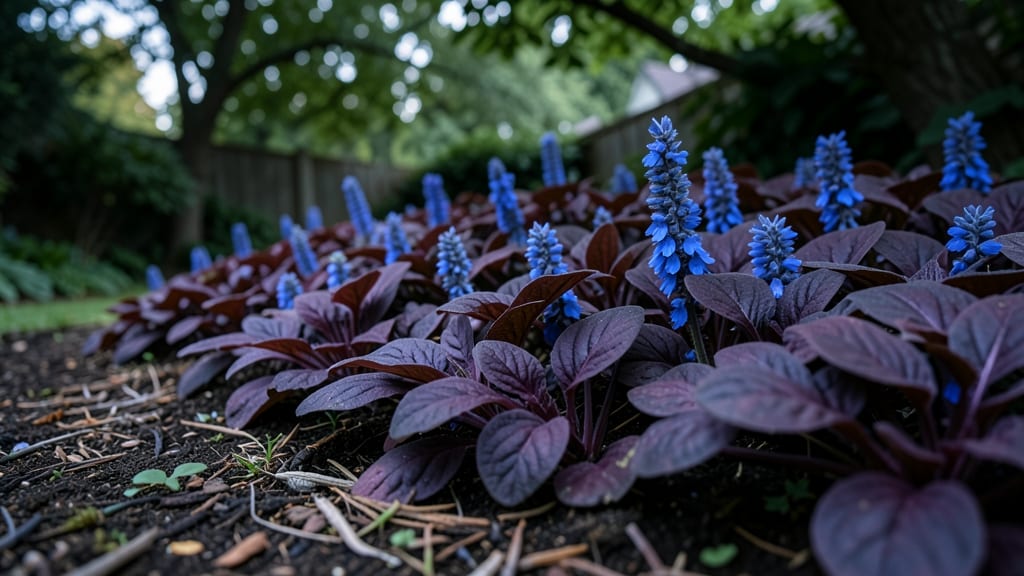
Tired of shady garden spots that look dull and weedy? Ajuga (Ajuga reptans) turns those forgotten corners into vibrant, low-maintenance displays with its deep purple foliage and striking blue flower spikes.
This hardy ground cover thrives in both dry and moist shade, making it perfect for under trees or along shady pathways. Its aggressive spread naturally crowds out weeds, while its year-round color adds visual interest even in winter. Simply divide clumps every few years to keep it contained—no heavy pruning required!
Ideal for busy gardeners or anyone seeking a no-fuss solution, ajuga’s bold foliage contrasts beautifully with ferns and hostas while requiring minimal care. 💚
Wild Ginger (Asarum europaeum)
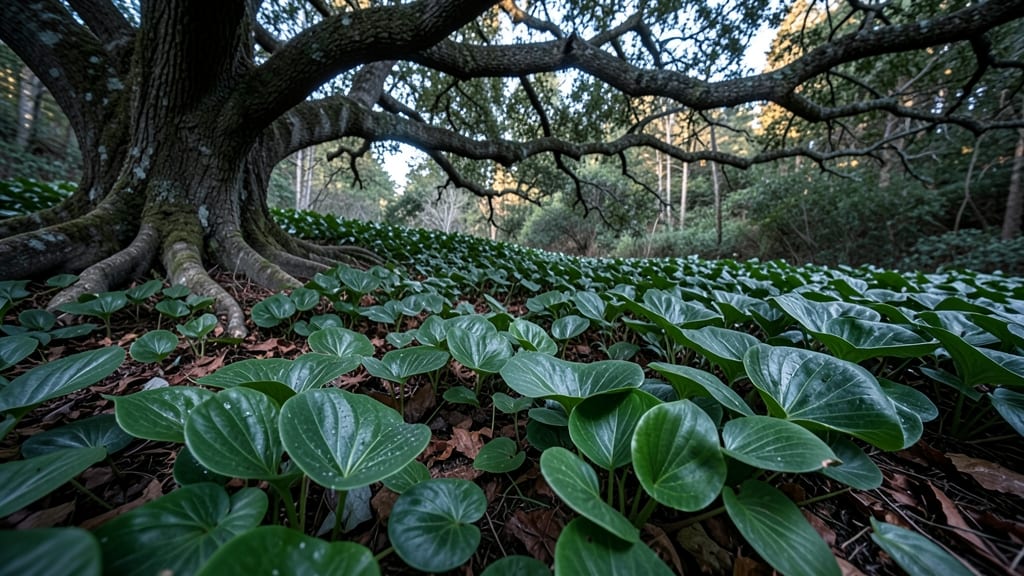
Tired of barren spots under your trees or shrubs? Wild ginger (Asarum europaeum) transforms those forgotten areas into a year-round green carpet with its glossy, heart-shaped leaves. Unlike other shade plants, it thrives in the darkest corners where sunlight barely reaches.
This hardy perennial spreads slowly but steadily, forming a dense mat that chokes out weeds and retains moisture in the soil. It prefers moist, well-drained soil and partial to full shade, making it ideal for woodland gardens or beneath rhododendrons. The leaves stay evergreen in most climates, providing four-season interest with minimal effort.
Perfect for gardeners who want a low-maintenance, evergreen solution for shady areas, wild ginger also attracts pollinators with its small, purple-brown flowers in late spring. 🌿
Coral Bells (Heuchera spp.)
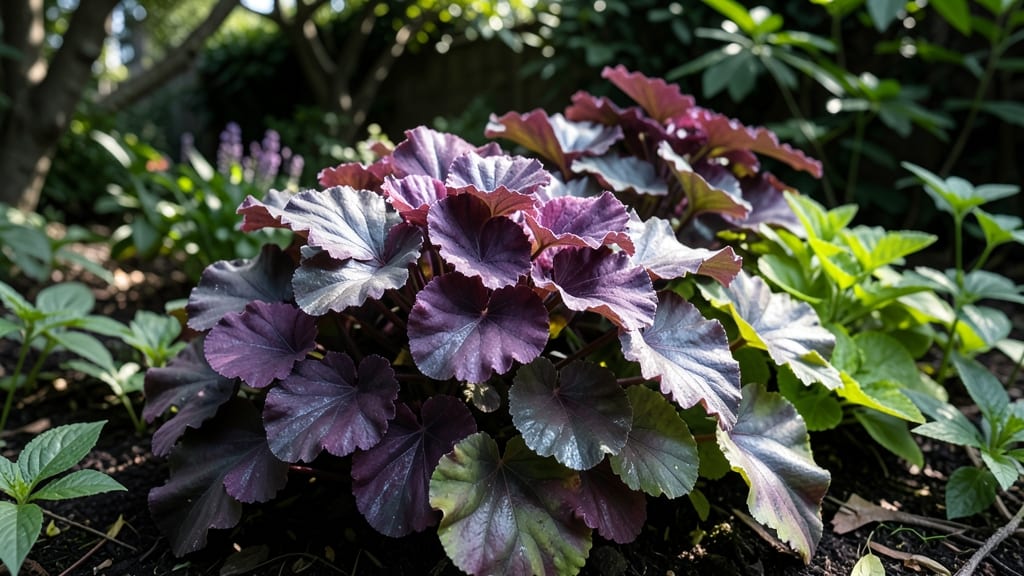
Tired of dull, boring shade spots in your garden? Coral Bells (Heuchera spp.) bring bold color to partial to full shade with foliage in stunning purples, silvers, or lime greens that stay vibrant all year. Unlike other shade plants, these perennials offer a year-round visual punch without demanding constant attention.
Plant them in well-draining soil with morning sun or dappled shade, and they’ll reward you with delicate flower spikes in spring and summer. Their compact size (12-24 inches tall) makes them perfect for containers, borders, or woodland gardens. Even better, they’re drought-tolerant once established, so you’ll spend less time watering and more time admiring their striking leaves.
Ideal for urban gardeners with limited space or anyone craving low-maintenance color, Coral Bells prove that shade areas can be anything but boring. 💚
Dutchman's Breeches (Dicentra cucullaria)
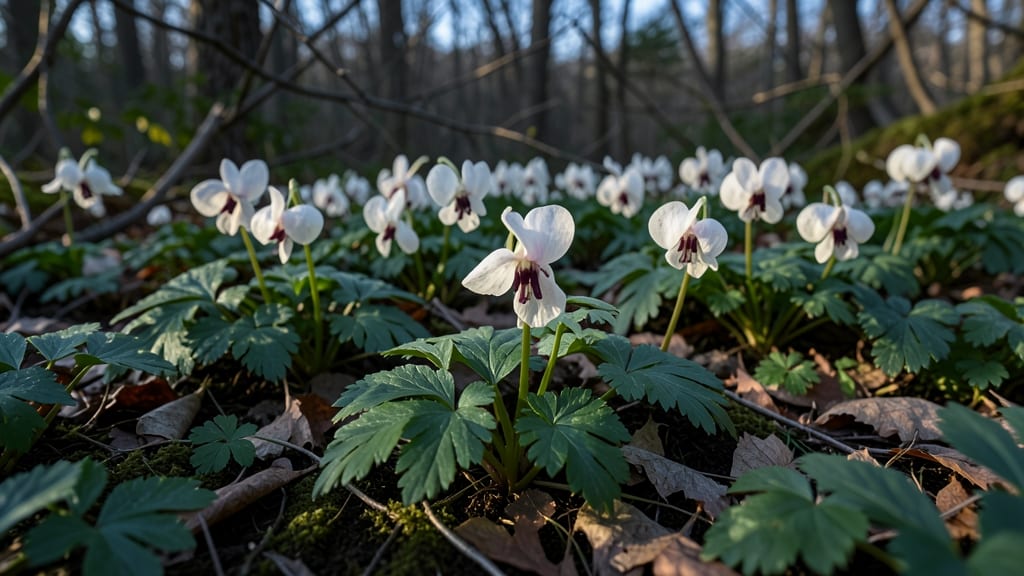
Imagine a woodland garden where your ground cover doesn't just survive in deep shade—it steals the show with whimsical white "pantaloons" blooming before most plants even wake up. Dutchman's Breeches (Dicentra cucullaria) delivers that magical early spring spectacle with its distinctive heart-shaped flowers that resemble tiny breeches hanging from stems.
This native woodland beauty thrives in moist, well-draining soil with full to partial shade, making it perfect for understory planting. Its delicate fern-like foliage provides year-round interest, while the 4-6 week bloom period (typically March-April) brings pollinators to your garden when little else is flowering. For best results, plant in clusters of 3-5 to create a naturalistic woodland effect.
Perfect for gardeners who love unexpected surprises and want to extend their spring interest, Dutchman's Breeches is especially rewarding for those with woodland gardens or shady borders. Its unique charm makes it a conversation starter while requiring minimal care. 🌷
Bugleweed (Ajuga genevensis)
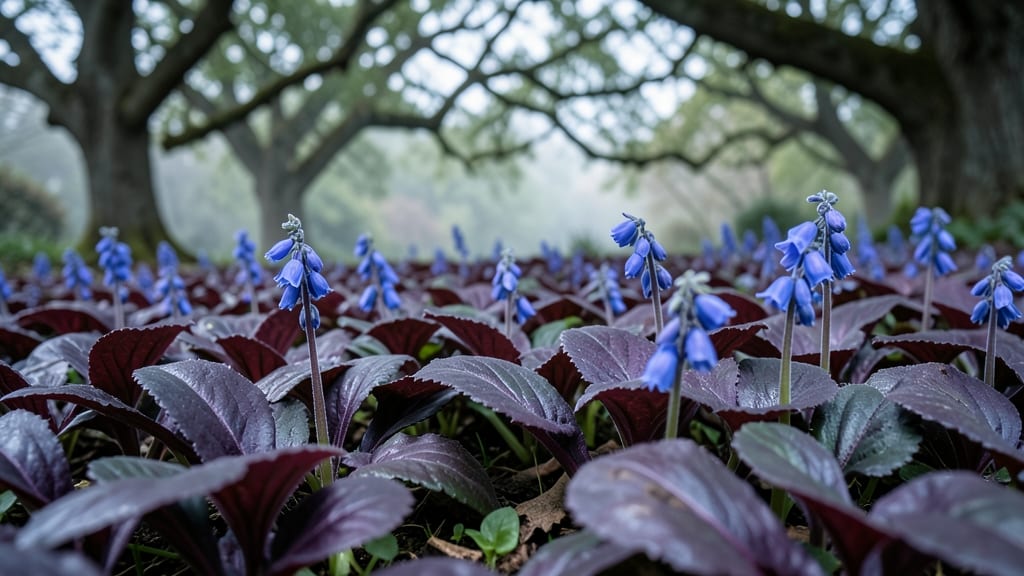
If you're looking for a low-maintenance ground cover that thrives in full to partial shade while adding bold color, bugleweed (Ajuga genevensis) is your answer. This hardy perennial boasts striking purple foliage that contrasts beautifully with its blue flower spikes, creating a vibrant display that spreads quickly to outcompete weeds.
Once established, bugleweed becomes drought-tolerant, making it ideal for dry shade gardens or slopes where water conservation is key. It handles both moist and dry soil conditions, though it prefers well-drained earth. Plant in spring or early fall for best results, spacing plants 12-18 inches apart to allow room for its aggressive spread.
Perfect for urban gardeners or beginners, bugleweed requires almost no upkeep once rooted—just occasional trimming to control its spread. Its ability to thrive in challenging shade conditions makes it a standout choice for under trees or along shady fences. 💚
Alum Root (Heuchera americana)

If your garden has slopes or erosion-prone areas that stay too shady for most plants, alum root (Heuchera americana) is your unsung hero. This native perennial thrives where others fail, offering deep green foliage and delicate white blooms while stabilizing soil with its fibrous roots.
Perfect for dry shade conditions, alum root spreads slowly to form a dense mat that outcompetes weeds. It handles poor, rocky soil better than many ground covers and blooms in late spring to early summer. Native gardeners and pollinators will appreciate its low-maintenance resilience in challenging spots.
This plant is ideal for urban gardeners with slopes or those seeking native alternatives to invasive spreaders. Its errosion-control benefits make it a practical choice for rain gardens or hillside plantings. 🌿