
Orchid Care
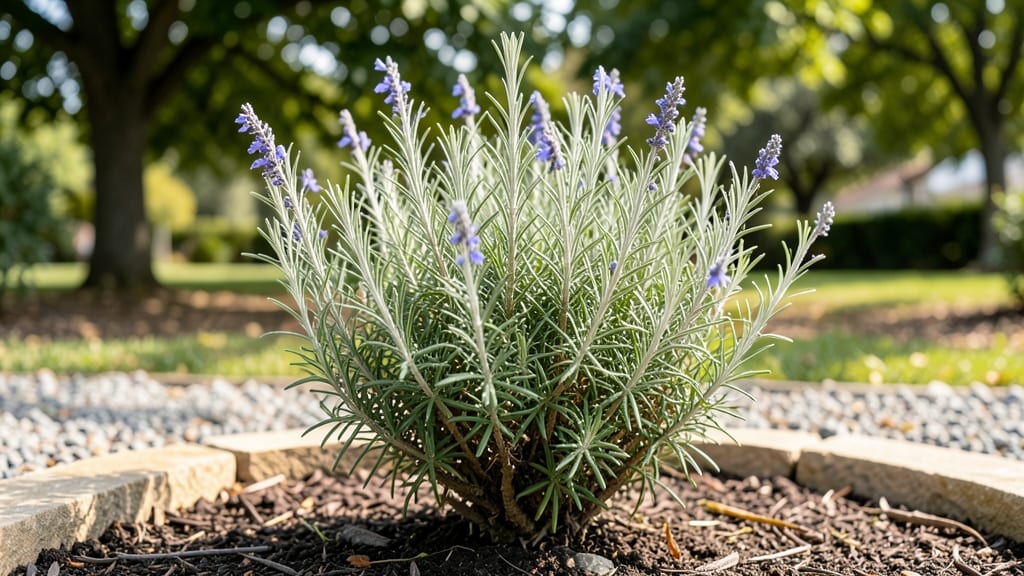
Does rosemary like sun or shade? The answer is clear: it loves full sun, needing at least 6 hours of direct light daily to stay strong and fragrant—while too much shade turns it into a leggy, flavorless shadow of itself.
Picture this: your rosemary plant stretching toward the window like a sleepy cat, leaves sparse and weak. That’s not stubbornness—it’s a cry for light.
Without enough sun, rosemary loses its signature piney scent and struggles to flower, leaving you with a sad, woody stem instead of the vibrant herb you planted.
Yet here’s the twist: rosemary isn’t a one-size-fits-all sun worshipper. While it craves full sun, a few hours of shade in scorching afternoons (especially in hot climates like USDA Zone 6a) can actually help it thrive.
The key is balancing intensity with protection—think of it like giving your plant a sunhat on a beach day.
In this guide, I’ll break down exactly how much sun rosemary needs, how to spot light deprivation, and the simple tweaks (like pruning or relocating) to turn your struggling plant into a bushy, aromatic powerhouse. No guesswork—just actionable tips for the best-tasting, most resilient rosemary.
 Best Window Placement
Sunlight requirements for rosemary: how much light does it really need?
Rosemary thrives under the Mediterranean sun, where it evolved to handle intense light and dry conditions. As a full-sun lover, it demands 6+ hours of direct sunlight daily to produce its signature fragrant foliage and compact growth.
Without enough light, rosemary stretches and weakens, losing its signature piney aroma and becoming a shadow of its sun-soaked self.
Imagine rosemary growing wild in rocky, sun-drenched hillsides—this is its natural habitat. Replicating those conditions in your garden or containers ensures vibrant growth and maximum flavor. Even slight reductions in sunlight can trigger leggy stems and pale leaves, signaling your plant is struggling to photosynthesize efficiently.
Here’s the light truth: rosemary’s ideal spot mimics a south-facing window or a sun-drenched herb garden. In regions with harsh midday sun, afternoon shade can prevent leaf scorch, but morning sun remains critical for kickstarting growth.
Think of it like a sunbathing ritual—rosemary craves consistent, unfiltered light to stay healthy and productive.
| Light Requirement | Daily Sunlight | Growth Impact | Signs of Stress |
|---|---|---|---|
| Full Sun | 6+ hours | Compact, aromatic, healthy | None |
| Partial Shade | 3-6 hours | Leggy, sparse leaves | Pale stems, weak aroma |
| Low Light | <3 hours | Stunted, yellowing | No flowering, weak growth |
*Rosemary’s ideal light mirrors its Mediterranean roots—bright, consistent, and unfiltered.
If your rosemary shows signs of leggy growth or pale leaves, it’s begging for more light. These are classic symptoms of light deprivation, where the plant stretches toward any available light source, weakening its structure.
To fix this, relocate your rosemary to a sunnier spot or supplement with a grow light for 4-6 hours daily if outdoor options are limited.
For gardeners in shadier climates, choose dwarf rosemary varieties like 'Blue Spires' or 'Prostratus,' which tolerate partial shade better than standard types. Even these varieties won’t thrive without at least 3-4 hours of direct sun, but they adapt more gracefully than their taller cousins.
Think of them as the sun-loving compromisers of the rosemary world.
Pruning plays a crucial role in helping rosemary adapt to less-than-ideal light. When light is limited, focus on pruning leggy stems to encourage bushier growth. Cut back overly elongated branches by one-third to prompt new, denser foliage.
This technique tricks the plant into focusing energy on leaf production rather than reaching for distant light.
In containers, rosemary’s light needs become even more critical. Pots heat up faster and dry out quicker, so ensure your container gets full sun exposure.
If your balcony or patio only offers partial shade, opt for smaller pots with well-draining soil and rotate the plant weekly to ensure even light exposure. This simple trick can make a world of difference in your rosemary’s health.
Remember, rosemary’s love for sun isn’t just about aesthetics—it’s about flavor and fragrance. The more sunlight your rosemary receives, the stronger its aroma and the brighter its leaves. A well-lit rosemary plant is a flavor powerhouse, perfect for culinary use or fresh bouquets.
Skip the sun, and you’ll end up with a plant that’s all form and no function.
So, next time you’re debating whether to move your rosemary to a shadier spot, ask yourself: Does it need shade, or does it need more love? More often than not, the answer is the latter—and that love comes in the form of plenty of sunlight. ☀️🌿
Shade adaptations for rosemary: can it survive in low-light conditions?
Rosemary thrives in full sun, but many gardeners face the challenge of growing it in partial shade—especially in urban balconies or shaded yards. The good news?
With the right strategies, your rosemary can survive in 3-6 hours of sunlight daily, though its growth and flavor may differ from sun-loving varieties.
Urban gardeners often assume rosemary needs full sun, but shade-tolerant varieties like 'Arp' or 'Blue Spires' adapt better to lower light. These cultivars handle partial shade more gracefully, making them ideal for containers or shaded patios. Always check the tag—some rosemary plants are bred for flexibility!
⚠️ Warning: Shade Missteps
Rosemary in deep shade (under 3 hours of sun) risks leggy growth, weak stems, and reduced oil production, which dulls its aroma. Even shade-tolerant varieties struggle without morning sunlight—this is when plants photosynthesize most efficiently.
If your rosemary is stretching toward light or losing its scent, it’s begging for more sun. Move it to a sunnier spot or supplement with a grow light for 4-6 hours daily.
Container gardening is your best friend in shade. Use well-draining pots with cactus/succulent mix to prevent root rot, and place them where they get bright, indirect light (like near a south-facing window). Rotate pots weekly to ensure even growth—rosemary leans toward light, and uneven exposure causes lopsided plants.
For in-ground rosemary, amend the soil with sand or perlite to improve drainage—a must in partial shade. Mulch with gravel or straw to keep roots cool and prevent moisture buildup. Avoid rich compost; rosemary prefers lean, mineral-rich soil over nutrient-heavy mixes, which can weaken it in low light.
Prune regularly to encourage bushier growth in shade. Trim back overly long stems by 1/3 in early spring, and pinch new growth to promote denser foliage. This mimics the pruning rosemary gets in its native Mediterranean climate, where it grows in rocky, sun-drenched hillsides.
Monitor your rosemary’s leaf color and scent—healthy shade-grown rosemary should have deep green leaves and a mild but noticeable aroma.
If it smells faint or looks pale, it’s time to increase light exposure or switch to a sun-tolerant variety like 'Hill Hardy', which handles cooler, shadier climates better.