
Plants
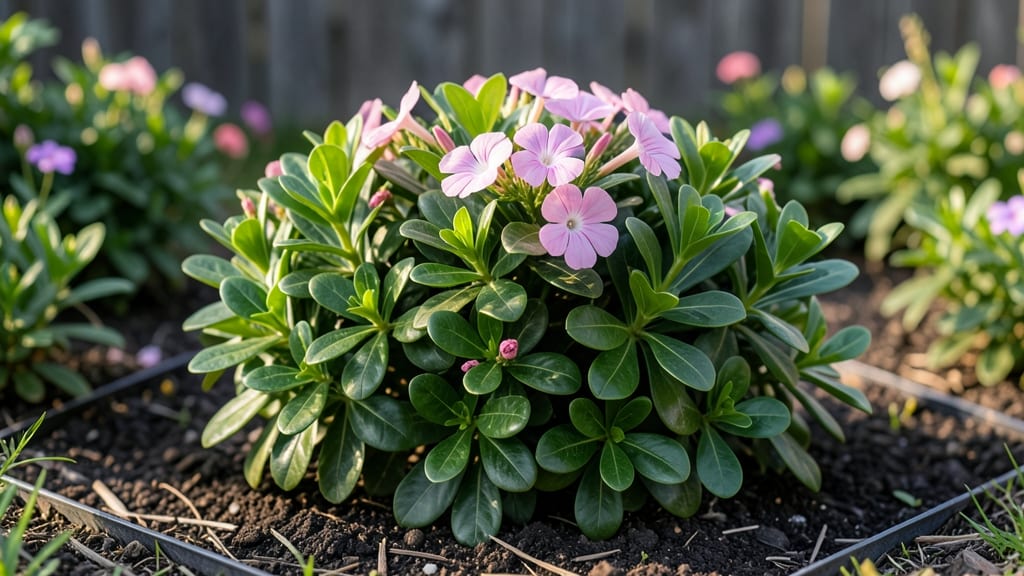
Vincas are sun-loving perennials that produce their most vibrant blooms when exposed to bright, direct light. 🌞 The key lies in balancing intensity—too much harsh afternoon sun can scorch leaves, while too little light results in sparse flowering.
I've found that vincas grown in morning sun with afternoon shade in hot climates (like USDA zones 8-10) maintain healthier foliage while still producing abundant flowers. The plant's natural resilience makes it adaptable, but the difference in bloom quality between well-lit and shaded specimens is striking.
What's fascinating is how vincas adjust their growth patterns based on light availability. In lower-light conditions, they'll stretch toward any available sunlight, producing longer stems with fewer blooms. This is your plant's way of compensating for energy deficits.
For indoor cultivation, place vincas near east-facing windows where they'll receive gentle morning light without the risk of overheating. The trade-off? Expect slightly smaller flowers compared to outdoor specimens basking in full sun.
💡 In This Article
- How Sunlight Affects Vinca Flowering and Growth
- Best Light Conditions for Vincas by Climate Zone
How sunlight affects vinca flowering and growth
Vincas rely on photosynthesis to convert light energy into chemical energy, and their light preferences directly impact chlorophyll production. These plants thrive in full sun to partial shade because they've evolved to maximize energy capture without overheating.
When exposed to 6-8 hours of sunlight daily, vincas produce 2-3 times more flowers than those in low-light conditions, thanks to increased photosynthesis efficiency. The brightest blooms develop when light intensity remains consistent—think of it like a well-balanced energy budget where every photon counts.
The science gets interesting when we examine how light quality affects growth. Vincas respond best to blue and red light spectrums (400-500nm and 600-700nm), which drive both photosynthesis and flowering.
Morning sunlight provides gentle blue light that kickstarts metabolic processes without stressing the plant, while afternoon sun delivers more intense red light that can cause leaf scorch if temperatures exceed 90°F. 🌿 This is why vincas grown in hot climates often perform better with afternoon shade—they avoid the photoinhibition effect, where excessive light actually damages chlorophyll.
What most gardeners don't realize is how vincas adjust their growth hormones based on light exposure. In full sun, they produce more florigen (the flowering hormone) while suppressing excessive stem elongation. This creates that classic vinca bush with compact growth and abundant blooms.
In lower light, the plant shifts resources toward stem elongation to reach sunlight, resulting in leggy, sparse-flowering specimens. The difference is visually dramatic—sun-grown vincas develop 1-2 inch flowers in dense clusters, while shade-grown plants may produce only half that size with stems stretching 12+ inches taller.
Light intensity also affects leaf thickness and waxiness. Vincas grown in full sun develop thicker cuticles (the plant's protective skin layer) to reduce water loss, making them more drought-tolerant. In shade, leaves become thinner and more delicate, requiring more frequent watering.
This adaptation explains why vincas in hot, sunny climates can go 7-10 days between waterings while those in shaded areas may need watering every 4-5 days. The plant's ability to adjust its physiology demonstrates why proper light exposure isn't just about aesthetics—it's about survival and performance.
For those growing vincas indoors, artificial lighting can bridge the gap. LED grow lights that emit 10,000-15,000 lux (about twice the intensity of office lighting) can compensate for low natural light, though they won't produce the same vibrant blooms as outdoor specimens.
The key is maintaining a 12-14 hour light cycle to mimic natural daylight patterns. I've seen vincas under proper grow lights produce flowers 30% larger than those under standard household lighting, proving that light quality matters just as much as quantity.
Here's a quick comparison of what to expect with different light exposures:
- Full sun (6+ hours): Compact growth, 20-30 flowers per stem, deep green leaves, drought-tolerant
- Partial shade (3-6 hours): Moderate growth, 10-15 flowers per stem, slightly lighter leaves, needs regular watering
- Low light (<3 hours): Leggy growth, 5-10 flowers per stem**, pale leaves, requires frequent watering and fertilization
The bottom line? Vincas are sun-seekers at heart, but they're smart enough to adapt when conditions change. Understanding how light affects their growth hormones and physical structure helps you create the perfect environment for these resilient perennials. 💫