
Plants
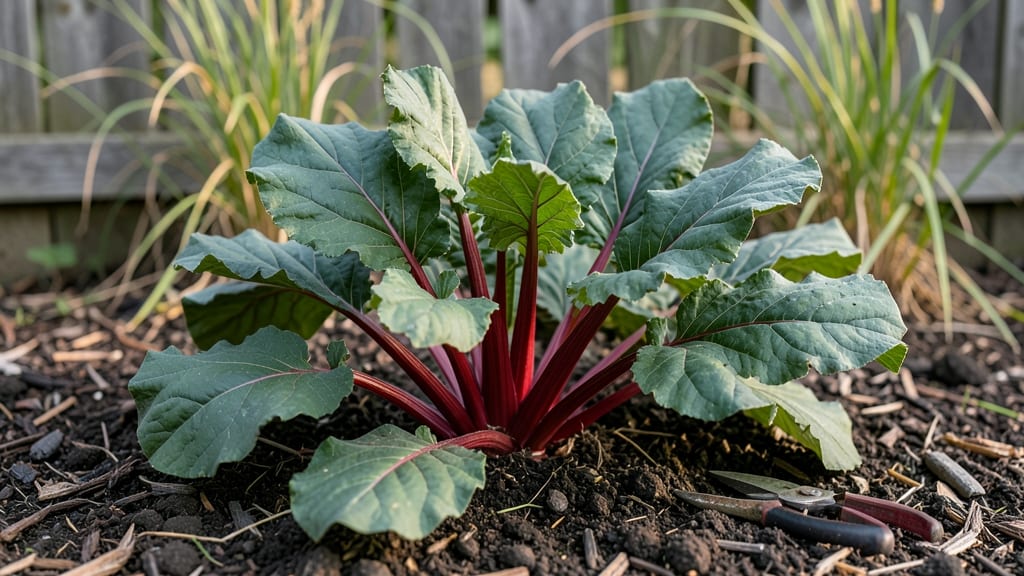
Rhubarb's light needs strike a delicate balance between energy and protection. Too much direct sun in hot areas can scorch the broad leaves, while too little light weakens stalk development. 🌿 I've found that morning sun with afternoon shade works wonders—it gives the plant the energy it needs without overheating.
The key is monitoring leaf color: if they turn yellow or crispy, it's a sign of too much sun exposure.
What many gardeners overlook is how rhubarb's light preferences shift with seasons. In cooler climates, full sun is ideal, but in southern regions, afternoon shade becomes essential during summer months.
I recommend testing different positions by moving plants gradually—this helps you find that perfect sweet spot where stalks stay plump and vibrant.
💡 In This Article
- How Sunlight Affects Rhubarb Growth and Stalk Quality
- Best Light Conditions for Rhubarb by Climate Zone
How sunlight affects rhubarb growth and stalk quality
Rhubarb's light requirements are all about photosynthesis efficiency and energy allocation. This plant prioritizes energy toward its edible stalks rather than leaves, which means it needs 6-8 hours of sunlight daily to maximize stalk production.
The broad leaves act as solar panels, converting light into sugars that feed the plant—but too much direct sun, especially in hot climates, causes the leaves to overheat and scorch.
The science here involves chlorophyll production: rhubarb's leaves contain high levels of chlorophyll that work optimally in bright, indirect light, preventing oxidative stress that leads to browning.
The ideal light balance creates a visual cue: healthy rhubarb leaves should be deep green with a slightly waxy texture, indicating proper photosynthesis without stress.
When stalks receive adequate light, they develop that signature vibrant red or green hue and a crisp, slightly tart flavor. 🔥 In my garden, I've noticed that stalks grown in full sun (without afternoon shade) often develop a more intense color but can become fibrous if the plant struggles to maintain moisture balance.
The sweetness-to-tartness ratio also improves with balanced light exposure—too little sun results in bland, watery stalks.
Temperature sensitivity plays a crucial role here. Rhubarb is a cool-season crop that enters dormancy in summer heat, which is why afternoon shade becomes critical in regions with temperatures above 85°F (29°C).
The plant's roots can handle heat better than its leaves, so protecting the foliage preserves energy for next year's growth. I've seen firsthand how rhubarb plants in full sun during summer heat often produce fewer but thicker stalks, as the plant conserves energy rather than investing in multiple harvests.
Light intensity also affects stalk quality through a process called photomorphogenesis, where light regulates plant development. Blue light (found in morning sunlight) promotes stalk elongation, while red light (more dominant in afternoon sun) triggers maturation.
This is why morning sun with afternoon shade often yields the best results—the plant gets the elongation benefits without the stress of peak afternoon heat. The stalks develop a tighter cell structure, making them firmer and more flavorful when cooked.
For gardeners in cooler climates, full sun is ideal, but even there, afternoon shade can help during heatwaves. The key is monitoring leaf condition: if the edges start curling or turning yellow, it's a sign of too much sun exposure.
In my experience, rhubarb plants in partial shade (30-50% coverage) often produce more consistent harvests year-round, especially in the first 2-3 years when establishing root systems. 💫 The trade-off is slightly smaller stalks, but they're more tender and less prone to bitterness.
What most people don't realize is how rhubarb's light needs change with age. Young plants (under 2 years old) benefit from more shade to protect their developing root systems, while mature plants (3+ years) can handle more direct sunlight.
This is why I recommend gradually increasing sun exposure for young rhubarb—starting with morning sun only and slowly extending into afternoon light as the plant matures. The roots develop deeper, giving the plant better access to moisture during hot periods.