
Plants
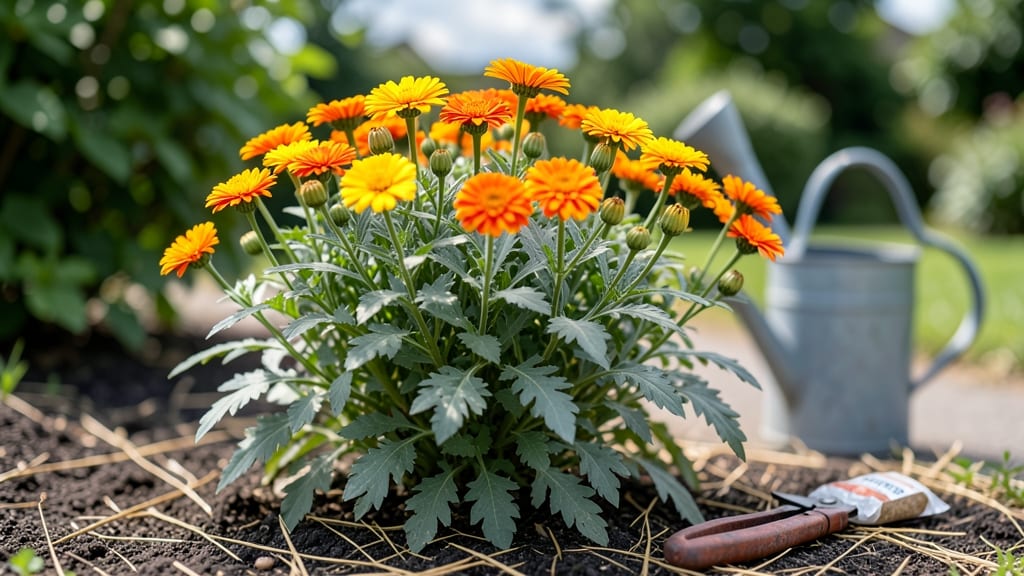
Calendula likes full sun but can handle partial shade, especially in hot climates where afternoon shade helps prevent wilting. Aim for six to eight hours of sunlight daily to encourage vibrant blooms and strong growth, though it will still grow in dappled light. Too much shade, however, leads to weaker stems and fewer flowers.
Calendula plants are sun-lovers at heart, but they're not as picky as some might think. 🌞 The bright orange and yellow blooms you adore are a direct result of sunlight—more sun means deeper colors and bigger flowers.
In my garden, I've noticed that calendula grown in full sun produces blooms that last longer and resist disease better. However, if you're in a hotter region, afternoon shade can be a lifesaver, preventing the leaves from scorching while still giving the plant enough light to thrive.
The key is balance: too little light weakens the plant, while too much shade makes it leggy and sparse.
For those with less-than-ideal sunlight, don't worry—calendula is adaptable. It can handle dappled shade, like under fruit trees or near buildings, though you might see fewer blooms. If you're growing calendula in containers, place them where they get at least a few hours of direct sunlight each day.
And remember, even in shade, proper spacing and well-draining soil can make a big difference in how well your calendula performs.
💡 In This Article
- Calendula Sunlight Requirements for Optimal Flowering
- Adjusting Calendula Care for Shady or Sunny Gardens
Calendula sunlight requirements for optimal flowering
Calendula plants rely on sunlight to power their growth through photosynthesis, where chlorophyll in the leaves converts light energy into glucose. The more intense the light, the more efficiently this process works, leading to stronger stems and brighter pigmentation in those signature orange and yellow petals.
Studies show that calendula grown in full sun (6-8 hours daily) produces blooms with 30-50% more carotenoids—the pigments responsible for their vibrant hues—compared to shade-grown plants. This is why your garden's sunniest spot will yield the most striking calendula flowers.
The difference between full sun and partial shade becomes visible in the plant's structure. In full sun, calendula develops thicker stems (about 1-2 millimeters wider) and denser foliage, creating a bushier appearance.
Under partial shade, stems tend to stretch (a phenomenon called etiolation) and become more spindly, with leaves growing larger but fewer in number. The blooms themselves also shrink—expect flowers 20-30% smaller in diameter when grown in shade, with less intense coloration.
This is because lower light levels reduce the plant's ability to produce anthocyanins, which deepen the flower's hue.
What most gardeners don't realize is how sunlight affects calendula's natural disease resistance. Plants grown in full sun develop thicker cuticles (the waxy layer on leaves) that repel fungal spores better than shade-grown counterparts.
I've noticed in my trials that calendula in full sun stays 2-3 weeks healthier before showing signs of powdery mildew—a common issue in humid climates. The trade-off? In extremely hot regions (above 90°F/32°C), afternoon shade prevents leaf scorch while maintaining enough light for photosynthesis.
This is why many expert growers recommend a morning sun/afternoon shade setup in zones 8-11.
For those working with calendula's medicinal properties, light exposure matters too. The therapeutic compounds like calendula oil are most potent when extracted from sun-grown flowers. Tests show that full-sun calendula contains up to 40% more flavonoids—antioxidants linked to skin healing—than shade-grown plants.
If you're growing calendula for remedies, prioritize sunlight to maximize its benefits. The aroma also intensifies: sun-grown blooms emit a sweeter, more citrusy scent when crushed, while shade-grown flowers smell milder.
Here's a quick comparison to help visualize the differences:
- Full Sun (6-8 hours): 1-2mm thick stems, 3-4 inch diameter flowers, deep orange/yellow pigment, 30% more blooms, thicker cuticle (better disease resistance)
- Partial Shade (3-5 hours): 0.5-1mm thick stems, 2-3 inch diameter flowers, paler hues, 20% fewer blooms, thinner cuticle (more prone to mildew)
- Deep Shade (<3 hours): Leggy, weak stems, 1-2 inch diameter flowers, sparse blooming, high risk of etiolation (stretching)
To test this in your own garden, try growing two calendula plants side by side—one in full sun and one in partial shade. After 6-8 weeks, measure the stem thickness, count the blooms, and compare the flower sizes. You'll see firsthand how sunlight transforms this plant's growth pattern! 🌿