
Orchid Care
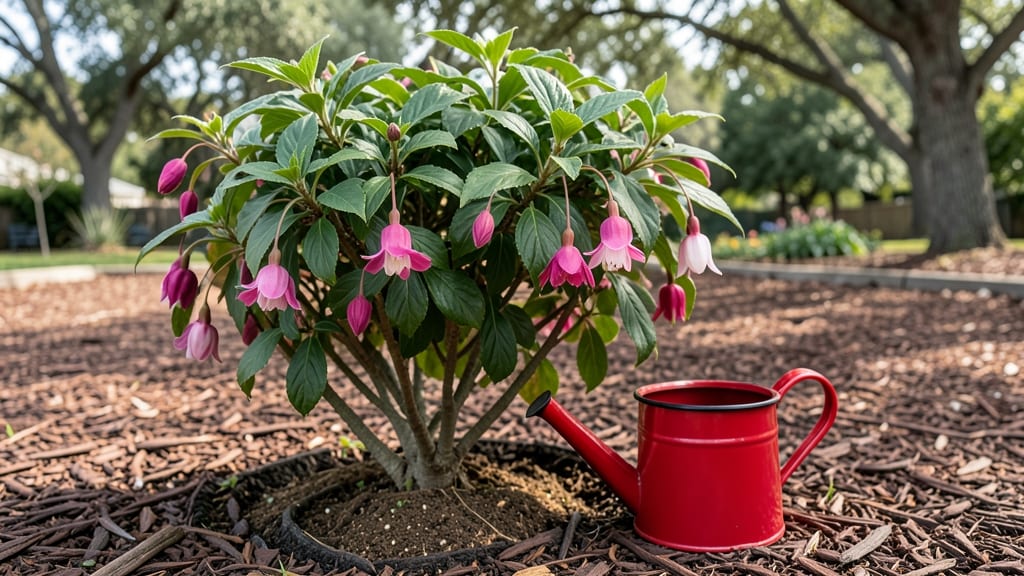
Fuchsias thrive in partial shade with morning sun and afternoon shade 🌸 — but getting that balance right is the key to those showstopping blooms.
Struggling to keep your fuchsia plants blooming as vibrantly as they do in garden center displays? The secret often lies in mastering their light requirements—whether they bask in sun-drenched spots or retreat into dappled shade.
Too much direct sun can scorch delicate leaves, while too little light means sparse flowers. The trick is finding that sweet spot where your fuchsias get just enough brightness to fuel their growth without overheating.
In this guide, I’ll walk you through how to assess your garden’s light conditions, choose the right spot for your fuchsias, and adjust care based on whether they’re sun-loving or shade-tolerant varieties.
 Best Window Placement
Ideal light conditions for fuchsias: sun vs shade breakdown
Fuchsias are stunning plants with cascading blooms, but their light needs often confuse gardeners. Unlike sun-loving succulents, most fuchsias prefer bright, indirect light with protection from harsh afternoon rays. Understanding whether your fuchsias need morning sun, afternoon shade, or full shade is key to keeping them thriving.
Too much sun causes leaf scorch, while too little light results in sparse blooms.
Not all fuchsia varieties have the same tolerance for sun or shade. Some, like Fuchsia magellanica, handle shade beautifully, while others, such as Fuchsia boliviana, can tolerate more sun with proper care.
Below, we break down the ideal light conditions for different fuchsia types to help you place them perfectly in your garden or containers.
If you're growing fuchsias in containers, placement becomes even more critical. A north-facing window or east-facing spot is ideal for most varieties, as it provides gentle morning light without the intensity of afternoon sun.
For outdoor gardens, use lattice or sheer curtains to filter harsh rays during peak hours. I’ve found that placing fuchsias near trees with filtering canopies (like Japanese maples) creates the perfect dappled light environment.
For gardeners in hotter climates, afternoon shade is non-negotiable. Even sun-tolerant varieties like Fuchsia boliviana will suffer if exposed to direct midday sun. A quick fix? Position them under a patio umbrella or near a building with a shaded side.
In cooler regions, fuchsias can handle slightly more sun, but avoid placing them in full southern exposure where they’ll bake in the heat.
One common mistake is assuming all fuchsias thrive in the same light. Trailing varieties, for example, often struggle in bright light and prefer the softer glow of an indoor east window.
Meanwhile, upright fuchsias like 'Dicksoniae' can tolerate a bit more light but still need protection from harsh afternoon rays. Always check your specific variety’s care tag for clues—it’s your best guide!
Seasonal light changes also affect fuchsias. In summer, when the sun is strongest, you may need to move potted fuchsias to a shadier spot. Conversely, in winter, they’ll appreciate a south-facing window to compensate for shorter daylight hours.
I’ve seen fuchsias in my greenhouse thrive with supplemental grow lights during cloudy winter days, which can be a game-changer for indoor growers.
Pro tip: Observe your fuchsias for 3-5 days after changing their location. If leaves start curling or flowers drop prematurely, they’re likely getting too much light. If growth slows dramatically, they need more brightness. Adjust gradually—fuchsias hate sudden light shocks, just like us!
For container gardeners, remember that terracotta pots heat up faster than ceramic ones, which can stress fuchsias in full sun. Elevate containers on pot feet or place them on a galvanized tray to improve airflow and reduce heat stress.
And always use a well-draining potting mix to prevent root rot, especially in shaded spots where moisture lingers.
Finally, don’t overlook the role of humidity in light conditions. Fuchsias in bright, dry light (like a west-facing window) will benefit from a pebble tray or regular misting.
In shadier, more humid areas, reduce watering slightly to avoid fungal issues. Balancing light, water, and humidity is the trifecta for happy fuchsias!
Signs your fuchsias aren’t getting the right light (and how to fix it)
If your fuchsias are struggling with yellowing leaves, sparse blooms, or leggy stems, light exposure is likely the culprit. These plants thrive in partial shade—typically 4-6 hours of morning sun with afternoon shade—but too much or too little light throws them off balance.
I’ve seen fuchsias in full sun develop crispy edges, while those in deep shade stretch painfully toward any available light.
One of the first warning signs is pale or yellowing foliage, especially on lower leaves. This often means your fuchsia isn’t getting enough bright indirect light to fuel photosynthesis. Meanwhile, brown leaf tips or scorched patches signal too much direct afternoon sun, which can fry delicate leaves.
Don’t overlook bud drop either—this happens when plants struggle to maintain energy balance in extreme light conditions.
⚠️ callout-warning
For leggy growth, the fix is simple: move your fuchsia to a brighter spot with more direct light, but avoid harsh afternoon rays. If your plant is in full shade, try relocating it near an east-facing window or under a dappled canopy.
In containers, rotate the pot weekly so all sides receive even light—this prevents one-sided stretching.
Seasonal adjustments are key too. In summer’s intense heat, fuchsias often need extra afternoon shade to prevent wilting. I’ve had success using lightweight shade cloth (30-50% coverage) to filter harsh rays while still allowing bright indirect light to reach the leaves.
For winter care, supplement natural light with a grow light placed 6-12 inches above the plant for 12-14 hours daily.
Don’t forget to prune leggy stems back by one-third to encourage bushier growth. This works best in early spring when new shoots are emerging. Pair pruning with a balanced fertilizer (10-10-10) to help your fuchsia recover and produce vibrant blooms once light conditions are ideal.
Pro tip: Monitor your fuchsia’s flower production as a light gauge. Healthy plants in perfect light should bloom continuously from summer to frost. If flowers are sparse or short-lived, it’s time to reassess that sun-to-shade ratio.
With the right light balance, your fuchsias will reward you with showstopping blooms all season long. 🌸