
Plants
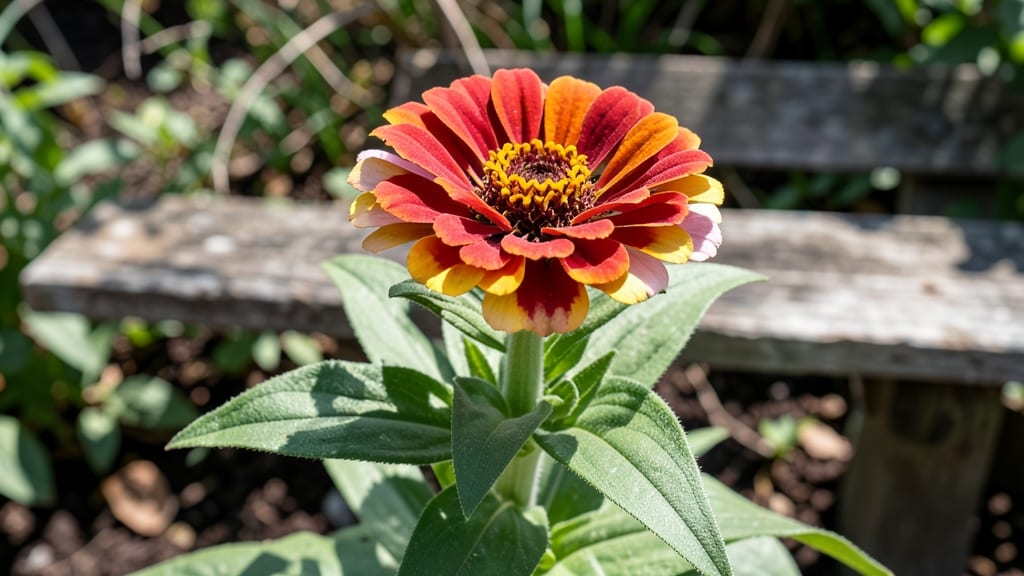
Do zinnias like sun or shade? Absolutely the former—these sun-worshippers thrive in at least 6 hours of direct light daily for those bold, brilliant blooms.
If your zinnias are struggling to bloom—or worse, wilting before they even open—your light conditions might be the culprit. These vibrant annuals thrive under specific sunlight demands, and getting it wrong could mean fewer flowers and more frustration.
Too little sun leads to leggy stems and sparse blooms, while too much shade can invite powdery mildew. The good news? With the right placement—whether in garden beds or containers—you can coax nonstop blooms all season long.
Below, I’ll break down exactly how much sun zinnias need, how to spot light-related problems, and simple fixes to keep your plants thriving from spring through fall.
 Best Window Placement
Zinnia sun requirements: how much light do they really need?
If your zinnias are struggling to bloom—or worse, wilting before they even open—your light conditions might be the culprit. These vibrant annuals thrive under specific sunlight demands, and getting it wrong could mean fewer flowers and more frustration.
Zinnias are sun worshippers, demanding 6 to 8+ hours of direct sunlight daily to reach their full potential.
While they can tolerate partial shade in hot climates, this often results in leggy stems and sparse blooms. The key is understanding their ideal light intensity and how to spot signs of sun deprivation early.
Let’s break down exactly what zinnias need—and how to give it to them—whether you're in a full-sun garden or a partial-shade zone.
Did you know? Zinnias can actually overheat in intense midday sun (12 PM to 3 PM) in regions like the Southwest. This means adjusting their placement based on your local climate and microclimate is just as important as the total sunlight hours.
| Sunlight Requirement | Ideal Conditions | Signs of Stress | Solution |
|---|---|---|---|
| Full Sun | 6-8+ hours direct sunlight | Vibrant blooms, sturdy stems | Place in south or west-facing beds |
| Partial Shade | 3-6 hours direct sunlight | Leggy stems, fewer blooms | Use reflective mulch or companion plants |
| Deep Shade | <2 hours direct sunlight | Stunted growth, powdery mildew | Avoid planting; choose shade-tolerant flowers |
| Hot Climates | Morning sun + afternoon shade | Wilting, sunburned leaves | Provide afternoon shade with lattice or mesh |
For most gardeners, 6 hours of direct sunlight is the minimum requirement to keep zinnias healthy and blooming. However, 8+ hours will produce the most vibrant flowers and compact growth.
If your zinnias are receiving less than this, you’ll likely notice tall, spindly stems reaching for the light—a classic sign of sun deprivation.
In partial shade gardens, zinnias can still thrive if you maximize light exposure. Try planting them near reflective surfaces like white gravel or light-colored walls, which bounce extra light onto the plants.
Another trick is to group zinnias with taller plants on the north side, allowing them to capture scattered sunlight throughout the day.
If you're in a hot, dry climate, zinnias may need afternoon shade to prevent heat stress. Look for varieties like 'Crystal' series, which are slightly more shade-tolerant than traditional zinnias.
Always monitor leaf color: yellowing or crispy edges signal too much sun, while pale green leaves indicate insufficient light.
Pro tip: Rotate containers every few days if growing zinnias in pots. This ensures all sides receive even sunlight, preventing one-sided growth and weak stems. A simple 180-degree turn every 2-3 days can make a huge difference in plant symmetry and bloom production.
For container gardeners, place zinnias in the sunniest spot on your patio or balcony. South-facing windowsills or decks with 6+ hours of sunlight are ideal.
If your space only gets partial sun, choose dwarf varieties like 'Thumbelina', which tolerate 3-4 hours of direct light better than taller types.
Remember, zinnias are drought-tolerant once established, but they won’t bloom well without enough light. If your zinnias are producing fewer flowers than expected, check their sunlight first—it’s often the simplest fix for underperforming plants.
With the right light, your zinnias will reward you with nonstop color from summer through fall.
What happens when zinnias get too much shade (and how to fix it)
Zinnias are sun-loving stars that need 6-8+ hours of direct sunlight daily to thrive.
When they don't get enough light, their growth patterns change dramatically—often in ways that leave gardeners scratching their heads. Leggy stems, sparse blooms, and weak foliage are classic red flags that your zinnias are crying out for more sunshine. The good news?
With a few strategic adjustments, you can revive even the most shade-stressed plants and bring back those vibrant blooms.
Shade stress doesn't just affect how your zinnias look—it weakens their immune systems, making them more susceptible to powdery mildew and other fungal diseases. The stems become woody and brittle, while leaves may turn pale or develop yellow patches.
Even if you're growing zinnias in containers, poor light conditions will stunt their growth and reduce the number of flowers you enjoy throughout the season.
⚠️ Zinnias HATE Shade! Here's What Happens When They Don't Get Enough Sun
- Stunted growth: Plants grow only 1/3 their normal height (1-2 ft instead of 2-4 ft)
- Leggy stems: Weak, elongated stems that flop over and snap easily
- Fewer blooms: Only 10-20% of normal flower production
- Pale leaves: Chlorosis (yellowing) between leaf veins from poor photosynthesis
- Powdery mildew: White fungal coating on leaves due to damp, shaded conditions
💡 Quick Fix: Move plants to at least 4 hours of direct sun immediately and prune leggy stems to encourage bushier growth.
If your zinnias are already suffering from shade stress, don't panic—there are simple pruning techniques to help them recover. Start by cutting back overly elongated stems to just above a leaf node. This encourages the plant to branch out and produce more flowers.
For severely affected plants, you can even prune back by 1/3 to stimulate new, stronger growth. Just be sure to use clean, sharp shears to avoid damaging the stems.
For gardeners with limited sunlight options, companion planting can work wonders. Try pairing zinnias with tall, reflective plants like sunflowers or hollyhocks, which can bounce extra light onto your zinnias. Another trick is to use light-colored mulch around the base of the plants, which reflects sunlight upward.
Even a white gravel pathway nearby can make a noticeable difference in the amount of light your zinnias receive.
Container gardening offers another great solution for low-light spaces. Choose shallow, wide containers filled with light, airy potting mix to help zinnias stretch toward any available light. Place containers on elevated stands or window sills to maximize light exposure.
If you're growing zinnias indoors near a window, rotate the containers quarter-turns weekly to ensure even growth and prevent them from leaning toward one side.
Remember, zinnias are resilient plants—they can often bounce back from shade stress with the right care. The key is to act quickly and give them more light while supporting their recovery with proper pruning and companion planting.
With these adjustments, you'll be enjoying lush, vibrant zinnias in no time—even in less-than-ideal light conditions. 🌻