
Orchid Care
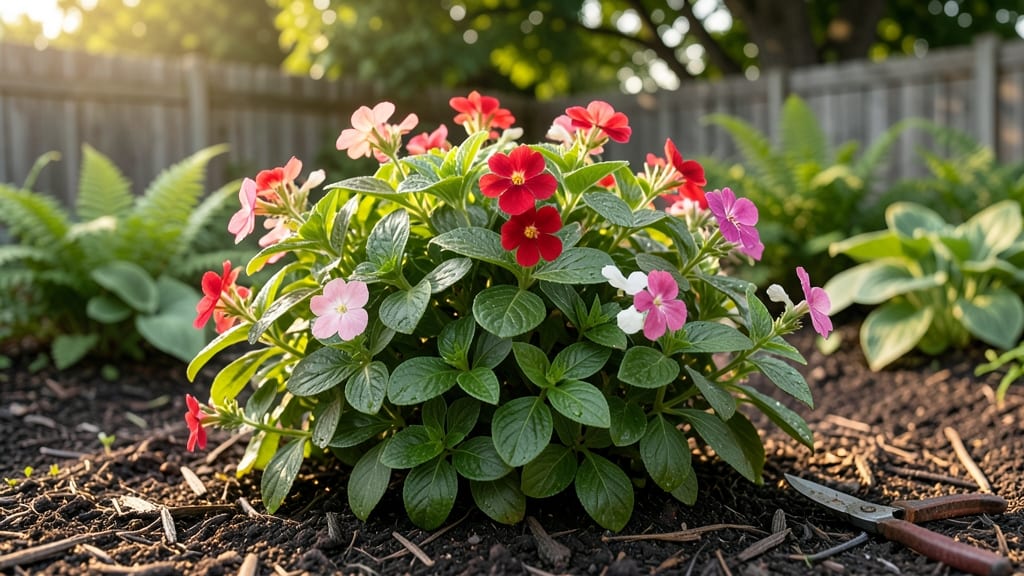
Do impatiens like sun or shade—actually, they flourish in shade rather than sun—making them ideal for bright, filtered light spots where other plants might struggle.
Struggling to keep your impatiens blooming all season? The answer might be hiding in their light needs—too much sun or too much shade can turn vibrant flowers into floppy, sad stems. Let’s uncover the perfect light balance to transform your impatiens into a nonstop blooming powerhouse.
These shade-loving beauties 🌸 prefer partial shade, which means they need protection from harsh afternoon rays while still getting enough light to fuel their growth. Too much direct sun can scorch their delicate leaves, while too little light leads to sparse blooms and leggy stems.
In this guide, you’ll discover the ideal light conditions, how to spot signs of light stress, and even the best companion plants to pair with your impatiens for a thriving garden display.
 Best Window Placement
Ideal sunlight requirements for impatiens: how much light do they need?
If you’ve ever watched your impatiens wilt under harsh afternoon sun or stretch pitifully toward a dim corner, you’re not alone. These shade-loving beauties thrive in a delicate balance of light—too much or too little can turn your blooming stars into sad, leggy shadows.
The secret lies in understanding their partial shade needs and mimicking their natural forest-floor habitat.
Impatiens evolved under dappled sunlight in tropical forests, where morning rays filter through leaves while harsh afternoon sun gets blocked. This means they need bright indirect light—think 4-6 hours of filtered sun daily, with protection from the intense midday rays that scorch their delicate petals.
In my own garden, I’ve learned the hard way that placing them in full sun turns their vibrant blooms into crispy, browned husks.
Here’s the golden rule: Morning sun is their friend, but afternoon shade is non-negotiable. If you’re in a hot, southern climate, even morning sun can be too intense—opt for east-facing windows or spots under light trees like Japanese maples.
In cooler northern regions, they’ll tolerate slightly more direct light, but never full sun.
🌿
For indoor impatiens, mimic their forest habitat by placing them 1-3 feet from an east or west window. South-facing windows are too harsh unless you use a sheer curtain to diffuse the light.
I’ve seen impatiens in my sunroom thrive under grow lights set to a 12-hour cycle—just keep the bulbs 12-18 inches above the plants to avoid leaf scorch.
In shaded gardens, pair impatiens with hostas or ferns to create a natural understory effect. If you’re in a USDA Zone 8-10, use 30-50% shade cloth during peak summer to protect them from intense heat.
Even a white umbrella placed overhead can work wonders for container-grown impatiens on patios.
Pro tip: Rotate your potted impatiens every few days so all sides get even light exposure. This prevents them from leaning toward the light source, which leads to those unsightly one-sided growth patterns. I rotate mine weekly, and the difference in their bushy, symmetrical shape is night and day.
If you’re in a high-altitude garden (like Denver or Colorado Springs), impatiens can handle slightly more sun because the UV intensity is lower. Test a small batch in partial shade first, then gradually increase exposure if they show no signs of stress.
Look for deep green leaves and new buds forming—these are your cues that they’re happy.
One common mistake? Assuming all shade plants have the same needs. Coleus and impatiens both love shade, but coleus can handle more direct light. Always check the plant tag or do a quick online search—your impatiens will thank you with nonstop blooms all season long.
☀️
Signs your impatiens aren’t getting the right light: common mistakes and fixes
Your impatiens might be silently screaming for help if their light conditions are off. Too much direct sun or insufficient bright indirect light can turn those lush blooms into a sad, leggy mess. Let’s decode their light stress signals and fix them fast.
First, watch for yellowing leaves—especially on older foliage. This classic light deficiency sign means your impatiens aren’t getting enough bright indirect light to photosynthesize properly. Pair that with sparse blooms or flowers that close midday, and you’ve got a plant begging for better placement.
⚠️ callout-warning ⚠️
Impatiens thrive in partial shade—they hate scorching afternoon sun but need bright light to bloom. Too much shade = leggy stems and few flowers. Too much sun = crispy leaves and wilting blooms. Balance is key!
Quick Fix: Move pots 1-3 feet from east/west windows or use 30-50% shade cloth outdoors.
Leggy growth is another red flag—those stretched-out stems with tiny leaves mean your impatiens are reaching for light. This happens when they’re tucked too far back in a shady corner or under dense tree canopies that block bright indirect light.
Trim back the longest stems to encourage bushier growth, then relocate your plants to a sunnier spot.
For indoor impatiens, grow lights can be a game-changer. Place a full-spectrum LED 6-12 inches above your plants and run it for 12-14 hours daily to mimic natural light cycles. Avoid placing them near south-facing windows in summer—the intense midday sun can scorch their delicate leaves.
Outdoor impatiens need morning sun + afternoon shade. If your garden gets harsh afternoon rays, provide shade with a lightweight shade cloth or plant them under dappled shade trees like maples or oaks.
Mulch around the base to keep roots cool and retain moisture—stressed roots from heat or drought worsen light-related problems.
Pro tip: Rotate your potted impatiens every few days so all sides get even light exposure. This prevents uneven growth and ensures compact, bushy plants with abundant blooms. With the right light balance, your impatiens will reward you with nonstop color all season long! 🌸