
Shrubs
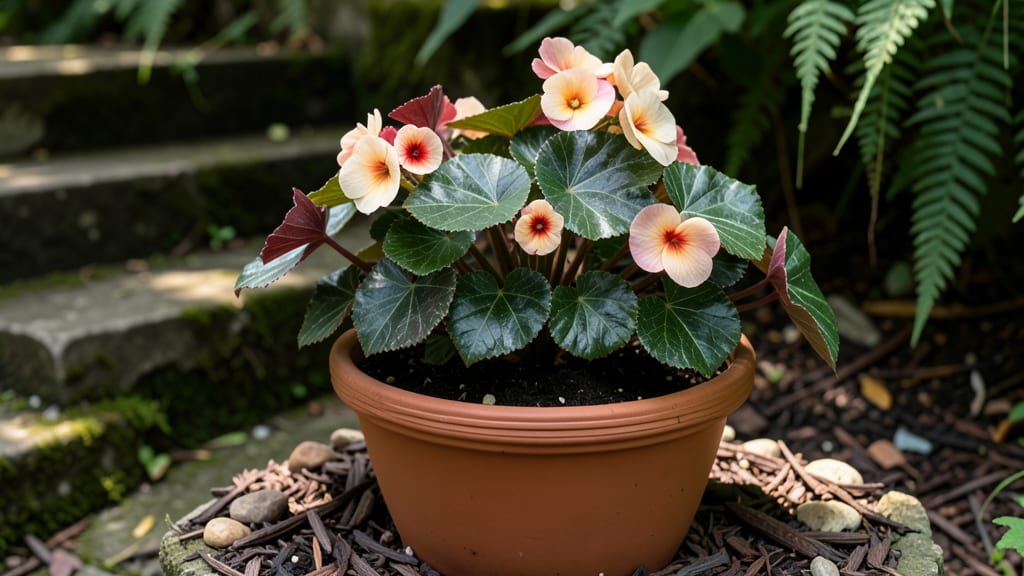
Begonias for shade gardens are the secret weapon for turning dim corners into vibrant, lush spaces. 🌿 I’ve transformed my own shady patio into a year-round jewel-toned oasis by layering different begonia varieties—some trailing, some upright, all thriving where other plants wilt.
The key lies in their leaf textures and colors, which bring depth even when sunlight is scarce.
The magic happens with the right mix: wax begonias for bold foliage, rex begonias for striking patterns, and trailing types like angel wing to spill over edges. Pair them with ferns, hostas, and impatiens for a lush, multi-level display that feels intentional, not crowded.
A 3-inch layer of mulch keeps roots happy while letting the leaves shine.
By summer’s end, your shade garden will burst with ruby-red blooms and deep green leaves that catch every passing breeze. The best part? These plants keep looking fresh through fall, long after sun-loving annuals have faded. Think of them as your garden’s quiet superstars—always there, always stunning.
Start small with just a few pots or a single border, then expand as you see what combinations work best. The possibilities are endless, and the results speak for themselves: a shaded area that feels alive, not abandoned. Let’s bring that color to your garden!
📚 In This Guide
- What you need
- Instructions
- Tips and common mistakes
- Wrapping up and next steps
What you need
- ● Begonia plants: Choose between tuberous, fibrous-rooted, or rex begonias (3–5 plants per garden bed, depending on desired density). Opt for shade-tolerant varieties like Begonia boliviensis or Begonia dregei.
- ● Well-draining potting mix: 1–2 bags (2–3 cubic feet each) of a peat-based or coconut coir blend (avoid heavy clay soil). Mix in perlite or vermiculite (1 part per 4 parts soil) for aeration.
- ○ Containers (optional but helpful): For potted begonias: 6–8-inch pots with drainage holes (1–2 per plant).
- ● For in-ground planting: Amend soil with compost (1–2 inches mixed into the top 6–12 inches of soil).
- ● Organic mulch: Shredded bark, pine needles, or leaf mold (2–3 inches) to retain moisture and suppress weeds.
- ● Garden trowel or small shovel (for transplanting or amending soil).
- ● Pruning shears (sterilized with rubbing alcohol) for trimming leggy stems or dead foliage.
- ● Watering can or hose with a gentle spray nozzle (begonias hate soggy roots!).
- ○ Gloves (optional, but helpful for handling soil or thorny varieties like Begonia cucullata).
- ○ Sunlight meter or app (optional): Ensure your garden gets 2–6 hours of dappled light or bright indirect light.
- ● Slow-release fertilizer (e.g., 10-10-10 or fish emulsion) for a mid-season boost (apply once every 2–3 months).
- ● Decorative stones or pebbles for a polished look (skip if using mulch).
- ● Grow lights (for indoor shade gardens or winter care).
- ● Plant labels to track varieties (especially useful for rex begonias with variegated leaves!).
How to grow begonias in shady spots for stunning year-round color
Here's how I transform shady corners into vibrant displays using begonias—no sunlight struggles required.
🌱 Step 1: Choose the Right Begonia Varieties for Shade
Not all begonias thrive in shade, so pick the right types. Tuberous begonias with dark foliage and fibrous-rooted begonias like Rex or Mason varieties handle low light best. Avoid wax begonias—they need bright light to bloom. I always check the tag for "shade-tolerant" labels before buying. These varieties grow best in partial to full shade, meaning less than 4 hours of direct sun daily.
If your garden gets dappled sunlight (filtered light through trees), you can even grow angel-wing begonias—their dramatic foliage thrives where others struggle. Just avoid spots that stay completely dark all day, or the plants will grow weak and leggy. Look for deep green, purple, or silver leaves—those are your shade-loving indicators.
☀️ Step 2: Prepare the Planting Site for Low-Light Success
Begonias in shade need moist, well-draining soil that stays consistently damp but never soggy. I start by mixing 2 parts potting soil with 1 part perlite to improve drainage. If your garden soil is heavy clay, amend it with compost to loosen the texture. The goal is soil that holds moisture but drains excess quickly—begonias hate wet roots.
Dig a hole twice as wide as the root ball but only as deep as the container it came in. Gently loosen the roots if they're circling tightly. Place the plant so the top of the root ball sits just below soil level—this prevents rot while keeping the crown stable. Water deeply right after planting to settle the soil and eliminate air pockets.
💧 Step 3: Water and Fertilize for Shade-Loving Growth
Shade-loving begonias need consistent moisture—never let the soil dry out completely. I water mine every 2-3 days in summer, checking by sticking my finger 1 inch deep into the soil. If it feels dry, it's time to water. In winter, reduce to once a week unless your home stays very warm. Always water at the base of the plant to avoid wetting the leaves, which can cause fungal issues.
Feed begonias every 4-6 weeks with a balanced liquid fertilizer (like 10-10-10) diluted to half strength. I skip fertilizer in winter unless the plant looks weak. Over-fertilizing in shade causes weak, floppy growth. Look for dark green leaves and compact stems—those are signs you're getting the water and nutrients right.
✂️ Step 4: Prune and Maintain for Year-Round Beauty
Deadhead spent blooms regularly to encourage more flowers, especially on tuberous varieties. Pinch back leggy stems to promote bushier growth—this is key in shade, where plants stretch toward any available light. I use clean, sharp scissors and make cuts just above a leaf node. This prevents disease and keeps the plant fuller.
In fall, reduce watering as temperatures drop, but don’t let the soil dry out completely. Move tender varieties (like tuberous begonias) indoors before frost hits. Store them in a cool, dark place with barely moist soil until spring. For fibrous-rooted types, simply trim back dead foliage and mulch heavily to protect roots through winter.
🪴 Step 5: Overwinter and Prepare for Next Season
After the first frost, cut back all foliage to 2-3 inches above the soil line. This prevents rot and makes it easier to spot new growth in spring. For tuberous begonias, dig up tubers, let them dry for a day, then store in a paper bag with dry peat moss in a cool (45-50°F), dark place. Check monthly for rot—discard any soft or mushy tubers.
In early spring, repot tuberous begonias into fresh soil and start watering lightly. Fibrous-rooted types can stay in the ground if your climate is mild. Watch for new shoots—that’s your cue to increase watering gradually. By late spring, your begonias should be ready to burst into color again, proving shade gardens can be just as vibrant as sunny ones.
Tips & tricks for thriving shade begonias
Shade gardens don't have to be boring—these simple tricks will help your begonias flourish where others fail.
Variety Selection: When choosing begonias for shade, focus on the foliage rather than the flowers. Rex begonias with their striking silver and burgundy leaves, or Mason varieties with deep green patterns, will give you the most visual impact in low-light conditions. The key is to look for plants labeled "shade-tolerant" or "low-light" at nurseries. I've found that angel-wing begonias handle dappled sunlight beautifully—their unique leaf shapes add architectural interest that brightens up shady spots instantly.
Soil Mix Matters: The 2 parts potting soil to 1 part perlite ratio from Step 2 is non-negotiable for shade begonias. I always add a handful of orchid bark to this mix for extra drainage—it prevents that dreaded soggy soil that causes root rot. For container gardening, use a pot with drainage holes and elevate it on feet to prevent water pooling. If you're working with heavy garden soil, mix in composted leaves instead of regular compost—they break down slower and improve soil structure over time.
Light Monitoring: The 4 hours of direct sun daily guideline is a good starting point, but every garden is different. I test potential planting spots by observing how much light they get throughout the day. If you notice your begonias stretching toward any available light (a condition called etiolation), they're getting too little. In these cases, I move them to a slightly sunnier spot or add a reflective surface like white gravel nearby to bounce extra light onto the leaves. This simple trick can make a huge difference in leaf color and plant vigor.
Winter Care: For tuberous begonias, the cool (45-50°F), dark place storage is crucial, but don't overlook the importance of checking them monthly. I place my tubers in a paper bag with dry peat moss and store them in my garage where temperatures stay stable. The key is to keep them barely moist—not wet, not bone dry. If you notice any tubers developing soft spots, remove them immediately to prevent rot from spreading to the others. This simple monthly check can save your entire collection.
Pro Tips for Begonias For Shade Gardens
- Shade gardens don't have to be boring—these simple tricks will help your begonias flourish where others fail.
- Variety Selection: When choosing begonias for shade, focus on the foliage rather than the flowers.
- Soil Mix Matters: The 2 parts potting soil to 1 part perlite ratio from Step 2 is non-negotiable for shade begonias.
Frequently asked questions
Got questions about growing begonias in shady spots? You’re not alone! Here are some of the most common concerns—and their easy solutions—to help you create a thriving shade garden.
What types of begonias thrive best in full shade?
Look for Begonia rex (with its stunning foliage), Begonia boliviensis (great for hanging baskets), or Begonia dregei (drought-tolerant once established). Rex begonias are especially prized for their velvety leaves and low-light adaptability. Pro tip: Avoid wax begonias—they need at least 4–6 hours of sunlight daily.
How long does it take for shade-loving begonias to show new growth?
With proper care, you’ll see fresh leaves and blooms (if applicable) within 4–8 weeks after planting. Slow growers like rex begonias may take longer, but they’ll reward you with lush foliage. Keep soil consistently moist during the first month to encourage root establishment.
Can begonias in shade handle heavy rain or humidity?
Yes! Most shade begonias are humidity-loving and tolerate rain well, but avoid waterlogging—their roots rot easily. Ensure containers or garden beds have drainage holes, and mulch around plants to protect roots. In humid climates, watch for powdery mildew and space plants for airflow.
Do shade begonias die back in winter, and how do I protect them?
Tender begonias (like tuberous types) will die back in cold climates, but rex and fibrous-rooted varieties often survive mild winters. For extra protection, mulch heavily or move potted plants to a sheltered spot. In freezing zones, dig up tubers and store them in dry peat moss until spring.
What can I plant alongside begonias for a layered shade garden?
Pair begonias with heucheras (for texture), hostas (for height), or ferns (for softness). Avoid competitive plants like mints or ivy, which can smother begonias. Use trailing plants like sweet potato vine to add movement without stealing light.
Why are my begonias’ leaves turning yellow or spotted?
Yellow leaves often signal overwatering or poor drainage, while spots may mean fungal issues (like botrytis) or pests (like spider mites). Troubleshoot: Adjust watering, improve airflow, and treat with neem oil if needed. Always water at the base, not overhead!
Wrapping up and next steps
Transforming your shade garden into a vibrant, low-maintenance oasis is easier than you think with begonias! These hardy plants bring year-round color—whether it’s the delicate blooms of Angel Wing begonias or the lush foliage of Rex varieties—without demanding full sunlight.
With the right care (like well-draining soil and consistent moisture), you’ll enjoy a thriving garden that outshines the competition—literally. 🌿
Ready to dive in? Start by choosing your favorite varieties and planting a few this weekend—your shade garden will thank you! For extra inspiration, browse local nurseries or online plant communities to discover new shades and textures that’ll make your garden stand out.