
How To
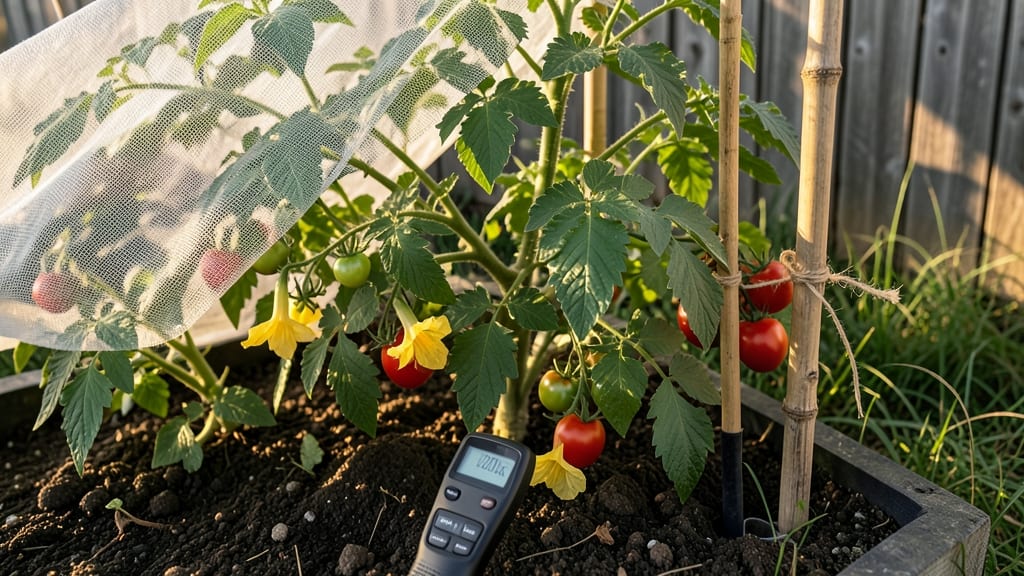
Tomatoes thrive with sunlight but need shade to avoid stress — finding that balance is the key to healthy plants and plentiful harvests.
If you’ve ever watched your 🍅 tomato plants wilt under scorching afternoon sun or struggle to set fruit despite plenty of light, you’re not alone. The secret isn’t just more sun—it’s the right kind of exposure, paired with strategic shade when temperatures climb.
Too much direct heat can scorch leaves, while too little light leaves vines leggy and fruitless.
Here’s how to give your tomatoes the perfect mix: 6-8 hours of sun daily, with afternoon shade in hot climates (like USDA Zone 6a). I’ll show you how to spot signs of over- or under-exposure, plus simple fixes like pruning nearby plants or using shade cloth without shocking your vines.
By the end, you’ll know exactly when to step in—whether it’s trimming a tree branch or adjusting a row cover—to keep your tomatoes producing all season long.
 Best Window Placement
How much sunlight do tomatoes really need for optimal growth?
Tomatoes are sun-loving plants, but their sunlight needs change dramatically as they grow. While 6-8 hours of direct sunlight is the golden standard, young seedlings require gentle protection. Understanding these stages helps you avoid leggy stems or blossom drop—two common signs of mismanaged light.
Let’s break down exactly how much sun your tomatoes need at every phase of growth.
For seedlings, too much direct sun can scorch tender leaves, so start them indoors or in partial shade. Once transplanted, they’ll crave more light daily. Flowering plants need consistent sun to set fruit, while fruiting tomatoes benefit from morning sun and afternoon shade in hot climates.
Balancing these needs keeps your plants productive and healthy.
Measuring sunlight accurately is easier than you think. Use a sunlight tracker app or observe your garden’s light patterns. South-facing gardens get the most sun, while north-facing spots may need supplemental lighting. Even partial shade from nearby trees can reduce sunlight by 30-50%, which may be enough to stunt growth.
Here’s a quick breakdown of tomato sunlight needs by growth stage:
During the seedling stage, tomatoes need gentle light to prevent etiolation (overly stretched stems). Place them near a south-facing window or under grow lights for 12-16 hours daily. If outdoor temperatures exceed 80°F (27°C), provide afternoon shade to avoid heat stress.
As plants enter vegetative growth, they’ll double in size quickly. This is when 6-8 hours of full sun becomes critical. Look for deep green leaves and strong stems—signs your plants are thriving. If leaves turn yellow or stems stretch excessively, they’re begging for more light.
When tomatoes flower and fruit, their needs shift slightly. Morning sun helps prevent blossom end rot, while afternoon shade in hot climates protects fruit from sun scald. In regions with 100°F+ (38°C+) temperatures, even 30% shade cloth can make a difference during peak heat.
One common mistake is assuming more sun is always better. While tomatoes love light, excessive heat (especially above 90°F/32°C) can cause blossom drop or poor fruit set. If your garden gets intense afternoon sun, consider drip irrigation to keep roots cool and leaves hydrated.
To measure sunlight accurately, use a sunlight meter or observe your garden’s light patterns for a week. Note when shadows fall across your plants—this helps you adjust their placement.
For example, if your tomatoes are in a west-facing spot, they’ll get harsh afternoon sun, which may require shade during summer months.
If your tomatoes show signs of insufficient light, like pale leaves or small flowers, move them to a sunnier location immediately. For container growers, place pots on a south-facing balcony or use reflective surfaces (like white walls) to maximize light exposure.
Remember, consistency is key. Sudden changes in sunlight—like moving a potted tomato from shade to full sun—can shock the plant. Gradually acclimate them over 5-7 days to avoid stress.
With the right balance of sun and shade, your tomatoes will reward you with abundant, flavorful fruit all season long. 🌱☀️
When and how to provide shade for tomatoes: heat protection strategies
Tomatoes love sunlight, but extreme heat can turn your lush plants into crispy shadows. When temperatures soar above 90°F (32°C), even sun-loving tomatoes need temporary shade to prevent blossom drop and fruit scorch.
The key is balancing protection without shocking plants with sudden darkness. Here’s how to do it right, whether you’re in a desert climate or a humid zone.
Natural shade—like a nearby tree or fence—can help, but it’s often inconsistent. Instead, I recommend shade cloth (30-50% coverage) or row covers for precise control. For DIY solutions, try whitewashed fencing or bamboo screens to diffuse harsh rays.
The goal? Keep leaves cool while still allowing photosynthesis to thrive. Avoid plastic sheets—trapped heat will backfire!
🌿 5 Key Shade Strategies for Tomatoes
- 1. Gradual Shade Introduction: Start with 2-3 hours of shade daily during peak heat (11 AM–3 PM), then increase coverage if needed. Sudden shade can cause leaf drop or stunted growth.
- 2. Shade Cloth Selection: Use 30% shade cloth for mild heatwaves and 50% for extreme desert summers. Darker cloth blocks too much light, stunting fruit production.
- 3. DIY Shade Solutions: Hang white bedsheets or reflective tarps 2–3 feet above plants to bounce light downward. Avoid blocking airflow—tomatoes need circulation to prevent disease.
- 4. Regional Adjustments:
- Desert climates: Shade from 10 AM–4 PM to protect from 110°F+ (43°C+) temps.
- Humid zones: Shade midday sun to reduce fungal pressure (e.g., early blight).
- 5. Morning Sun, Afternoon Shade: Position shade to cover plants after 11 AM, letting them soak up cool morning light for energy. This mimics natural shade from clouds.
If you’re using shade cloth, secure it loosely—tomatoes need airflow to prevent powdery mildew. For container growers, move pots to a shadier spot or use a breathable mesh cover. Remember: Shade isn’t permanent. Once temps drop below 85°F (29°C), remove protection to ensure fruit ripening continues.
Watch for signs of stress: Yellowing leaves or wilting? That’s your cue to adjust shade. In humid climates, combine shade with morning watering to cool leaves naturally. For drought-prone areas, mulch heavily to retain moisture and reduce heat stress at the soil level.
Pro tip: Train vines to grow vertically (e.g., on trellises) to elevate fruit away from scorching ground heat. This simple trick can boost yields by 20-30% in hot zones. Just ensure your trellis provides partial shade too!
Shade isn’t about hiding tomatoes—it’s about smart protection. With the right approach, your plants will keep producing juicy, flavorful tomatoes even when the sun is relentless. 🌞🍅