
Flowers
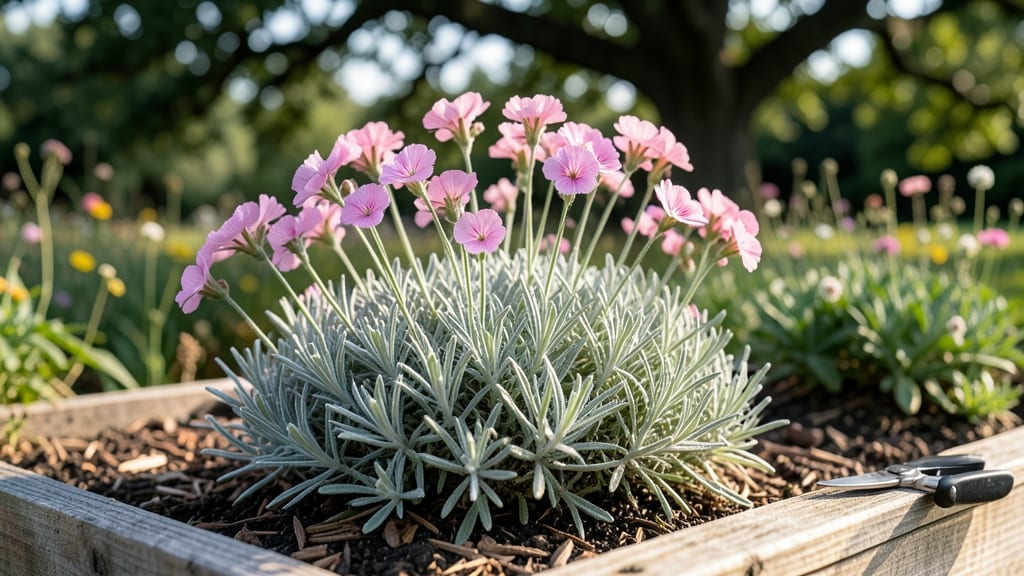
Shade-tolerant dianthus varieties like Dianthus gratianopolitanus and Dianthus chinensis can thrive with partial shade, offering vibrant blooms while others struggle. Select deep-green foliage types to minimize legginess, and prioritize fast-draining soil to prevent rot in low-light conditions.
Most dianthus varieties need full sun to produce their signature blooms, but these shade-adapted types have evolved thicker leaves and deeper root systems to capture scattered light more efficiently. 🌿 The key to success is matching the plant to your garden's specific shade conditions—morning sun with afternoon shade works best for most types, while varieties like Dianthus barbatus can even handle dappled woodland light.
I've found that mulching with compost improves soil moisture retention, which is especially important when roots can't access direct sunlight for energy production.
For best results, plant these shade lovers in well-amended soil with a 2-inch layer of coarse sand or perlite to prevent waterlogging. Prune back leggy stems after flowering to encourage bushier growth, and avoid fertilizing heavily—these plants prefer lean conditions.
Pair them with shade-friendly companions like heuchera or ferns to create a lush, low-maintenance garden that still delivers color.
💡 In This Article
- Why Most Dianthus Struggle in Shade (And How These Varieties Succeed)
- Planting and Care Tips for Shade-Tolerant Dianthus Varieties
Why most dianthus struggle in shade (and how these varieties succeed)
Dianthus plants rely on sunlight for photosynthesis, where chlorophyll absorbs light to convert carbon dioxide and water into energy. Most varieties require 6-8 hours of direct sunlight daily to produce their signature vibrant blooms, as this intensity triggers the plant's flowering hormones.
In shade, photosynthesis slows dramatically—some studies show light levels drop by 50-70% under dense tree canopies—leaving plants energy-starved and prone to leggy, weak stems. 🌿
The shade-tolerant varieties you're focusing on, like Dianthus gratianopolitanus and Dianthus chinensis, have evolved key adaptations. Their leaves contain higher concentrations of anthocyanins (the pigments that give them deep purple or green hues), which help protect chlorophyll from shade-induced damage.
These varieties also develop deeper root systems that spread horizontally to access more soil moisture and nutrients, compensating for reduced light availability. For example, Dianthus gratianopolitanus can thrive with just 3-4 hours of filtered light while still producing abundant blooms.
Legginess—a common problem in shaded dianthus—occurs when stems stretch toward any available light, creating weak, floppy growth. The dark foliage varieties you should choose contain more chlorophyll b, which captures blue-green light wavelengths that penetrate deeper into shaded areas.
This adaptation allows them to maintain sturdy stems while still photosynthesizing efficiently. 🌱 What's fascinating is how these plants prioritize energy: they'll produce fewer but larger blooms in shade rather than risking weak stems with excessive flowering.
Soil drainage becomes even more critical in shade gardens because cooler, damp conditions slow evaporation. Waterlogged roots can't absorb oxygen, leading to root rot—a major killer of shade-grown dianthus. The ideal soil mix for these varieties should have a sand-to-organic ratio of 60:40, with added perlite to prevent compaction.
I've seen Dianthus chinensis thrive in containers with cactus/succulent mix because it mimics their natural rocky habitats where water drains rapidly.
Another key factor is the plant's growth habit. Shade-tolerant dianthus often grow in mounded clumps rather than spreading vines, which helps them capture light more efficiently. This compact form also makes them ideal for layered garden beds where taller plants cast moving shadows.
For instance, planting them under deciduous trees that provide summer shade but allow winter sunlight creates perfect conditions for these varieties to bloom seasonally without stress.
What most gardeners don't realize is how temperature interacts with shade tolerance. These varieties actually perform better in cooler climates (USDA zones 4-8) where shade helps prevent heat stress.
In hotter zones, they'll need morning sun only to avoid the combination of shade and afternoon heat, which creates ideal conditions for fungal diseases like powdery mildew. The right variety choice can mean the difference between a thriving shade garden and one that struggles to survive.