
Light Requirements
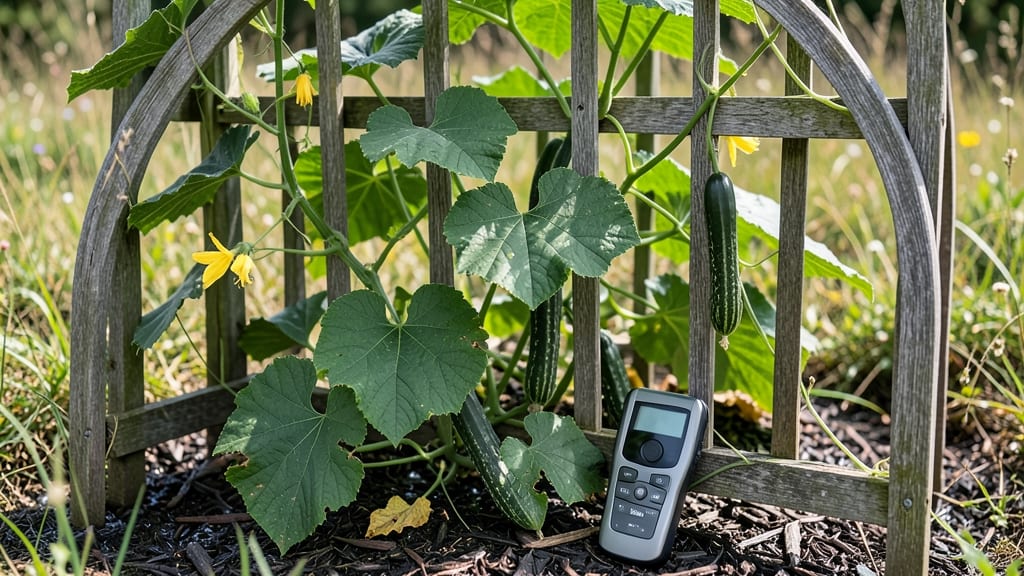
Cucumbers thrive in full sun or shade depending on your climate, and getting this balance right is the difference between a bountiful harvest and a bitter disappointment.
Picture this: you’ve spent weeks nurturing your 🥒 plants, only to watch them wilt under scorching afternoon heat or produce small, seedy fruit in shady corners. The truth is, cucumbers crave sunlight—but not all day, every day.
Too much direct sun in hot zones can scorch leaves, while too little light slows growth and weakens vines. The key lies in understanding how to adapt their environment, whether you’re in a sweltering desert or a humid urban garden.
In this guide, I’ll break down the ideal light conditions for cucumbers, from the 6+ hours of sunlight they need to thrive to the smart ways to provide shade when temperatures soar.
You’ll learn how to spot signs of light stress, adjust your setup for peak flavor, and even troubleshoot common mistakes that sabotage yields. Whether you’re a first-time gardener or a seasoned grower, these tips will help you coax the best possible harvest from your plants.
Ready to master the art of sunlight for your cucumbers? Let’s dive into the best practices for keeping your vines happy, healthy, and productive—no matter where you live or how intense the sun.

Full sun vs shade for cucumbers: how light affects growth and flavor
Cucumbers thrive best with 6 to 8 hours of direct sunlight daily, but their needs can shift based on your climate and variety. While full sun maximizes photosynthesis and fruit production, too much heat without proper care can lead to bitter-tasting cucumbers or even plant stress.
Understanding the balance between sun and shade is key to growing sweet, crisp cucumbers that yield abundantly.
In cooler climates like USDA zones 3-5, cucumbers can handle full sun without issue, producing vigorous vines and plentiful fruit. However, in hotter zones (7-10), afternoon shade becomes crucial to prevent heat stress.
The right light exposure isn’t just about quantity—it’s also about timing and environmental conditions that affect how your plants convert sunlight into energy.
Photosynthesis is the backbone of cucumber growth, and light intensity directly impacts this process. Cucumbers use sunlight to produce glucose, which fuels vine growth and fruit development. In full sun, this process accelerates, but excessive heat can overwhelm the plant’s ability to cool itself, leading to wilting or poor fruit quality. Shade, when applied strategically, can mitigate these issues while still allowing enough light for healthy growth.
When cucumbers receive full sun in hot climates, their leaves can absorb more heat than the plant can dissipate, leading to sunburn or leaf scorch. This stress triggers the production of cucurbitacin, a compound that gives cucumbers their bitter taste.
Even in ideal conditions, afternoon shade (3-4 PM) can prevent this while still allowing morning sunlight for photosynthesis. Think of it as giving your plants a midday break from the intensity.
Variety selection also plays a role in light tolerance. Bush cucumbers, like 'Bush Champion,' handle partial shade better than vining types like 'Straight Eight.'
If you’re in a hot, dry region, opt for heat-tolerant varieties such as 'Lemon Cucumber' or 'Armenian Cucumber,' which thrive with morning sun and afternoon shade. These varieties are bred to withstand higher temperatures, making them ideal for USDA zones 8-10.
Another critical factor is soil moisture and mulching. Cucumbers in full sun require consistent watering (1-2 inches per week) to prevent stress. Mulching with straw or shredded leaves helps retain moisture and regulate soil temperature.
Without proper hydration, even well-lit cucumbers will struggle, leading to poor fruit set and blossom-end rot. Pair full sun with deep watering routines to keep your plants thriving.
For container growers, light requirements change slightly. A 5-gallon pot of cucumbers needs at least 6 hours of sun, but the soil dries out faster, so daily watering is a must.
If your balcony only gets partial sun, choose compact varieties like 'Spacemaster' and supplement with a grow light for 4-6 hours daily to bridge the gap. Containers heat up quickly, so white pots reflect sunlight better than dark ones.
Monitoring your cucumbers’ leaf color and vine growth is the best way to gauge their light needs. Healthy leaves should be deep green and slightly waxy, while yellowing or curling indicates either too much sun or not enough water.
If your cucumbers start tasting bitter, it’s a sign they’re overheating or stressed. Adjusting shade cloth or moving plants to a morning-sun spot can often reverse these issues quickly.
In summary, cucumbers are sun-loving plants, but their light needs adapt to climate and variety. Aim for 6-8 hours of sun in cooler areas and partial shade in hot zones, especially in the afternoon.
Pair the right light with consistent watering and proper mulching to ensure sweet, high-yielding cucumbers all season long. With these adjustments, you’ll avoid the pitfalls of bitter fruit or stunted growth and enjoy a bountiful harvest. 🌱🥒
Best shade solutions for hot climates: when and how to protect cucumbers
When summer temperatures soar, cucumbers can suffer from heat stress and sunburn, even though they thrive in full sun conditions. The key is creating partial shade that reduces heat while maintaining airflow.
In desert climates, afternoon shade can prevent leaf scorch, while urban balconies may need adjustable shade to balance light needs. Let’s explore practical solutions tailored to your growing space.
For greenhouse cucumbers, shade solutions must address both temperature and humidity. In open-air gardens, focus on reflective shade materials that block harsh rays without trapping heat.
Whether you're using shade cloth or DIY structures, the goal is to reduce light intensity by 30-50% during peak sun hours while keeping vines healthy and productive.
🌿 Shade Solutions for Cucumbers by Climate & Space
- 🌡️ Desert Climates: Use 50% shade cloth (white or silver) to block afternoon sun (1 PM–5 PM). Pair with drip irrigation to prevent soil heat buildup.
- 🏙️ Urban Balconies: Install adjustable trellis shades (e.g., retractable fabric) to control light. Rotate plants weekly for even exposure.
- 🏠 Greenhouses: Ventilate with roll-up sidewalls and use 30% shade netting on the roof. Monitor internal temps—keep below 90°F.
- 🪴 Containers: Place pots in partial shade (e.g., under a patio umbrella) and use light-colored containers to reflect heat.
- 🌿 DIY Structures: Build a frame with cheesecloth or burlap for light filtering. Secure with stakes to avoid blocking airflow.
For DIY shade structures, consider a permanent trellis with shade fabric draped over it. This keeps vines off the ground while filtering 30-40% of light. In extreme heat (above 95°F), supplement with mulch to insulate roots. Avoid plastic sheets—they trap heat and can scorch leaves.
When using shade cloth, opt for knitted fabric over woven, as it allows better airflow. Hang it 3-4 feet above plants to prevent fungal diseases from trapped moisture. In greenhouses, combine shade cloth with automatic vents to regulate temperature and humidity simultaneously.
Monitor your cucumbers closely after implementing shade. Look for healthier leaves and fewer sunburn spots within 1-2 weeks. If vines still look stressed, adjust the shade level incrementally. For container gardens, rotate pots every few days to ensure even light exposure.
Remember, the goal isn’t to eliminate sunlight entirely but to moderate intensity. Cucumbers still need 4-6 hours of direct sun daily for optimal fruit production. Balance shade with morning sunlight to keep vines vigorous and productive throughout the growing season.