
Light Requirements
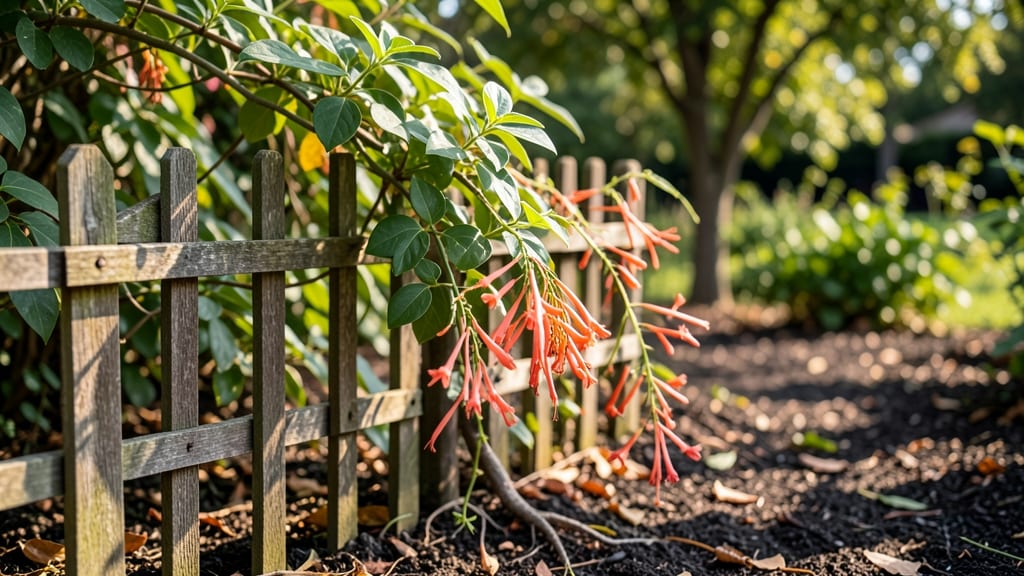
Honeysuckle can grow in shade, especially with shade-tolerant varieties like Lonicera sempervirens (trumpet honeysuckle) or Lonicera japonica (Japanese honeysuckle), though they may produce fewer flowers and slower growth in low-light conditions. Partial shade (4-6 hours of sunlight) yields the best results for most species.
While honeysuckle isn't a full-shade plant, certain varieties handle limited sunlight better than others. 🌿 The key is choosing the right species—like the evergreen trumpet honeysuckle—which can adapt to dappled light conditions. That said, even shade-tolerant types will reward you more when given some morning sun.
I've seen Japanese honeysuckle thrive under large trees, though its blooms become sparser without adequate light exposure. For optimal growth, aim for areas with filtered sunlight and well-draining soil to prevent root stress.
What really makes a difference is how you prepare the growing environment. Honeysuckle in shady spots needs consistent moisture but hates soggy roots, so I recommend amending the soil with compost before planting. Regular pruning also helps maintain shape and encourages new growth, even in low-light conditions.
The trade-off? You might need to be patient—these plants grow more slowly in shade but can still become beautiful, fragrant additions to your garden over time.
💡 In This Article
- Shade-Tolerant Honeysuckle Varieties and Their Light Needs
- Maximizing Honeysuckle Growth in Shady Gardens
Shade-tolerant honeysuckle varieties and their light needs
The ability of honeysuckle to thrive in shade depends heavily on the specific species. Lonicera sempervirens (trumpet honeysuckle) is one of the most shade-tolerant varieties, capable of growing in areas with just 3-4 hours of direct sunlight daily.
This evergreen vine produces tubular red flowers that attract hummingbirds even in low-light conditions. The trade-off? Flower production may decrease by 30-40% compared to full-sun exposure, but the plant remains healthy with lush, dark green foliage.
Japanese honeysuckle (Lonicera japonica) offers another shade-friendly option, though it prefers 4-6 hours of filtered light. What makes this variety special is its ability to climb trees or fences aggressively, even in partial shade.
The foliage develops a slightly deeper green hue in shady spots, while the fragrant white flowers still bloom—though they may appear less frequently. Lonicera periclymenum (European honeysuckle) also adapts well, though it requires at least 6 hours of partial shade to maintain vigorous growth and flowering.
The science behind this adaptability lies in the plants' photosynthetic efficiency. Shade-tolerant honeysuckle varieties develop larger, thinner leaves with more chlorophyll to capture available light.
These leaves also have a higher surface area, allowing them to intercept sunlight more effectively in dappled conditions. 🌿 However, the chlorophyll pigments in shade-grown plants often produce less intense flower colors, which explains why trumpet honeysuckle flowers may appear slightly paler in low-light environments.
Growth rates also reveal the impact of shade. In full sun, honeysuckle can grow 3-5 feet per year, while in shade, this slows to 1-2 feet annually. The stems become slightly thinner, and the internodes (spaces between leaves) lengthen as the plant stretches toward any available light.
This "etiolation" process helps the vine reach higher light levels but makes the plant more susceptible to wind damage and requires additional support structures.
For gardeners in heavily shaded areas, Lonicera fragrantissima (winter honeysuckle) is another excellent choice. This deciduous vine thrives in full shade to partial shade and produces fragrant white flowers in late winter before leaves emerge.
Its roots develop extensive mycorrhizal relationships with soil fungi, which helps it access nutrients more efficiently in low-light conditions. The trade-off? It flowers earlier in the season, so timing becomes crucial for pollinators.
When comparing shade-tolerant varieties, the key difference lies in their flowering cycles and fragrance intensity. Trumpet honeysuckle maintains its strong fragrance even in shade, while Japanese honeysuckle's scent becomes subtler.
The color saturation of flowers also diminishes—red trumpet honeysuckle flowers may appear more pinkish in low light, while white varieties remain relatively unchanged. 🌸 Understanding these nuances helps gardeners set realistic expectations for their shade-grown honeysuckle plants.