
Light Requirements
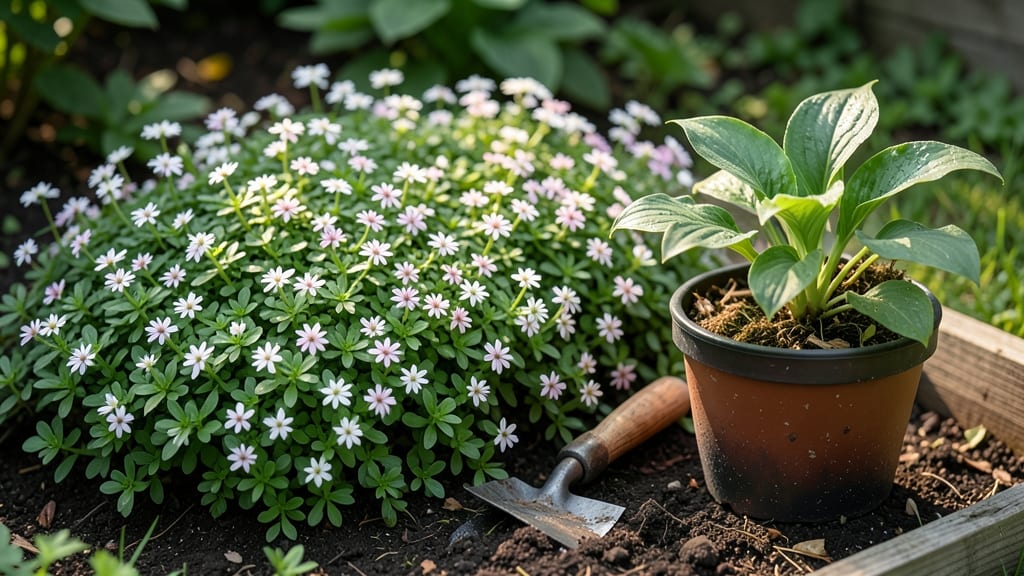
Yes, alyssum can grow in shade, though it thrives best in partial shade to full sun. Low-light varieties like Alyssum maritimum or Alyssum montanum tolerate dappled shade, but expect slower growth and fewer blooms compared to sunny conditions. Ensure well-draining soil and consistent moisture for optimal results.
Alyssum isn't a shade-loving plant, but some varieties adapt better than others. 🌿 In dimmer spots, you'll notice less vibrant blooms and leggier stems, as the plant stretches toward whatever light it can find.
The key is choosing the right species—Alyssum saxatile handles partial shade well, while Alyssum montanum can even thrive in deeper shade conditions. For best results, pair your shade-tolerant alyssum with other low-light companions like sweet woodruff or ferns, which create a supportive microclimate.
What really makes a difference is soil quality and moisture. Alyssum in shade needs consistently damp—but never soggy—soil to compensate for reduced photosynthesis. I recommend mixing in compost to improve drainage and fertility, especially if your garden has heavy clay.
Mulching with organic matter also helps retain moisture while keeping roots cool. With the right care, even shade-grown alyssum can produce a respectable display of tiny, fragrant flowers.
💡 In This Article
- How Shade Affects Alyssum Growth and Flowering
- Best Shade-Tolerant Alyssum Varieties and Planting Tips
How shade affects alyssum growth and flowering
Alyssum's light requirements are directly tied to its photosynthesis efficiency. In full sun, these plants produce chlorophyll a and b in optimal ratios, allowing them to convert sunlight into energy at peak capacity.
When placed in shade, alyssum compensates by increasing chlorophyll a production while reducing carotenoids—the pigments that give flowers their vibrant colors.
This adaptation explains why shade-grown alyssum often sports paler blooms and grows more slowly. 🌱 The energy deficit forces the plant to allocate resources toward leafy growth rather than flower production, which is why you'll see fewer blossoms in low-light conditions.
Light intensity also impacts alyssum's structural integrity. In full sun, stems remain compact and sturdy due to balanced growth hormones, while shade causes etiolation—the elongation of stems as they stretch toward available light. This results in leggy, weak plants that may flop over, especially in deep shade.
The flowering cycle itself gets disrupted too: shade reduces the plant's ability to produce florigen (the hormone triggering blooms), often delaying or preventing flowering entirely. Even shade-tolerant varieties like Alyssum montanum may produce only 30-50% of the flowers they would in full sun.
What most gardeners don't realize is how shade affects alyssum's fragrance. The volatile compounds responsible for its sweet, honey-like scent are energy-intensive to produce. In low light, these compounds decrease by up to 40%, making shade-grown alyssum noticeably less aromatic. The good news?
Even in partial shade, alyssum can still thrive if given the right growing conditions—particularly well-draining soil and consistent moisture to compensate for reduced photosynthesis. The trade-off is always visibility: while shade may save your alyssum from scorching in hot climates, it comes at the cost of vigor and floral display.
For a visual comparison, consider this: full-sun alyssum develops dense, mounded growth with 1-2 inch flower clusters covering the plant, while shade-grown varieties might max out at 6-8 inches tall with sparse, ½-inch blooms. The leaves also change—shade leaves are larger but thinner, with less robust cell structure.
This isn't just about aesthetics; weaker stems are more susceptible to wind damage and disease. The key is managing expectations: shade-tolerant alyssum can still be beautiful, but it'll never match the exuberance of its sun-loving cousins. 🌿
One fascinating adaptation in shade-tolerant varieties is their ability to optimize leaf angle. Plants like Alyssum saxatile grow leaves that angle upward to capture more diffuse light, while sun-loving varieties have flatter leaves to maximize direct sunlight absorption.
This subtle difference in leaf architecture is why some alyssum varieties handle shade better—they're essentially pre-adapted to make the most of limited light.
Understanding this helps explain why partial shade (3-6 hours of sunlight daily) is the sweet spot for most alyssum: enough light for decent growth, but protection from harsh afternoon sun.
Seasonal light changes also play a role. Alyssum planted in spring or early summer has time to establish strong roots before shade becomes more pronounced in late summer.
If you're planting in late summer or fall, choose shade-tolerant varieties and supplement with grow lights (12-14 hours daily) to extend the growing season. The goal is to mimic natural light conditions as closely as possible, giving your alyssum the best chance to thrive in low-light environments. 💡