
Light Requirements
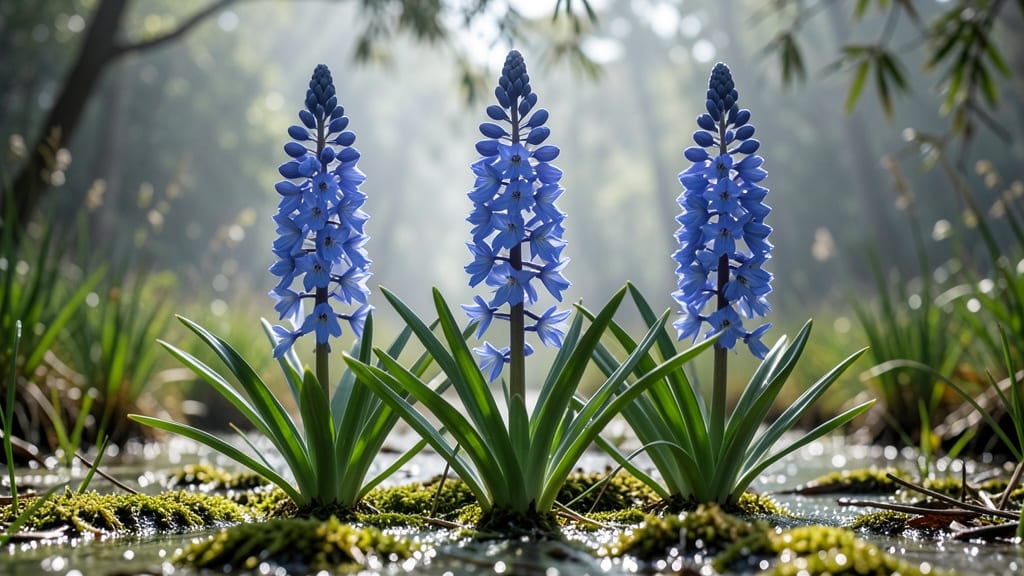
Struggling to find shade-loving bulbs that thrive with minimal care? These 10 perennial bulbs bring vibrant blooms to dark corners of your garden, requiring only consistent moisture and well-drained soil to reward you with seasonal color for years.
Daffodils for Woodland Gardens
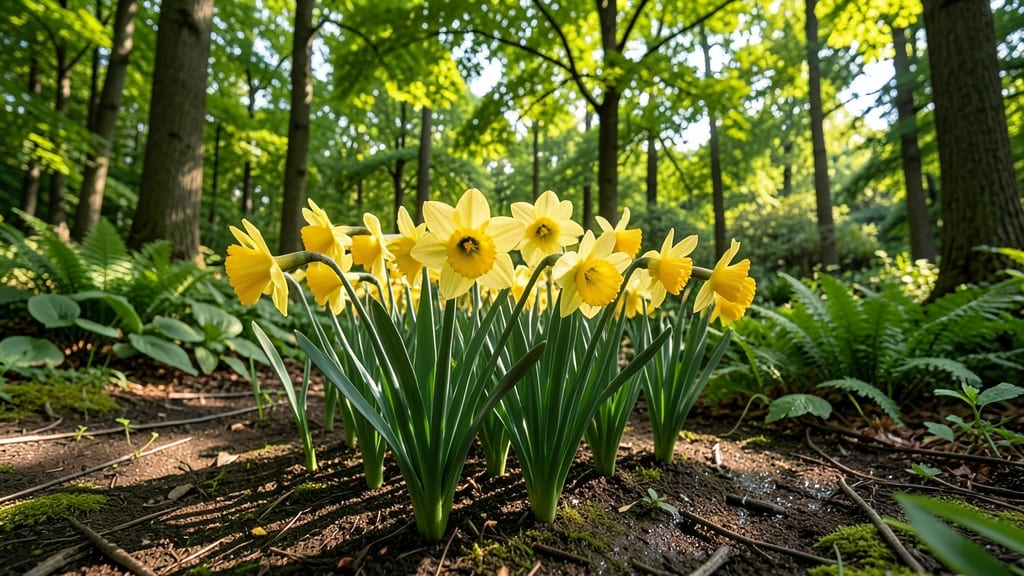
Tired of struggling with bulbs that refuse to thrive in your woodland garden? Daffodils are the unsung heroes of shaded borders—cold-hardy, deer-resistant, and eager to naturalize where other bulbs give up.
Most bulbs need well-drained soil, but daffodils handle moist, well-drained conditions better than most, making them perfect for woodland edges or understory plantings. Their early spring blooms (often before deer wake up fully) provide a splash of color when little else is growing. Just plant bulbs 6 inches deep in fall and watch them multiply over time.
These cheerful bloomers are ideal for gardeners in zones 3-9 who want low-maintenance shade plants that spread naturally. 🌱
Crinum Lilies for Humid Shade
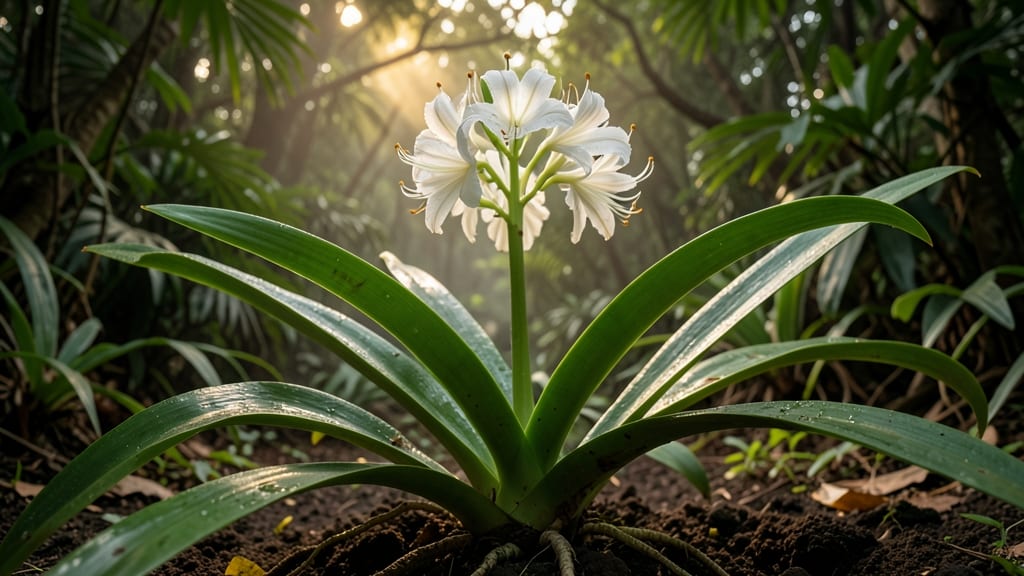
If you crave tropical drama in your garden but struggle with full-sun spots, crinum lilies deliver lush, fragrant blooms with almost no fuss. These humidity-loving bulbs thrive in partial shade where other plants wilt, producing striking white spider-like flowers that perfume the air in summer and early fall.
Plant them in zones 8-11 where winter freezes are rare, and they'll reward you with minimal care—just ensure well-draining soil and occasional watering during dry spells. Their drought-tolerant nature makes them perfect for coastal gardens or areas with high humidity, where they'll spread slowly over time. The bulbs themselves are massive, often weighing 10+ pounds, giving them staying power in challenging conditions.
Gardeners in warm climates will love how these year-round foliage plants add structural interest even when not blooming, while their fragrant blooms attract pollinators. Perfect for those who want a low-maintenance tropical feel without the high-maintenance upkeep. 🌿
Snowdrops for Winter Blooms
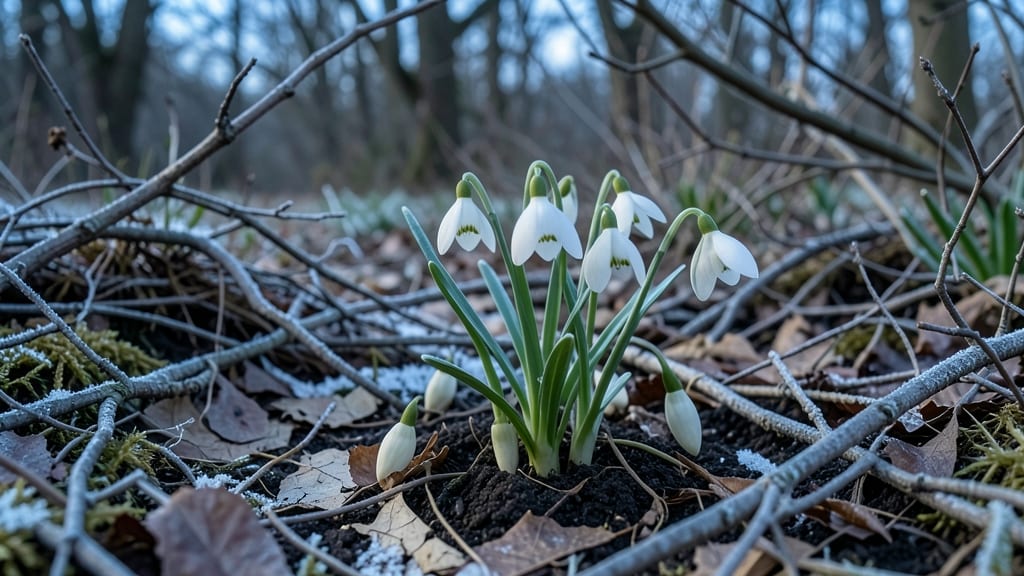
When your garden feels like a dormant canvas in late winter, snowdrops (Galanthus) burst through the snow with their delicate white blooms, offering the first sign of spring. These hardy bulbs thrive in deep shade where most plants refuse to grow, making them the unsung heroes of woodland gardens and north-facing beds.
Plant snowdrop bulbs just 2-3 inches deep in well-drained, humus-rich soil from fall to early winter. They prefer moist but not soggy conditions and multiply over time, creating naturalizing colonies. Their early bloom time (January-March) means they often flower before trees leaf out, ensuring they get enough light. The flowers' subtle nodding shape and delicate markings make them a favorite for cottage gardens.
Perfect for gardeners who want year-round interest—even when the world is still gray—snowdrops provide hope and beauty when few other plants can. 🌱
Toad Lilies for Moist Shade
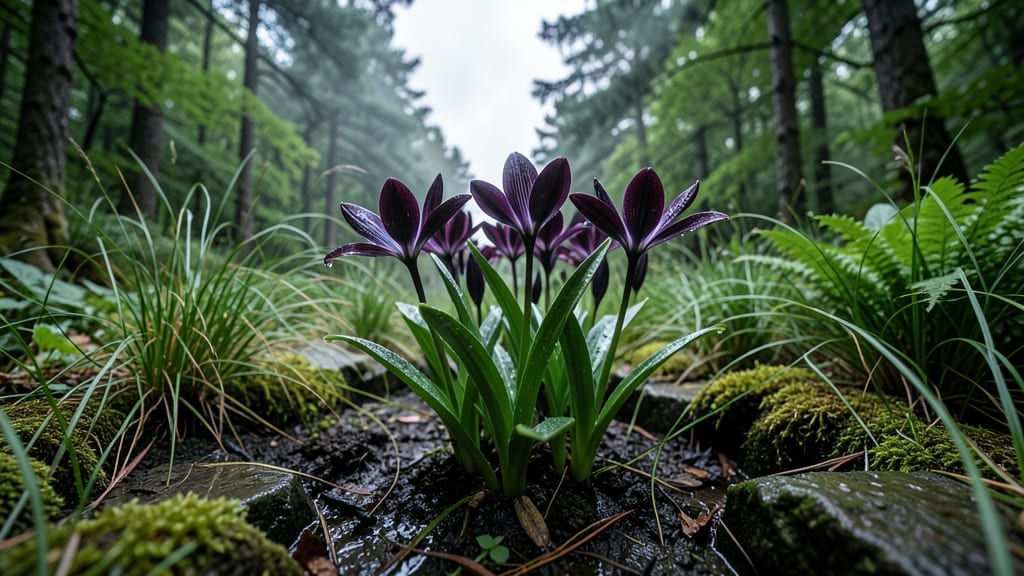
If your garden has soggy spots where most bulbs would give up, toad lilies (Tricyrtis) are the unsung heroes you’ve been missing. These striking bulbs don’t just tolerate wet soil—they thrive in it, making them perfect for rain gardens, pond edges, or woodland areas where moisture lingers.
With their unique spotted blooms in shades of purple, yellow, and white, toad lilies emerge in late summer to early fall, long after other shade bulbs have faded. Plant them 3-4 inches deep in rich, organic soil with consistent moisture but good drainage. They’re deer-resistant and multiply over time, creating natural colonies that spread gracefully.
Perfect for gardeners with damp, shady spots, toad lilies bring drama where few other bulbs dare to grow. 🌿
Crocus for Underplanting Shrubs
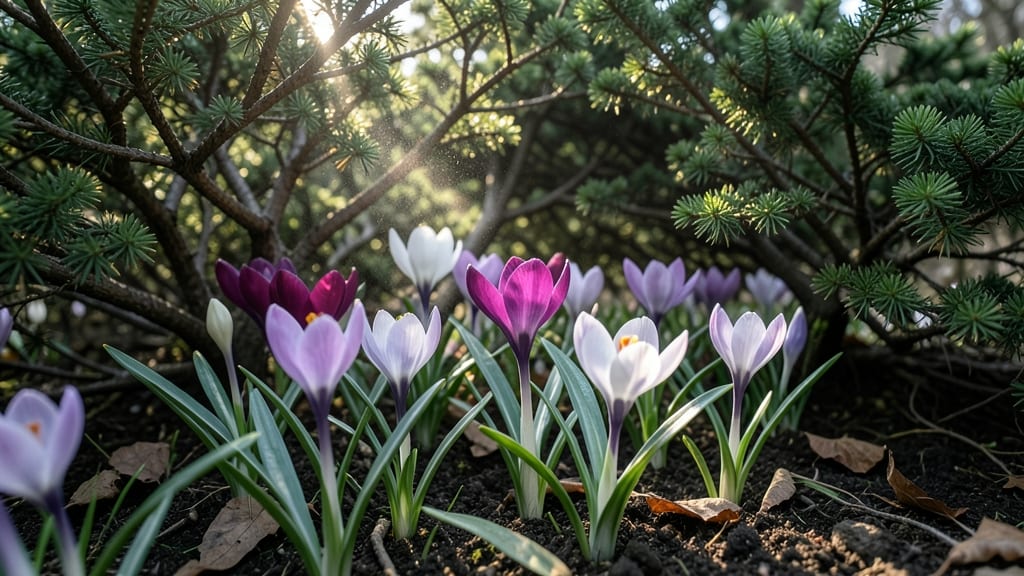
Struggling to brighten up the dull spots beneath your evergreens or shrubs? Crocus bulbs are the secret weapon for adding early spring color where light is scarce. Their shallow roots and early bloom cycle make them ideal for underplanting, popping up before trees leaf out and stealing the show.
Plant these drought-tolerant bulbs 3-4 inches deep in well-drained soil beneath shrubs or trees in fall. Choose varieties like 'Purple Striped' or 'Whitewell Purple' for vibrant blooms that appear in late winter or early spring. They thrive in partial shade and multiply over time, creating naturalized drifts that look effortless.
Perfect for gardeners with limited space or mature landscapes, crocus adds a burst of color when few other plants are blooming. 🌷
Hellebores for Late Winter Color
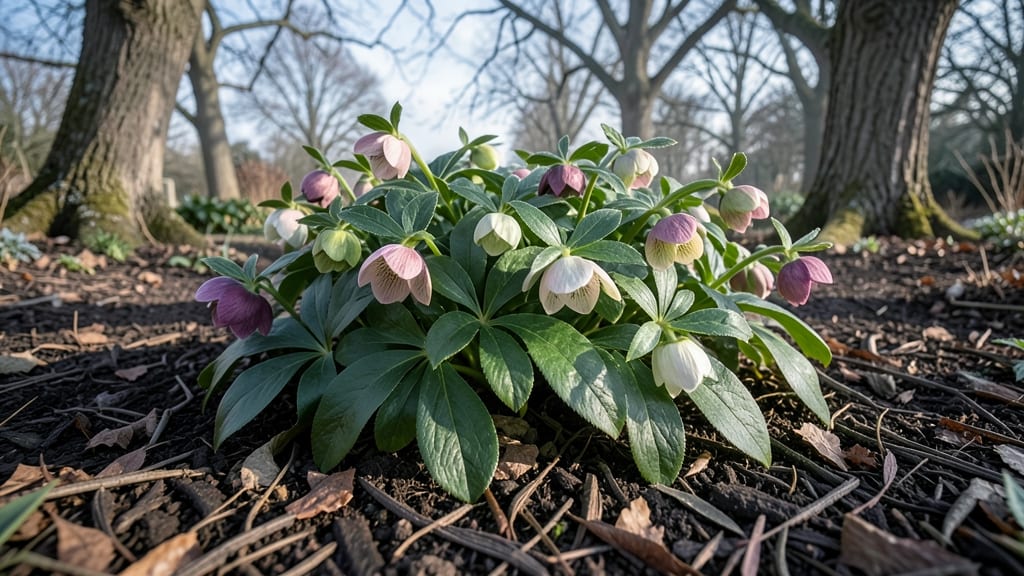
When your garden looks like a blank canvas in late winter, hellebores (also called Lenten roses) step in as the unsung heroes of deep shade. These evergreen perennials burst into bloom from February through April, offering delicate nodding flowers in shades of white, pink, purple, and green when most plants are still dormant.
Unlike traditional bulbs, hellebores grow from corms that thrive in deep shade to partial sun, making them perfect for north-facing beds, under trees, or along fences where light is minimal. Plant them in well-draining, humus-rich soil with consistent moisture, and they'll reward you with year-round foliage and seasonal blooms for decades. Varieties like 'Annie's Pride' and 'Black Beauty' provide striking contrast against dark winter landscapes.
Ideal for gardeners with limited sunlight or mature landscapes, hellebores bring early color without competing with spring's star players. Their deer-resistant nature makes them a low-stress choice for rural properties too. 🌱
Alliums for Dramatic Height
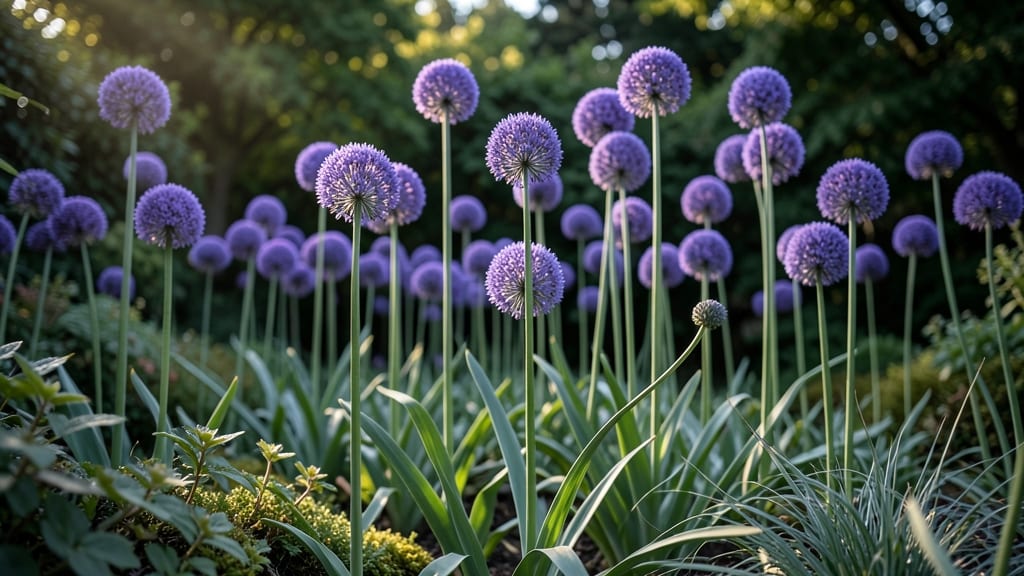
Need a vertical pop in your shaded garden but don’t want to compromise on blooms? Alliums are the answer—these ornamental onions produce spherical purple flower heads on stems that reach 2-4 feet tall, making them perfect for adding drama to borders where other plants stay short.
Unlike many shade bulbs, alliums thrive in partial to full shade and prefer well-drained soil with average moisture. Plant bulbs 6-8 inches deep in fall for spring blooms, and choose varieties like 'Purple Sensation' or 'Globemaster' for the most striking height. Their late spring to early summer bloom time fills gaps when other shade plants are still waking up.
These low-maintenance bulbs are ideal for gardeners who want bold structure without high upkeep—perfect for cutting gardens, cottage-style beds, or even container plantings. 🌟
Tulips for Partial Shade
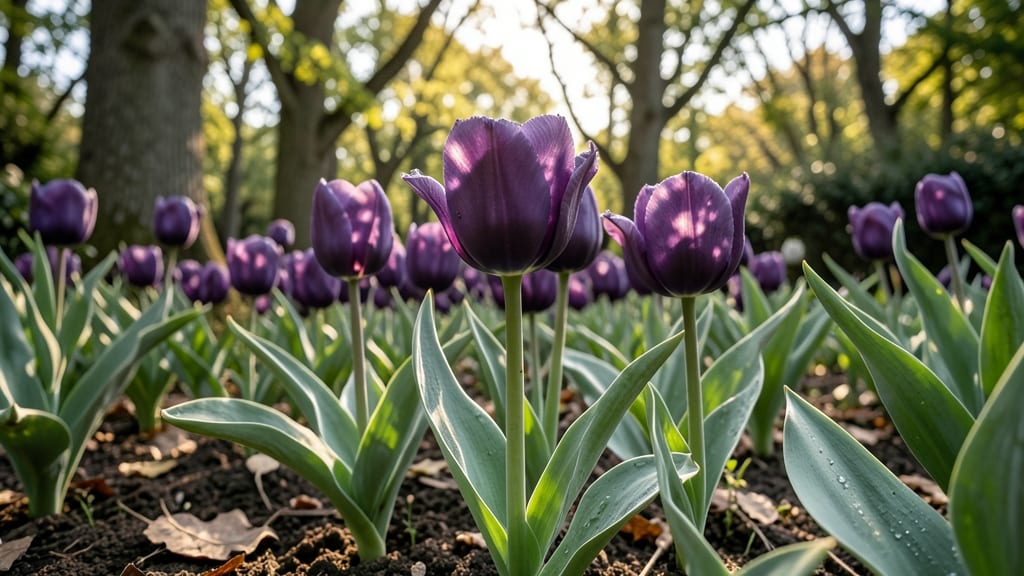
Want to brighten up your garden where sunlight is scarce? Tulips aren’t just for sunny borders—some varieties actually thrive in partial shade, especially where light filters through trees. The 'Queen of Night' tulip, for example, blooms beautifully in dappled shade, producing deep purple flowers that stand out against green foliage.
For best results, plant tulip bulbs in well-draining soil with 3-6 hours of filtered light daily. Avoid soggy soil, and mulch around the base to retain moisture. These shade-tolerant tulips often bloom slightly later than their sun-loving counterparts but reward you with bold colors in late spring when few other bulbs are in season.
Perfect for gardeners with mature trees or north-facing beds, these tulips bring drama where other spring bloomers struggle. Their low-maintenance nature makes them ideal for busy gardeners too. 🌷
Fritillaria for Woodland Gardens
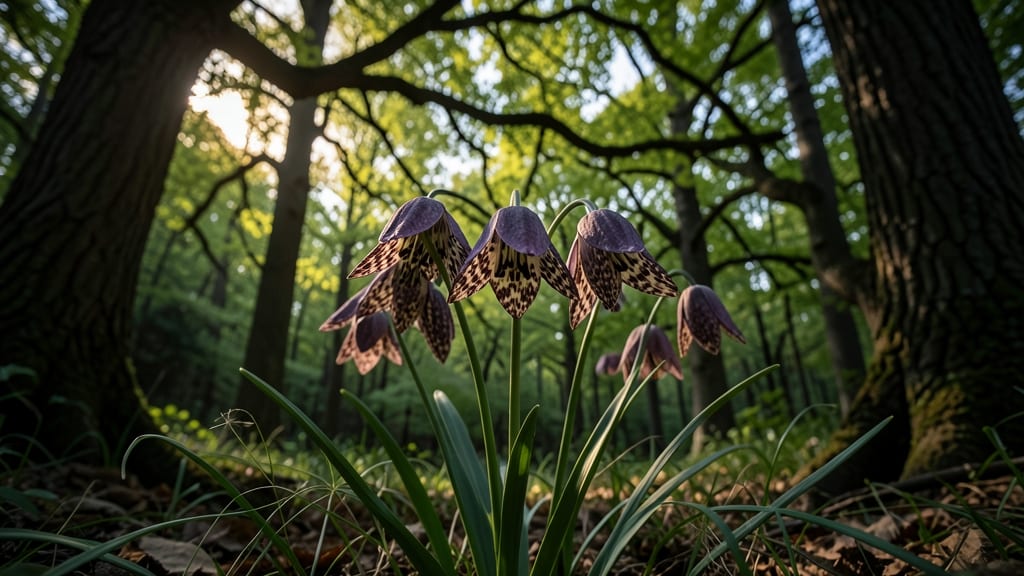
Looking for a bulb that turns your deepest, darkest garden corners into a hummingbird magnet? Fritillaria delivers with its striking checkered bell-shaped blooms that thrive where most plants refuse to grow, including under dense tree canopies.
These woodland specialists bloom in late spring to early summer, producing fragrant flowers that attract hummingbirds while their grass-like foliage remains evergreen in many varieties. Plant bulbs 6-8 inches deep in well-draining, humus-rich soil during fall, and they'll naturalize beautifully over time. Varieties like Fritillaria meleagris (snake's head fritillary) create stunning drifts in cottage gardens, while Fritillaria persica offers intense fragrance.
Perfect for gardeners with mature shade gardens, fritillaria brings unexpected drama and pollinator appeal to areas where few other bulbs succeed. Their unique foliage and flowers make them conversation pieces that reward patience with years of effortless beauty. 🌟
Camassia for Wet Shade

Transform your soggy, shady spots into a striking focal point with camassia, nature’s answer to bluebonnet lovers who crave drama in damp conditions. These wetland natives produce towering spikes of sky-blue flowers (up to 5 feet tall!) that thrive where most bulbs would drown—think pond edges, bog gardens, or rain garden centers.
Plant camassia bulbs 6-8 inches deep in consistently moist, well-draining soil in early spring or fall, spacing them 6-12 inches apart for that wildflower meadow effect. They prefer partial to full shade and multiply aggressively, creating naturalizing colonies that spread gracefully over time. Their late spring to early summer blooms (May-July) align perfectly with pollinator season, attracting bees and butterflies to your garden.
Ideal for gardeners with wet, shaded areas that need height and color, camassia delivers the wow factor with minimal effort. Pair it with ferns or hostas for a lush, layered look that feels both wild and intentional. 🌻