
Orchid Care
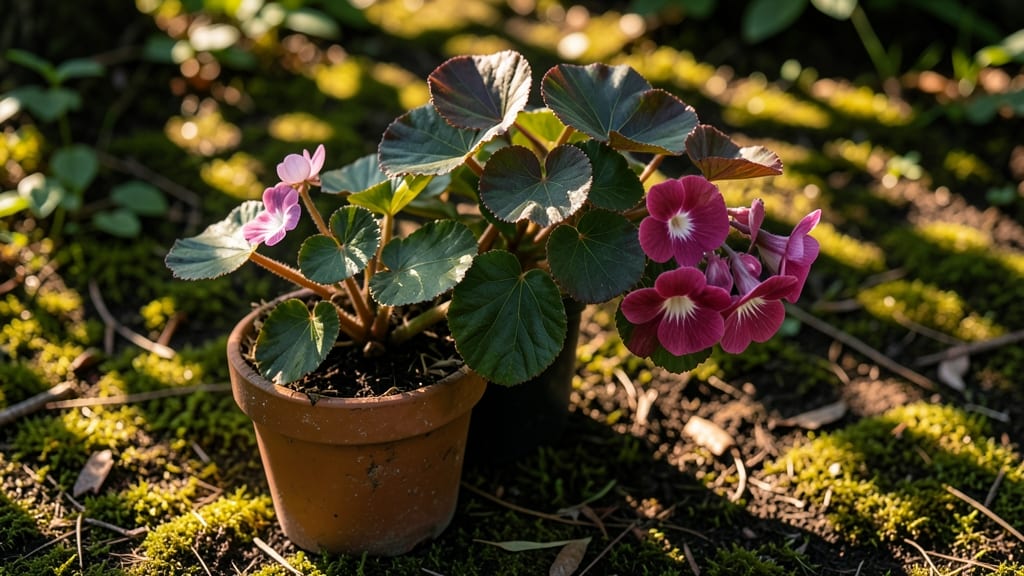
Mastering the balance of begonia full sun or shade is key—these beauties flourish in bright, indirect light, but how much sun can they handle? 🌸 The answer depends on your variety, and getting it wrong can mean weak blooms or crispy leaves.
Picture this: your begonia sits on a west-facing windowsill, basking in afternoon rays. By noon, the edges of its leaves start to curl, and by evening, they’re crispy. That’s a classic sign of too much direct sun — but the fix isn’t just moving it to shade.
Some begonias, like tuberous types, can handle a few hours of morning sun, while rex begonias prefer filtered light all day.
Most gardeners assume "partial shade" means deep shadow, but begonias actually crave bright, diffused light — think dappled sunlight under a tree or an east-facing window. The key is avoiding the harsh midday glare that turns leaves into sunburn victims.
Below, I’ll break down the best spots for your begonias, whether you’re growing them indoors or outdoors, and how to spot when they’re getting just the right amount of light.
You’ll also discover how to adjust care based on your climate, from using sheer curtains to block intense afternoon sun to supplementing with grow lights in dim winter months. By the end, your begonias will be blooming like crazy — no more guesswork, just thriving plants.

Understanding begonia light needs: full sun vs. partial shade explained
Begonias are beloved for their stunning foliage and delicate blooms, but their light needs can be confusing. Many gardeners assume these plants thrive in full sun, only to watch their leaves scorch or flowers wilt.
The truth? Most begonias prefer partial shade, but there are exceptions. Let’s break down how much light each type needs and why getting it wrong can stunt your plant’s growth.
First, it’s critical to understand that begonias aren’t one-size-fits-all. Tuberous begonias, for example, can handle more direct sunlight than their rex or wax cousins. Meanwhile, rex begonias—with their striking, colorful leaves—often suffer in bright light, developing bleached or crispy edges.
The key is matching the variety to its ideal light conditions to ensure vibrant foliage and abundant blooms.
Here’s where many gardeners go wrong: assuming bright indirect light means full sun. While indirect light is gentle, direct sunlight—even for just a few hours—can be too intense.
Think of it like a sunburn for your plant: too much exposure leads to leaf scorch, while too little causes leggy, weak stems and sparse blooming. Let’s clarify the differences with a quick comparison.
Now that you’ve seen the breakdown, let’s dive deeper into why partial shade is often the sweet spot for begonias. These plants originate from tropical and subtropical regions where they grow under the canopy of larger trees. This means they’re adapted to filtered sunlight that’s bright but not harsh.
When you place a begonia in full sun—especially in hot climates—you’re essentially giving it a sunburn. The leaves may develop brown or white patches, and the plant can become stressed, leading to fewer blooms or even death.
On the flip side, too little light causes its own set of problems. Begonias left in low-light conditions become leggy and spindly as they stretch toward any available light source. This is their survival mechanism, but it results in weak stems that can’t support heavy foliage or blooms.
Additionally, the leaves may turn pale or lose their vibrant colors, which is especially noticeable in varieties like rex begonias that rely on colorful foliage for their appeal.
If you’re growing begonias outdoors, the best approach is to provide morning sun and afternoon shade. This mimics their natural environment and gives them the gentle light they crave without the risk of leaf scorch.
For indoor plants, position them near an east-facing window, where they’ll receive soft, indirect light for most of the day. Avoid south- or west-facing windows, which can deliver intense afternoon sun that’s far too harsh.
For gardeners in hot climates, consider using sheer curtains or lattice screens to filter sunlight. These tools can reduce the intensity of direct rays while still allowing enough light for healthy growth. Alternatively, you can place begonias under larger plants or trees that provide natural shade during peak sun hours.
The goal is to create a microclimate where your begonias feel protected yet still receive adequate light.
One common misconception is that bright indirect light means the same thing as full sun. While both terms describe light exposure, their intensity differs dramatically. Bright indirect light—like what you’d find under a sheer curtain or in a dappled shade garden—is gentle and diffused.
Full sun, however, delivers unfiltered rays that can quickly become too intense. Think of it like the difference between a soft glow and a harsh spotlight—your begonias will thank you for the gentler approach.
To test whether your begonias are getting the right amount of light, observe their <
Signs your begonia is getting too much sun or not enough light
Your begonia might be silently screaming for help if its leaves are showing unusual patterns. Too much sun causes bleached or crispy edges, while too little light leads to leggy stems and sparse blooms.
Both extremes stress your plant, but the good news is these signs are easy to spot—and fix!
Start by checking your begonia’s leaves for yellowing or browning along the edges. This is a classic sign of sunburn, where direct rays cook the delicate foliage.
On the flip side, if new growth is pale and stretched, your plant is reaching for more light, a condition called etiolation. Both problems disrupt your begonia’s natural beauty.
Too Much Sun ⚠️
- Brighter foliage (if variety tolerates it)
- Faster growth in some tuberous types
- Bleached leaves (white/yellow patches)
- Crispy edges (dried, papery texture)
- Stunted blooms or none at all
Not Enough Light ⚠️
- Soft, lush leaves (ideal for rex begonias)
- Lower water needs (less evaporation)
- Leggy stems (weak, stretched growth)
- Fewer blooms or none at all
- Pale, weak leaves (loss of color)
To diagnose your begonia’s light stress, perform a quick light audit. Hold your hand near the plant—if you can’t see your shadow clearly, it’s likely getting too much sun.
For low-light conditions, check if nearby plants are thriving; if they’re struggling too, your begonia needs brighter light. A simple window test works too: place the pot near an east-facing window for morning sun or a north-facing window for gentle light.
Fix sunburned leaves by moving your begonia to a shadier spot, like under a sheer curtain or a lattice screen.
For leggy stems, rotate the pot weekly to encourage even growth and supplement with a grow light (12–14 hours/day) if indoors. Prune overly stretched stems to redirect energy to healthier growth.
Pro tip: Tuberous begonias handle slightly more light than rex or wax begonias. If your plant is blooming but leaves are crispy, it’s getting too much sun—move it to partial shade (6 hours of morning sun max).
For non-blooming rex begonias, the issue is usually low light, not too much!
Regularly monitor your begonia’s light conditions by checking leaf color and stem strength. Adjust placement seasonally: what works in spring may be too harsh in summer. With the right light, your begonia will reward you with vibrant blooms and glossy leaves all season long. 🌸