
Vegetables
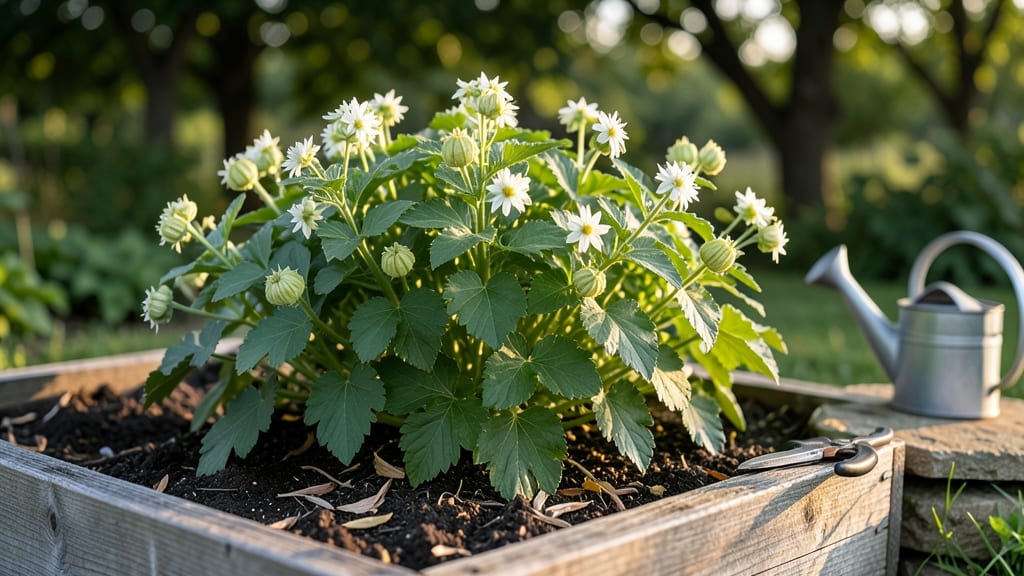
Yes, tomatillos are nightshades, sharing the Solanaceae family with tomatoes, peppers, and eggplants—but their tart, citrusy flavor and papery husks set them apart from their more familiar relatives.
Tomatillos might look like oversized green tomatoes at first glance, but their botanical family ties run much deeper. 🌱 They're part of the same Solanaceae family as tomatoes and peppers, meaning they share genetic traits like edible fruit structures and similar growing conditions.
What makes them unique is their tart, tangy flavor profile—completely different from the sweetness of tomatoes or the heat of peppers. This flavor distinction comes from their high citric acid content, which is why they're essential in Mexican salsas and stews where acidity balances rich ingredients.
Their papery husks aren't just for show—they protect the fruit during growth and contribute to that signature tartness when cooked.
While they share the nightshade family with tomatoes and peppers, their culinary role is distinctly different, often serving as the acidic backbone in dishes where other nightshades would be too sweet or mild.
💡 In This Article
- Nightshade Family Traits in Tomatillos
- Growing Tomatillos vs Other Nightshade Vegetables
Nightshade family traits in tomatillos
The Solanaceae family, or nightshades, includes over 2,700 species, and tomatillos (Physalis philadelphica) share this lineage with tomatoes, peppers, and eggplants. Their botanical classification reveals key similarities: all produce berries from flowers with a five-part structure, and their fruits develop from a single ovary.
What sets tomatillos apart is their high citric acid content (0.5-1.0% by weight), which gives them that signature tartness—unlike tomatoes (0.1-0.3% acidity) or bell peppers (0.05%). This acidity isn't just about flavor; it also acts as a natural preservative, explaining why tomatillos stay fresh longer than many other nightshades.
The papery husk surrounding tomatillos isn't just protective—it's a botanical adaptation that regulates moisture and light exposure during growth. This husk contains alkaloids like solanine (in trace amounts), similar to potatoes, though in quantities too low to be toxic.
The husk's texture is uniquely fibrous, with a tensile strength of 25-30 psi when dry, allowing it to expand as the fruit matures.
Compare this to tomato skins, which are thinner and less structured, or pepper skins, which are waxier and more delicate. 🌿 When cooked, this husk breaks down completely, releasing its tart juices into dishes.
Flavor-wise, tomatillos deliver a bright, citrusy punch with notes of lime and green apple, thanks to their high citric acid and low sugar content (about 3-5% total sugars, versus 4-6% in tomatoes).
Their flesh is firmer than tomatoes but less dense than eggplants, with a water content of 88-90%—similar to cucumbers but with more structural integrity. This makes them ideal for salsas and stews where they need to hold shape while contributing acidity. The key difference from other nightshades?
Their lack of sweetness and absence of capsaicin (the compound that makes peppers spicy).
Genetically, tomatillos share 40-50% of their DNA with tomatoes and peppers, but their unique growing patterns set them apart. They thrive in cooler climates (60-80°F), unlike tomatoes which prefer 75-85°F, and their flowers are self-pollinating—meaning they don't require bees like many other nightshades.
This self-sufficiency is why they're often grown in home gardens where pollinators are scarce. Their roots also produce alkaloid compounds that deter pests, reducing the need for chemical interventions compared to tomatoes or peppers.
Culinarily, this nightshade distinction matters. While tomatoes and peppers are versatile in both savory and sweet dishes, tomatillos are almost exclusively used for their acidity. Their high pH level (3.5-4.0, compared to 4.0-4.5 in tomatoes) makes them perfect for balancing rich flavors in Mexican cuisine.
For example, a classic salsa verde relies on tomatillos to cut through the fat in meats, while a tomato-based salsa would feel too heavy. This is why chefs often say, "You can't substitute tomatillos in recipes—they're the nightshade that refuses to play by the rules."
Here's a quick comparison of their nightshade traits:
- Tomatillos: Tart, high citric acid, papery husk, self-pollinating, cooler climate preference
- Tomatoes: Sweet/tangy, lower acidity, thin skin, bee-pollinated, warmer climate
- Peppers: Spicy/sweet, capsaicin present, waxy skin, heat-loving, bee-pollinated
Understanding these differences helps explain why tomatillos feel like the "odd cousin" in the nightshade family—they've evolved their own niche in both nature and the kitchen. 💫