
Shrubs
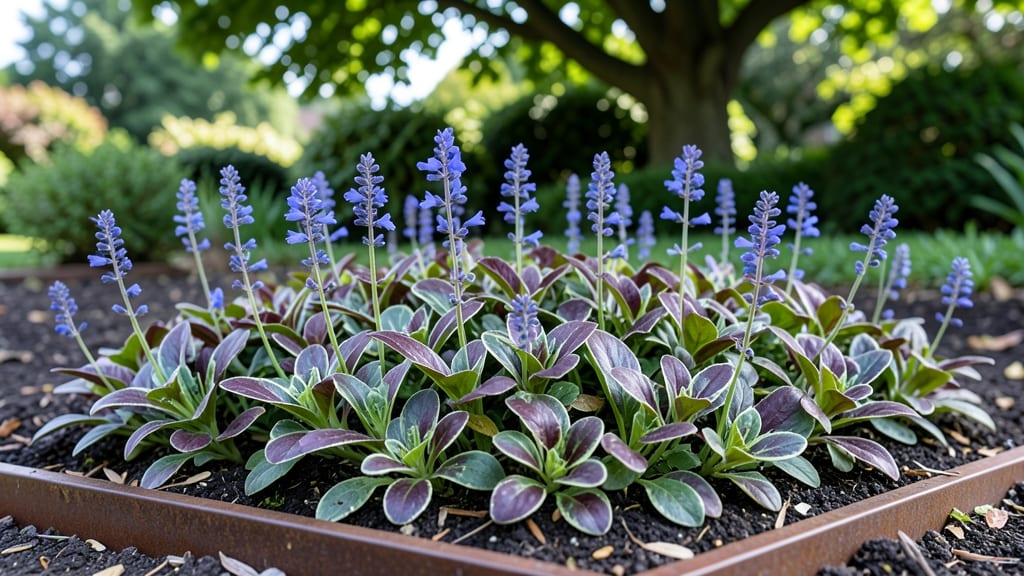
Ajuga for shade turns your darkest garden corners into lush, low-maintenance carpets. 🌿 I’ve watched this plant spread effortlessly under trees where nothing else survives, its purple spikes rising like tiny flags in the gloom. The secret?
It thrives where most plants give up, forming dense mats that choke out weeds and keep soil moist—perfect for problem areas. You’ll need partial to full shade, moist but well-draining soil, and patience—ajuga spreads aggressively but predictably.
Plant in early spring or fall, spacing clusters 12-18 inches apart for that velvety green blanket effect. The foliage alone is stunning, but in spring, those blue-purple flower spikes add vertical drama without stealing sunlight from nearby plants.
By summer, you’ll have a self-sustaining ground cover that needs almost no care—just occasional trimming to control spread. The deep green leaves stay vibrant all season, and deer usually leave it alone (a rare win!). It’s the ultimate shade plant for lazy gardeners who still want beauty.
Works under trees, along fences, or in rocky spots where grass won’t grow. Here’s how to make it work for you—no black thumb required.
📚 In This Guide
- What you need
- Instructions
- Tips and common mistakes
- Wrapping up and next steps
What you need
- ● Ajuga plants: 5–10 healthy nursery-grown plants (choose varieties like Ajuga reptans ‘Chocolate Chip’ or ‘Catlin’s Giant’ for bold foliage).
- ● Well-draining soil: Mix 2 parts native soil with 1 part compost or peat moss (ajuga hates soggy roots!).
- ● Mulch: 2–3 inches of organic mulch (shredded bark or pine needles) to retain moisture and suppress weeds.
- ● Watering can or hose: With a gentle spray nozzle for even hydration.
- ● Garden gloves: A pair to protect your hands from soil and sharp mulch.
- ● Hand trowel or garden fork: For digging small holes (6–8 inches deep).
- ● Measuring tape or ruler: To space plants 12–18 inches apart (they’ll spread over time!).
- ● Pruning shears: For trimming spent flowers or overgrown foliage in late winter.
- ○ Optional but helpful: Slow-release fertilizer (balanced 10-10-10) for nutrient boosts.
- ● Edging tool to define plant borders neatly.
- ● Shade cloth (if your area gets partial shade and you want extra protection).
Step-by-Step guide to planting and maintaining ajuga in shady spots
Ajuga thrives where most plants struggle—here's how to turn dark corners into lush, low-maintenance ground cover.
🌱 Step 1: Prepare the Planting Site
Ajuga tolerates shade but performs best in partial shade (4-6 hours of morning sun) with moist, well-draining soil. Clear the area of weeds and loosen the top 6 inches of soil with a garden fork. Ajuga spreads aggressively, so space plants 12-18 inches apart to avoid overcrowding later.
If your soil is heavy clay, mix in 2-3 inches of compost to improve drainage. Ajuga roots prefer moisture but will rot in soggy conditions—amend poorly draining soil with sand or perlite if needed. Test the soil pH; ajuga thrives in slightly acidic to neutral (6.0-7.0) conditions.
🪴 Step 2: Plant Ajuga Correctly
Dig a hole twice as wide as the root ball but no deeper. Gently remove the plant from its container and tease the roots if they're circling. Place it in the hole so the top of the root ball sits level with the surrounding soil—burying too deep encourages rot, while planting too high stresses the plant.
Fill the hole with soil and press firmly around the base to eliminate air pockets. Water deeply until moisture seeps 2 inches below the surface. Ajuga establishes quickly, but consistent moisture in the first 2-3 weeks prevents transplant shock.
☀️ Step 3: Provide Care for Healthy Growth
Ajuga needs moderate watering—keep the soil evenly moist but not soggy. Water at the base rather than overhead to prevent fungal diseases like powdery mildew. Once established, ajuga tolerates drought conditions but may produce fewer flowers during dry spells.
Fertilize lightly in early spring with a balanced, slow-release fertilizer (10-10-10). Avoid high-nitrogen fertilizers, which encourage leafy growth at the expense of flowers. Ajuga spreads via underground runners, so you’ll see new shoots appear 3-4 inches from the parent plant within a season.
✂️ Step 4: Prune and Maintain Year-Round
Cut back faded flower spikes in late spring to encourage a second flush of blooms. In early spring, trim back any yellowed or damaged leaves to promote fresh growth. Ajuga rarely needs division, but if it spreads too aggressively, dig up rhizomes in fall and replant sections elsewhere.
Watch for slugs and snails—they adore tender ajuga leaves. Handpick pests in the evening when they're most active, or use organic slug bait around the perimeter. Ajuga’s dense foliage naturally suppresses weeds, so mulch lightly with 2 inches of shredded bark to retain moisture and regulate soil temperature.
⏰ Step 5: Overwintering and Long-Term Care
Ajuga is hardy in zones 3-9 and requires no special winter care. In colder climates (zones 3-5), a 2-3 inch layer of mulch protects roots from freeze-thaw cycles. In hot summers, ensure the soil stays moist—ajuga’s deep green leaves wilt under drought stress.
Divide clumps every 3-5 years to rejuvenate growth. Dig up sections in early spring or fall, separate the rhizomes, and replant. Ajuga’s vibrant foliage and spring blooms make it a year-round performer—once established, it needs minimal intervention to thrive.
Tips & tricks for perfect ajuga in shade
These simple strategies will help you get the most out of your ajuga and keep it thriving in those tricky shaded spots.
Lighting Secrets: Ajuga tolerates shade but truly shines with 4-6 hours of morning sun—this is the sweet spot for vibrant foliage and abundant blooms. If your spot gets no direct sun, position ajuga near a north-facing window or under the dappled light of taller trees. I've seen ajuga in full shade still perform, but the leaves lose some of their signature purple hues.
Soil Prep Pro Tip: The 6-inch soil loosening in Step 1 isn't just about aeration—it's about creating the perfect moisture balance. For heavy clay soils, I recommend mixing in 2-3 inches of compost AND adding 1 part perlite to 3 parts soil by volume. This combo prevents that dreaded soggy soil while still keeping roots hydrated. Test your soil's moisture by squeezing a handful—it should hold together but not be sticky.
Planting Precision: When planting, the level soil placement is more important than you might think. If the root ball sits too high, the plant will struggle to establish roots downward. I always press the soil firmly around the base to eliminate air pockets—this helps the roots make immediate contact with moisture. For containers, use a pot with drainage holes and fill the bottom 1 inch with gravel to prevent root rot.
Watering Wisdom: The 2-inch moisture depth after planting is crucial, but don't overdo it. Once established, ajuga's deep roots make it surprisingly drought-tolerant. I water mine when the top 1 inch of soil feels dry to the touch. The key is consistency—ajuga hates both soggy soil and bone-dry conditions. A soaker hose works wonders for even moisture distribution without wetting the leaves.
Pro Tips for Ajuga For Shade
- These simple strategies will help you get the most out of your ajuga and keep it thriving in those tricky shaded spots.
- Lighting Secrets: Ajuga tolerates shade but truly shines with 4-6 hours of morning sun—this is the sweet spot for vibrant foliage and abundant blooms.
- Soil Prep Pro Tip: The 6-inch soil loosening in Step 1 isn't just about aeration—it's about creating the perfect moisture balance.
Frequently asked questions
Got questions about growing ajuga for shade? You’re not alone! Here are some of the most common queries—and expert answers—to help you master this hardy ground cover.
Can ajuga grow in full shade?
Ajuga (like Ajuga reptans) thrives in full to partial shade, making it perfect for shady gardens, under trees, or north-facing spots. Just ensure it gets at least 4–6 hours of indirect light daily for best foliage color and blooms. Too little light? Expect slower growth but still reliable coverage.
When is the best time to plant ajuga?
Plant ajuga in early spring or early fall for ideal results. This timing lets roots establish before extreme heat or cold. Avoid planting in peak summer—the heat can stress young plants. If you’re adding it to an existing garden, water deeply after planting to encourage root growth.
What pests or diseases should I watch for?
Ajuga is disease-resistant and rarely troubled by pests, but keep an eye out for:
- Slugs/snails: They love young leaves. Use beer traps or diatomaceous earth if needed.
- Powdery mildew: Improve airflow by spacing plants 12–18 inches apart and avoid overhead watering.
- Japanese beetles: Rare, but handpick them if spotted on flowers.
Pro tip: Healthy soil = fewer problems! Mulch around plants to deter pests and retain moisture.
What are some alternatives to ajuga for shady areas?
If ajuga isn’t your style, try these shade-loving ground covers:
- Hosta: Lush foliage but attracts slugs.
- Lungwort (Pulmonaria): Unique spotted leaves and early blooms.
- Sweet woodruff (Galium odoratum): Fragrant, low-growing, and drought-tolerant.
- Creeping Jenny (Lysimachia nummularia): Bright yellow foliage (needs moist soil).
Each has its own charm—pick based on your garden’s light, soil, and maintenance preferences!
Why is my ajuga turning yellow or brown?
Yellowing or browning leaves usually signal overwatering, underwatering, or fungal issues. Check these fixes:
Issue
Solution
Yellow leaves (lower first)
Too much water. Let soil dry slightly between waterings.
Brown, crispy edges
Underwatering or dry air. Mulch and water deeply 1–2x/week.
Mushy stems or spots
Fungal disease. Remove affected parts, improve drainage, and avoid wetting foliage.
Pro tip: Ajuga tolerates drought once established but prefers consistently moist (not soggy) soil.
Wrapping up and next steps
Ajuga for shade is your secret weapon for transforming dull, dark corners of your garden into lush, vibrant spaces with minimal effort! 🌿 Whether you're drawn to its striking foliage, low-maintenance charm, or pollinator-friendly blooms, this hardy ground cover delivers year after year. Ready to elevate your garden? Grab some ajuga, get planting, and watch your shady spots flourish—your future garden will thank you!
🌱 Next Steps:
- Pick your variety: Choose between Ajuga reptans for classic looks or Ajuga pyramidalis for a bold twist.
- Start small: Try a 4-inch pot or a few bare-root plants to test your space.
- Share the love: Snap a photo of your thriving ajuga and tag us—we’d love to see your shade garden magic!