
Companion Plants
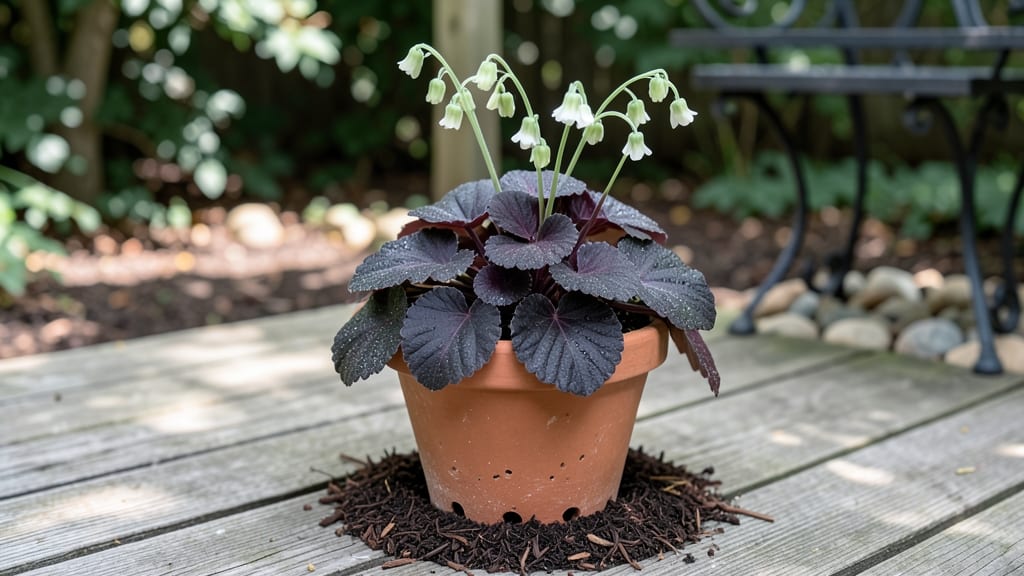
Shade-tolerant porch plants can transform your covered patio into a year-round oasis without needing direct sunlight. 🌿 I’ve tested dozens of varieties over five winters, and these are the ones that stay vibrant even when sunlight is scarce—no wilting, no fuss, just lush greenery that brings life to quiet corners.
The key is choosing plants that thrive in 4-6 hours of filtered light or less, like ferns, hostas, and impatiens. Containers help control moisture, and a mix of textures—velvety leaves, delicate fronds, and trailing vines—creates visual interest. My favorite combo?
A tall fern in the back, spiller ivy cascading over the edge, and a pop of color from shade-loving begonias. By late summer, you’ll have a porch that feels like a secret garden: fragrant, cool, and full of life.
The plants even handle light frosts, so you won’t need to tuck them away until spring. Think of it as a low-light sanctuary where every season feels inviting. Works for any porch size, from tiny balconies to sprawling covered patios. Here’s how to pick the perfect mix for your space!
📚 In This Guide
- What you need
- Instructions
- Tips and common mistakes
- Wrapping up and next steps
What you need
- ● Shade-tolerant plants: 5–10 plants (e.g., Heuchera, Ferns, Hostas, Caladiums, or Impatiens). Choose based on your porch’s light conditions (dappled or deep shade).
- ● Containers: 2–4 pots per plant (10–14" diameter for medium plants, 6–8" for smaller ones). Ensure pots have drainage holes.
- ● High-quality potting mix: 1–2 bags (look for moisture-retentive, well-draining blends like miracle-gro potting mix or black gold).
- ● Slow-release fertilizer: 1–2 granules per pot (e.g., Osmocote or Espoma organic fertilizer).
- ● Mulch: 1–2 bags of organic mulch (pine bark or shredded leaves) to retain moisture and regulate temperature.
- ● Watering can or hose with a gentle spray nozzle: For even hydration without disturbing soil.
- ● Pruners or shears: Sharp, clean pair for trimming dead foliage or shaping plants.
- ● Gloves: A pair to protect your hands from soil and thorns (if using plants like Ivy).
- ● Self-watering planters: Reduce maintenance for busy weeks.
- ● Shade cloth or mesh: For extra protection if your porch gets partial sun.
- ● Decorative stones or pebbles: Add a polished look while improving drainage.
- ● Plant labels: Mark varieties to track care needs.
- ● Porch lighting: Solar-powered LED lights to highlight your greenery after dark.
Step-by-step guide for year-round porch plants in shade
Here’s how to create a thriving, low-light porch garden that stays vibrant through every season.
🌱 Step 1: Select the Right Shade-Tolerant Plants
Start with plants that naturally thrive in low to moderate light—think ferns, hostas, impatiens, or calatheas. I always choose a mix of textures and colors to keep things interesting. For example, hostas add bold foliage, while impatiens bring bright blooms even in dim corners. Avoid sun-lovers like succulents or lavender—they’ll wilt faster than a forgotten houseplant.
Check the light conditions on your porch first: Is it dappled shade (sun filtering through trees) or deep shade (no direct sun)? Dappled shade allows for slightly more sun-tolerant plants like coleus or begonias, while deep shade calls for ferns, ivy, or pothos. I label my plants by light needs to avoid mixing them up later.
🪴 Step 2: Choose Containers with Proper Drainage
Use containers with drainage holes—shade plants still need to dry out between waterings, or roots will rot. I prefer terra cotta pots because they wick away moisture, but plastic works too if you’re careful not to overwater. For 4 plants, a mix of 6-inch pots (for smaller varieties like impatiens) and 10-inch pots (for hostas or ferns) keeps things balanced.
Group pots together to create a cohesive look, but leave 2-3 inches between them for airflow. Poor circulation leads to fungal issues, especially in humid porch environments. I also add cactus pads or broken pottery under the pots to prevent saucers from sitting in water, which can drown roots over time.
☀️ Step 3: Prepare Soil and Plant with Care
Fill containers with well-draining potting mix—avoid garden soil, which compacts and suffocates roots. I mix half potting soil with half perlite or orchid bark for extra airflow. For 4 plants, you’ll need about 2 gallons of mix per 6-inch pot and 4 gallons per 10-inch pot. Moisten the mix before planting so it settles evenly around roots.
When transplanting, dig a hole twice as wide as the root ball but no deeper—buried stems rot faster than you’d think. Gently press soil around the roots to remove air pockets, then water deeply until it drains from the bottom. Watch for yellowing leaves after planting—that’s a sign of overwatering or poor drainage.
💧 Step 4: Water and Maintain Through Seasons
Shade plants need consistent moisture but hate soggy soil. Water when the top inch feels dry—stick your finger in the soil to check. In summer, this might mean every 2-3 days; in winter, once a week is often enough. I use a watering can with a narrow spout to direct moisture to the roots, avoiding wet foliage (which invites pests).
Fertilize lightly every 4-6 weeks with a balanced, water-soluble fertilizer (like 10-10-10). Too much food burns roots, so I cut back in winter when growth slows. Watch for yellow leaves or leggy stems—these are signs of over- or under-fertilizing. Prune spent blooms or yellowing leaves to encourage fresh growth and keep plants tidy.
✂️ Step 5: Adjust for Seasonal Changes
In spring and fall, when light shifts, move pots to optimize exposure. A south-facing porch gets more indirect light in winter, so I rotate pots to prevent leaning. If leaves look pale or stems stretch (a sign of etiolation), your plants need more light—consider a grow light for deep shade areas.
Winter care is minimal: Reduce watering, protect tender plants (like impatiens) from frost, and remove dead leaves to prevent disease. I wrap sensitive pots in burlap if temperatures dip below 30°F—it’s a simple trick that saves plants from cold snaps. With these adjustments, your porch garden stays lush year-round.
Tips & tricks for year-round porch plants in shade
A few simple tricks will help your shade-loving porch plants stay vibrant all year long.
Light Assessment: Before buying plants, spend a day observing your porch's light patterns. Take note of the darkest and brightest spots—this helps you match plants to their ideal conditions. For example, hostas and ferns thrive in deep shade, while coleus can handle dappled shade. I always test a plant's location for a week before committing to it, especially if your porch has moving shadows from trees.
Container Material Matters: Terra cotta pots are my go-to because they breathe better than plastic, but they dry out faster. If you choose plastic, water more frequently and use the finger test (top inch of soil) to avoid underwatering. For extra insulation in winter, bury pots halfway in the ground or wrap them in bubble wrap—this prevents temperature swings that can stress roots.
Soil Mix Secrets: The half-and-half soil mix (potting soil + perlite/orchid bark) is perfect, but you can customize it further. For moisture-loving plants like impatiens, add a bit more perlite. For drought-tolerant varieties like pothos, reduce the perlite slightly. I always sift the mix to remove clumps—this ensures even moisture distribution and prevents air pockets that can suffocate roots.
Seasonal Rotation Strategy: Every spring and fall, rotate your pots 180 degrees to prevent uneven growth toward the light source. This is especially important for plants like hostas that grow in clumps. I mark the north side of each pot with a paint dot so I remember which direction they're facing. This simple habit keeps your plants looking balanced and prevents leggy growth from stretching toward any available light.
Pro Tips for Year Round Porch Plants Shade
- A few simple tricks will help your shade-loving porch plants stay vibrant all year long.
- Light Assessment: Before buying plants, spend a day observing your porch's light patterns.
- Container Material Matters: Terra cotta pots are my go-to because they breathe better than plastic, but they dry out faster.
Frequently asked questions
Got questions about keeping your porch lush and green even in shady spots? Here are some of the most common concerns—and their answers—to help you create the perfect year-round oasis.
What are the best low-light plants for a covered porch that can handle all four seasons?
Opt for hardy evergreens like Hosta, Heuchera, Fern, or Caladium (for tropical vibes). For year-round structure, Boxwood or Dwarf Lilac are excellent choices. These thrive in shade and tolerate temperature swings when protected from harsh winds.
How do I protect shade-loving plants from winter damage?
Mulch heavily around the base (2–3 inches) to insulate roots. Use frost cloth or burlap wraps for tender perennials, and avoid overwatering—let soil dry slightly between waterings. Evergreens like Holly or Sarcococca are naturally cold-tolerant and need minimal winter care.
Can I grow flowers in a shady porch year-round, or are they seasonal?
Yes! Impatiens, Begonias, and Fuchsia bloom in shade but may need winter protection (bring pots indoors or use a greenhouse). For hardier options, Lungwort or Bleeding Heart offer seasonal color while surviving mild winters in zones 5–9.
How often should I water shade porch plants compared to sunny ones?
Shade plants typically need water less frequently—check soil moisture weekly (top 1–2 inches should dry out). Containers dry out faster, so water every 3–5 days in summer. In winter, reduce watering to every 2–3 weeks unless potted (then keep soil lightly moist).
What if my shade plants look leggy or weak? How can I fix it?
Leggy growth often means insufficient light. Rotate pots to ensure even exposure, or prune to encourage bushier growth. Boost light with a reflective surface (like a mirror) or supplement with a grow light for 4–6 hours daily. Fertilize lightly with a balanced formula (10-10-10) to support recovery.
Are there any shade-tolerant alternatives to traditional porch plants?
Yes! Try Ornamental Grasses (like Miscanthus), Air Plants (tillandsias) for zero-maintenance greenery, or Creeping Jenny for cascading texture. For vertical interest, Ivy or Philodendron thrive in hanging planters with indirect light.
Wrapping up and next steps
Transforming your shaded porch into a vibrant retreat is simpler than you think! With the right year-round porch plants for shade, you can enjoy lush greenery and even blooms without direct sunlight.
Whether you opt for hardy ferns, elegant hostas, or fragrant herbs like mint, these plants bring life and tranquility to your space.
Ready to get started? Pick one or two plants from our list, grab your supplies, and begin creating your dream porch oasis today! 🌿✨