
Flowers
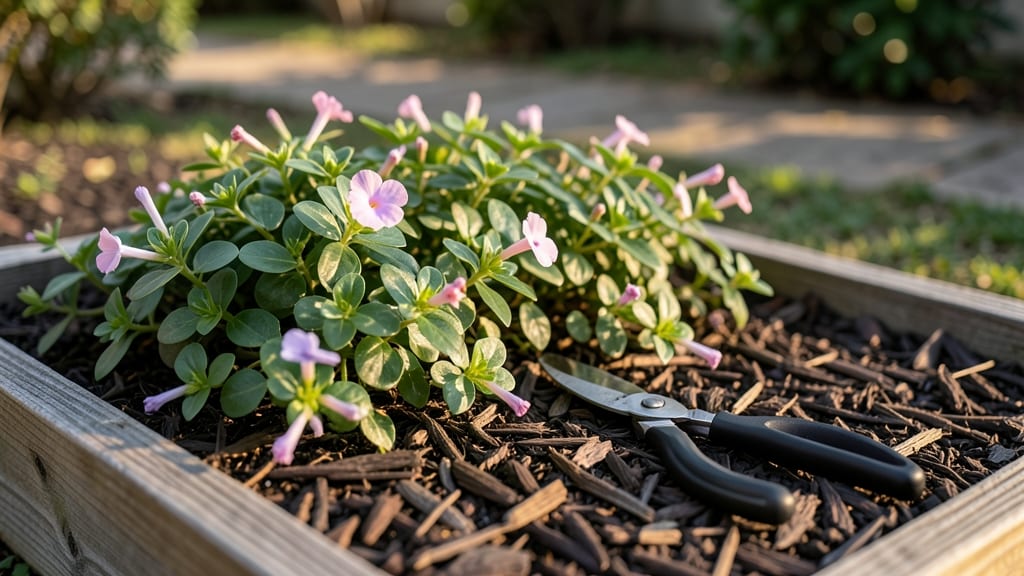
Vinca flowers thrive in sun or shade 🌸, making them one of the most versatile plants for gardeners who want year-round color without the fuss.
Struggling to keep your garden vibrant year-round? Vinca flowers thrive in both sun and shade, offering bold foliage and cheerful blooms with minimal fuss—making them the perfect low-maintenance solution for any light condition.
Whether your yard gets full sun exposure or sits in a shady corner, vinca adapts effortlessly. This adaptability means you can plant them under trees, along fences, or in containers without worrying about light levels.
In this guide, I’ll break down the best vinca varieties for sun vs. shade, how to plant and care for them in different light settings, and creative ways to use them to brighten up your garden all season long.
 Best Window Placement
Best vinca varieties for sun vs. shade gardens
Vinca flowers are garden workhorses—adapting beautifully to sunny borders or shady nooks while delivering vibrant foliage and delicate blooms. The key lies in choosing the right variety for your light conditions.
Whether you're dealing with bright afternoon sun or dappled woodland shade, vinca offers options that thrive in both extremes. Let's explore the top sun-loving vincas and shade-tolerant varieties to transform any garden space.
For full sun gardens, Vinca major (greater periwinkle) and its cultivars like 'Illumination' shine with their bright foliage colors and prolonged blooming seasons. These varieties handle 6+ hours of direct sunlight while maintaining their striking chartreuse, purple, or variegated leaves.
In contrast, Vinca minor (lesser periwinkle) excels in partial to full shade, spreading gracefully under trees where other plants struggle.
Hardiness zones play a crucial role too—most vincas thrive in USDA zones 4-9, but their foliage intensity and bloom production vary with light exposure. The right placement can mean the difference between vibrant green foliage and pale, leggy growth. Let's break down the best options for your garden's unique lighting conditions.
If your garden receives full sun exposure, prioritize Vinca major varieties like 'Illumination' or 'Homer's Glory'. These cultivars develop their most intense foliage colors when given 6+ hours of sunlight daily. Their upright growth habit makes them ideal for border plantings or container gardens on patios.
The chartreuse and purple variegation becomes even more dramatic with proper sun exposure, creating a bold visual impact.
For shade gardens, Vinca minor varieties like 'Strawberry Fields' or 'Illumination' are unbeatable. These spread aggressively
How to plant and care for vinca in different light conditions
Vinca flowers are one of the most versatile plants for gardeners, thriving in both full sun and partial shade. Whether you have a bright, sunny spot or a shady corner, vinca adapts beautifully, delivering vibrant foliage and cheerful blooms year-round.
The key to success lies in understanding how light conditions affect soil moisture, growth patterns, and maintenance needs.
For sun-loving vinca varieties, like Vinca major, expect more vigorous growth and abundant flowering, but watch for signs of leaf scorch or drought stress during hot afternoons.
In contrast, shade-tolerant vinca, such as Vinca minor, thrives with dappled light, producing lush, dark foliage and fewer—but equally stunning—blooms. Let’s dive into the step-by-step care tailored to your garden’s light conditions.
Vinca in shady spots retain moisture longer, increasing the risk of root rot or fungal diseases. Reduce watering by 30-50% compared to sun-exposed plants. In full sun, mulch heavily to retain moisture and protect roots from heat stress.
Start by preparing the soil with well-draining, slightly acidic to neutral pH (6.1-7.3). Vinca prefers loamy soil amended with compost or organic matter to improve drainage.
In sunny areas, add a 2-3 inch layer of mulch to lock in moisture, while in shaded beds, use a thinner layer to prevent excess dampness. Plant vinca in early spring or fall, spacing plants 12-18 inches apart for optimal airflow.
Watering needs vary dramatically by light exposure. In full sun, vinca requires deep watering 2-3 times per week during dry spells, while shade-grown vinca thrives on weekly watering or less.
Always water at the base of the plant in the morning to reduce evaporation and fungal risks. Overhead watering can lead to leaf spot diseases, especially in humid shade.
Pruning is essential to keep vinca looking its best. In sunny locations, trim back leggy growth in early spring to encourage bushier, fuller plants. For shade-grown vinca, prune lightly in late spring to remove dead or yellowing leaves.
Use clean, sharp shears and sterilize them with rubbing alcohol to prevent disease spread. Regular pruning also promotes more vibrant blooms and denser foliage.
Watch for common issues like leaf scorch in sun or pale, sparse growth in shade. Leaf scorch appears as brown, crispy edges and signals overheating or underwatering. Move plants to partial shade or increase mulching if this occurs.
In shade, leggy growth indicates insufficient light—consider transplanting to a brighter spot or supplementing with a grow light for container-grown vinca.
With the right care, vinca will reward you with year-round color and minimal maintenance. Whether basking in full sun or thriving in shade, this adaptable plant is a garden staple. Experiment with placement to find the perfect balance for your vinca’s health and beauty! 🌿