
Landscaping
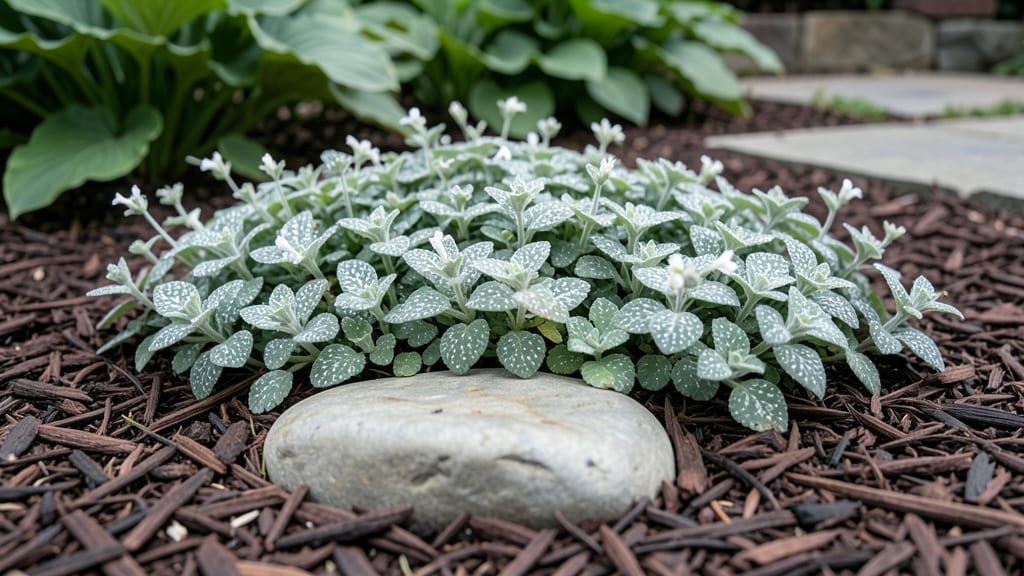
Transform your shady garden with the perfect shaded ground cover—weed-free and thriving in minutes. The right evergreen shaded ground cover 🌿 turns bare soil into a dense, living carpet that blocks weeds naturally.
Picture this: no more pulling weeds by hand, no more patchy lawns, and a garden that stays green year-round. That’s the magic of shade-tolerant ground covers—low-maintenance plants that thrive where grass gives up.
In Zone 6a, the best options spread quickly, suppress weeds, and handle partial shade like pros. From creeping ajuga to hardy pachysandra, these plants need minimal care once planted in spring.
Below, I’ll walk you through the top picks, planting tips, and how to pair them for a cohesive, weed-resistant design that looks effortless.
Top 10 evergreen shaded ground cover plants for weed suppression
If you're battling weeds in shady garden areas, evergreen ground covers are your secret weapon. These hardy plants create a dense, living mulch that blocks sunlight from reaching weed seeds while adding texture and beauty to your landscape.
The best part? Many stay green year-round, providing consistent coverage even in winter.
I've tested these top 10 evergreen ground covers in my own shade garden, and they consistently outperform weeds while requiring minimal maintenance. From classic choices like hostas to underrated workhorses like pachysandra, each option brings unique benefits to your shaded spaces.
Key selection criteria I used include: spread rate (how quickly they fill space), light tolerance (deep shade vs partial shade), and maintenance needs. All options here thrive in USDA zones 4-8 unless noted otherwise.
Here's my curated comparison of the best performers for weed suppression:
How to choose the best shaded ground cover for your soil and climate
Selecting the perfect shaded ground cover means matching your soil conditions and climate zone with the right plant. Unlike sun-loving varieties, shade-tolerant options thrive in partial shade (2-6 hours of sun) or deep shade (less than 2 hours).
The wrong choice can lead to sparse coverage or even plant failure—so let's break down the key factors to consider before you dig in.
First, assess your shade type. Partial shade (like under tall shrubs) suits plants such as ajuga or lamium, while deep shade (under dense tree canopies) requires hardier options like heuchera or foamflower (tiarella).
Your USDA hardiness zone also plays a critical role—some plants, like pachysandra, thrive in zones 5-8, while others, like sweet woodruff, prefer milder zones 4-9.
Moisture levels are another game-changer. Damp soils (common under trees) favor mosses or ferns, while well-draining soil suits creeping phlox or sedge. Test your soil's moisture retention by digging a small hole—if water pools, you’ll need moisture-loving plants; if it drains quickly, opt for drought-tolerant varieties.
Key Factors for Shaded Ground Cover Success
- 🌿 Shade Type: Partial (2-6 hrs sun) vs Deep (<2 hrs sun)
- 🌡️ Climate Zone: Match USDA zones (e.g., pachysandra for zones 5-8)
- 💧 Soil Moisture: Damp (mosses) vs Well-draining (sedges)
- ✂️ Maintenance Level: Low (evergreens) vs Moderate (deciduous)
- 🌱 Spread Rate: Fast (ajuga, 12" per year) vs Slow (heuchera, 6" per year)
Don’t overlook spread rate—some plants, like creeping jenny, spread aggressively (up to 12 inches per year), while others, like sweet woodruff, stay compact (6 inches per year).
For large areas, fast-spreading options save time, but they may require more pruning. Conversely, slow-spreading plants offer precise control but take longer to fill gaps.
Consider your maintenance preferences. Evergreen ground covers like ivy (Hedera helix) or periwinkle (Vinca minor) stay green year-round, reducing winter weeds, while deciduous options like hostas die back in fall, leaving bare soil until spring.
If you prefer year-round coverage, prioritize evergreens, even if they require slightly more upfront care.
Finally, check for local pests or diseases. For example, slugs love tender new growth, so if your area has high slug activity, opt for slug-resistant varieties like heuchera or creeping thyme. A quick online search for "pests in [your city]" can reveal common threats to avoid.
By matching your shade type, soil moisture, climate zone, and maintenance style, you’ll find a shaded ground cover that thrives with minimal effort—and keeps weeds at bay for years.
Start small with a 2x2-foot test patch to see how your top choices perform before committing to larger areas.