
Companion Plants
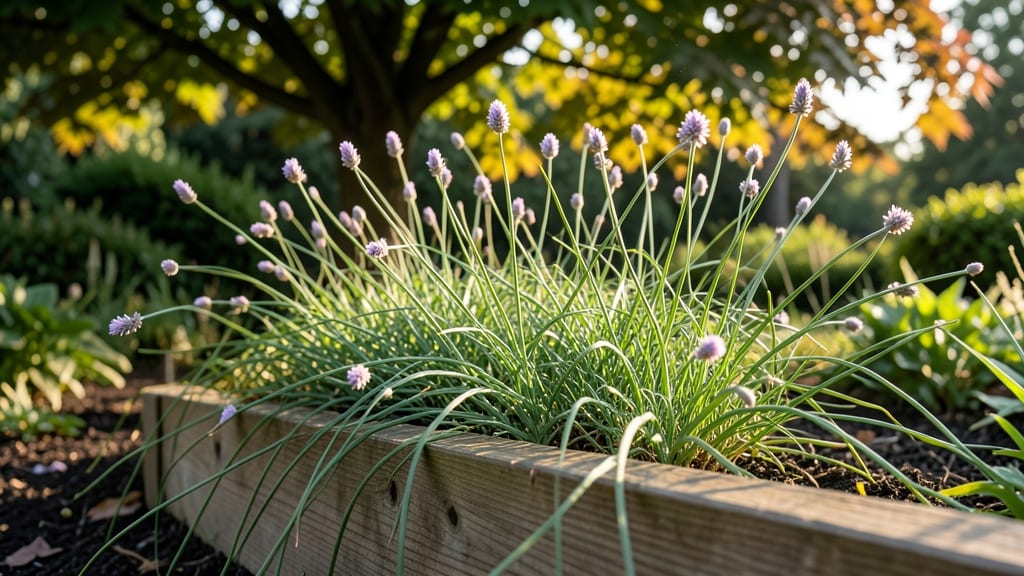
Tired of chemical repellents and itchy bites? These 10 shade-loving plants naturally repel mosquitoes while thriving in low-light gardens, patios, and containers—no sprays required.
Citronella Grass for Containers
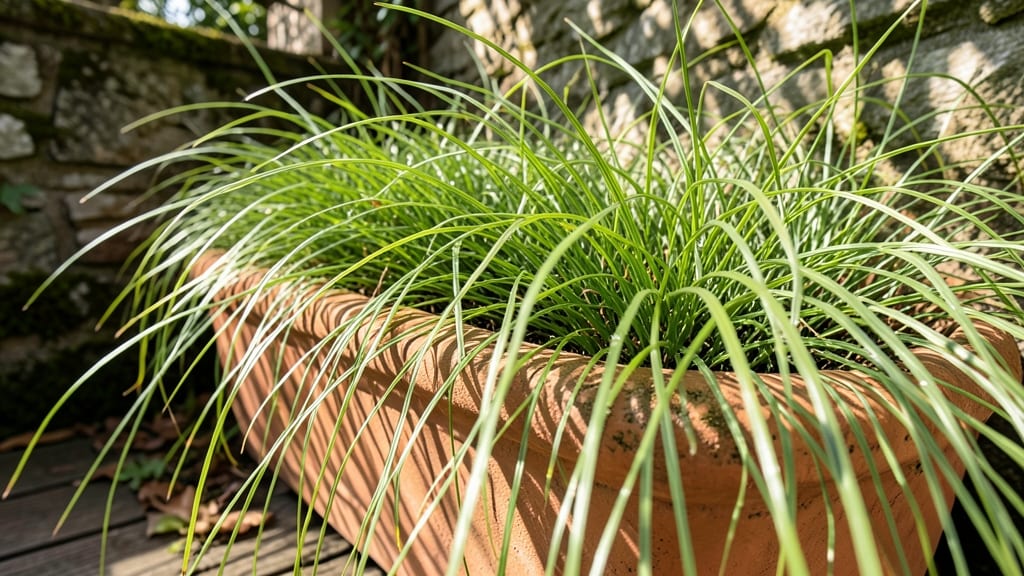
If you love the idea of natural mosquito control but hate the thought of full-sun demands, citronella grass is your perfect match. This fragrant, ornamental grass thrives in partial shade while releasing oils that repel mosquitoes—making it ideal for balconies, patios, and small spaces where sun exposure is limited.
Choose dwarf varieties like Cymbopogon nardus for containers, as they stay compact (1-2 feet tall) and produce the signature citrusy scent. Plant in well-draining soil and water when the top inch feels dry—overwatering causes root rot. For extra potency, place pots near seating areas or pathways where mosquitoes linger. Bonus: The foliage adds texture and movement to container gardens. 🌱
Lemon Balm Perennial Ground Cover
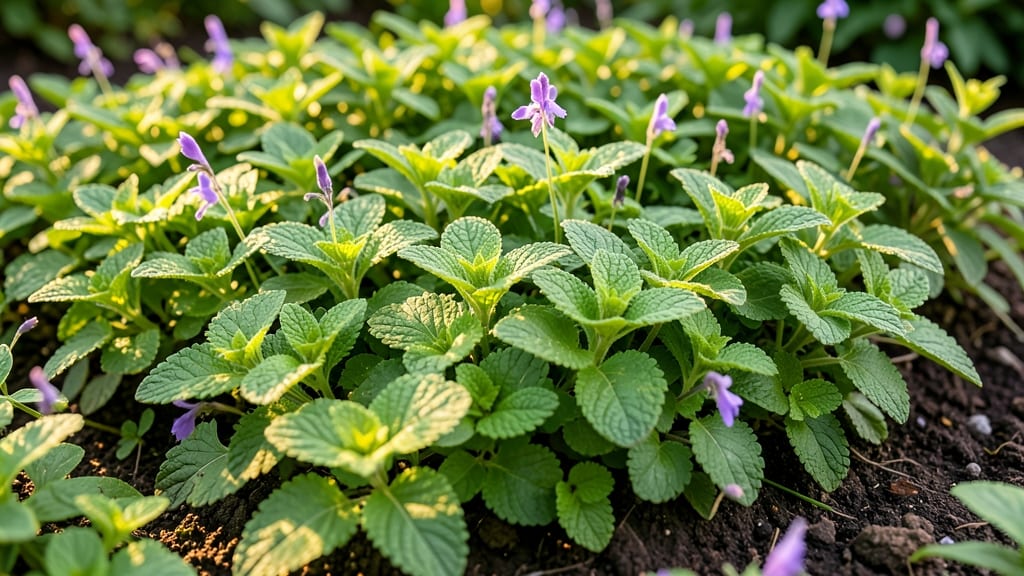
Looking for a low-maintenance, fast-spreading ground cover that doubles as a natural mosquito repellent? Lemon balm is your answer—this hardy mint-family plant thrives in shade while emitting a bright citrus scent that mosquitoes despise. Unlike other pest-deterring plants, it also attracts pollinators like bees and butterflies, making it a dual-purpose hero for shaded gardens.
Plant lemon balm in well-draining soil with partial to full shade, and watch it spread effortlessly over time. It’s a perennial, meaning it comes back year after year with minimal care—just prune it back in early spring to encourage bushier growth. The more you harvest (for tea or cooking), the more vigorously it grows, creating a lush, fragrant carpet that keeps pests away.
Perfect for gardeners who want a no-fuss, pollinator-friendly solution, lemon balm is especially great for shaded borders, under trees, or as a living mulch. Its cheerful scent and easy care make it a favorite for beginners and busy gardeners alike. 🌿
Catnip Herbal Plant
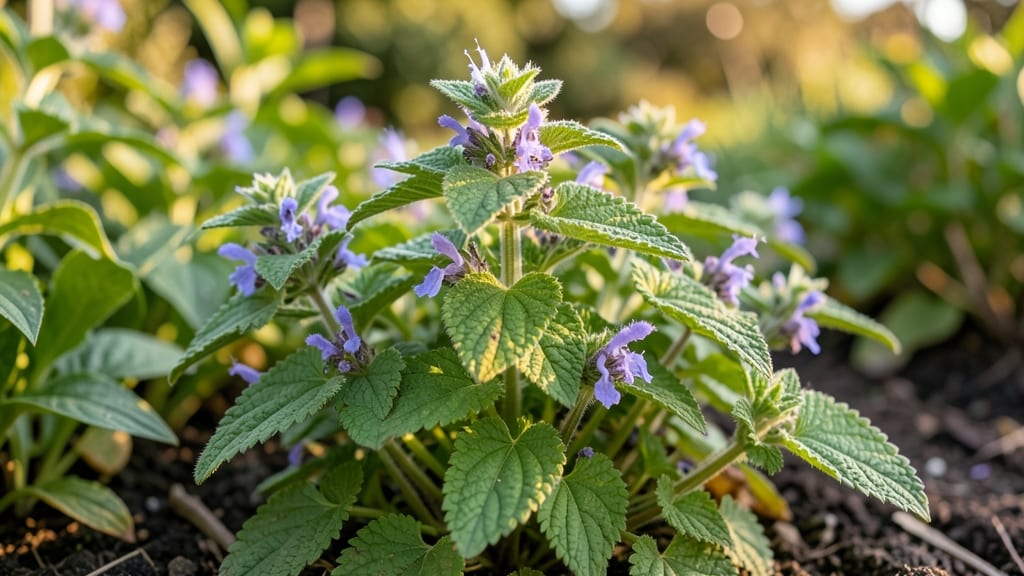
If you’re looking for a mosquito-repelling powerhouse that also happens to be irresistible to cats, catnip is your secret weapon. This hardy perennial contains nepetalactone, a compound proven to be 10 times more effective than DEET—the active ingredient in many commercial repellents—while being completely natural.
Plant catnip in partial shade to full sun, where it thrives in almost any well-draining soil. Once established, it’s drought-tolerant, making it a low-maintenance choice for busy gardeners. Simply crush a few leaves or brush against the foliage to release the scent that keeps mosquitoes away—ideal for patios, garden borders, or even containers near seating areas.
Bonus: It’s a cat magnet, so if you have feline friends, they’ll love rolling in it (just keep it away from their food bowls!). Perfect for urban gardeners, shade gardens, or anyone tired of chemical sprays. 🌱
Marigold Annual Flowers
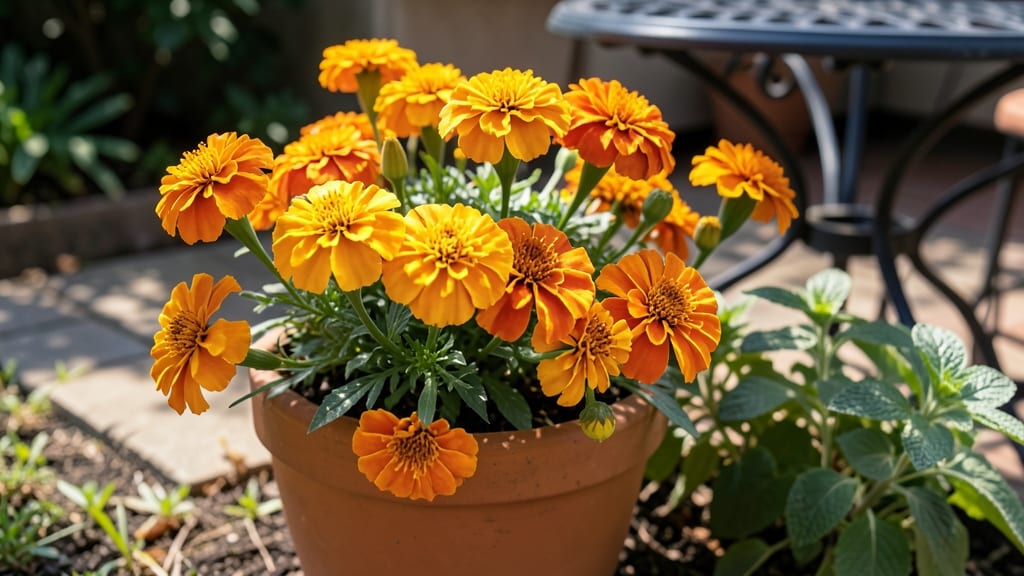
Want a cheerful, low-maintenance way to keep mosquitoes away from your patio? Marigolds are the answer—these bright blooms don’t just add color, they release natural pyrethrin compounds that mask human scents while repelling pests. Their dual role as pollinator magnets makes them a garden superstar.
Plant French marigolds (like 'Bonanza' or 'Jumbo') in well-draining soil with 4-6 hours of sun—they tolerate partial shade but bloom best with light. The secret weapon? Their scent disrupts mosquitoes' ability to locate hosts, making them ideal near seating areas. Deadhead spent blooms to encourage continuous flowering through summer.
Perfect for beginners or urban gardeners, marigolds thrive in containers or beds and self-seed for next year. Their vibrant colors also attract bees and butterflies, turning your outdoor space into a pest-free paradise. 🌻
Basil Herb Varieties
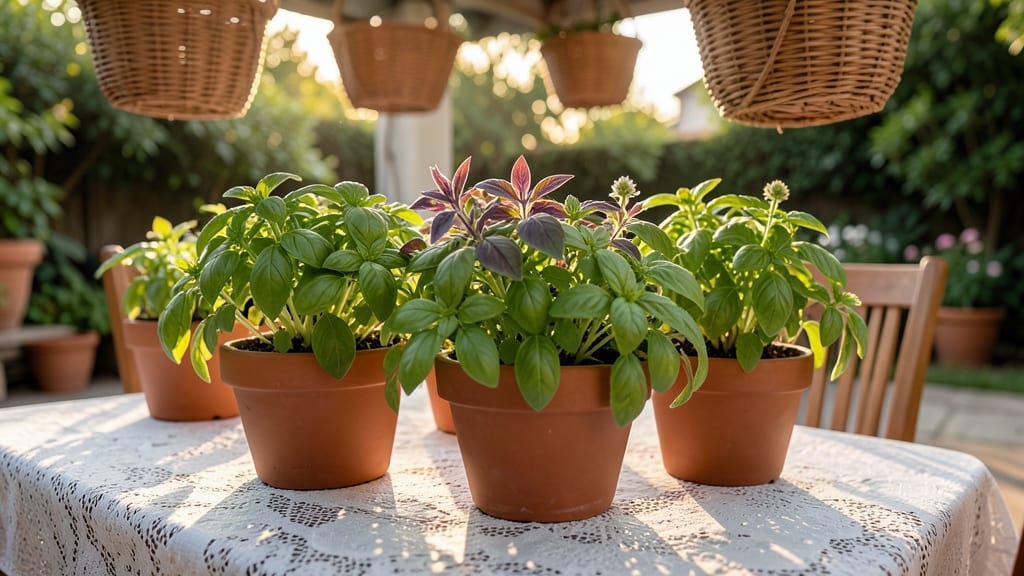
Transform your patio into a mosquito-free dining oasis with basil—a fragrant herb that doubles as a natural repellent. Varieties like Genovese, Thai, and lemon basil contain compounds that deter mosquitoes while adding bold flavors to your cooking.
Plant these in hanging baskets or pots near seating areas for maximum impact. They thrive in partial shade (4-6 hours of sun) and prefer well-draining soil. Harvest leaves regularly to encourage bushier growth and stronger fragrance—perfect for both pest control and fresh pesto. 🌱
Rosemary Shrub Plant
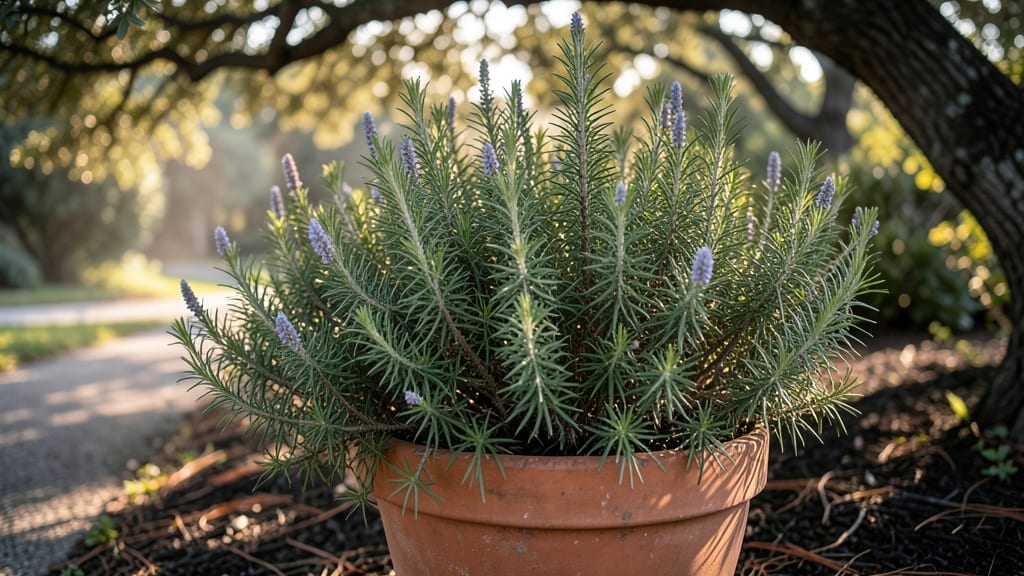
If you love the scent of pine but hate mosquitoes and deer munching your garden, rosemary shrubs are your secret weapon. This woody perennial thrives in partial shade while releasing a fragrance that repels pests naturally—no sprays needed.
Rosemary’s pine-like aroma masks human scents that attract mosquitoes, making it perfect for shaded patios, borders, or rock gardens. It’s also drought-tolerant once established, thriving in well-drained soil with minimal watering. Prune lightly after flowering to encourage bushier growth.
Ideal for gardeners who want a low-maintenance hedge or fragrant borders, rosemary’s versatility makes it a must-have for both pest control and aesthetics. 🌿
Lavender Bush Varieties
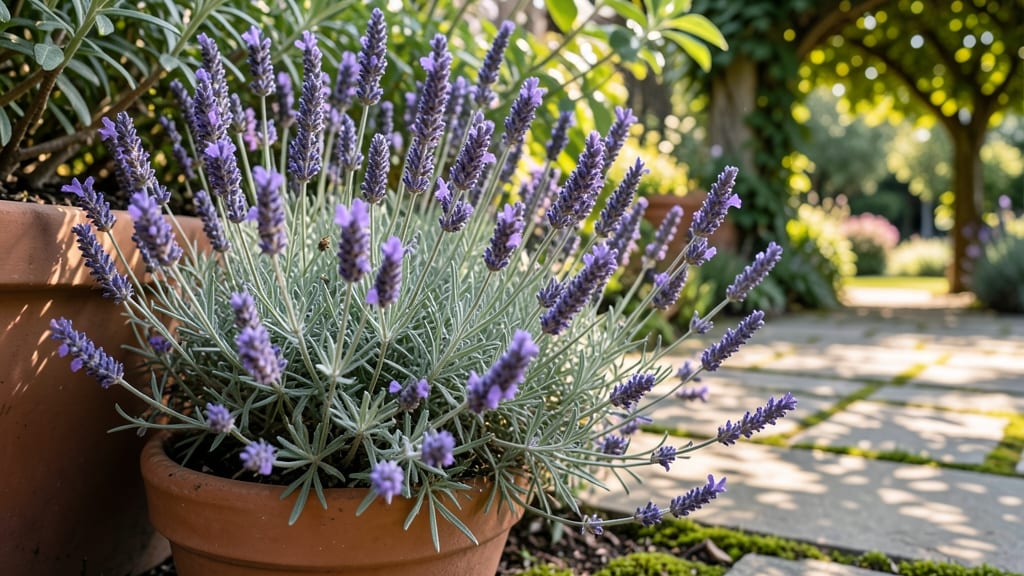
Struggling with mosquitoes while dealing with stress? Lavender isn’t just a fragrant beauty—it’s a dual-purpose powerhouse that calms you while driving away pests. The ‘Munstead’ variety, a compact dwarf type, thrives in partial shade, making it perfect for shaded patios or garden edges where other repellents might struggle.
This hardy perennial produces silver-green foliage and clusters of purple blooms that release linalool and linalyl acetate—compounds proven to repel mosquitoes naturally. Unlike sun-loving varieties, ‘Munstead’ tolerates dappled shade and even performs well in containers, giving you flexibility in placement. Prune lightly after flowering to encourage bushier growth and prolong its pest-deterring benefits.
Gardeners who grow lavender report reduced stress levels from its soothing aroma while enjoying mosquito-free evenings—ideal for anyone who wants a low-maintenance, multi-functional plant**. 💚
Pennyroyal Ground Cover
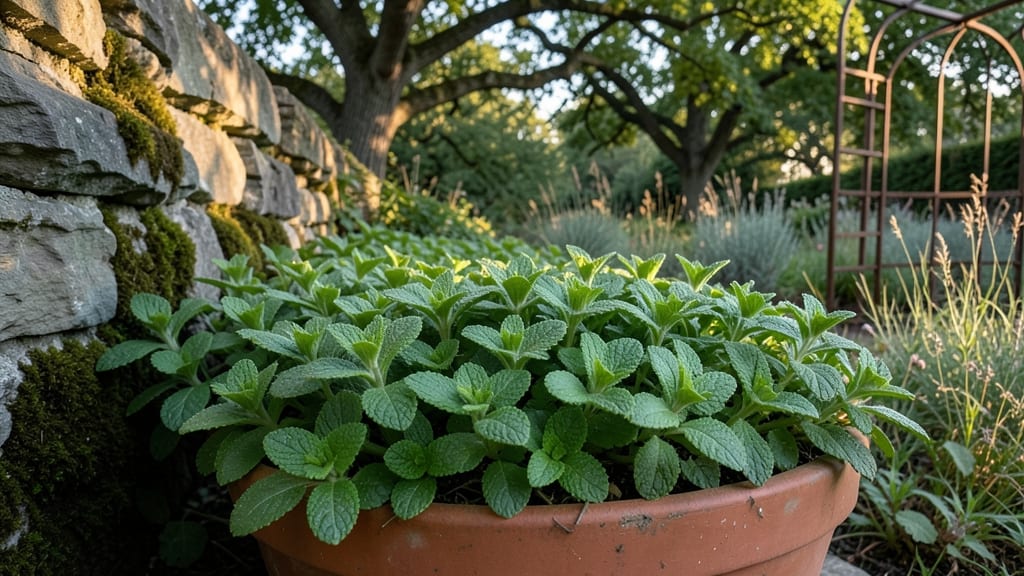
If you love the idea of a mosquito-free shaded garden but worry about invasive spread, pennyroyal is your secret weapon. This mint-family ground cover packs potent oils that mosquitoes despise while thriving in dappled shade—perfect for under trees or along north-facing walls.
Plant it in containers or controlled beds to prevent it from taking over, as its aggressive roots can outcompete nearby plants in warm climates. The tiny, round leaves release a fresh, slightly medicinal scent when crushed, creating a natural barrier. For best results, keep soil moist but well-drained and trim back in early spring to encourage bushier growth.
Urban gardeners and small-space growers will appreciate how well pennyroyal fits into patio planters or window boxes, offering both beauty and function without the bulk. Just be mindful of its spread—this little powerhouse delivers big results! 💚
Bee Balm Flowers
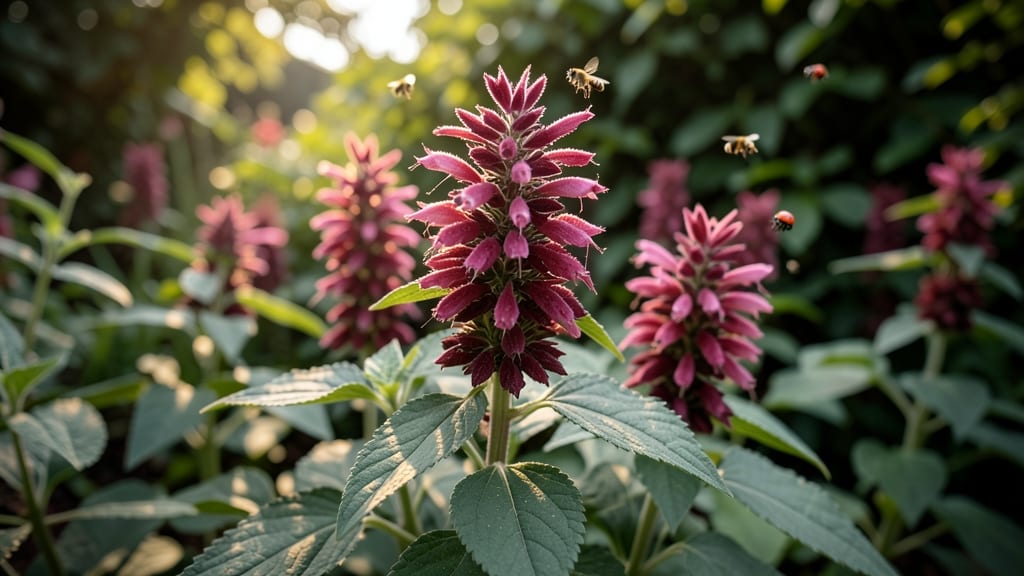
Looking for a pollinator-friendly way to keep mosquitoes at bay in your shaded garden? Bee balm (Monarda) delivers stunning red or pink blooms while creating a natural defense system—its strong scent repels mosquitoes, and its flowers attract their predators like ladybugs and lacewings.
This hardy perennial thrives in partial to full shade and moist, well-draining soil, making it ideal for woodland gardens or borders. Deadhead spent blooms to encourage continuous flowering from summer through fall. Bonus: Bee balm’s nectar-rich flowers support hummingbirds and bees, turning your garden into a thriving ecosystem.
Perfect for gardeners who want beauty and function, bee balm is especially great for shaded patios or garden edges where seating areas need extra protection. 🌻
Garlic Chives Herb

If you love fresh cooking herbs but hate strong scents overwhelming your garden, garlic chives are your perfect solution. This mild-mannered perennial combines subtle onion-garlic aroma with mosquito-repelling properties—no overpowering fragrance required.
Thriving in partial shade (3-6 hours of sun), garlic chives grow back yearly, making them ideal for containers or garden beds. Snip leaves for culinary use while their natural scent keeps mosquitoes at bay—no chemicals needed. The plant’s delicate white flowers add pollinator appeal too.
Urban gardeners and herb lovers will appreciate this low-maintenance, edible option that works year-round in most climates. 🌱