
Flowers
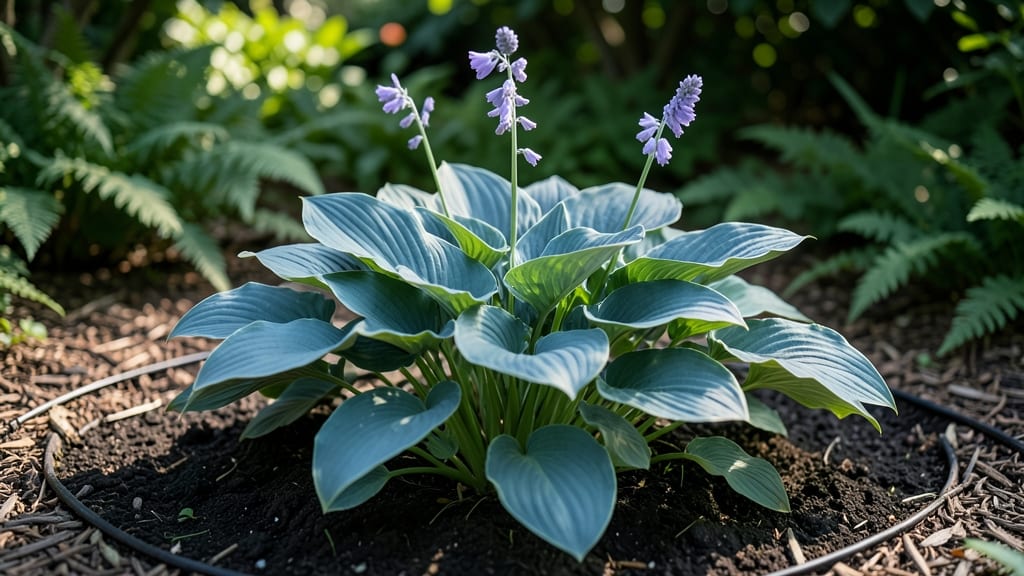
Shade low-maintenance perennial flowers turn dull corners into bursts of color with minimal effort—just steady blooms and bold foliage year after year. foliage that keep your garden looking alive all season.
The secret lies in three groups of plants: hostas with their velvety leaves, heucheras that burnish like autumn leaves, and astilbes with feathery plumes. These beauties handle dry shade, spread slowly (so they don’t take over), and come back year after year without dividing. My favorite combo?
A mix of Hosta ‘Blue Angel’ for texture, Heuchera ‘Palace Purple’ for color, and Astilbe ‘Fanal’ for height—all under a maple tree where nothing else grows.
You’ll spend less than an hour each year on care: a quick trim in early spring, mulch to keep roots cool, and water only when the soil feels bone-dry. The payoff? A garden that stays stunning from May through frost, with minimal work and zero guilt over forgotten corners.
Works for woodland gardens, urban patios, or even shady spots in containers. Here’s how to pick the right plants for your shade level—no green thumb required.
📚 In This Guide
- What you need
- Instructions
- Tips and common mistakes
- Wrapping up and next steps
What you need
- ● Shade-tolerant perennial flowers: Choose from 5–10 varieties (e.g., Hosta, Astilbe, Bleeding Heart, Hellebore, or Foamflower). Aim for 3–5 plants per square foot for full coverage.
- ● High-quality potting mix: 1–2 bags (1–2 cubic feet each) of moisture-retentive, well-draining soil (e.g., a blend of peat moss, compost, and perlite). Avoid heavy clay soil.
- ● Organic mulch: 1–2 bags (2–3 cubic feet) of shredded bark or wood chips (3–4 inches deep) to retain moisture and suppress weeds.
- ● Slow-release fertilizer: 1–2 bags of balanced, organic fertilizer (e.g., 10-10-10 or compost-based) for planting and mid-season feeding.
- ● Garden trowel or transplant spade: 1 (for digging small holes, 6–12 inches deep).
- ● Garden gloves: 1 pair (to protect your hands from thorns or rough soil).
- ● Watering can or hose with a gentle spray nozzle: 1 (for deep but gentle watering—avoid overhead sprinklers in shade).
- ● Pruners or shears: 1 pair (for light trimming after flowering or in early spring).
- ● Measuring tape or ruler: 1 (to space plants 12–24 inches apart, depending on variety).
- ● Container garden setup: 3–5 large pots (12+ inches wide) with drainage holes if planting in containers.
- ● Soil amendments: Worm castings or composted manure (1–2 bags) for extra nutrients.
- ● Drip irrigation kit: 1 (for automated watering in dry spells).
- ● Garden markers: 10–20 (to label plants if you’re testing varieties).
How to plant and maintain shade-loving perennial flowers
Here’s the straightforward approach I’ve used for years—choose the right plants, prep the soil, and let them thrive with minimal fuss.
Select the Right Plants for Your Shade Level
Not all shade is equal, so pick perennials that match your light conditions. For deep shade (less than 3 hours of sun), go with heuchera, astilbe, or ferns—they’ll reward you with lush foliage and delicate blooms. In partial shade (3-6 hours of sun), hostas, bleeding hearts, and lungwort shine with bold colors and textures. I always check the plant tags for light requirements to avoid disappointment.
If your shade is dry, like under a pine tree, choose drought-tolerant varieties like sedge, creeping phlox, or Japanese forest grass. These handle root competition and acidic soil better than thirsty perennials. Skipping this step leads to wilting, yellowing, or stunted growth—so take the time to match plants to your exact conditions.
Prepare the Soil for Healthy Roots
Shade plants often struggle in compacted or poor soil, so improve drainage and fertility before planting. Work in 2-3 inches of compost or aged manure into the top 6-8 inches of soil. This boosts nutrients without overwhelming roots. If your soil is heavy clay, mix in sand or perlite to help water drain evenly.
Dig a hole twice as wide as the root ball but only as deep. Loosen the roots slightly if they’re circling—this encourages outward growth. Place the plant so the top of the root ball sits just below soil level. Press the soil gently around the roots to remove air pockets, then water deeply to settle everything.
Space Plants for Long-Term Growth
Perennials spread over time, so give them room to mature without crowding. Check the plant tag for mature size—most shade perennials need 12-24 inches between plants. For example, hostas can reach 2-3 feet wide, while heuchera stays compact at 12-18 inches. Planting too close forces competition for water and nutrients, leading to weak stems and fewer blooms.
Group plants with similar water needs together. For instance, pair moisture-loving astilbe with hostas in one section, and drought-tolerant sedge with creeping phlox in another. This makes maintenance easier—you’ll water each group consistently without over- or under-watering.
Water and Mulch for Year-Round Care
Water deeply once a week during the first growing season to help roots establish. After that, most shade perennials only need water if the soil feels dry 2 inches below the surface. Overwatering in shade can cause root rot, so let the top layer dry out between waterings. I test with my finger—if it’s damp, wait a few more days.
Spread 2-3 inches of mulch (like shredded bark or wood chips) around plants, keeping it 2 inches away from stems. Mulch locks in moisture, regulates soil temperature, and suppresses weeds. Refresh it annually in early spring—this simple step cuts down on weeding and watering by half.
Prune and Fertilize Minimally
Most shade perennials need little to no pruning. Remove dead or damaged leaves in early spring to tidy up, but leave the rest. Some, like astilbe, benefit from cutting back spent blooms to encourage more flowers. Avoid heavy pruning—shade plants often bloom on old wood, so trimming too much can reduce next year’s flowers.
Fertilize lightly in early spring with a balanced, slow-release fertilizer (like 10-10-10). Too much nitrogen leads to lush foliage but fewer blooms. I skip fertilizer in the second year unless the plants look weak. Healthy soil from your initial prep usually provides enough nutrients for years.
Tips & tricks for perfect shade-loving perennial gardens
Creating a thriving shade garden takes more than just planting—it's about understanding your space and giving your plants the right conditions.
Light Level Precision: When selecting plants for your shade garden, pay close attention to the specific light conditions. The 3-hour mark for deep shade is crucial—any more sun than that can stress plants like heuchera or ferns. Use a simple light meter app or observe your garden throughout the day to get an accurate reading. I've seen many gardeners overestimate their shade levels, leading to plants that look healthy but never bloom properly.
Soil Prep Secret: The 2-3 inches of compost recommendation in Step 2 is non-negotiable for shade plants. I've learned this the hard way—skipping this step leads to plants that struggle even in ideal light conditions. For heavy clay soils, mix in sand or perlite to improve drainage, but don't overdo it—too much sand can wash away nutrients. A good test is to squeeze a handful of your amended soil; it should hold its shape but crumble easily when touched.
Planting Depth Matters: Positioning the root ball just below soil level might seem like a small detail, but it makes a huge difference in long-term health. The top of the root ball should be about 1 inch below the final soil level. This prevents stem rot from sitting too deep while ensuring roots have enough coverage. When pressing soil around roots, do it gently—you're not compacting for lawns, you're creating gentle contact for root establishment.
Mulch Application Technique: The 2-3 inches of mulch should be spread evenly but kept 2 inches away from stems. This might seem counterintuitive, but mulch piled against stems can cause rot. I use a flat-edged tool to create a slight depression around each plant before adding mulch. This creates a natural barrier while allowing water to reach the roots. Refreshing mulch annually in early spring prevents it from breaking down too quickly and losing its effectiveness.
Pro Tips for Shade Low Maintenance Perennial Flowers
- Creating a thriving shade garden takes more than just planting—it's about understanding your space and giving your plants the right conditions.
- Light Level Precision: When selecting plants for your shade garden, pay close attention to the specific light conditions.
- Soil Prep Secret: The 2-3 inches of compost recommendation in Step 2 is non-negotiable for shade plants.
Frequently asked questions
Got questions about shade-loving, low-maintenance perennials?
You’re not alone! Here are answers to the most common concerns—so you can enjoy effortless blooms year after year.
What are the easiest shade perennials for beginners?
Start with hostas, heucheras, or bleeding hearts—they thrive in shade, handle neglect, and return every year. For bold color, try astilbes or tiarella. These picks forgive mistakes and reward minimal effort!
How long does it take for shade perennials to establish and bloom?
Most shade perennials take 1–2 years to fully establish, with some (like hostas) blooming in their first season. Patience pays off—once rooted, they’ll return stronger and more vibrant annually. Mulch lightly to speed up the process!
Do shade flowers need extra watering?
While shade reduces evaporation, young plants still need consistent moisture. Water deeply 1–2 times per week (or when soil feels dry 1 inch down). Once established, most perennials tolerate drought better—but mulch helps retain moisture and cuts back on weeding!
Can I mix shade perennials with ferns or ground covers?
Pair heucheras with Japanese painted ferns or ajuga for layered texture. Just ensure all plants share similar light and water needs. Pro tip: Group by height—tall astilbes in back, low lamium in front—to create a polished look.
What’s the best way to prevent pests in shade gardens?
Shade gardens are less pest-prone, but slugs and aphids may still visit. Use copper barriers for slugs or introduce ladybugs for aphids. Healthy soil (rich in compost) keeps plants resilient. Avoid overwatering—pests love soggy conditions!
Do shade perennials survive winter without extra care?
Most hardy perennials (like ligularia or coral bells) handle winter well, but mulch 2–3 inches in late fall to protect roots. Tender varieties (e.g., canna lilies) may need winter wrap or digging up. Check your zone—Zone 5+ plants are the toughest!
Wrapping up and next steps
Transforming your shady spots into a vibrant, low-maintenance garden is easier than you think! With shade-loving perennials like Hosta, Bleeding Heart, and Astilbe, you can enjoy year-round color without the hassle of constant upkeep.
These beauties thrive in minimal sunlight, require little watering, and return year after year—making them the perfect choice for busy gardeners or beginners.
Ready to get started? Pick 2-3 plants that suit your shade level and soil type, then simply plant, mulch, and admire! For extra inspiration, sketch a rough garden layout or browse local nurseries for the best varieties. Your shade garden will thank you—and so will your weekends! 🌿✨