
Light Requirements
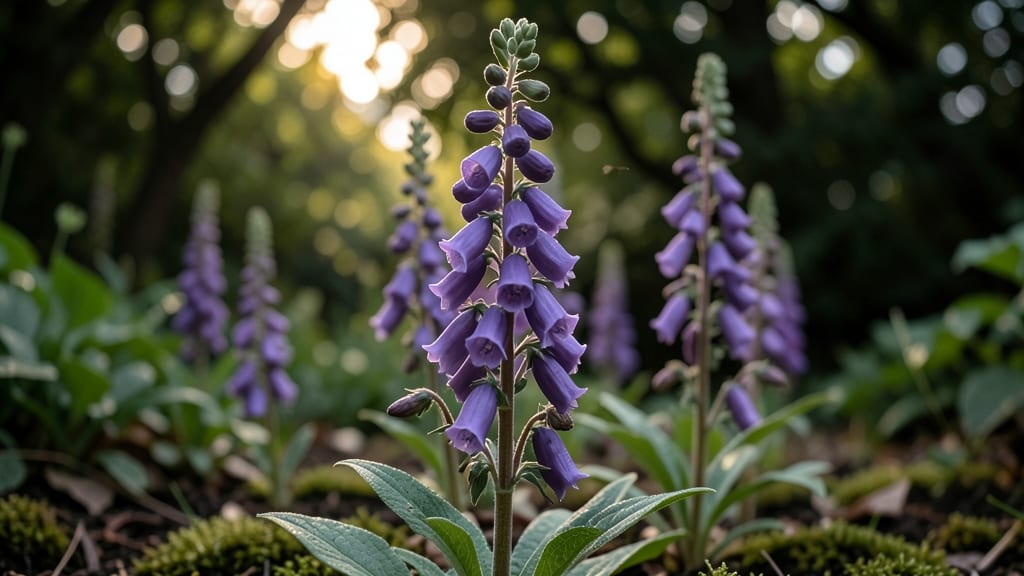
Zone 6 gardeners with shady spots don’t have to settle for boring foliage. These 10 shade-loving perennials thrive in low light while delivering vibrant blooms, lush textures, and minimal upkeep—perfect for transforming dark corners into year-round beauty.
Hosta Varieties for Bold Foliage
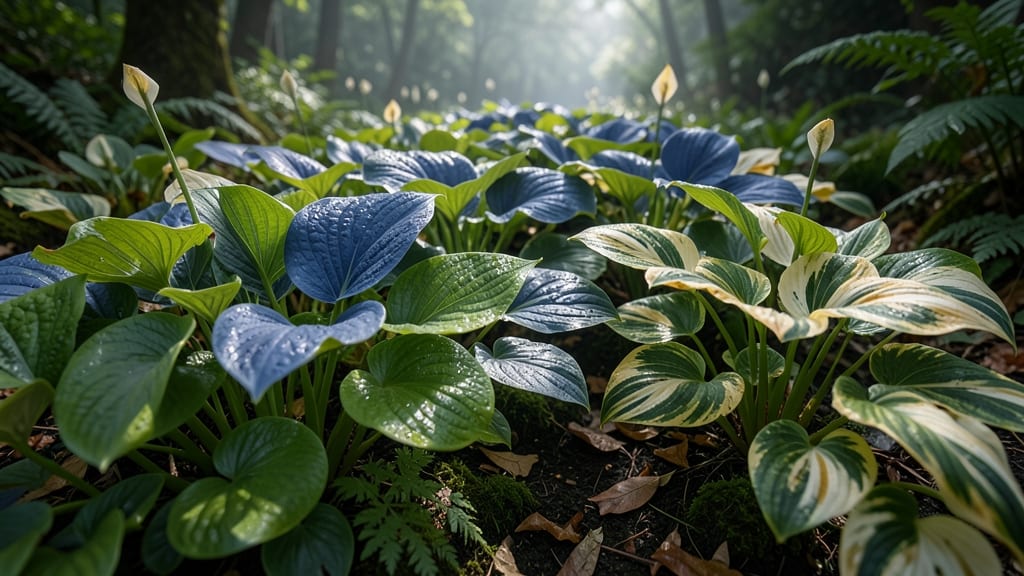
Looking for year-round drama in your shade garden? Hostas deliver unmatched foliage diversity—from chartreuse to deep blue—without relying on blooms, making them the backbone of foundation plantings and woodland gardens.
With over 3,000 varieties, you can mix textures like thick, waxy leaves of 'Blue Angel' with the delicate frills of 'Halcyon'. Most thrive in partial to full shade and moist, well-drained soil, though some varieties like 'Patriot' tolerate drier conditions. Plant in spring or fall to establish roots before extreme Zone 6 winters.
Hostas are especially perfect for beginner gardeners and low-maintenance landscapes, offering bold color even when not blooming. 🌿
Astilbe Plumes in Soft Pastels
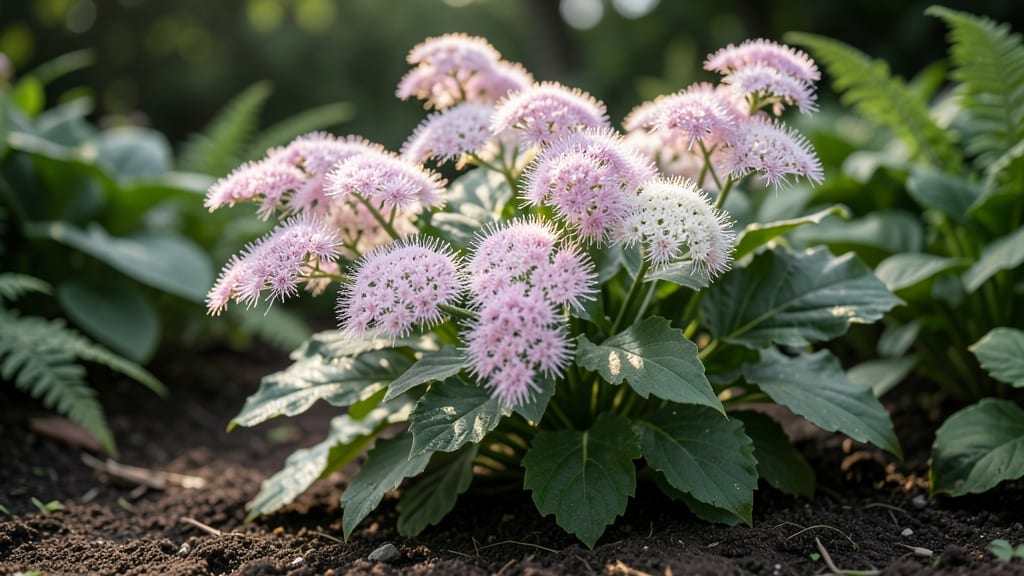
If you crave romantic, cloud-like blooms that dance in the breeze, astilbe is your perfect shade-loving star. These feathery plumes in pink, white, and lavender bring soft elegance to dark corners while thriving where other plants struggle.
Plant them in moist, well-drained soil and partial shade (2–4 hours of sun), and you’ll get reblooming magic all summer. Their airy stems add vertical interest without requiring staking, making them ideal for borders, containers, or woodland gardens. Choose dwarf varieties for edges or tall types as focal points.
Perfect for beginners and urban gardeners, astilbe’s low-maintenance beauty makes it a must-have for any shady spot. 🌿
Bleeding Heart Flowers for Early Spring
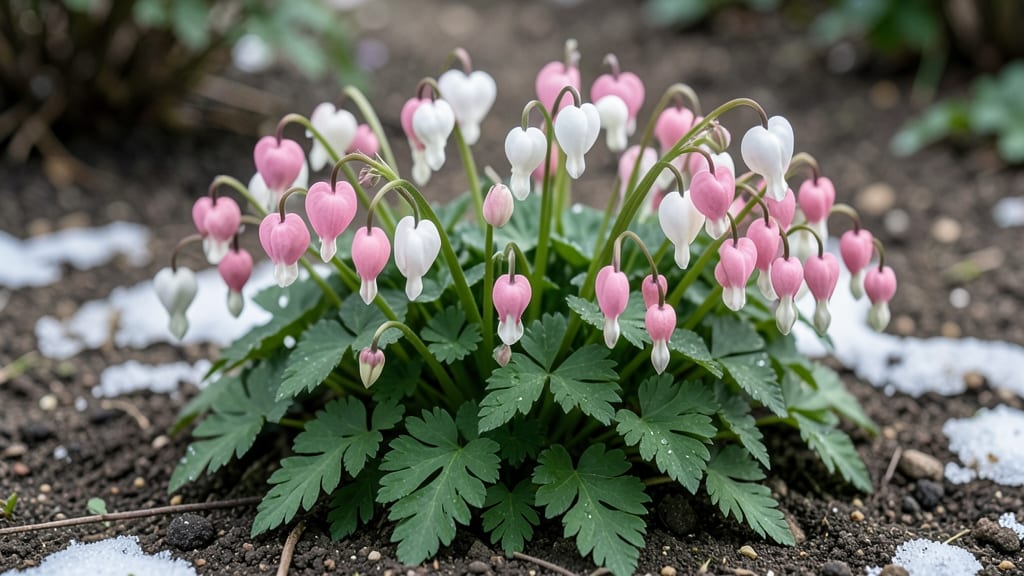
If you crave early spring color before most perennials even think about blooming, bleeding heart flowers (Dicentra spectabilis) are your secret weapon. Their heart-shaped blossoms in soft pink and white emerge as soon as the snow melts, creating a romantic display that lasts through summer—with minimal fuss.
These shade-loving stars thrive in partial to full shade and prefer moist, well-drained soil rich in organic matter. Plant them in woodland edges or cottage garden borders where they’ll naturalize over time, spreading gently to form lush, cascading clumps. For best results, divide clumps every 3-4 years in early spring to maintain vigor and encourage more blooms.
Perfect for gardeners who love low-maintenance charm, bleeding hearts pair beautifully with hostas and ferns. Their delicate foliage adds texture even when not in bloom, making them a year-round asset for shady spots. 🌷
Japanese Painted Fern for Texture
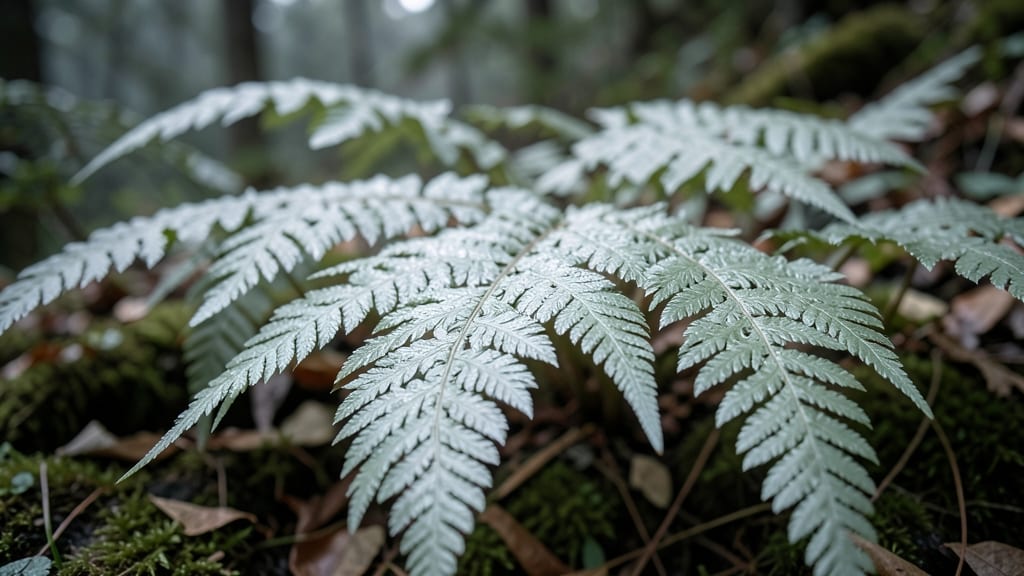
If you're craving a textural standout for shady spots, the Japanese painted fern delivers with its striking silver-green fronds that shimmer like moonlight through leaves. Unlike its green-leafed cousins, this fern adds a luminous contrast that makes it a magnet for gardeners seeking drama without the sun.
This drought-tolerant perennial (once established) thrives in partial to full shade and pairs beautifully with hostas and astilbes to create layered interest. Plant in moist, well-drained soil and watch it spread slowly to form lush clumps—ideal for woodland gardens or understory plantings. Its arching fronds add movement even when not in bloom.
Perfect for beginners or low-maintenance gardeners, this fern requires minimal care while offering year-round texture that elevates any shady corner. 💚
Lungwort with Healing History
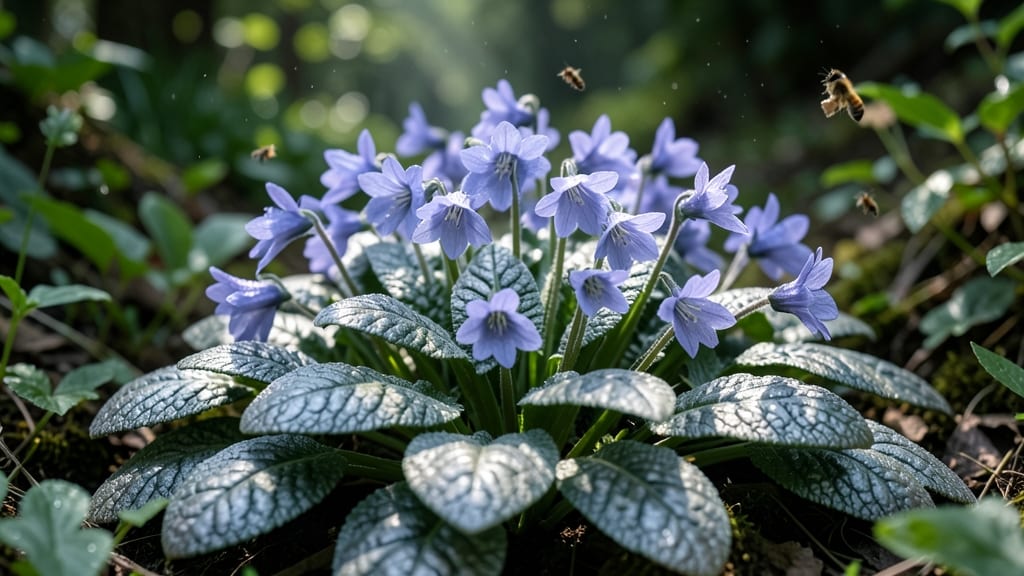
Transform your shady garden into a pollinator paradise with lungwort (Pulmonaria), a shade-loving perennial with a fascinating past. This plant’s silver-spotted foliage and blue-purple flowers create a striking contrast while attracting bees and butterflies early in the season.
Historically used in herbal remedies for respiratory health (hence the name), lungwort thrives in partial to full shade and moist, well-drained soil. Its slow-spreading habit makes it ideal for filling gaps under trees or along woodland edges without crowding other plants. For best results, plant in early spring and water consistently until established.
Perfect for herbal gardeners, cottage-style borders, or pollinator-friendly landscapes, lungwort adds both beauty and history to your shade garden. 🌿
Coral Bells for Season-Long Color
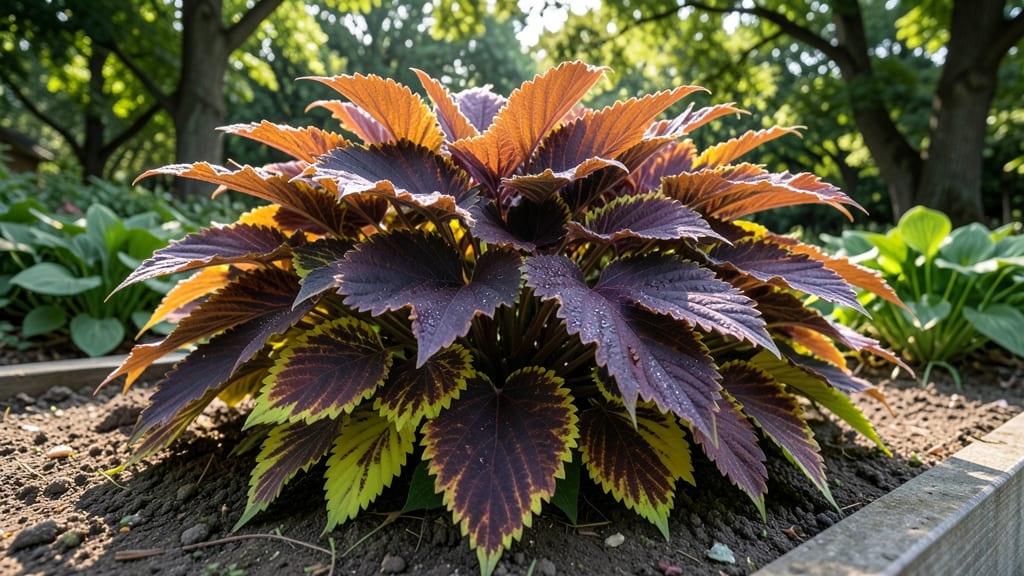
If you're tired of shade plants that only shine for a season, Heuchera (coral bells) will change your mind. These perennials deliver year-round color with foliage that glows in shades of purple, lime, or copper—even when they're not blooming.
Plant them in partial to full shade with well-draining soil, and they’ll reward you with delicate flowers in late spring that hummingbirds can’t resist. Varieties like 'Palace Purple' or 'Lime Rickey' add modern flair to containers or borders, while their low-maintenance nature makes them perfect for busy gardeners.
Urban gardeners and modern designers will love how coral bells bridge the gap between foliage and flowers, offering both texture and pollinator appeal. 🌟
Toad Lily for Late Summer Drama
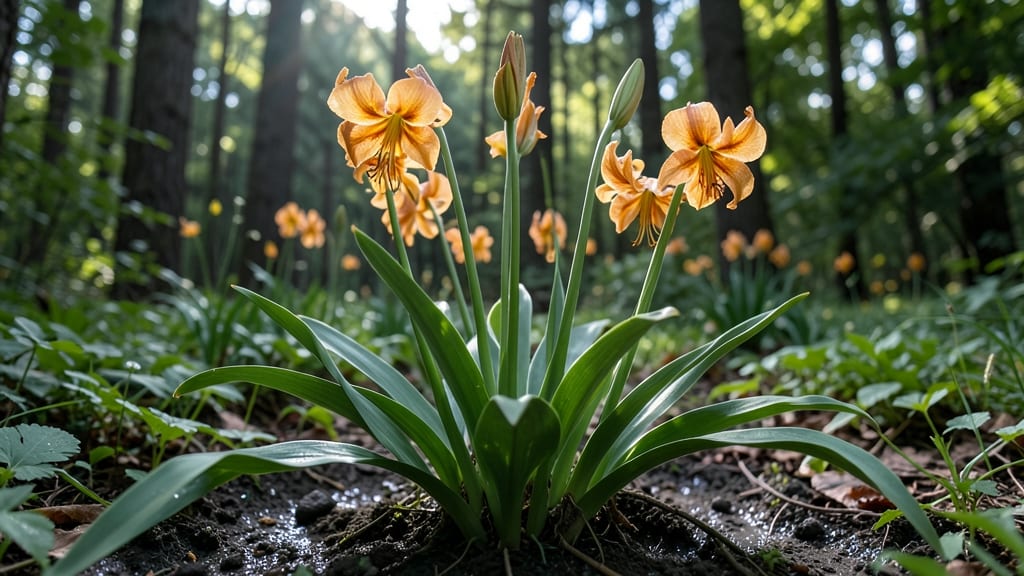
When most shade-loving perennials start to fade in late summer, toad lily (Tricyrtis hirta) steps in with its striking orange and yellow blooms that appear like magic on tall, slender spikes. This underrated gem thrives in moist, well-drained soil and partial shade, making it a standout performer when other plants are winding down.
The architectural blooms of toad lily add vertical drama to shady borders, reaching heights of 2-3 feet. Plant it in clusters for a bold focal point, or pair it with ferns and hostas for layered texture. It’s also deer-resistant, which is a bonus for gardeners in rural or wooded areas. Just ensure the soil stays consistently moist—this plant loves humidity but hates soggy roots.
Perfect for gardeners who want late-season color without the fuss, toad lily is especially rewarding for those with woodland gardens or shaded patios. Its unique blooms will keep your garden buzzing with interest well into fall. 🌟
Sweet Woodruff for Fragrant Ground Cover
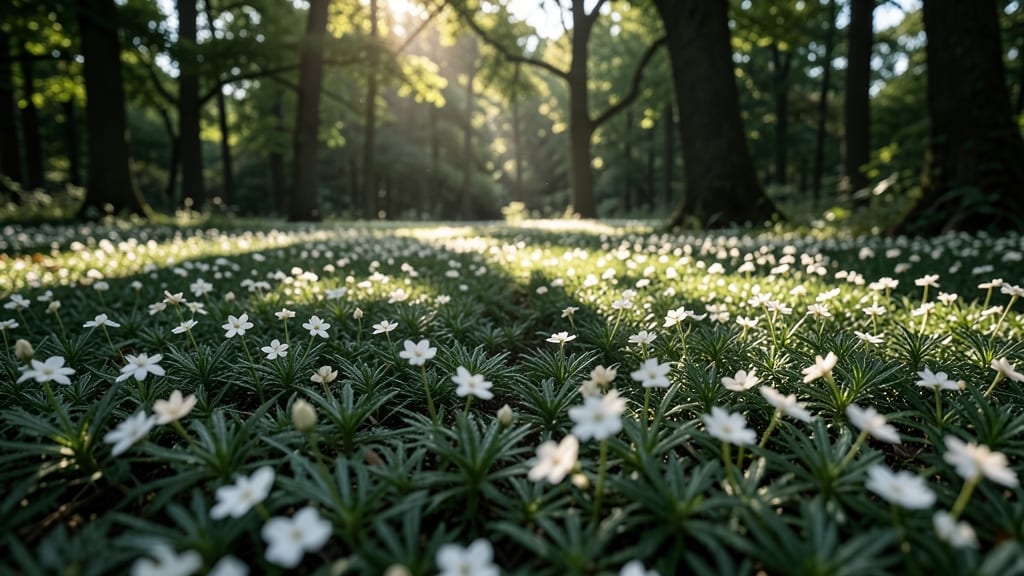
Tired of shady spots that feel dull and weedy? Sweet woodruff transforms bare ground into a fragrant, living carpet with its delicate white blooms and signature vanilla scent—nature’s way of turning your understory into a sensory experience.
This hardy perennial thrives in deep shade and spreads gently to outcompete weeds, making it ideal for mulch-free areas under trees. Its fragrant foliage releases a subtle vanilla aroma when crushed, while its airy white flowers add delicate contrast from spring to early summer. Perfect for beginners, it’s low-maintenance and deer-resistant, requiring only occasional division every few years.
Urban gardeners and woodland enthusiasts will love how sweet woodruff softens harsh edges while keeping maintenance minimal. Plant it where you want to suppress weeds naturally—it’s the ultimate low-light solution for effortless beauty. 🌱
Solomon’s Seal for Graceful Arches
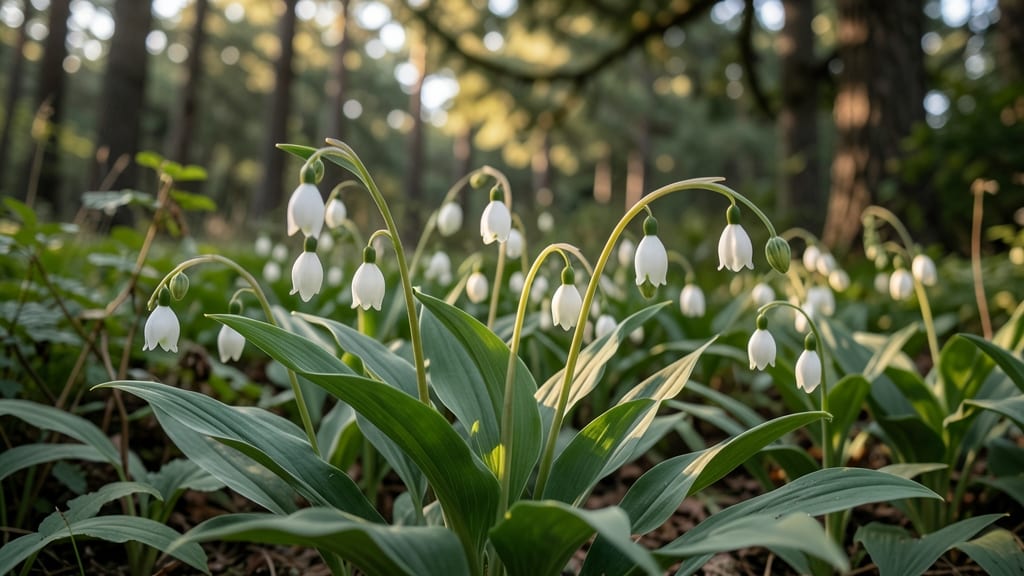
Tired of shade plants that flop or fade? Solomon’s seal (Polygonatum) brings arching elegance to your garden with its graceful stems and dangling white blooms—no fuss required. This deer-resistant perennial thrives in partial shade, making it ideal for understory plantings where other flowers struggle.
Plant it in moist, well-drained soil and watch its 2-3 foot stems cascade naturally, creating a living archway. The spring blooms attract pollinators, while its glossy foliage adds year-round texture. Unlike high-maintenance perennials, Solomon’s seal spreads slowly, needing only occasional division every 3-4 years to keep it vigorous.
Perfect for woodland gardens, cottage borders, or as a focal point under trees, this plant is a quiet star that rewards patience with effortless beauty. 🌿
Foxglove for Dramatic Height

Want to add old-world charm and vertical drama to your shady garden without sacrificing sunlight? Foxglove (Digitalis purpurea) is the answer—its towering 3-5 foot spikes of bell-shaped flowers create instant focal points that hummingbirds and bees adore.
This biennial (but self-seeding) beauty thrives in partial to full shade** and well-drained soil, making it perfect for Zone 6's cooler climates. Plant seeds in early fall or purchase young plants in spring, spacing them 12-18 inches apart. Deadhead spent blooms to encourage more flowers, but leave some seed pods for natural reseeding—foxglove will often return year after year on its own.
Ideal for cottage gardens, woodland edges, or as a dramatic backdrop for shorter perennials, foxglove's vibrant purple, pink, or white blooms will bring magic to your shady spots with minimal effort. Just be cautious if you have pets or children—foxglove is toxic if ingested. ✨