
Tools
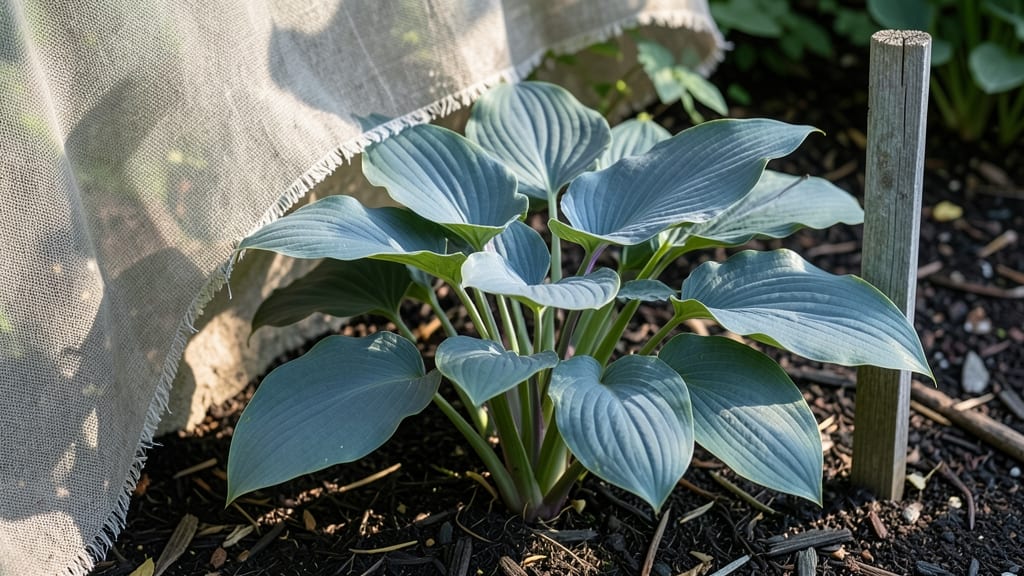
My shade fabric for plants saved my heat-sensitive lettuce from bolting last summer. 🌿 The lightweight mesh filters just enough sunlight to keep greens cool, crisp, and productive—no more sad, bitter leaves or wilting in the afternoon heat.
It’s the secret weapon behind my most reliable harvests, especially for seedlings, tropical plants, and anything that wilts faster than a summer afternoon.
Start with the right percentage—30% shade for seedlings or delicate herbs, 50% for heat-sensitive veggies like spinach or basil, and 70% for tropicals that burn easily.
You’ll need sturdy stakes or a frame to keep it taut, and a simple clip system works better than wrestling with knots every time the wind picks up. The fabric lasts years if you rinse it off after heavy rain or store it dry when not in use.
What you’ll get is greens that stay vibrant and tender instead of tough and bitter, plus protection from pests like aphids that love stressed plants. My Swiss chard now grows 20% taller under the cloth, and the fabric even extends the season by a month in both spring and fall.
It’s the difference between a garden that works and one that just survives.
Works for raised beds, in-ground plots, or even container gardens—just adjust the setup to your space. Here’s how to pick the right fabric, install it without frustration, and keep it working for years. Let’s get those plants protected!
📚 In This Guide
- What you need
- Instructions
- Tips and common mistakes
- Wrapping up and next steps
What you need
- ● Shade cloth fabric: Choose a lightweight, breathable fabric rated for your plants’ needs (e.g., 30% for delicate greens, 50% for sun-sensitive varieties). Measure your garden area and buy 10–20% extra for seams and adjustments. Common widths: 4–10 feet (standard rolls).
- ● Measuring tape: A 16-foot tape for precise fabric cutting.
- ● Scissors or fabric shears: Heavy-duty 12-inch shears for clean cuts.
- ● Staple gun + staples: A 1/4-inch heavy-duty stapler and 1/2-inch staples to secure fabric to frames or edges.
- ○ Support frame (optional but recommended): PVC pipes (1-inch diameter) or wooden dowels for lightweight setups.
- ● Metal hoops (galvanized wire) for curved covers (e.g., 18–24-inch diameter).
- ● T-posts or stakes: 6–12-inch galvanized stakes (1 per 4–6 feet of fabric edge) for anchoring.
- ● Hole punch: For attaching fabric to wire frames without staples.
- ● Zip ties: Heavy-duty 1/4-inch ties for quick adjustments.
- ● Fabric spray adhesive: For extra-secure seams (e.g., 3M Super 77).
- ● UV-resistant spray: To extend fabric life (apply every 3–6 months).
- ● Gloves: Nitrile or leather gloves to protect hands from splinters or sharp edges.
How to use shade cloth for protecting heat-sensitive plants
Here's how I shield delicate greens from scorching sun while keeping them thriving.
🌿 Step 1: Measure and Cut Shade Fabric to Fit
Start by measuring the area you want to cover—whether it's a raised bed, container garden, or individual plants. For a 4-foot by 8-foot raised bed, you'll need about 5 feet by 9 feet of fabric to allow for draping over the sides. Use a sharp fabric scissors to cut the shade cloth cleanly along the edges. I always add 2 extra inches on each side to create a slight overhang that helps secure the fabric better.
If you're covering individual plants, cut 2-foot by 2-foot squares for smaller containers or 4-foot by 4-foot sections for larger ones. The key is to avoid gaps where sunlight can sneak through. For a 30% shade cloth, you'll still need to overlap edges slightly to ensure even coverage—think of it like fitting a quilt over a bed.
☀️ Step 2: Choose the Right Shade Percentage for Your Plants
Not all greens tolerate the same amount of shade. For leafy greens like lettuce or spinach, a 30-50% shade cloth works best during peak summer months. If you're growing heat-sensitive herbs like cilantro or basil, opt for 40-50% to prevent bolting. I like to test the fabric first by holding it up to the sun—if you can barely see through it, it’s likely 50% or higher. For tomatoes or peppers, which need some sunlight but benefit from afternoon shade, 30% is ideal.
Pro tip: If you don’t have multiple percentages, layer a 30% cloth over a 20% for a 50% effect. Just make sure the edges overlap completely to avoid patchy coverage. You’ll know you’ve got it right when the fabric diffuses the sunlight instead of letting harsh rays through.
🪴 Step 3: Secure the Fabric Without Damaging Plants
Use clips, stakes, or a lightweight frame to hold the shade cloth in place. For raised beds, I drive T-pins or wooden stakes into the corners and drape the fabric over the top, securing it with plastic-coated clips that won’t rust. Avoid metal staples—they can tear the fabric and may damage the plants if they shift in the wind. If you're covering containers, wrap the fabric around the pot and tie it loosely with twist ties or garden twine so it doesn’t restrict growth.
Leave a small gap at the bottom (about 2-3 inches) to allow airflow and prevent heat buildup. You’ll notice the fabric sags slightly as it warms up—this is normal. Adjust the tension every few days to keep it snug but not suffocating. If the cloth starts to billow in the wind, weigh down the corners with small rocks or bricks (just make sure they’re not in direct contact with the plants).
⏰ Step 4: Monitor and Adjust for Changing Conditions
Check your plants every 2-3 days to see how they’re responding. If leaves look yellow or wilted, the shade might be too heavy—try removing the fabric for a few hours a day or switching to a lighter percentage. If new growth appears pale or leggy, the plants aren’t getting enough light, and you may need to lift the fabric slightly or reduce coverage. I usually adjust based on the time of day: full coverage in the afternoon (12 PM–4 PM) for heat-sensitive greens, but partial shade in the morning if the plants seem sluggish.
Watch for condensation on the underside of the fabric—this means the humidity is trapped, which can encourage fungal issues. If you see moisture buildup, lift the edges for 10-15 minutes daily to let excess humidity escape. You’ll also want to rotate the fabric weekly so one side doesn’t degrade faster from sun exposure. Over time, you’ll learn your plants’ preferences—some thrive under consistent shade, while others need breaks to stay healthy.
Tips & tricks for perfect shade cloth protection
Here's what nobody tells you about getting the most out of your shade fabric.
Precision Cutting: When measuring for your 4-foot by 8-foot raised bed, always account for the fabric's natural drape. The extra 2 inches on each side isn't just for looks—it creates a buffer that prevents sunlight from sneaking in through gaps when the fabric sags slightly in heat. For individual plants, cut those 2-foot squares slightly larger if your plants are particularly leafy, as denser foliage needs that extra coverage to stay protected.
Layering Strategy: That 30% shade cloth can become a 50% solution when layered properly. Start with the 30% fabric as your base layer, then add a second layer of 20% on top—just make sure the edges overlap by at least 6 inches to avoid patchy coverage. This technique works especially well for heat-sensitive herbs like basil, which need that extra protection during peak afternoon sun without completely blocking all light.
Airflow Essentials: The 2-3 inch gap at the bottom isn't just for looks—it's crucial for preventing heat buildup that can actually harm your plants. I've seen too many gardeners forget this and end up with wilted greens from trapped heat. If you notice condensation forming on the underside of the fabric, that's your cue to lift the edges for those 10-15 minutes daily to let humidity escape and air circulate.
Seasonal Adjustments: Don't treat your shade fabric like a one-size-fits-all solution. In early summer, you might get away with just afternoon coverage (12 PM-4 PM), but as temperatures climb, you'll want to extend that protection to include morning sun too. I've found that moving the fabric to cover the east side of raised beds in the morning and west side in the afternoon creates a perfect balance for most heat-sensitive greens.
Pro Tips for Shade Fabric For Plants
- Here's what nobody tells you about getting the most out of your shade fabric.
- Precision Cutting: When measuring for your 4-foot by 8-foot raised bed, always account for the fabric's natural drape.
- Layering Strategy: That 30% shade cloth can become a 50% solution when layered properly.
Frequently asked questions
Got questions about using shade cloth fabric for plants? You’re not alone! Here are some of the most common concerns—and their straightforward answers—to help you protect your greens like a pro.
What percentage of shade cloth should I use for different plants?
The right percentage depends on your plants’ light needs. Vegetables like lettuce or spinach thrive with 30-50% shade cloth, while tender perennials or tropicals may need 40-60%. For heat-sensitive succulents or seedlings, 50-70% is ideal. Start with a lighter shade and adjust based on leaf burn or wilting.
When is the best time to install shade cloth?
Install shade cloth before extreme heat hits—typically late spring or early summer—to give plants gradual acclimation. For seedlings or young plants, use it immediately if they’re exposed to harsh sun. Remove it in fall or winter unless protecting from frost or wind. Pro tip: Secure it tightly to avoid flapping, which can stress plants.
How do I prevent shade cloth from overheating my plants?
Shade cloth blocks up to 70% of sunlight, but poor airflow can trap heat. Elevate the fabric (use hoops or stakes) to allow ventilation and prevent moisture buildup. Avoid placing it directly on leaves, and water plants early in the day to reduce heat stress. If leaves look yellow or crispy, the shade may be too heavy—opt for a lighter percentage or looser weave.
Can I reuse shade cloth year after year?
Yes! High-quality polypropylene or polyester shade cloth lasts 5-10 years if stored properly. Clean it with mild soap and water after each season to remove dirt or mold. Fold it neatly in a dry, shaded area to prevent UV degradation. Watch for: brittle fabric, holes, or faded color—signs it’s time to replace it.
What’s a good alternative if I don’t have shade cloth?
If shade cloth isn’t an option, try these DIY solutions:
- Row covers: Lightweight, breathable fabric (like frost cloth) for temporary shade.
- Sheets or tarps: Use white or light-colored material (not black!) to reflect heat, but secure loosely to avoid suffocating plants.
- Natural shade: Plant tall crops (like corn or sunflowers) as windbreaks or use trees/bushes for partial shade.
- Drip irrigation + misting: Keeps leaves cool during peak sun (best for containers or small gardens).
Note: These won’t block UV rays like shade cloth, but they help reduce heat stress.
Wrapping up and next steps
Shade cloth fabric is a game-changer for protecting your plants from harsh sun, heat, or wind while keeping them thriving. Whether you're nurturing delicate seedlings, shielding mature foliage, or extending your growing season, the right shade fabric offers lightweight, adjustable, and long-lasting benefits—without breaking the bank.
Ready to give your plants the perfect balance of light and protection? Start by choosing the right percentage of shade for your greens, then measure, cut, and secure your fabric with confidence. Your plants (and future harvests!) will thank you! 🌱✨