
Shrubs
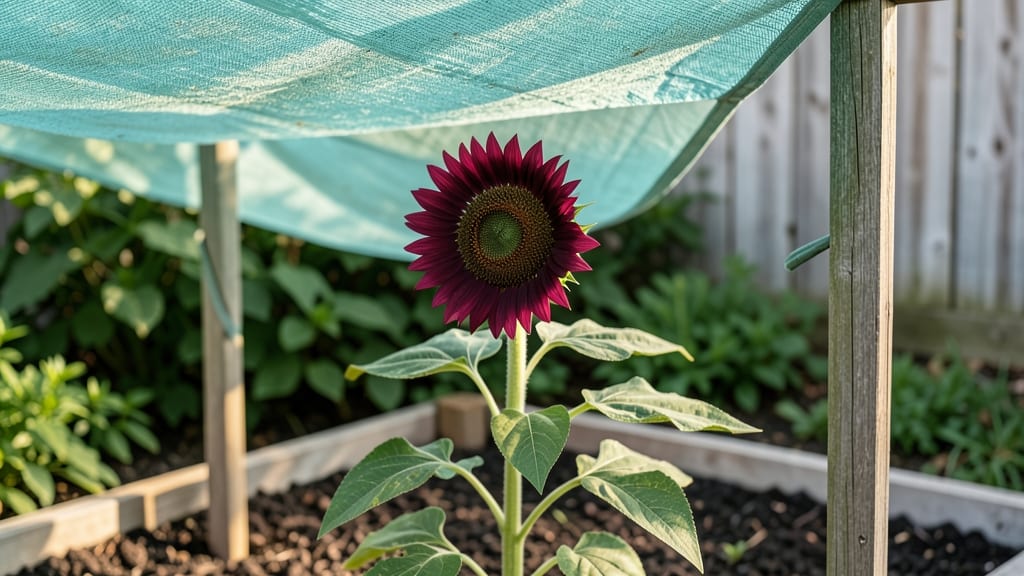
My shade cloth tarp saved my heat-sensitive lettuce from bolting last summer—now I’m sharing how to use it like a pro. 🌿 This lightweight fabric isn’t just for summer; it’s your secret weapon for extending seasons, protecting young plants, and even controlling light intensity for delicate crops.
The right density keeps tomatoes from sunscald while still letting enough light through for growth.
You’ll need 30-50% shade cloth for most veggies (like peppers and basil) and 70-90% for heat-sensitive greens or tropical plants. Measure your garden beds first—tarps should drape loosely but stay taut enough to avoid sagging in rain.
A simple frame of PVC pipes or wooden stakes works perfectly, and you can roll it up when not in use.
Within weeks, you’ll notice healthier plants with fewer sunburn spots and slower bolting. The fabric also deters pests like aphids while keeping soil moist longer. Just watch for mold on the underside if it stays damp—tighten the tarp or add airflow if needed.
Works year-round: use it in late spring to harden off seedlings, in summer for heat protection, or even in fall to extend harvests. My zucchini plants thrived under 40% shade during our 95°F heatwaves—now that’s precision gardening!
📚 In This Guide
- What you need
- Instructions
- Tips and common mistakes
- Wrapping up and next steps
What you need
- ● Shade cloth tarp: Choose a knitted polyester or woven polypropylene tarp with the right shade percentage (e.g., 30% for light filtering, 50% for moderate shade). Size depends on your area—common widths are 10’ or 20’ with lengths up to 100’.
- ● Support structure: T-posts or metal stakes: 4–6 stakes (6’ tall for most applications) to anchor corners.
- ● PVC pipes or wooden dowels: 4–6 pieces (1” diameter, 6–8’ long) as horizontal supports.
- ● Bungee cords or zip ties: 10–20 to secure the tarp to the frame.
- ○ Ground anchors (optional but recommended): 4–6 heavy-duty sandbags (10–20 lbs each) or U-shaped ground stakes for windy areas.
- ● Measuring tape (25’ for accuracy).
- ● Hammer or mallet (for driving stakes).
- ● Scissors or utility knife (to trim tarp if needed).
- ● Level (to ensure even support).
- ● Work gloves (for handling stakes and tarp).
- ● ✅ Clear the area: Remove debris, rocks, or sharp objects that could tear the tarp.
- ● 💡 Check wind resistance: If your region gets gusty, opt for heavier shade cloth (5–7 oz/sq yd) or add extra stakes.
- ● 🎯 Plan for expansion: Leave 6–12” of overhang on all sides to block direct sunlight fully.
- ● 🔥 Seasonal swap: Use removable clips if you rotate tarps for different shade levels (e.g., 30% in summer, 10% in fall).
Step-by-step guide to using shade cloth tarps for light control
Here's how to stretch your growing season with minimal effort and maximum protection.
🌿 Step 1: Measure and Select the Right Shade Percentage
Start by measuring the area you want to protect—shade cloth comes in 10%, 30%, 50%, and 80% blockage, with lower percentages allowing more light through. For tender seedlings or delicate plants, I always reach for 30-50% shade during hot afternoons. If you're extending the season in cooler climates, 10-30% keeps plants growing without stunting them.
Check your plants' needs: leafy greens like lettuce tolerate 50% shade well, while fruiting plants (tomatoes, peppers) need at least 30% light to set fruit. I test with a single plant first—if growth slows or leaves yellow, reduce the shade percentage next time.
🪴 Step 2: Install the Tarp Frame and Secure It Properly
Use lightweight hoops or a sturdy frame to hold the tarp 2-3 feet above plants—close enough to block harsh sun but far enough to allow airflow. I like PVC pipes bent into hoops and anchored with stakes; they're cheap, reusable, and easy to adjust. For larger areas, a freestanding frame with adjustable height works best.
Secure the tarp tightly with clips or bungee cords—loose fabric sways in wind and creates hot spots where light filters unevenly. Run a rope along the bottom edge and weigh it down with bricks or sandbags to prevent flapping. This keeps the shade even and protects young plants from being crushed.
☀️ Step 3: Adjust for Sun Angle and Seasonal Changes
Morning sun is less intense than afternoon rays, so I adjust the tarp height or angle based on the season. In summer, keep it fully extended from 10 AM to 4 PM when the sun is strongest. In spring or fall, you might only need shade for 2-3 hours midday
Every 2-3 weeks, check if the tarp is still positioned correctly. If shadows on the ground are longer than the tarp's coverage, shift it slightly to maintain even shade. I mark the ground with stakes to remember where the edges go—saves time when you need to move it quickly for rain. Shade reduces evaporation, so you'll water 20-30% less than in full sun. Stick your finger 1 inch into the soil**—if it's dry, water deeply but avoid soggy soil. Overwatering under shade cloth is a common mistake; plants won't show wilting until it's too late. Look for signs of stress: yellowing leaves mean too much shade, while leggy growth signals insufficient light. If plants stretch toward the tarp, raise it slightly or switch to a lighter percentage. I keep a small notebook by my garden to track adjustments—next season, I’ll know exactly what worked. Start removing the tarp gradually in late summer to harden off plants. Leave it up for half the day for a week, then reduce time daily. This prevents shock from sudden sun exposure. I fold the tarp loosely (don't compress it) and store it in a dry place with hoops disassembled—this keeps it ready for next season. Clean the tarp before storing by shaking off debris and wiping with a damp cloth. Mildew thrives in damp fabric, so avoid storing it wet. Label the tarp with its shade percentage and last-use date—after a few years, UV damage weakens the fabric, and it won't block light effectively.💧 Step 4: Monitor Plant Health and Water Adjustments
⏰ Step 5: Remove and Store When No Longer Needed
Tips & tricks for perfect shade cloth setup
These simple adjustments will help you get the most out of your shade cloth without the guesswork.
Shade Percentage Precision: When selecting your shade cloth, remember that 30-50% blockage is ideal for most vegetables during peak summer heat. For leafy greens like lettuce, you can push to 50% shade—they'll appreciate the protection. But watch out: if your tomatoes or peppers start looking pale or stop producing fruit, that's your cue to switch to a lighter 30% shade instead. I've learned this the hard way with my pepper plants turning yellow!
Frame Height Matters: That 2-3 feet above plants recommendation isn't just arbitrary—it's the sweet spot for airflow while still blocking the worst sun. If your plants start looking leggy (stretching upward), raise the tarp slightly or switch to a lighter shade percentage. I've found that 2.5 feet works best for my tomato plants during the hottest afternoons.
Seasonal Timing Strategy: In summer, keep your tarp up from 10 AM to 4 PM when the sun is strongest. But don't forget to adjust in spring and fall! Those 2-3 hours midday might be all you need when temperatures are milder. I set a reminder every 2-3 weeks to check positioning—sun angles change more than you'd think!
Watering Wisdom: Shade reduces evaporation, so you'll water 20-30% less than in full sun. The key is checking soil moisture at 1 inch deep—if it's dry, water deeply but avoid soggy soil. I've ruined more plants than I care to admit by overwatering under shade cloth. Pro tip: use a moisture meter if you're unsure—it's worth the investment for first-time gardeners.
Pro Tips for Shade Cloth Tarp
- These simple adjustments will help you get the most out of your shade cloth without the guesswork.
- Shade Percentage Precision: When selecting your shade cloth, remember that 30-50% blockage is ideal for most vegetables during peak summer heat.
- Frame Height Matters: That 2-3 feet above plants recommendation isn't just arbitrary—it's the sweet spot for airflow while still blocking the worst sun.
Frequently asked questions
Got questions about using shade cloth tarps to protect your shrubs and extend your growing season? You’re in the right place! Here are some of the most common queries—plus straightforward answers to help you get the most out of your setup.
What percentage of shade cloth should I use for shrubs?
The ideal percentage depends on your climate and plant type. For most shrubs, 30-50% shade cloth works well—balancing sunlight reduction with airflow. Delicate varieties (like hydrangeas) may need 50-70%, while hardy shrubs (like boxwoods) thrive with 20-30%. Always check the manufacturer’s guidelines for your specific plants!
When is the best time to install shade cloth tarps?
Install tarps before peak sun exposure—typically in early spring or late summer, depending on your region. For spring, set them up as soon as you notice intense sunlight stressing young plants. In summer, add them 2-3 weeks before extreme heat waves hit. Remove them in fall to allow sunlight for hardening off before winter.
Can I reuse shade cloth tarps year after year?
High-quality shade cloth tarps (like those made from polypropylene) are durable and can last 5-10 years with proper care. Rinse them with water after each season to remove debris, and store them dry in a cool, dark place. Avoid folding them while damp to prevent mold. Pro tip: Check for UV-resistant coatings if you plan to use them long-term.
What’s a good alternative to shade cloth if I don’t have tarps?
If tarps aren’t an option, try these DIY solutions:
- Burlap or frost cloth (30-50% shade, breathable)
- Row covers (lightweight, great for early/late season)
- Lattice or trellis shading (partial shade with airflow)
- Mulch or straw (reduces soil heat, indirectly protects roots)
Why are my shrubs still wilting under shade cloth?
Wilting under shade cloth usually means one of three issues:
- Poor airflow—ensure the tarp isn’t too tight (leave gaps at the edges for ventilation).
- Overwatering—shade reduces evaporation, so water less frequently but deeply.
- Pest issues—check for spider mites or aphids (common in hot, humid conditions).
Wrapping up and next steps
Shade cloth tarps are your secret weapon for optimizing plant health and extending your growing season—no matter your climate! By controlling light exposure with precision, you can protect delicate shrubs from scorching heat, harsh winds, or even frost, while still giving them the perfect balance of sunlight.
Whether you're a seasoned gardener or just starting out, this simple tool opens up a world of possibilities for bountiful, resilient plants. 🌿
Ready to take your garden to the next level? Start small—try a single shade cloth tarp on your most sun-sensitive shrubs this season, and watch the difference!
Need help choosing the right density or installation tips? Check out our FAQs or dive deeper into the materials guide to get started with confidence.