
Shrubs
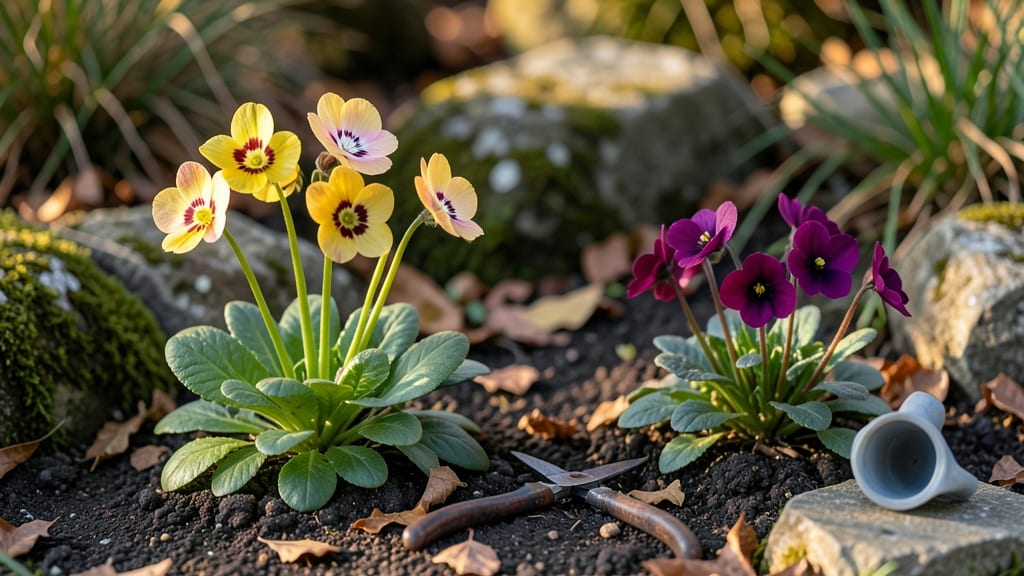
Primroses thrive best in partial shade—about 4-6 hours of morning sun—where they burst into vibrant blooms without scorching. 🌸
Struggling to choose the right primrose for your garden’s lighting conditions? The wrong light exposure can mean fewer blooms—or no blooms at all. Whether your yard leans toward sun-drenched spots or cozy shade, there’s a primrose variety that will flourish.
Sun-loving types like 'Primula auricula' bask in full light, while shade-tolerant picks such as 'Primula obconica' thrive under trees. Below, I’ll break down the best varieties for each setting, plus soil tips and companion plants to keep your garden buzzing with color.
Discover how to match your primroses to their ideal light, avoid common mistakes, and create a showstopping display that blooms from spring to summer.
 Best Window Placement
Sun-loving primrose varieties for full light exposure
If you're dreaming of a vibrant garden bursting with primroses that thrive under the sun, you're in the right place. While many primroses prefer shade, some stunning varieties actually crave full light exposure, blooming more prolifically when they get 6+ hours of direct sunlight daily.
These sun-loving primroses are perfect for sunny borders, rock gardens, or even containers on south-facing patios. Let's explore the best options and how to care for them to ensure continuous, eye-catching blooms.
The key to growing sun-loving primroses successfully lies in three critical factors: selecting the right variety, preparing well-draining soil, and providing consistent moisture without overwatering. Unlike their shade-loving cousins, these primroses need excellent airflow to prevent fungal issues while basking in the sun.
Let's dive into the top varieties that will transform your sunny garden spaces into a colorful spring spectacle.
Primula denticulata (also called the Edelweiss Primrose) is one of the most sun-tolerant varieties, with silvery-green foliage and delicate white or pink flowers. This alpine species thrives in full sun to partial shade, making it incredibly versatile for sunny gardens. Its compact growth habit (6-12 inches tall) also makes it perfect for rock gardens or alpine troughs where it can get maximum sunlight exposure.
Primula auricula, or the Auricle Primrose, is another standout sun-lover with velvety leaves and striking flowers in shades of yellow, orange, red, and purple. Native to the Alps, this variety handles intense sunlight beautifully and even performs well in hot, dry climates when given proper soil preparation. Its flowers often last for weeks, providing long-lasting color in your garden.
Primula veris, commonly known as the Cowslip Primrose, is a classic sun-lover that produces clusters of golden-yellow flowers on sturdy stems. While it can tolerate partial shade, it truly shines in full sun, producing more abundant blooms and stronger stems. This variety is also highly fragrant, making it a great choice for cottage gardens or pollinator-friendly spaces.
To ensure your sun-loving primroses thrive, start with well-amended soil. These varieties prefer sandy or gritty soil that drains quickly to prevent root rot. Mix in compost and perlite to improve drainage, especially if your native soil is heavy clay.
A slightly alkaline pH (6.5-7.5) works best for most sun-loving primroses, so test your soil before planting.
Watering is another critical factor. While these primroses love the sun, they hate soggy roots. Water deeply once a week during dry spells, ensuring the top 2-3 inches of soil dry out between waterings.
In containers, check moisture daily during hot summer months, as potted plants dry out faster. Always water at the base of the plant to keep foliage dry and reduce fungal risks.
Fertilizing sun-loving primroses should be done sparingly. Apply a balanced, low-nitrogen fertilizer (10-10-10) in early spring as new growth appears, then again after flowering. Avoid high-nitrogen fertilizers, which can promote leafy growth at the expense of blooms.
Instead, focus on phosphorus and potassium to encourage strong flower production and root development.
Deadheading spent blooms is a simple but effective way to prolong flowering and keep your sun-loving primroses looking their best. Pinch off faded flowers regularly to redirect the plant's energy into producing new blooms.
This is especially important for Primula veris, which can produce multiple waves of flowers with proper care. Just be sure to wear gloves when handling Primula auricula, as some varieties have mildly irritating sap.
For a stunning display, consider planting sun-loving primroses alongside companion plants that thrive in full sun.
Pair Primula denticulata with lavender or thyme for a fragrant, drought-tolerant combination. Primula auricula looks beautiful with sedum or ornamental grasses, while Primula veris complements foxgloves or catmint in a cottage garden setting. These pairings create textural contrast while ensuring all plants receive adequate sunlight.
With the right variety, soil preparation, and care routine, your sun-loving primroses will reward you with vibrant blooms that last for weeks. Whether you're creating a sunny border, filling a container, or designing an alpine garden, these primroses bring color and charm to even the
Shade-tolerant primroses that flourish in low light
If your garden has shady spots where sunlight barely reaches, don’t despair—primroses thrive there! Varieties like Primula obconica and Primula vulgaris love partial to full shade and reward you with vibrant blooms even in dim corners.
The key lies in moisture-rich soil and gentle care to keep them happy. Let’s explore the best shade-tolerant primroses and how to grow them successfully.
Shade-loving primroses often avoid wilting and pests that plague sun-exposed plants, making them ideal for woodland gardens or north-facing borders. However, not all shade is equal—dappled sunlight (like under trees) works better than dense, dark shade.
These plants need humidity and organic matter in the soil to thrive, so mulching is your best friend.
Shade-Tolerant Primroses: Pros & Cons
Pros ✅
- ✔ Thrives in low light (ideal for woodland gardens)
- ✔ Longer bloom time in cool, shaded spots
- ✔ Fewer pests (avoids aphids common in sun)
- ✔ Moisture-retentive soil reduces watering needs
Cons ❌
- ✖ Poor drainage causes root rot in heavy shade
- ✖ Limited sun may reduce flower quantity
- ✖ Needs rich soil (sandy soil struggles)
- ✖ Overwatering risks fungal diseases
Primula obconica, also called the owl primrose, is a top pick for shade. Its bell-shaped flowers in pink, purple, or white bloom from late winter to spring, even in deep shade gardens. Pair it with hostas or ferns for a lush, woodland feel. Just ensure the soil stays moist but not soggy—this variety hates dry spells.
For partial shade (3–6 hours of sun), try Primula elatior, the oxlip primrose. Its golden-yellow blooms stand out against evergreen foliage and heucheras. This variety tolerates cooler microclimates and blooms earlier than many others.
Amend your soil with compost to boost nutrients, as shade can deplete organic matter over time.
Watering is critical for shade-dwelling primroses. Morning watering prevents fungal issues, and mulch (like shredded bark) keeps roots cool. Avoid overhead watering at night, which can promote mildew.
If your shade is dry (e.g., under east-facing eaves), group primroses with other moisture-lovers like heucheras or astilbes to create a microclimate.
With the right shade-tolerant primrose, your garden’s dimmest corners can burst with color and life. Experiment with Primula vulgaris (the common primrose) for wildflower meadows or Primula denticulata (toothwort primrose) for textured foliage. Just remember: shade + moisture + rich soil = primrose paradise! 🌿