
Lawn
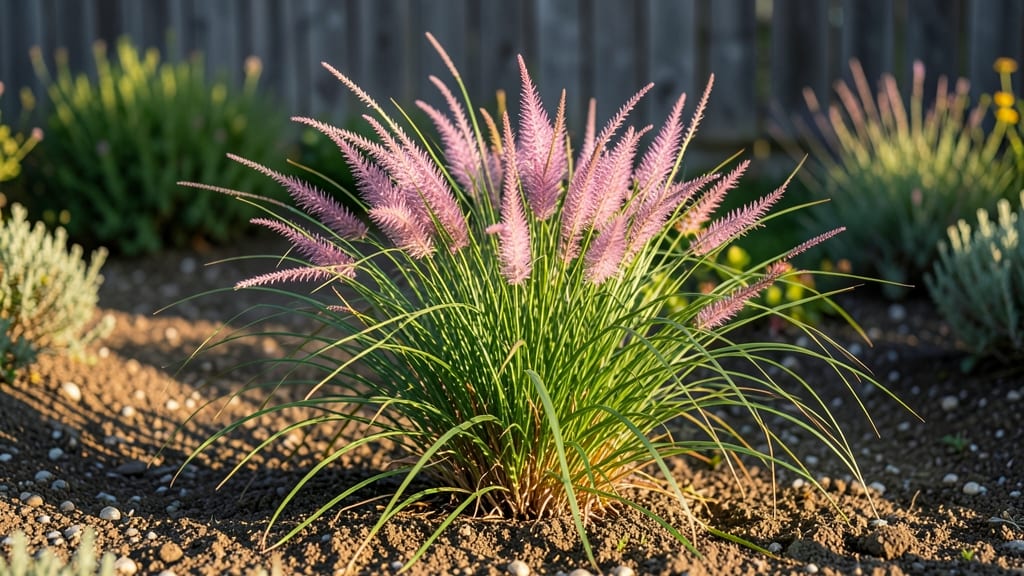
Pink muhly grass thrives in sun or shade with the right care, making it a versatile choice for any garden 🌿—but its feathery pink plumes reveal all too clearly when you get the light wrong.
Picture this: you’ve just planted your dreamy pink muhly grass, only to watch it stretch toward the sky like a sleepy cat in the morning light, or worse, fade into a dull, lifeless shadow.
The good news? This drought-tolerant grass is far more forgiving than most ornamental grasses, and with a few simple adjustments, you can coax those signature plumes into full bloom year after year.
In USDA Zone 6a, where I’ve tested varieties like ‘Pink Flamingo’ and ‘Pink Mist,’ the secret lies in matching the right cultivar to your landscape’s light conditions. Too much shade, and you’ll miss out on those show-stopping blooms; too much harsh sun, and the edges can scorch.
But get it right, and you’ll have a low-maintenance star that thrives in spring planting and beyond.
Below, I’ll walk you through how to choose the perfect spot, adjust your soil, and keep your pink muhly grass looking effortlessly chic—whether it’s basking in full sun or sipping up dappled shade. Ready to turn your garden into a pink-hued paradise?
 Best Window Placement
Sun vs. shade tolerance in pink muhly grass varieties
Pink muhly grass (Muhlenbergia capillaris) is a drought-tolerant ornamental grass prized for its pink feathery plumes that dance in the breeze. While it thrives in full sun, many gardeners wonder if it can adapt to shade conditions.
The answer depends on the specific variety and your local climate. Some cultivars, like 'Pink Flamingo', handle partial shade better than others, making them ideal for woodland gardens or urban landscapes with limited sunlight.
Understanding each variety’s sunlight requirements helps you place pink muhly grass where it will flourish year-round. For example, 'Pink Mist' performs well in bright indirect light, while 'Pink Cloud' may struggle in deep shade.
Below, we compare the top pink muhly grass varieties based on their sun vs. shade tolerance, growth habits, and drought resilience to help you make the best choice for your garden.
Comparison Table: Pink Muhly Grass Varieties by Sun/Shade Tolerance
The 'Pink Flamingo' variety is my top pick for sun-loving gardens because it produces the most vibrant pink plumes when given 6+ hours of sunlight. In partial shade, its growth may slow, and plumes could appear less dense.
However, in hot, dry climates, like USDA Zone 8 or 9, providing afternoon shade helps prevent leaf scorch while maintaining its drought tolerance.
For shadier landscapes, 'Pink Mist' is a standout choice. It tolerates dappled sunlight and even performs well under tree canopies, making it perfect for woodland gardens or patio containers.
That said, its plume production will be less dramatic compared to sun-grown varieties. If you’re planting in deep shade, consider pairing it with sun-loving perennials nearby to ensure balanced light exposure.
When selecting a variety, also consider your soil type. Pink muhly grass prefers well-draining soil—whether sandy, loamy, or rocky—as it hates soggy roots. In shady spots, amend the soil with compost or perlite to improve drainage and prevent root rot. Mulching with pine straw
How to grow pink muhly grass in low-light areas (shade tips)
Pink muhly grass (Muhlenbergia capillaris) thrives in full sun, but with the right adjustments, it can also flourish in partial shade or dappled sunlight. The key is understanding how to optimize its environment for plume production and root health when light is limited.
In low-light areas, this ornamental grass may grow slightly slower but still delivers stunning pink feathery blooms with proper care.
Before planting, test your shade levels—morning sun with afternoon shade is ideal, while deep shade (less than 3 hours of light) will stunt growth. Amend your soil with organic compost to improve drainage, as muhly grass hates soggy roots.
This grass prefers sandy or loamy soil with a pH of 6.0-7.5, which helps it adapt to less sunlight by maximizing nutrient uptake.
⚠️ callout warningWhile pink muhly grass tolerates partial shade, deep shade (under 3 hours of light/day) will reduce plume size and color intensity. If planting in shade, choose 'Pink Flamingo' or 'Pink Mist' varieties—they handle low light better than others. Avoid heavy shade from trees, as competing roots can drain soil nutrients.
🌿 Pro Tip: Place in eastern-facing beds for gentle morning light without harsh afternoon heat.
Adjust your watering schedule when growing pink muhly grass in shade—it needs slightly more moisture than sun-loving plants but still resists drought once established. Water deeply 1-2 times per week (instead of daily shallow watering) to encourage deep root growth.
In containers, check soil moisture every 3-4 days—shade slows evaporation, so overwatering is a risk.
Pair pink muhly grass with shade-tolerant companions to create a thriving low-light garden. Try heuchera (coral bells), hostas, or ferns—these plants share similar moisture and light needs while adding texture.
Avoid competitive ground covers like ivy, which can smother muhly grass roots. A 2-3 inch layer of mulch (pine straw or shredded bark) helps retain moisture and regulate soil temperature.
Prune your pink muhly grass in late winter or early spring before new growth appears. Cut back dead plumes to the base but leave green foliage intact—this protects the plant during dormancy.
In shaded areas, you may see fewer plumes, but they’ll still bloom if given bright indirect light (like near a south-facing window in containers). Fertilize lightly in early spring with a balanced 10-10-10 formula to support slower growth in shade.
Monitor for pests like spider mites or fungal issues (e.g., powdery mildew) in shaded conditions—both thrive in humid, low-light environments. If leaves look yellow or crispy, increase airflow by spacing plants 18-24 inches apart.
With patience and these adjustments, your pink muhly grass will reward you with soft pink clouds even in shadier corners of your garden! 🌷