
Companion Plants
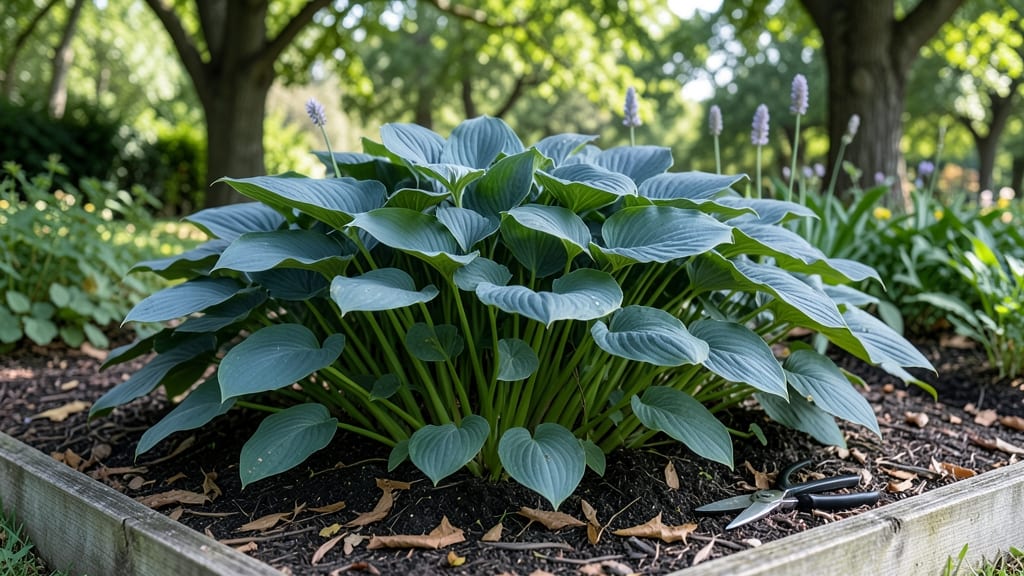
Zone 9’s shade gardens come alive with perennials that turn dim corners into lush, textured showcases. 🌿 I’ve spent years trialing bold foliage plants that refuse to fade in the dappled light beneath my oak—plants like heucheras with their jewel-toned leaves and astilbes that dance on delicate stems.
These aren’t wilting, forgettable shade plants; they’re the stars of your garden’s darkest spots, thriving where others struggle.
The secret lies in three things: moisture-loving soil, competitive root systems, and heat tolerance. Zone 9’s warm winters and dry summers demand plants that won’t bake or rot.
Most need well-draining but consistently moist soil—think amended native soil with compost—and partial shade (2-6 hours of filtered light). Hostas and ferns? Classic choices, but they flop in summer heat. Instead, focus on heucheras, coral bells, and Japanese painted ferns—they handle the humidity and heat better.
By late spring, your shade garden will burst with velvety foliage in shades of burgundy, chartreuse, and deep purple. The key is mulching heavily (3-4 inches) to retain moisture and watering deeply but infrequently—once a week in summer, less in winter.
You’ll avoid the soggy soil that invites fungal diseases while keeping roots cool. These plants reward patience with year-round interest, from spring’s fresh growth to winter’s persistent structure.
For the tricky parts—like competing with tree roots—container growing is your friend. Use 18-24 inch pots for heucheras or astilbes near aggressive roots, and swap soil every 2-3 years. And if slugs become a problem (they will), diatomaceous earth or copper tape works better than chemical sprays.
The goal? A shade garden that’s low-maintenance but high-impact—where you spend less time fussing and more time admiring.
📚 In This Guide
- What you need
- Instructions
- Tips and common mistakes
- Wrapping up and next steps
What you need
- ● Perennial shade plants (Zone 9-hardy): 5–10 plants of Hosta (e.g., 'Blue Angel' or 'Francee')
- ● 3–5 Hellebores (e.g., 'Lime Rickey' or 'Black Beauty')
- ● 2–3 Astilbes (e.g., 'Deutschland' or 'Fanal')
- ● 1–2 Ferns (e.g., Dryopteris or Matteuccia)
- ● 1–2 Heucheras (e.g., 'Palace Purple' or 'Lime Rickey')
- ● Soil amendments: 5–10 gallons of peat moss or coconut coir (for moisture retention)
- ● 5 lbs of compost (well-aged, organic)
- ● 1 lb of slow-release fertilizer (10-10-10 or similar)
- ● Mulch: 1–2 bags of wood chips or shredded bark (3–4 inches deep)
- ● Essential tools: 1 garden trowel (for planting)
- ● 1 pruning shears (for cleanup)
- ● 1 garden fork (for aerating soil)
- ● 1 watering can or hose with gentle spray nozzle
- ● 1 gloves (gardening or work gloves)
- ○ Optional (but helpful) tools: 1 soil pH test kit (to check acidity levels)
- ● 1 wheelbarrow (for hauling materials)
- ● 1 stake or trellis (for climbing plants like Clematis)
- ● Location: A shaded area receiving 2–6 hours of filtered light daily (avoid deep, dark shade).
- ● Soil prep: Well-draining, moist but not soggy soil with a pH of 5.5–6.5 (most shade plants prefer slightly acidic soil).
- ● Timing: Plant in early spring or fall to avoid extreme heat or cold.
- ● Water access: A reliable water source (drip irrigation or hose) for consistent moisture.
Step-by-step guide to designing a thriving perennial shade garden in Zone 9
Here's how to create a lush, low-maintenance shade garden that steals the show with minimal sunlight.
🌿 Step 1: Select the Right Perennial Varieties for Zone 9 Shade
Focus on plants that tolerate 2-4 hours of morning sun and thrive in 40-60% shade. Zone 9's mild winters let you include tender perennials like Hosta 'Blue Angel' (with its dramatic blue-green foliage) or Astilbe 'Fanal' (feathery plumes in pink). For bold texture, Heuchera 'Palace Purple' delivers deep burgundy leaves that glow in filtered light.
I always include at least one variegated plant—like Lamium maculatum 'Beacon Silver'—to add movement and contrast. These shade lovers handle Zone 9's humidity better than sun-dependent plants, and their deep root systems prevent soil erosion. Check each plant's mature size to avoid overcrowding; Hosta varieties can spread 3-4 feet wide over time.
🪴 Step 2: Prepare the Soil for Moisture-Retentive Growth
Amend your existing soil with 3-4 inches of compost and a 2-inch layer of organic mulch. Zone 9's clay-heavy soils often compact, so I mix in 20% perlite or pumice to improve drainage while retaining moisture. Test your soil's pH—most shade perennials prefer 6.0-6.5, though Heuchera tolerates slightly acidic conditions.
Dig a 12-inch deep hole. for each plant and loosen the soil at the bottom to encourage root spread. Add a handful of slow-release fertilizer. (like 10-10-10) to the backfill soil, but avoid high-nitrogen blends—these promote leafy growth at the expense of flowering. Water the hole thoroughly before planting to settle the soil.
☀️ Step 3: Plant with Strategic Spacing and Layering
Arrange plants in odd-numbered groupings for natural flow—three Hosta plants in a triangle creates visual balance. Place taller varieties like Astilbe (up to 2 feet tall) at the back, with medium-height Heuchera (1-1.5 feet) in the middle, and low-spreading Lamium (6-12 inches tall) at the front. Space perennials 18-24 inches apart. to allow airflow and prevent fungal diseases common in shade.
Dig each hole twice as wide. as the root ball but only as deep as the container's base. Gently remove the plant, tease the roots outward if pot-bound, and place it in the hole so the crown sits 1 inch above soil level.. Backfill with native soil (not amended mix) to prevent root disturbance. Water immediately to eliminate air pockets.
💧 Step 4: Establish a Consistent Watering Routine
Zone 9's dry summers demand 1 inch of water weekly. during the first growing season, delivered either through rainfall or irrigation. I use drip lines buried 2 inches deep. to encourage deep root growth. Water in the early morning. to reduce evaporation and fungal risks. After establishment (around 6-12 months.), most shade perennials become drought-tolerant once their roots spread.
Mulch with 3 inches of shredded bark or wood chips. to conserve moisture and suppress weeds. Keep mulch 6 inches away from plant stems. to prevent rot. You'll know your watering is right when the soil feels like a wrung-out sponge—damp but not soggy—and leaves stay crisp without wilting.
✂️ Step 5: Maintain with Seasonal Pruning and Fertilizing
Prune Astilbe and Heuchera in early spring. before new growth appears, removing any dead or damaged foliage. Cut back Lamium by one-third. after flowering to encourage bushier growth. For Hosta, wait until late spring. to prune—these plants store energy in their leaves, and early cuts reduce vigor.
Fertilize lightly in early spring. with a balanced 5-5-5. formula, applying only half the recommended rate. Over-fertilizing shade plants leads to weak stems and attracts pests. In Zone 9's fall., reduce watering gradually as temperatures drop—perennials need less moisture when growth slows. Divide crowded plants like Hosta every 3-4 years. in early spring for renewed vitality.
Tips & tricks for perfect perennial shade gardens in Zone 9
Creating a stunning shade garden in Zone 9 takes thoughtful planning—here's how to elevate your design beyond the basics.
Plant Placement Strategy: Zone 9's morning sun is your secret weapon. Position taller plants like Astilbe on the north side of your garden where they'll receive those crucial 2-4 hours of morning light without afternoon sunburn. The variegated Lamium maculatum 'Beacon Silver' thrives in deeper shade, making it perfect for the garden's center where light filters through. I've found that placing Heuchera varieties near the front edge catches any dappled light that reaches the ground.
Soil Amendment Secrets: The 3-4 inches of compost and 20% perlite mix creates the ideal moisture-retentive environment, but don't stop there. For clay-heavy Zone 9 soils, I add a handful of leaf mold (decomposed leaves) to the hole before planting—it improves structure better than sand alone. This combination prevents the dreaded "baked soil" effect that causes roots to suffocate during our dry summers.
Layering Like a Pro: When arranging your odd-numbered groupings, think vertically as well as horizontally. The Hosta 'Blue Angel' with its dramatic blue-green foliage should be placed where it can be seen from multiple angles—never tucked behind other plants. For maximum impact, I plant the tallest varieties first, then fill in with medium-height Heuchera and finally the low-growing Lamium. This creates natural layers that draw the eye through the garden.
Watering Wisdom: That 1-inch weekly watering guideline is perfect, but timing matters just as much. I've learned the hard way that watering in early morning (before 9 AM) prevents fungal diseases that thrive in Zone 9's humidity. For newly planted perennials, I add a slow-release watering crystal to each hole—it provides consistent moisture for up to 6 months while I establish the drip irrigation system. The key is keeping soil damp but never soggy, which is why I always check for that "wrung-out sponge" texture.
Pro Tips for Perennial Shade Plants Zone 9
- Creating a stunning shade garden in Zone 9 takes thoughtful planning—here's how to elevate your design beyond the basics.
- Plant Placement Strategy: Zone 9's morning sun is your secret weapon.
- Soil Amendment Secrets: The 3-4 inches of compost and 20% perlite mix creates the ideal moisture-retentive environment, but don't stop there.
Frequently asked questions
Got questions about keeping your Zone 9 shade garden vibrant? Here are some of the most common concerns—and their answers—to help you grow with confidence!
What are the toughest perennial shade plants for Zone 9?
Look for carex (sedges), heuchera (coral bells), astilbe, and hostas—they handle heat and humidity while thriving in low light. Pro tip: Native plants like caladium or tiarella (foamflower) are also hardy and drought-tolerant once established.
When is the best time to plant shade perennials in Zone 9?
Plant in early spring (March–April) or fall (September–October) to avoid extreme heat. Avoid summer planting—roots can dry out or struggle in the intense sun they’ll eventually escape. Fall is ideal for perennials to establish before winter.
How do I keep shade plants from looking dull or leggy?
Leggy growth often means too much light or poor nutrition. Trim back overgrown foliage in early spring, and mulch heavily (3–4 inches) to retain moisture. Fertilize lightly with balanced, slow-release fertilizer in spring and fall.
Can I grow perennials in deep shade (no direct sunlight)?
Yes! For deep shade (0–2 hours of sun), try ferns (e.g., matteuccia), heuchera (purple varieties), or liriope (monkey grass). These thrive where others fail. Just ensure well-draining soil—even shade plants hate soggy roots!
Why are my shade plants wilting or yellowing in Zone 9?
Yellowing leaves often signal overwatering or nutrient deficiency. Check soil moisture—shade plants need consistent but not soggy conditions. Yellow edges? Add iron or chelated fertilizer. Pests like slugs can also be culprits—try beer traps or diatomaceous earth!
Wrapping up and next steps
Transforming your shady Zone 9 garden into a lush, vibrant retreat is totally doable—you’ve got this! 🌿 From the striking foliage of Caladiums to the hardy charm of Hosta and Heuchera, these perennials prove that shade doesn’t mean boring.
Start small with a few of your favorites, experiment with textures, and watch your space come alive with color and life.
Ready to take the next step? Sketch a quick layout of your garden beds, jot down your top picks, and visit a local nursery to see (and touch!) the plants in person. Happy gardening—your shade garden is about to shine! ✨