
Flowers
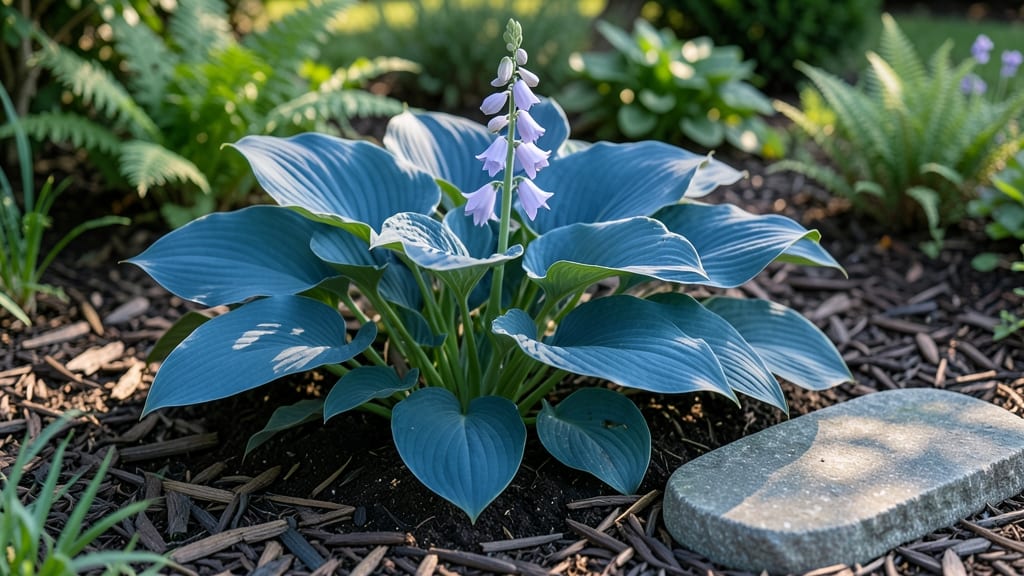
Zone 5 shade gardens don’t have to be dull—perennial shade flowers bring bold color and texture even when sunlight is scarce. 🌿 I’ve transformed my own shady corners with plants that thrive in cool climates, from early spring epimedium to late-season astilbe, and the results are nothing short of dramatic.
The secret lies in choosing the right plants—hostas with chartreuse foliage, heucheras that glow like copper, and bleeding hearts that bloom pink in April. These perennials handle Zone 5’s cold winters and humid summers while demanding minimal care.
With the right soil (rich, moist, and well-draining) and a little mulch, they’ll spread and multiply year after year.
By mid-summer, your garden will burst with deep purple astilbe plumes, white foamflowers dancing in the breeze, and ferns that stay lush all season. The best part?
These plants attract pollinators even in low light, turning your shady spot into a thriving ecosystem. No more boring green—just year-round interest with almost no effort.
Whether you’re working with deep shade under trees or dappled light on a north-facing wall, these perennials adapt easily. Start with just three varieties—like Hosta ‘Blue Angel’, Heuchera ‘Palace Purple’, and Astilbe ‘Fanal’—and watch your garden transform into a vibrant, low-maintenance retreat.
The key is patience; shade perennials reward slow, steady growth with decades of beauty.
📚 In This Guide
- What you need
- Instructions
- Tips and common mistakes
- Wrapping up and next steps
What you need
- ● Perennial shade flowers (Zone 5-hardy): 10–20 Hosta plants (e.g., 'Blue Angel' or 'Halcyon')
- ● 5–10 Bleeding Heart (Dicentra spectabilis) tubers
- ● 5–8 Astilbe plants (e.g., 'Fanal' for feathery plumes)
- ● 3–5 Hellebore (Lenten Rose) plants (e.g., 'Black Beauty')
- ● 5–10 Japanese Painted Fern (Athyrium) for texture
- ● 3–5 Coral Bells (Heuchera) (e.g., 'Palace Purple')
- ● Soil amendments: 5–10 lbs. compost (for enriching clay or sandy soil)
- ● 2–3 lbs. organic mulch (e.g., shredded bark or leaf mold)
- ● Tools: 1 garden trowel (for precise planting)
- ● 1 pruners (sterilized, for trimming)
- ● 1 garden fork (to loosen compacted soil)
- ● 1 watering can (with a rose nozzle, 1–2 gallons)
- ● Slow-release fertilizer (e.g., 10-10-10, 1 lb. per 10 sq. ft.)
- ● Mulch fabric (to suppress weeds in heavy shade)
- ● Decorative garden stones (for borders or pathways)
- ● pH test kit (to check soil acidity—ideal range: 5.5–6.5)
- ● Label tags (for tracking varieties)
Step-by-Step guide to planting perennial shade flowers in Zone 5
Here's how to create a vibrant shade garden that thrives year after year.
🌱 Step 1: Choose the Right Plants for Your Shade Conditions
Zone 5 shade gardens thrive with perennials that tolerate low to moderate light (2-6 hours of direct sun). I recommend starting with hostas, astilbes, lungworts, and bleeding hearts—they handle the cool, damp conditions while delivering bold foliage and flowers. Check your shade type: dry shade (under trees) or moist shade (near water features or north-facing walls). Dry shade plants like solitary asters need well-draining soil, while moist shade lovers like Japanese painted ferns thrive in consistently damp conditions.
Real talk: Avoid sun-loving perennials like daylilies or coneflowers—they'll struggle and disappoint you. Instead, focus on plants that naturally grow in woodland understories. I always verify a plant's native range (e.g., eastern North America for bleeding hearts) to ensure it matches your climate.
🪴 Step 2: Prepare the Soil for Moisture Retention and Drainage
Shade perennials hate soggy roots but also need consistent moisture. Amend your soil with 3 inches of organic matter (like compost or leaf mold) mixed into the top 12 inches of soil. This improves drainage while holding moisture. For clay-heavy soil, add sand or perlite to prevent compaction. I like to work in 1 part compost to 3 parts native soil—this balances fertility without overwhelming the plants.
Test your soil's moisture by squeezing a handful: it should hold together but not drip water. If it's too dry, add peat moss to retain moisture; if it's too wet, incorporate coarse sand or gravel for better drainage. This step is critical—skipping it leads to root rot in heavy clay or wilting in sandy soil.
☀️ Step 3: Plant at the Correct Depth and Spacing
Dig holes twice as wide as the root ball but only as deep as the root ball itself. Press the plant in so the top of the root ball sits just below soil level—this prevents stem rot from sitting water. Space perennials 12-24 inches apart, depending on their mature size (check plant tags for guidance). For example, hostas need 18-24 inches of space, while lungworts thrive in 12-inch spacing. Crowding leads to competition, which weakens growth.
Water deeply after planting to settle the soil and remove air pockets. You'll see the soil surface settle slightly—this confirms good root-to-soil contact. Mulch with 2-3 inches of shredded bark or leaves to retain moisture and suppress weeds. Avoid fresh wood chips, which can rob nitrogen from the soil.
💧 Step 4: Water and Fertilize for First-Year Establishment
Keep the soil evenly moist but not soggy for the first 4-6 weeks after planting. Water deeply 2-3 times per week (more in extreme heat or drought). You'll know moisture is right when the top 1-2 inches of soil feel damp—stick your finger in to check. Overwatering is the biggest mistake here; shade plants are prone to root rot if their feet stay wet.
Fertilize lightly in early spring with a balanced, slow-release fertilizer (10-10-10 or 5-10-10). Too much nitrogen makes shade plants grow weak, leggy stems. Instead, focus on phosphorus and potassium to encourage strong roots and blooms. I skip fertilizer in the first year—new plants need time to establish roots before competing for nutrients.
✂️ Step 5: Prune and Mulch for Long-Term Success
Remove dead or yellowed leaves in early spring to encourage new growth. For bleeding hearts, cut back old foliage to the ground once it turns brown. Astilbes and lungworts can be trimmed back by half their height in early spring to promote bushier growth. Avoid heavy pruning in fall—this can stress plants before winter. You'll see fresh, vibrant foliage emerge within 2-3 weeks of pruning.
Replenish mulch annually in late winter or early spring to protect roots from temperature swings. A 3-inch layer keeps soil cool in summer and insulated in winter. This is the secret to perennials thriving for 5+ years with minimal effort. Watch for voles or slugs in spring—they love tender new growth. Handpick them early to avoid damage.
Tips & tricks for perfect perennial shade gardens
Creating a thriving shade garden takes more than just planting—it's about understanding the subtle balance of light, soil, and plant needs. Here's what I've learned to make sure your Zone 5 shade flowers not only survive but flourish.
Light Assessment: The 2-6 hours of direct sun mentioned in Step 1 is crucial, but don't rely solely on guesswork. Use a light meter or observe your garden throughout the day. Early morning sun behaves differently than afternoon sun—morning light is gentler and more beneficial for most shade perennials. I always check light conditions for at least 3 days before selecting plants, especially for moisture-loving varieties like Japanese painted ferns.
Soil Texture Test: The soil preparation in Step 2 can't be rushed. After amending with 3 inches of organic matter, perform a simple texture test: grab a handful of moist soil and try to form a ball. If it crumbles easily, your soil is too sandy; if it stays perfectly intact, it's too clay-heavy. I've found that adding 1 part vermiculite to the compost mix helps create the ideal balance for shade plants, especially in heavy clay soils common to Zone 5.
Planting Depth Visual: When planting in Step 3, use the root ball as your guide—but don't just eyeball it. Press the plant in until the top of the root ball sits just below soil level, then use your finger to create a slight depression around the base. This creates a water catchment that prevents stem rot. For container-grown plants, gently loosen the roots before planting to encourage better soil contact and reduce transplant shock.
Watering Schedule: The 4-6 week watering window in Step 4 is your critical establishment period. Use a moisture meter to verify soil dampness rather than relying on memory. I've noticed that shade gardens in Zone 5 often need watering more frequently than expected—even in cooler months. Consider installing a drip irrigation system on a timer for consistent moisture without overwatering, especially during the first growing season.
Pro Tips for Perennial Shade Flowers Zone 5
- Creating a thriving shade garden takes more than just planting—it's about understanding the subtle balance of light, soil, and plant needs.
- Light Assessment: The 2-6 hours of direct sun mentioned in Step 1 is crucial, but don't rely solely on guesswork.
- Soil Texture Test: The soil preparation in Step 2 can't be rushed.
Frequently asked questions
Got questions about growing perennial shade flowers in Zone 5?
You’re not alone! Here are answers to the most common queries to help you create a thriving, low-light garden.
What are the easiest perennial shade flowers for beginners in Zone 5?
Start with hardy, low-maintenance picks like heuchera (coral bells), hostas, or astilbe. These tolerate poor soil, irregular watering, and even some foot traffic. Bleeding heart (Dicentra spectabilis) is another crowd-pleaser—just plant it in well-draining soil for best results!
When is the best time to plant perennial shade flowers in Zone 5?
Early spring (April–May) or early fall (September–October) are ideal. Spring gives roots time to establish before summer heat, while fall planting lets them settle before winter dormancy. Avoid planting in extreme heat or freezing temps—your flowers will thank you!
How do I keep my shade flowers blooming all season?
Most shade perennials bloom in spring or early summer, but you can extend the show with layered planting. Pair early bloomers like lungwort (Pulmonaria) with mid-season stars like foxglove (Digitalis) and late-season Japanese anemone (Anemone hupehensis). Deadhead spent blooms to encourage reblooming where possible!
Why aren’t my shade flowers blooming, even though they look healthy?
Several factors could be at play: too much shade (aim for 3–6 hours of dappled light), over-fertilizing (shade plants prefer lean soil), or not enough nutrients. Try a slow-release, balanced fertilizer in early spring. If the issue persists, check for pests or fungal issues (like powdery mildew) and adjust watering habits.
Can I grow shade flowers in containers in Zone 5?
Containers work great for shade-loving perennials like fuchsias or impatiens, but choose well-draining pots and use a quality potting mix. Move containers to a sheltered spot in winter if temps drop below 20°F. Just remember: root-bound plants struggle, so repot every 2–3 years!
Wrapping up and next steps
Transforming your shady garden into a vibrant retreat is easier than you think! With the right perennial shade flowers for Zone 5, you can enjoy bold blooms, year after year, even in low-light areas.
Whether you’re drawn to the elegance of heucheras or the cheerful pop of astilbes, these plants prove that shade doesn’t mean sacrificing beauty.
Ready to take the next step? Start small—pick one or two plants to test your space, then expand as you gain confidence. Happy gardening, and may your shady spots shine brighter than ever! 🌿✨