
Size
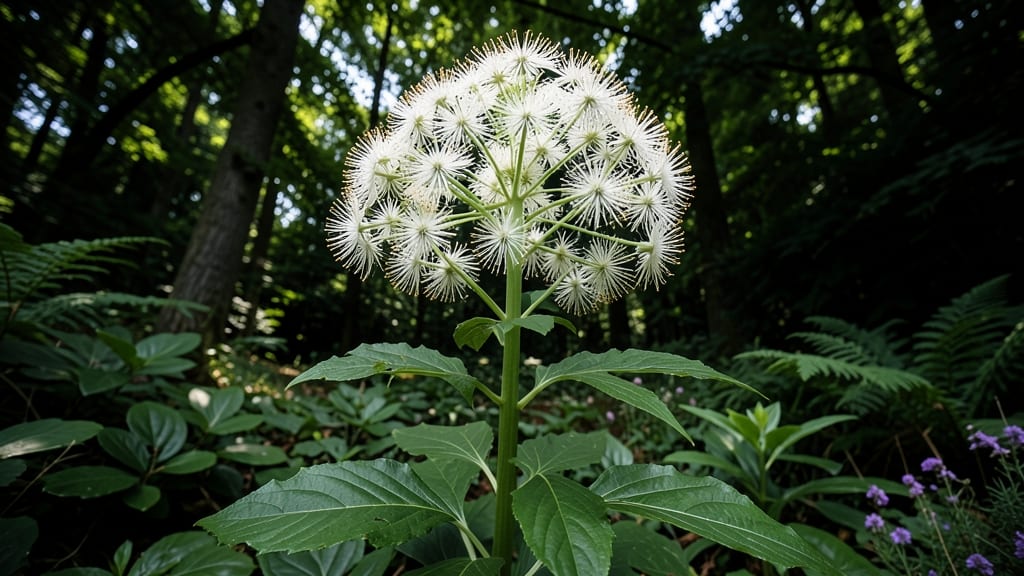
Struggling to keep your shady garden vibrant? These 10 hardy perennial plants thrive in low-light conditions, offering year-round beauty with minimal care—ideal for under trees, north-facing yards, or dense foliage areas.
Hostas for Lush Green Ground Cover
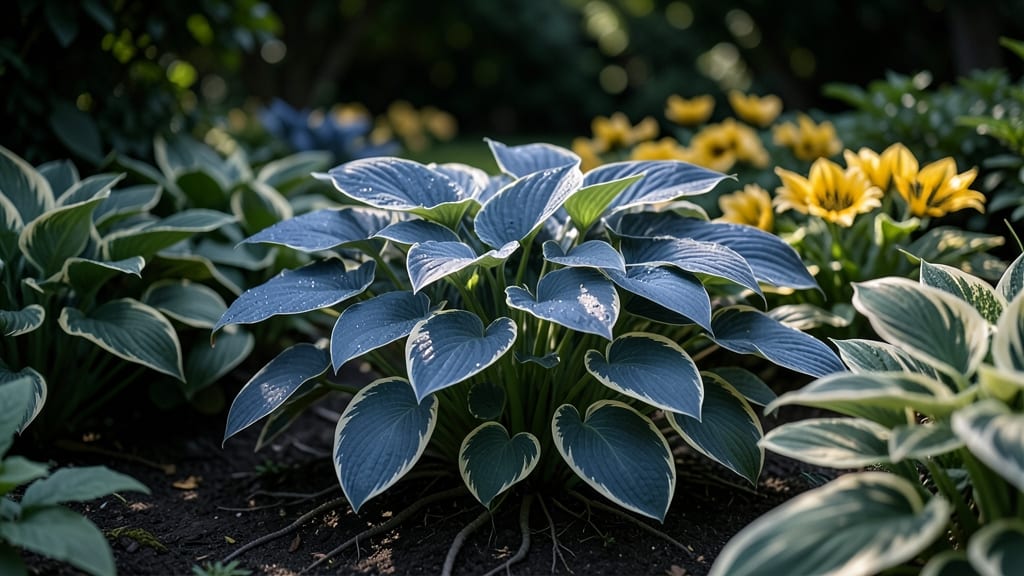
Transform your shady spots into a low-maintenance oasis with hostas, the ultimate shade garden workhorse. These perennials offer unmatched foliage variety—think deep blue, golden-yellow, or variegated patterns—that thrives where other plants struggle, making them ideal for borders or mass planting under trees.
Hostas tolerate deep shade and even suppress weeds naturally, thanks to their dense, spreading growth. Plant them in moist, well-draining soil and mulch annually to retain moisture and regulate soil temperature. With over 3,000 cultivars, you can mix textures and colors for year-round interest, from chartreuse leaves in spring to burgundy hues in fall.
Perfect for beginners or busy gardeners, hostas require minimal care beyond occasional division every 3-4 years to keep them vigorous. Their adaptability makes them a staple in shade gardens, whether you're filling a dark corner or creating a lush, weed-free ground cover. 🌿
Heucheras with Striking Foliage Colors
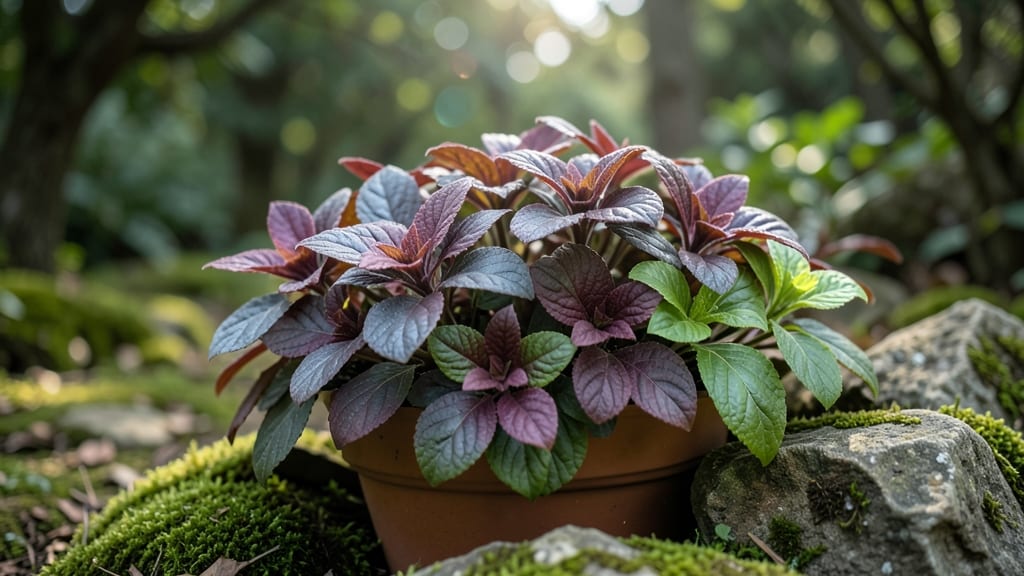
If your shady spots feel like forgotten corners, heucheras are the vibrant solution you’ve been missing. These drought-resistant perennials pack a punch with foliage in burgundy, silver, or lime green, thriving where other plants wilt—even in dry shade.
Perfect for containers or rockeries, heucheras require minimal care: water only when the top inch of soil feels dry, and they’ll reward you with year-round color (though they may drop leaves in harsh winters). Their compact size (12–18 inches tall) makes them ideal for small spaces, and they bloom with delicate spring flowers as a bonus.
Urban gardeners and rock garden enthusiasts will love how heucheras add texture and color without demanding attention. They’re also deer-resistant, making them a low-stress choice for problem areas. 💚
Bleeding Heart for Delicate Spring Blooms
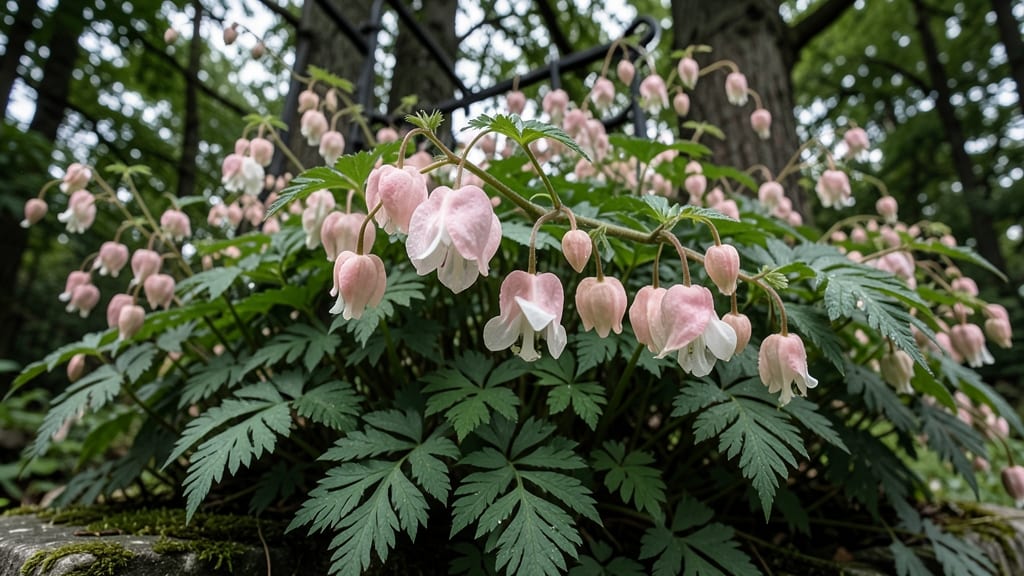
Craving a romantic, old-fashioned charm in your shade garden? Bleeding heart (Dicentra spectabilis) delivers dreamy, heart-shaped blooms in soft pink or white that seem to cascade from their lacy foliage—like nature’s own valentine.
This classic shade perennial thrives in partial shade (3–6 hours of sun) and reblooms in cooler months when many plants fade. Plant in moist, well-draining soil enriched with compost, and space them 18–24 inches apart for a dramatic woodland effect. Deadhead spent blooms to encourage a second flush in late summer, and mulch to retain moisture—critical for their delicate roots. 🌷
Perfect for cottage gardens, woodland edges, or as a dramatic spiller in containers, bleeding heart brings effortless elegance to shady spots while attracting hummingbirds. Just be patient—it takes 2–3 years to reach full bloom potential! ✨
Astilbes with Feathery Flower Plumes
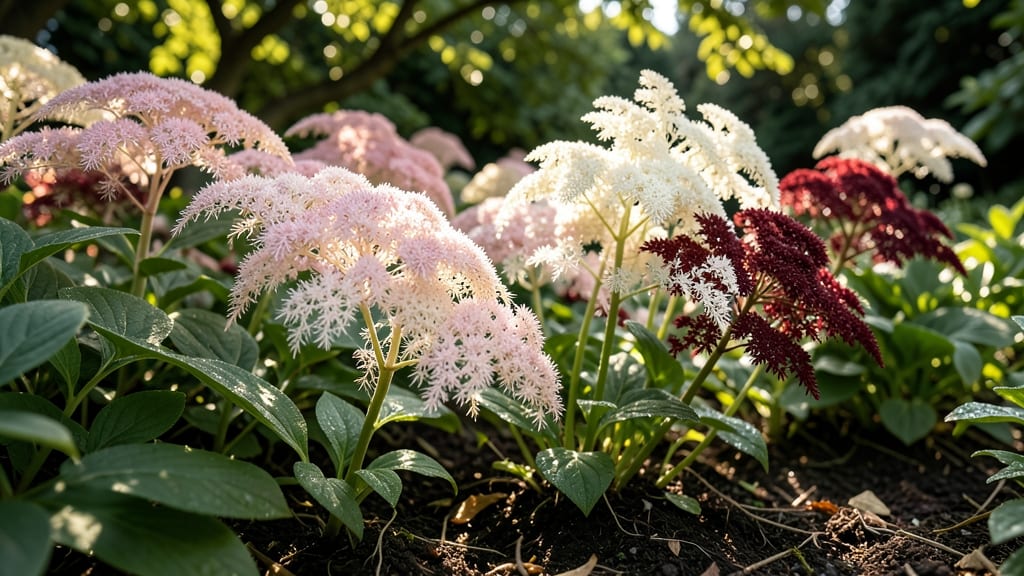
Tired of dense, leafy hostas crowding your shade garden? Astilbes offer a lighter, more delicate solution with their feathery plumes in soft pink, white, or deep red—perfect for adding movement and texture to shady spots.
These pollinator magnets thrive in moist, well-drained soil and partial to full shade, making them ideal for woodland gardens or understory plantings. With varieties like 'Fanal' (deep pink) or 'Deutschland' (white), you can enjoy blooms from early to mid-summer. Simply deadhead spent flowers to encourage a second flush and watch butterflies flock to your garden. 🌿
Japanese Painted Fern for Texture
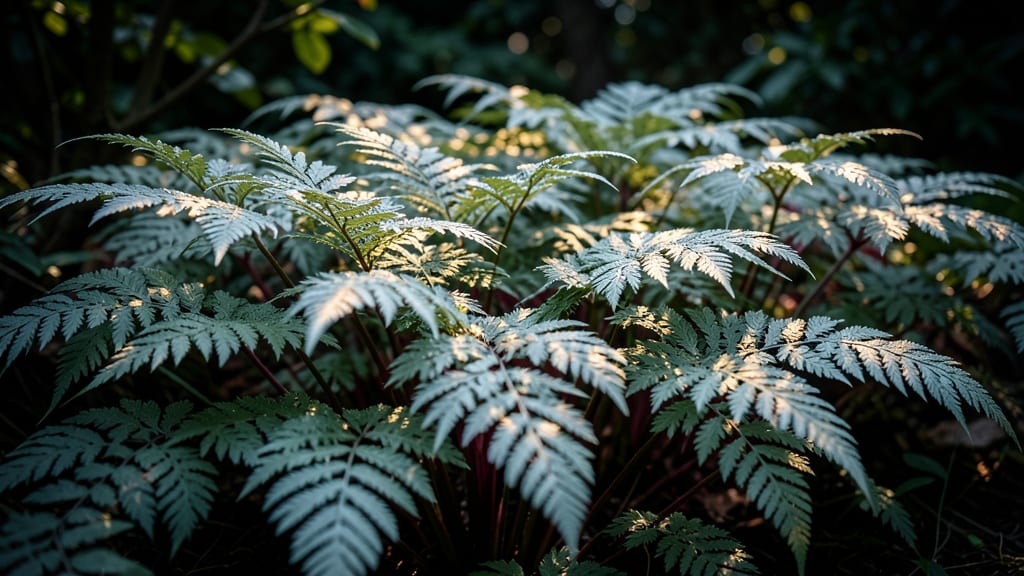
Want to add architectural drama to your shade garden without sacrificing color? The Japanese painted fern (Athyrium niponicum var. pictum) delivers silvery-green fronds with burgundy undersides that catch the light like stained glass when backlit by dappled sunlight.
This clump-forming perennial thrives in deep shade to partial sun, making it perfect for understory planting where few other plants survive. Its textured, lace-like foliage stays vibrant year-round, and its compact size (18–24 inches tall and wide) makes it ideal for woodland gardens, fairy gardens, or as a focal point in container arrangements. Simply keep the soil consistently moist—it tolerates average to rich soil but dislikes drought.
Gardeners with limited space or those seeking low-maintenance texture will love this fern’s ability to create visual interest without demanding attention. Pair it with hostas or heucheras for a layered, evergreen shade garden. 💚
Lungwort for Medicinal Beauty
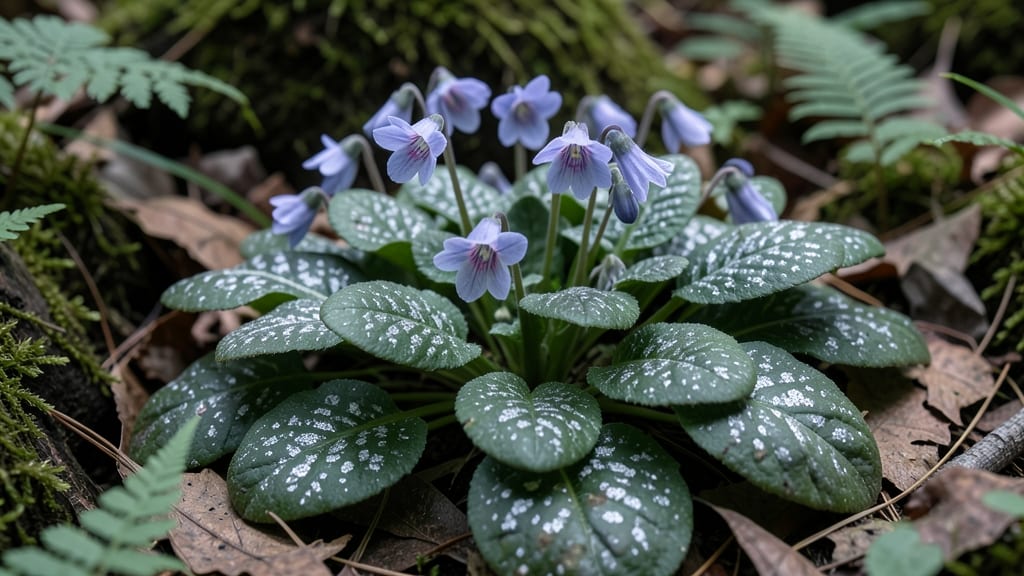
Lungwort (Pulmonaria) is the unsung hero of shady gardens—its silver-spotted leaves and delicate blue-purple blooms create a woodland fairy-tale effect while requiring almost no effort. Unlike other shade plants, lungwort thrives in dry conditions, making it perfect for understory areas where moisture is scarce.
This self-seeding perennial spreads gently over time, filling gaps naturally without becoming invasive. Historically, its leaves were used in herbal remedies for respiratory health (hence the name), and modern gardeners value it for its year-round interest—silver foliage in spring, blooms in early spring, and fresh green leaves by summer. Plant it in partial to full shade with well-draining soil, and it’ll reward you with minimal care.
Ideal for cottage gardens, woodland edges, or even container plantings, lungwort adds both beauty and history to your shade garden. Its adaptability makes it a favorite among low-maintenance gardeners who want effortless charm. ✨
Solomon’s Seal with Arching Stems
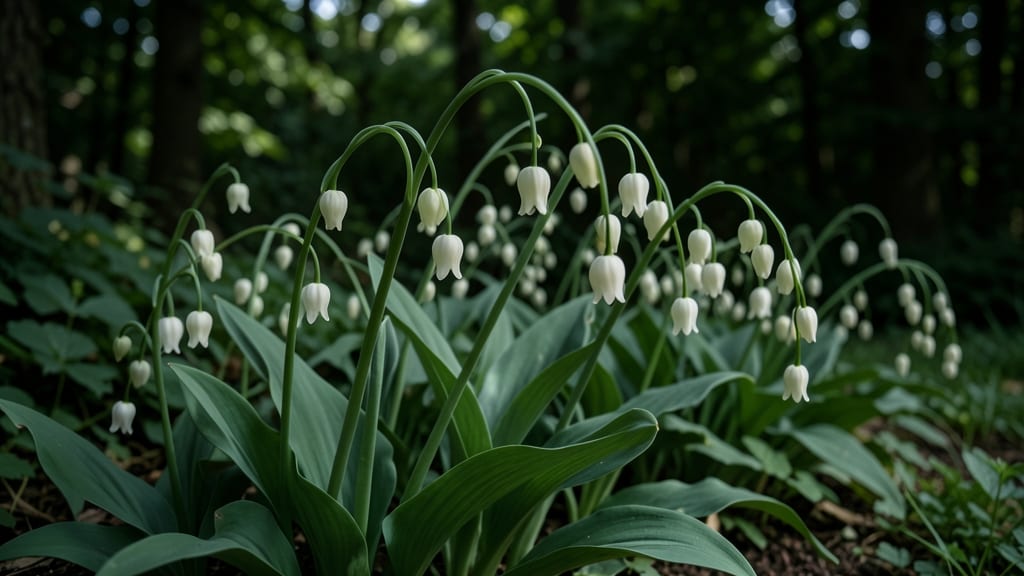
Looking to add vertical drama to your shady garden without sacrificing elegance? Solomon’s seal (Polygonatum) delivers with its arching, graceful stems that create natural curves and cascading white bell flowers—perfect for borders where other plants struggle in deep shade.
This low-maintenance perennial thrives in partial to full shade, making it ideal for understory planting or north-facing beds. Its dangling flowers appear in spring, followed by edible blue-black berries that add seasonal interest. Plant in moist, well-draining soil and space stems 18–24 inches apart to let them arch naturally. Mulch to retain moisture, and watch as they create a living tapestry of vertical interest.
Gardeners with limited space or dark corners will love how Solomon’s seal adds effortless sophistication while requiring almost no pruning. Its deer-resistant nature makes it a practical choice for rural properties too. 🌱
Sweet Woodruff for Fragrant Ground Cover
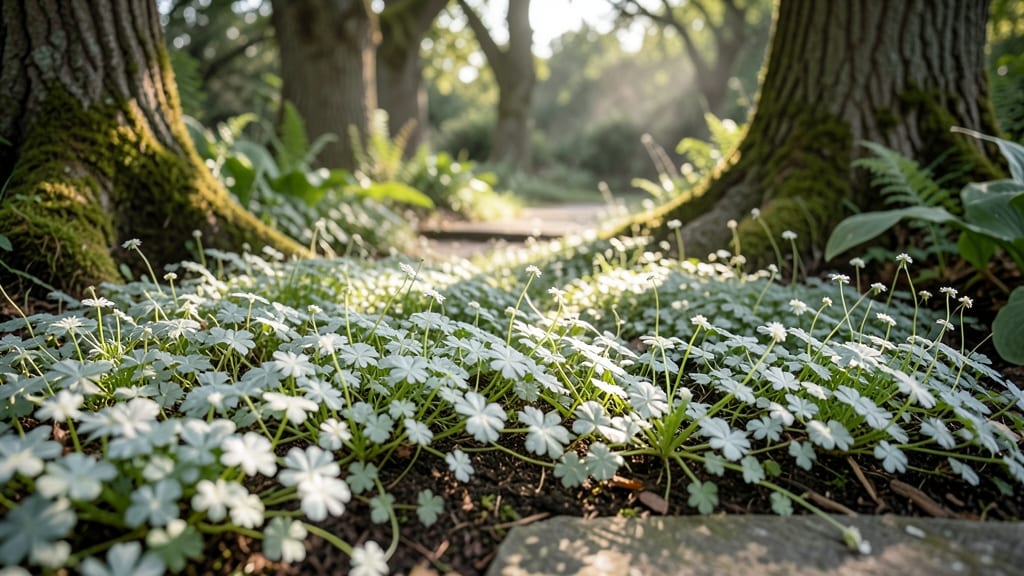
Want a shade garden that smells as good as it looks? Sweet woodruff (Galium odoratum) is your secret weapon—this fragrant ground cover releases a subtle vanilla scent when brushed, making it perfect for pathways or understory planting where you walk.
This low-growing perennial thrives in deep shade and spreads gently to form a lush carpet, suppressing weeds naturally. Plant it in moist, well-draining soil with a light mulch to retain humidity, and watch it bloom with delicate star-shaped white flowers in late spring. It’s also deer-resistant and self-seeds modestly, ensuring your shady spots stay fragrant year after year.
Ideal for woodland gardens, fairy-tale-inspired borders, or even as a living mulch under fruit trees, sweet woodruff brings sensory delight with almost no effort. 🌱
Coral Bells for Season-Long Color
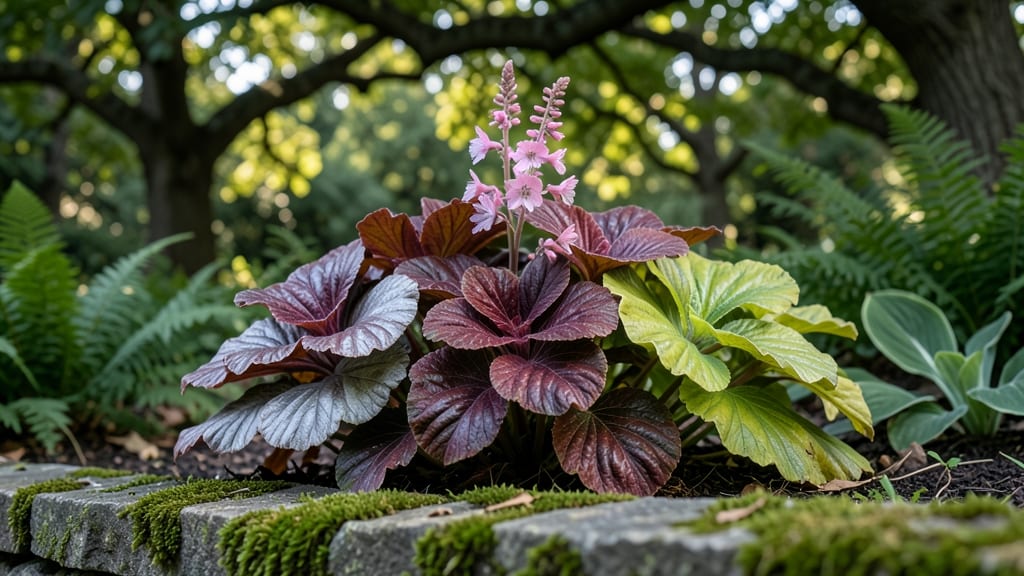
Looking for a perennial powerhouse that delivers year-round interest in your shady garden? Coral bells (Heuchera) are the secret weapon you’ve been missing—offering striking foliage in burgundy, silver, or chartreuse alongside delicate pink or purple flowers from spring to fall.
Unlike other shade plants that struggle with inconsistent moisture, coral bells thrive in both dry and moist conditions, making them perfect for understory plantings, containers, or rocky slopes. Their compact size (12–24 inches tall) lets you mix varieties for a colorful, layered look, and they’re deer-resistant—a bonus for problem areas. Simply prune spent flower stalks in early summer to keep them tidy and encourage more blooms.
Urban gardeners and small-space enthusiasts will love how coral bells add bold color without demanding attention. Pair them with ferns or hostas for a lush, low-maintenance shade garden that stays vibrant all season. 🌻
Bugbane for Late-Season Flowers

When your shade garden feels like it’s missing that final burst of drama, bugbane (Actaea simplex) swoops in to save the day with its towering white flower spikes that appear in late summer—just when most perennials are fading. This underrated gem thrives in deep shade where other plants struggle, reaching heights of 3–5 feet to create instant vertical interest.
Plant bugbane in moist, well-draining soil enriched with organic matter, and watch its fragrant, creamy-white blooms attract pollinators while adding a wildflower aesthetic to your garden. Its lush, deep green foliage stays attractive year-round, and it spreads slowly to form dense colonies without becoming invasive. For maximum impact, pair it with Japanese painted ferns or Solomon’s seal to create a layered, woodland-inspired backdrop.
Perfect for gardeners who want late-season height and texture, bugbane is especially valuable in north-facing beds or under large trees. Its low-maintenance nature makes it a favorite for those who crave drama without the upkeep. 🌻