
Tools
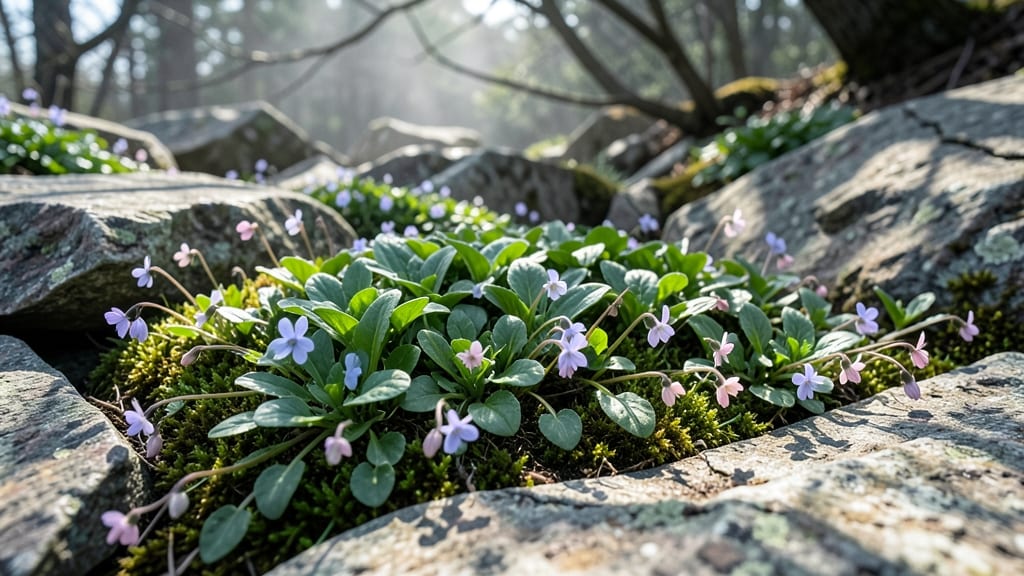
Transform shady corners of your garden into stunning, low-maintenance rock gardens with these 10 shade-tolerant plant combinations. Perfect for dappled light areas, these ideas require minimal upkeep while delivering year-round beauty and texture.
Hosta and Fern Rockery Combination
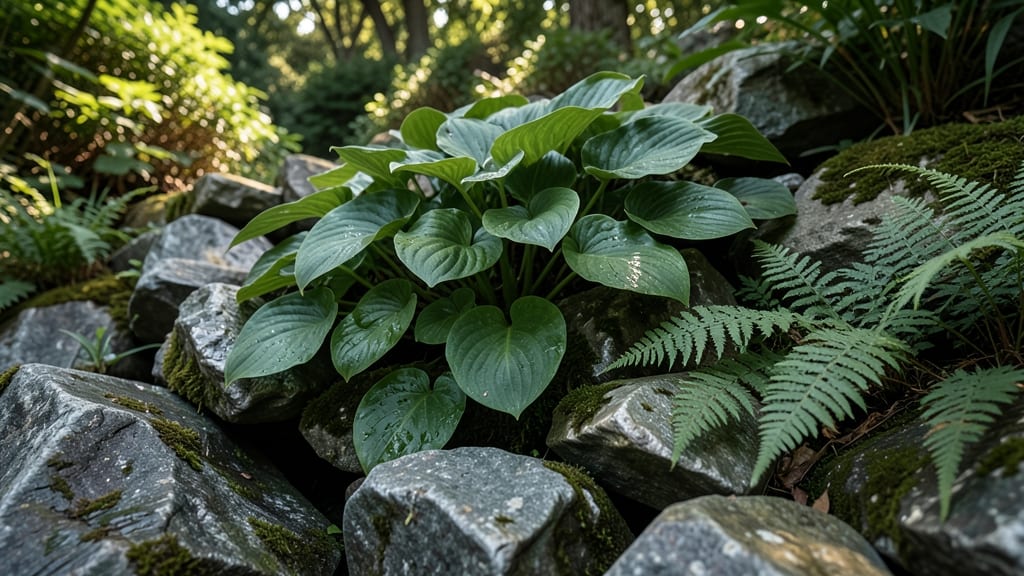
New gardeners often shy away from rock gardens, fearing they’ll require too much sun or specialized care—but this hosta and fern rockery proves shade lovers can thrive with minimal effort. The secret lies in their natural affinity for moist, dappled-light conditions, where rocks retain humidity and protect roots from drying out.
Start by selecting hosta varieties with thick, textured leaves (like 'Blue Angel' or 'Halcyon') as your bold anchor plants. Nestle them between fern species such as maidenhair or Japanese painted fern, which spill delicate fronds into rock crevices. Both plants prefer partial to full shade and tolerate occasional dry spells once established, making them ideal for beginners. Mulch with shredded bark to retain moisture and suppress weeds—this combo requires almost no deadheading or pruning.
This pairing is perfect for urban gardeners with shady patios or woodland-edge spots, offering lush greenery with almost no maintenance. The contrast between hostas’ bold leaves and ferns’ lace-like fronds creates instant visual interest—ideal for gardeners who want beauty without the upkeep. 🌿
Japanese Forest Grass with Moss Boulders
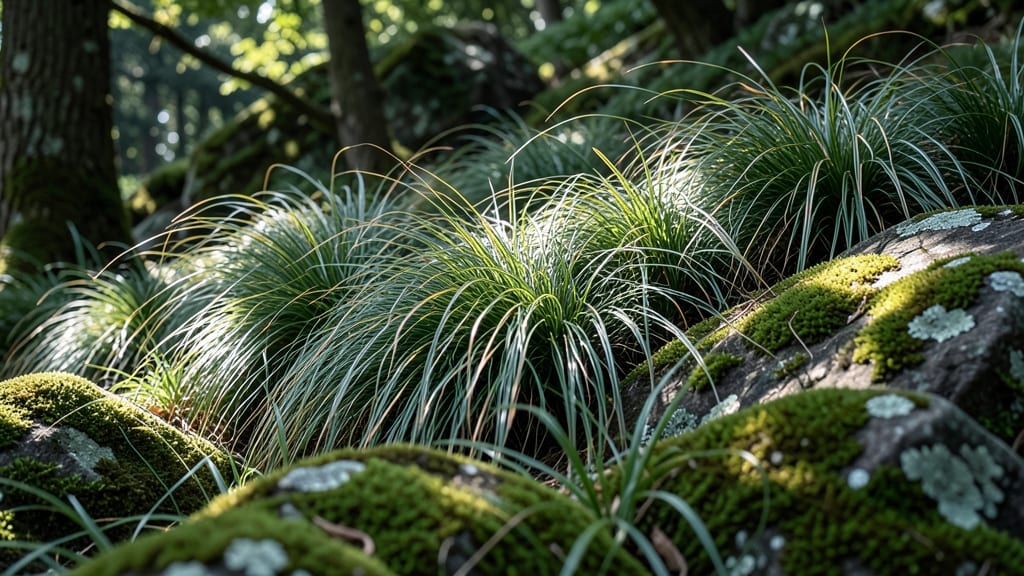
Struggling with patchy lawns in shady woodland areas? Japanese forest grass (Hakonechloa) offers a lush, low-maintenance alternative that thrives in dappled light while creating a velvety, moving carpet over moss-covered boulders.
This ornamental grass grows just 12-18 inches tall but spreads gracefully, its arching blades creating natural movement that traditional lawns can't match. The secret to its soft appearance? Occasional misting (every few weeks) keeps the blades supple—no heavy watering required. Pair it with moss-covered boulders to create a woodland floor effect that feels wild yet refined.
Perfect for gardeners who want texture without maintenance, this combo works beautifully in containers or large garden beds. It's especially ideal for urban courtyards or small shaded spaces where grass struggles to grow. 🌿
Bleeding Heart and Astilbe Pairing
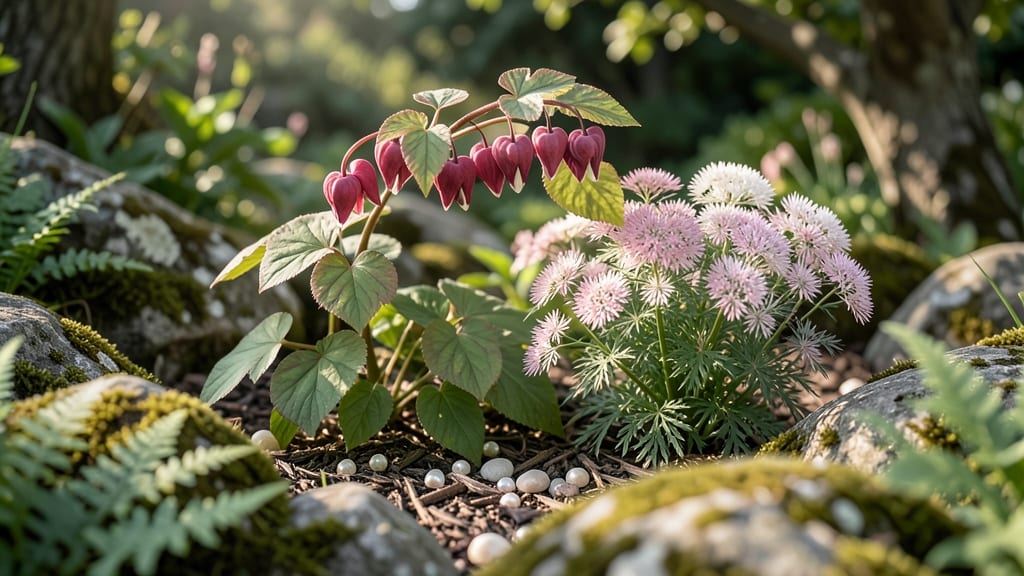
Want a spring garden that feels like a romantic painting without the fuss? Pair bleeding heart (Dicentra spectabilis) with astilbe (Astilbe spp.) for a dreamy, low-maintenance display that thrives in partial shade and rocks beautifully.
These plants complement each other perfectly: bleeding heart offers heart-shaped pink blooms on arching stems, while astilbe provides feathery plumes in shades of pink, purple, or white. Both love moist, well-draining soil—ideal for rock crevices—and require almost no deadheading to keep blooming all season. Place them near rocks to create natural tiers, letting their foliage cascade over edges.
This pairing is ideal for gardeners who love colorful, textured gardens but hate high-maintenance plants. Their spring-to-summer blooms will keep your shade rock garden vibrant with minimal effort. ✨
Dwarf Rhododendron Rock Garden
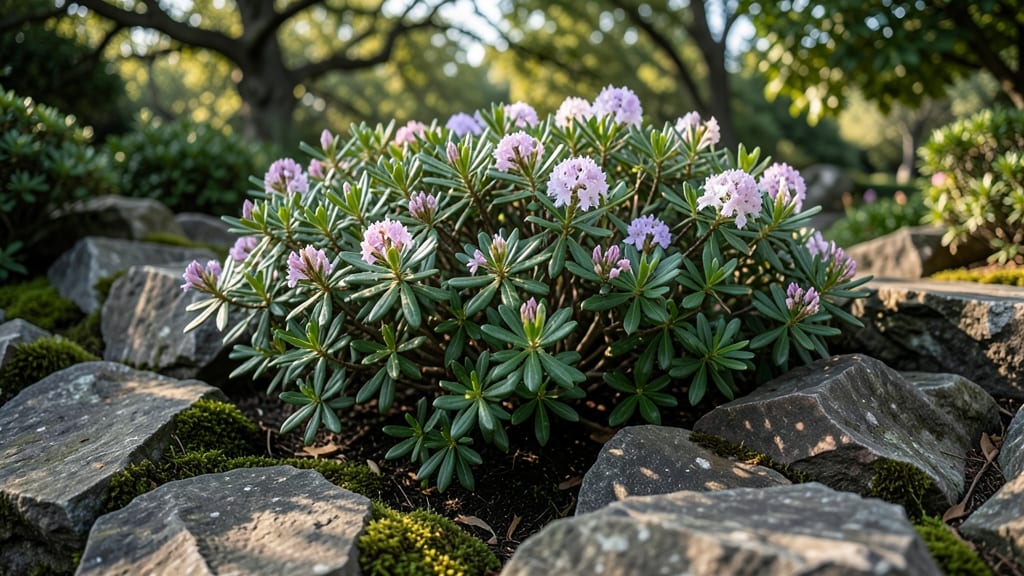
Turn your shady rock garden into a year-round showstopper with dwarf rhododendrons, the unsung heroes of small-space gardening. These compact evergreens deliver lush foliage and delicate spring blooms without demanding constant attention—ideal for gardeners who crave beauty with minimal fuss.
Thriving in acidic, well-drained soils, dwarf rhododendrons (like 'PJM' or 'Nova Zembla') love the dappled shade of rock crevices while tolerating cooler microclimates. Their minimal pruning needs mean you’ll enjoy their glossy leaves and clusters of pink, purple, or white flowers for years with just occasional trimming. Pair them with moss-covered stones for a woodland-inspired look that stays vibrant through all seasons.
Perfect for urban balconies, alpine gardens, or woodland edges, these shrubs bring structure and color to tight spaces. Even beginner gardeners will appreciate their hardiness—just avoid alkaline soils and overwatering. 🌷
Heuchera and Coral Bells Mix
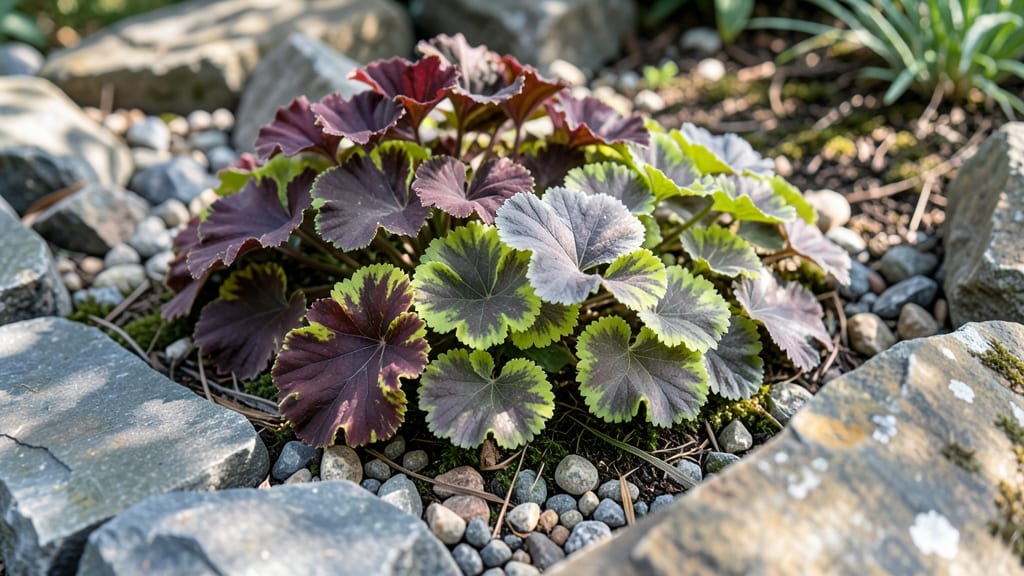
Say goodbye to boring green foliage—heuchera and coral bells (Heuchera and Heucherella) bring bold colors to your shade rock garden, thriving where others falter. These plants love the rocky, well-draining conditions that mimic their natural alpine habitats, making them perfect for dry-shaded spots.
Plant heuchera for its stunning, ever-changing foliage in shades of purple, lime, or silver, while coral bells add delicate flowers in pink, white, or red from spring to fall. Once established, they’re drought-tolerant and require almost no care—just occasional watering and pruning spent blooms. Their compact size (12–18 inches) makes them ideal for filling gaps between rocks without overwhelming the space.
This mix is ideal for modern gardeners who want year-round color with minimal effort. Pair them with low-growing ajuga or moss** for a textured, low-maintenance shade rock garden that stays vibrant all season. 💚
Shade-Tolerant Succulents in Rock Crevices
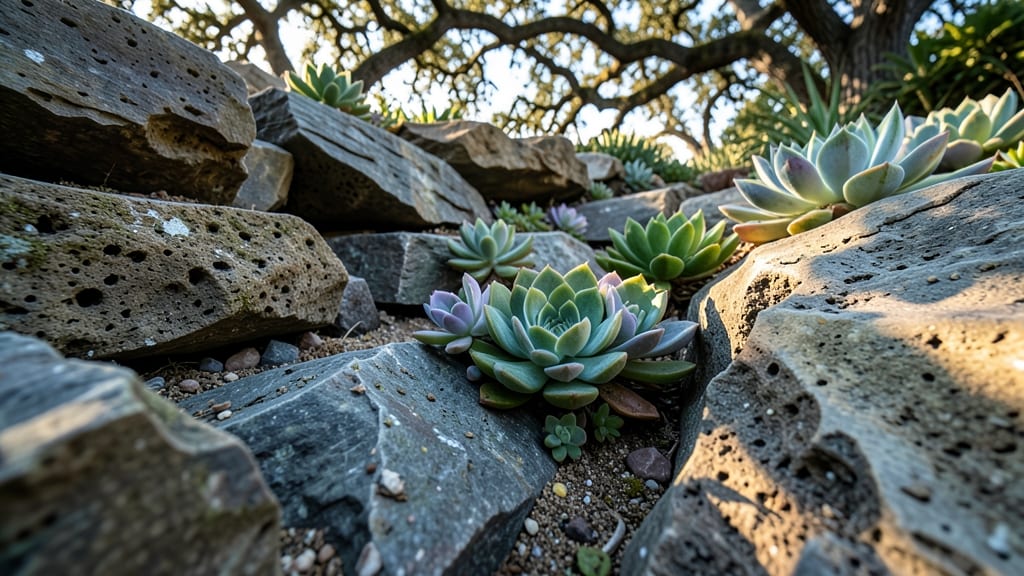
Who says succulents need full sun? Sempervivums and echeverias are secretly thriving in dry, shaded rock crevices—where their plump leaves store moisture like tiny water tanks. This unexpected combo works perfectly in north-facing gardens or under tree canopies where other plants struggle.
These drought-tolerant succulents need only occasional watering (every 2-3 weeks) and love rocky, well-draining soil. Plant them in crevices between flat stones or nestle them into mossy nooks—just ensure the rocks stay in place to protect their shallow roots. For extra drama, mix blue-green sempervivums with pink-tinged echeverias for a pop of color.
Perfect for urban gardeners with limited space or those who want to reduce water use, these plants add architectural interest without the fuss. They’re also winter-hardy in many climates, making them a year-round star. 🌱
Lungwort and Ajuga Ground Cover
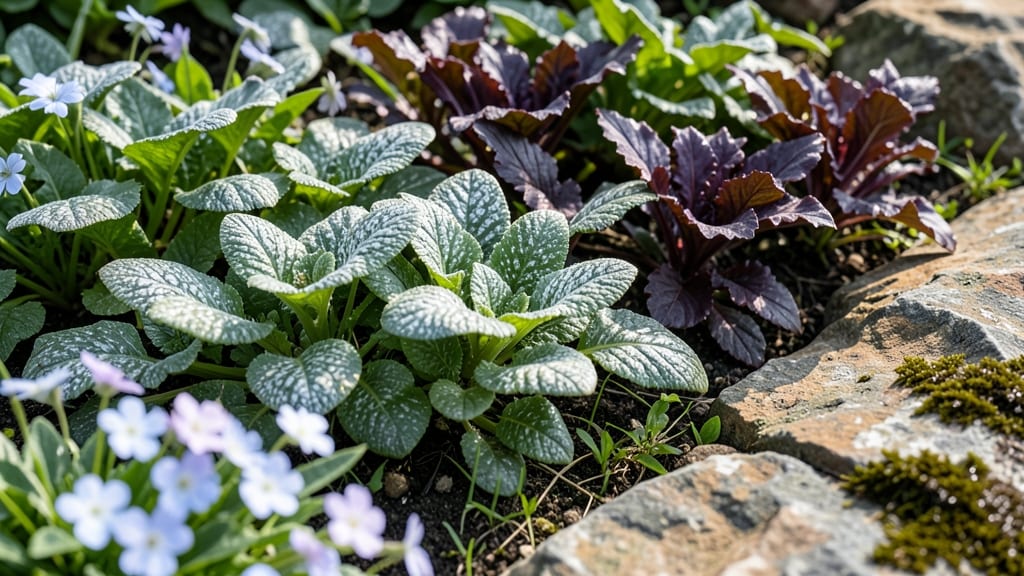
Tired of weeds stealing the spotlight in your shade rock garden? Lungwort and ajuga are your secret weapons—these hardy ground covers spread aggressively to smother weeds while adding striking foliage and cheerful spring blooms.
Lungwort (Pulmonaria) produces silvery-spotted leaves that turn deep green, while ajuga (Ajuga reptans) delivers bold purple foliage and forget-me-not blue flowers. Both thrive in partial to full shade and prefer moist, well-draining soil—ideal for tucked between rocks. Once established, they require almost no maintenance, making them perfect for busy gardeners.
This duo works especially well in woodland-style gardens or under trees where weeds typically take over. Their contrasting textures and colors create visual interest year-round, with spring blooms that attract pollinators. 💚
Variegated Ivy Climbing Rocks
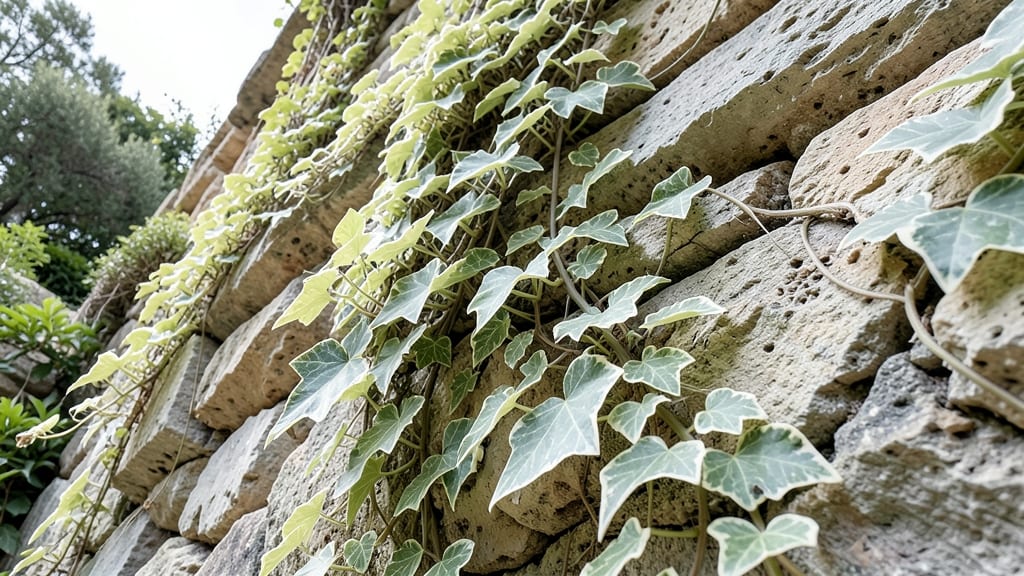
Turn a dull rock wall or garden corner into a lush vertical tapestry with variegated ivy—nature’s most effortless climber. Unlike high-maintenance vines, 'Glacier' ivy (with its creamy-white variegation) thrives in shaded rock crevices, clinging to surfaces without support while adding a soft, trailing texture that brightens dark spaces.
This hardy perennial handles dry shade better than most plants, making it perfect for urban gardens or woodland edges. Simply tuck young plants into rock nooks—they’ll self-cling to rough surfaces and cascade down like a living waterfall. Prune once a year to shape, but otherwise, it requires zero staking or training. The golden-green foliage contrasts beautifully with gray stone, creating a serene, woodland-inspired look.
Ideal for gardeners who want instant vertical interest without the work, variegated ivy is also pet-friendly and deer-resistant. It’s the ultimate "plant and forget" solution for adding drama to shade rock gardens. 🌿
Shade-Loving Orchids on Tree Stumps
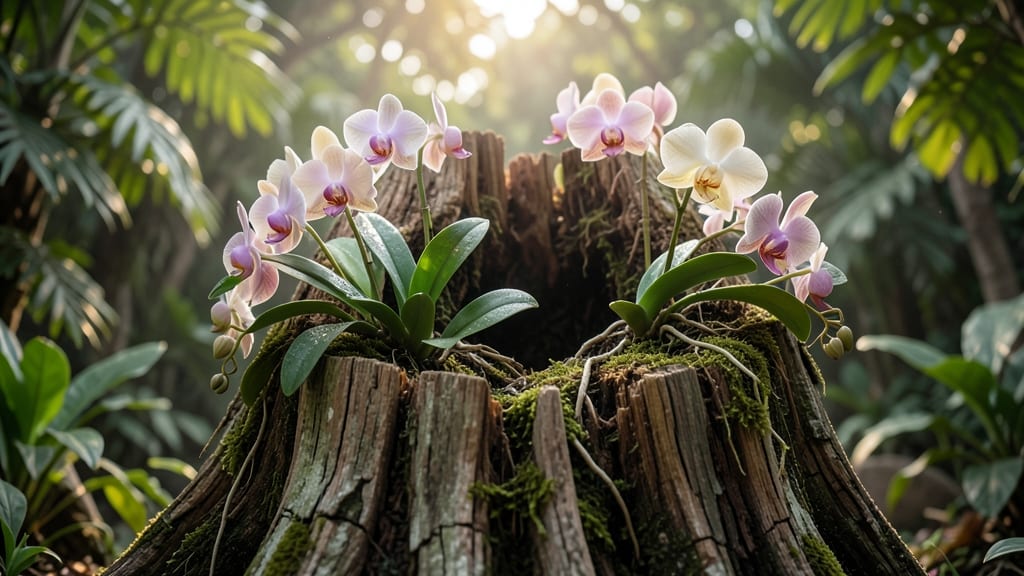
Turn a humble tree stump into a tropical statement piece with shade-loving orchids—specifically paphioedilums and cymbidiums, which thrive in the stable moisture of decaying wood while requiring almost no extra care. These orchids love the humid microclimate created by a stump’s natural decomposition, which mimics their native rainforest conditions without needing a greenhouse.
Start by selecting a partially rotted stump (still structurally sound) and line the top with a layer of orchid bark mix or sphagnum moss to create a well-draining yet moisture-retentive growing medium. Plant your orchids in the center, securing them with soft ties to anchor their roots. Water once a week (or when the top inch of mix feels dry) and place the stump in bright, indirect light—perfect for under trees or on shaded patios.
This creative solution is ideal for urban gardeners with limited space or those who want to repurpose old stumps into stunning focal points. The exotic blooms will draw admiration while keeping maintenance simple—just occasional misting and minimal pruning. 🌻
Wintergreen and Creeping Phlox Ground Cover

Tired of bare spots in your rock garden after winter? Wintergreen and creeping phlox create a lush, year-round carpet that thrives where others fail. Their partnership delivers evergreen foliage in winter and vibrant spring blooms—ideal for acidic, rocky soils that mimic their natural woodland habitats.
Start by planting wintergreen (Gaultheria procumbens) as your foundational layer—its glossy, mint-scented leaves stay vibrant even under snow. Tuck creeping phlox (Phlox subulata) in between rocks for cascading clusters of pink, purple, or white flowers that bloom from late winter through spring. Both plants love dappled shade and prefer well-draining, slightly acidic soils—perfect for rocky crevices. Mulch lightly with pine needles to maintain acidity and suppress weeds.
This duo is perfect for cottage gardeners or those with acidic soils, offering four-season interest with almost no maintenance. Their ability to spread naturally fills gaps between rocks while keeping weeds at bay—ideal for gardeners who want beauty without the upkeep. 🌱