
Trees
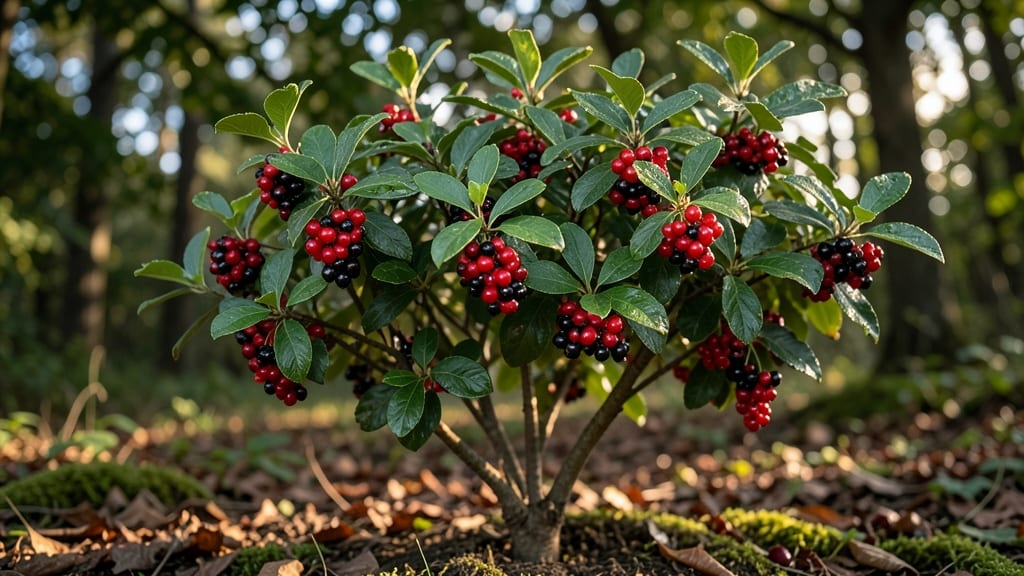
Struggling to grow fruit in shady spots? These 10 fast-growing shade fruit trees thrive with minimal sunlight while producing delicious harvests, perfect for small yards or understory planting.
Dwarf Fig Trees for Partial Shade
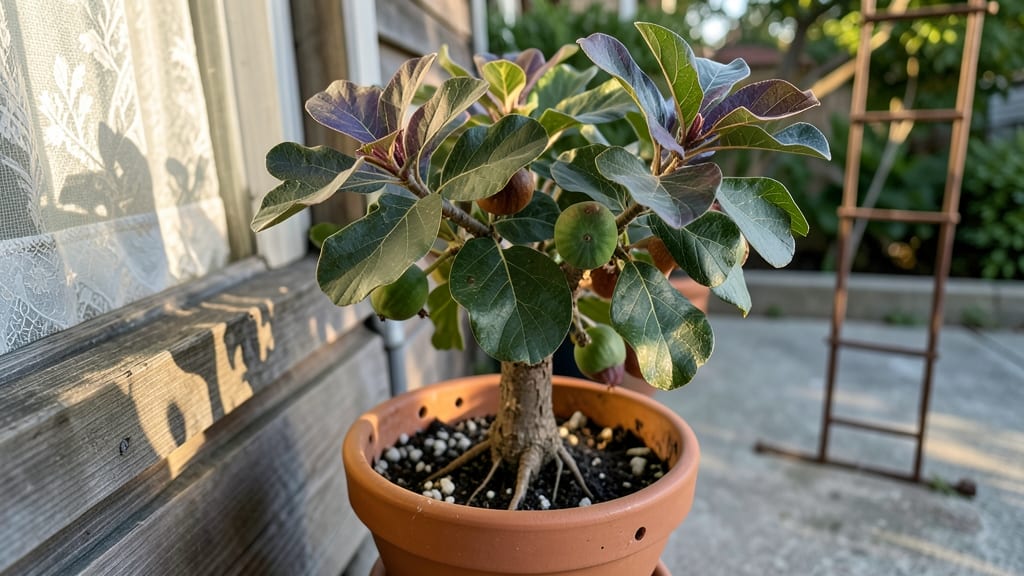
If you’ve ever dreamed of harvesting fresh fruit but assumed your shady spot was too dim for anything but herbs, think again. 'Little Miss Figgy' and other dwarf fig varieties prove that 4-6 hours of sunlight is all you need to grow sweet, homegrown figs—even in containers on a balcony or patio.
These compact trees (typically reaching 6-8 feet tall) thrive in partial shade and produce fruit year-round in warm climates or during summer in cooler zones. Plant them in well-draining soil with a slightly acidic to neutral pH, and water deeply once the top inch of soil dries out. Prune lightly in late winter to shape the tree and encourage air circulation.
Urban gardeners and small-space growers will love how these figs adapt to containers, making them perfect for patios, rooftops, or even sunny windowsills. With minimal care, you’ll enjoy homegrown fruit that’s sweeter than store-bought. 🌱
Persimmon Trees in Woodland Settings
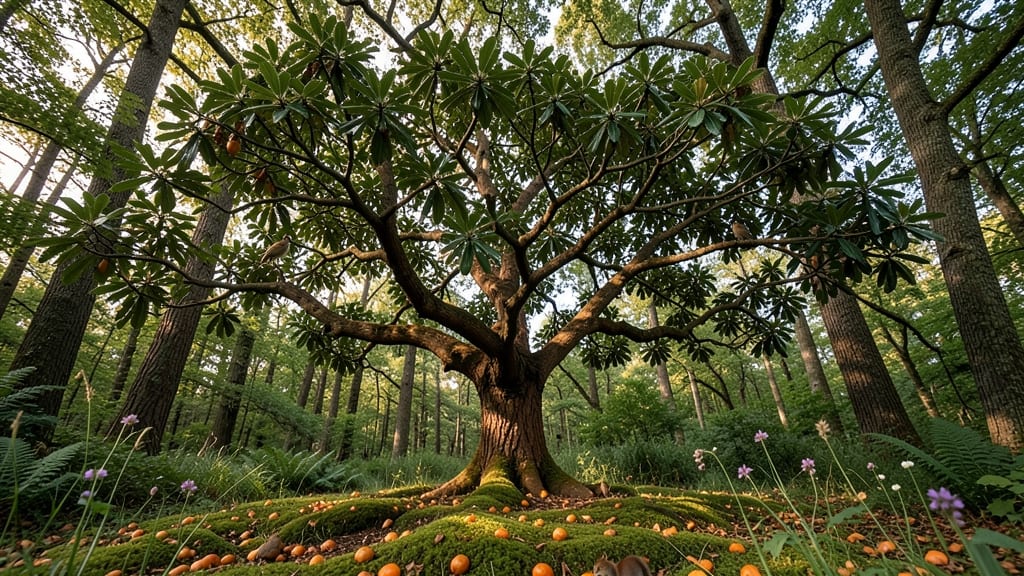
Transform your woodland garden into a wildlife magnet with American persimmon trees—a shade-loving fruit tree that thrives where others fail. These hardy trees tolerate deep shade and even grow well under tall forest canopies, making them ideal for understory planting or naturalistic orchards.
Young persimmons start with astringent (pucker-inducing) fruit that softens into sweet, custard-like perfection as it ripens in late fall. Birds and wildlife adore the fruit, while gardeners enjoy the low-maintenance nature of these trees. Plant them in well-draining soil with occasional watering once established, and watch them flourish in conditions where most fruit trees would struggle. 🌟
Hardy Mulberry Varieties for Urban Areas
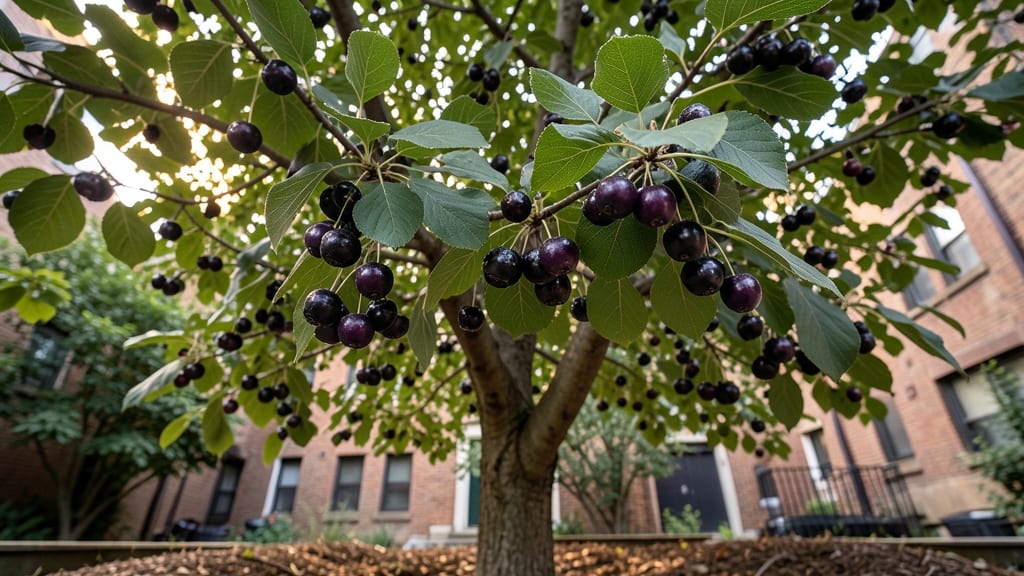
City dwellers with shady yards can still grow high-value fruit without sacrificing space or sunlight—black mulberries like 'Illinois Everbearing' prove it. This fast-growing variety thrives in partial shade (just 4-6 hours of sun) and produces sweet, dark purple berries that ripen in late summer.
What makes mulberries stand out is their urban resilience: they tolerate pollution, compacted soil, and even container growing. Plant them in well-drained soil and water moderately—they're drought-tolerant once established. The 'Illinois Everbearing' variety is particularly prized for its abundant fruit production with minimal care, making it ideal for city orchards or small backyards.
This variety is perfect for urban gardeners who want both fruit and foliage with minimal effort. 🌿
Jostaberry Bushes with Edible Berries
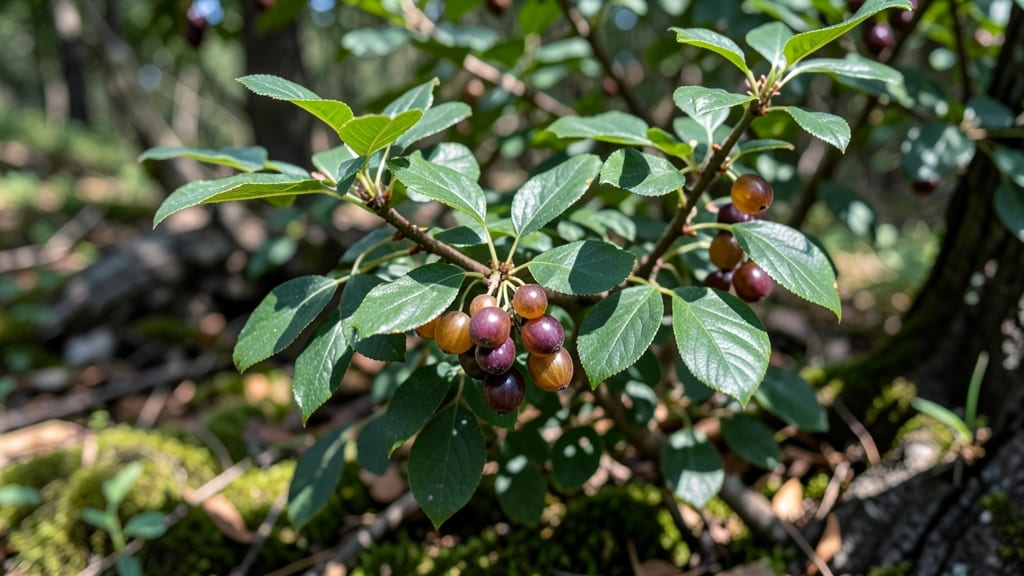
Looking for a dual-purpose plant that thrives in shade while providing both fruit and ornamental value? Jostaberry bushes are the answer—these cold-hardy hybrids combine the best traits of gooseberries and currants, offering tart-sweet berries that ripen in late summer.
These compact shrubs (3–5 feet tall) flourish in partial shade to full sun, making them ideal for understory planting, woodland edges, or even containers. Their thornless varieties (like 'Josta') simplify harvesting, while the glossy leaves add year-round interest. Prune lightly in late winter to encourage bushier growth and better fruiting.
Perfect for small-space growers, homesteaders, and wildlife enthusiasts, jostaberries attract pollinators and birds while delivering a unique harvest. Their hardiness to Zone 3 means they’re one of the toughest shade fruit options. 🌿
Elderberry Shrubs for Wet Shady Spots
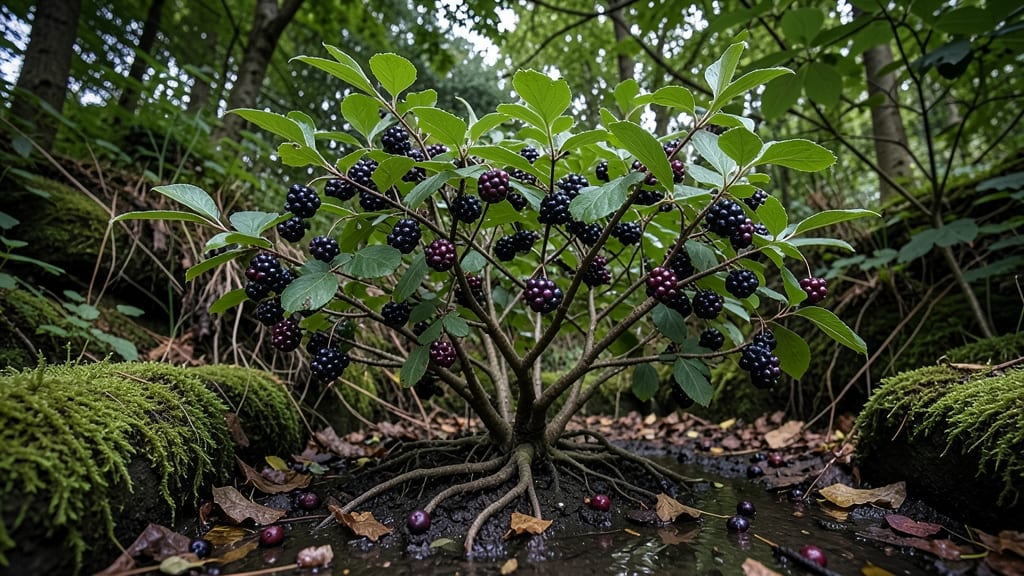
Turn that soggy, shaded corner of your garden into a productive powerhouse with elderberry shrubs—nature’s answer to wet, dimly lit spaces. These hardy natives thrive where most fruit-bearing plants would drown, offering both medicinal berries for humans and a buffet for birds while stabilizing rain garden soil.
Plant Sambucus canadensis or Sambucus nigra in moist, well-draining soil along pond edges or low spots that stay damp after rain. They tolerate partial shade beautifully, producing fragrant white flowers in spring followed by clusters of purple-black berries that ripen in late summer. Prune annually in late winter to encourage bushier growth and better fruit production.
Perfect for permaculture enthusiasts, wildlife gardeners, or anyone with challenging wet spots, elderberries are the ultimate low-maintenance, high-reward plant. 🌱
Dwarf Apple Trees for Understory Planting
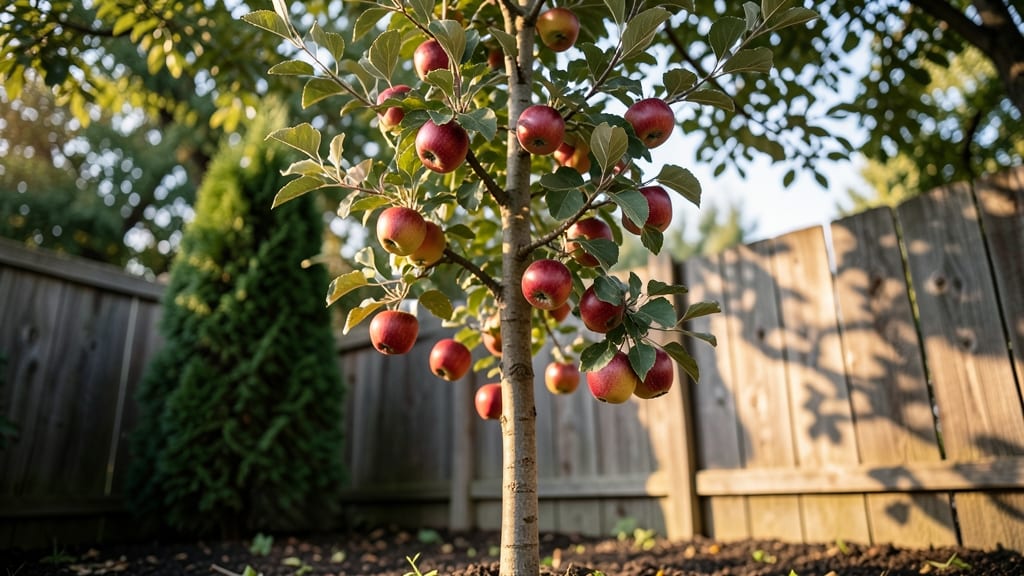
If you’ve ever dreamed of growing apples but thought your yard lacked space or sunlight, columnar dwarf apple trees like the ‘Urban Apple’ might just be your game-changer. These vertical wonders produce full-sized, flavorful fruit while thriving in partial shade—making them ideal for planting under taller trees, along fences, or even in narrow urban spaces.
Columnar varieties grow just 6–10 feet tall but stay narrow (under 2 feet wide), saving space without sacrificing harvests. They require only 4–6 hours of sunlight daily, perfect for understory conditions where other fruit trees would struggle. Plus, their upright growth habit means less pruning and easier access to fruit. Choose disease-resistant varieties like ‘Urban Apple’ or ‘Red River’ for reliable yields in shade.
Urban gardeners and small-space growers will love how these trees fit into tight spots while still delivering homegrown apples—no orchard required. 🌱
Gooseberry Bushes with High-Yield Fruit
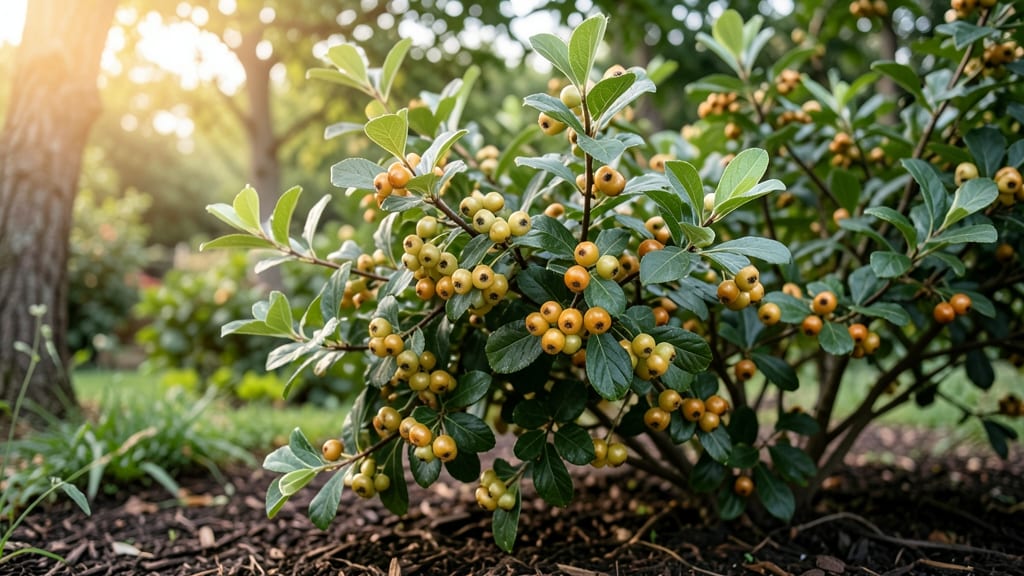
Skip the thorns and still enjoy a bountiful harvest with gooseberry bushes—especially the thornless Pixwell variety. This underrated gem thrives in partial shade, making it perfect for shady corners of your yard where other fruit plants struggle.
Pixwell bushes produce sweet-tart berries ideal for jams, pies, or fresh eating, with harvests peaking in midsummer. They’re compact (4-5 feet tall), so they fit neatly in small homesteads, cottage gardens, or even large containers. Just ensure well-draining soil and occasional pruning to encourage airflow and fruit production.
Homesteaders and small-space gardeners will love how low-maintenance these bushes are—no fussy sunlight needs, no aggressive thorns, and a reliable harvest year after year. 🌱
Serviceberry Trees for Forest Gardens
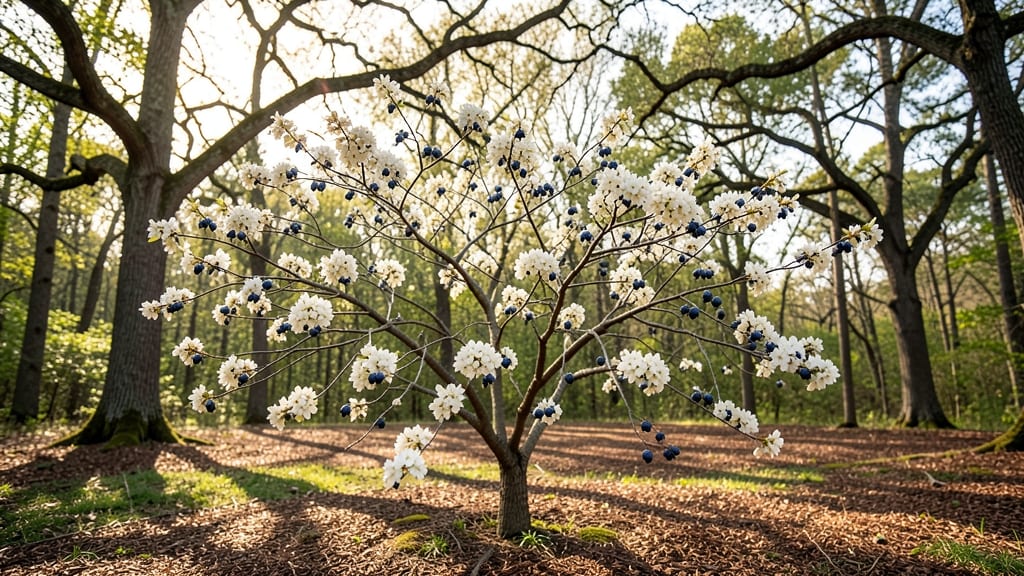
Looking for a low-maintenance fruit tree that thrives under taller trees while adding beauty and harvests to your garden? American serviceberries are the perfect solution—these fast-growing natives produce stunning white spring blooms followed by sweet, blue-black berries in partial shade.
Serviceberries grow 20-30 feet tall but can be pruned to fit smaller spaces, making them ideal for permaculture understory planting. They tolerate a wide range of soil types, including clay and rocky ground, and their deep roots help improve soil structure. The berries ripen in late summer, offering wildlife a late-season food source while providing you with a delicious, nutritious harvest.
Perfect for forest gardens, permaculture systems, or woodland edges, serviceberries bring year-round interest with their spring flowers, summer foliage, and fall color. They’re also drought-tolerant once established, making them a resilient choice for eco-conscious gardeners. 🌿
Honeyberry Bushes for Cold Climates
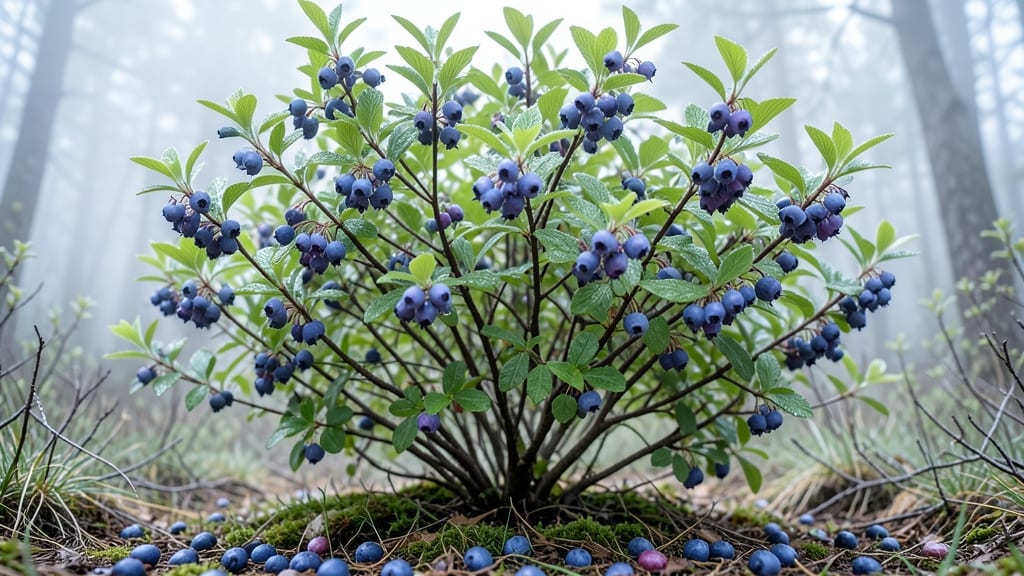
If you're craving fruit but live in a northern climate with short growing seasons, honeyberry bushes (Lonicera caerulea) are your secret weapon. These hardy shrubs produce sweet-tart berries as early as late April or May, often before other fruits ripen—giving you a head start on harvests.
Unlike many fruit plants, honeyberries thrive with just 4 hours of sunlight daily and tolerate temperatures down to -30°F, making them perfect for USDA zones 2-7. Varieties like 'Borealis' and 'Indigo Gem' yield clusters of blue-black berries that burst with flavor, perfect for fresh eating, jams, or baking. Prune lightly in early spring to encourage bushier growth and better air circulation.
Northern gardeners and homesteaders will love these bushes for their early productivity and low-maintenance nature. They also attract pollinators and birds, adding ecological value to your yard. 🌱
Currant Bushes with Disease Resistance

Tired of fruit plants that demand full sun or succumb to diseases? Currant bushes like the disease-resistant 'Consort' variety are your low-maintenance solution—thriving in partial shade while packing a vitamin C punch.
These compact bushes (3-5 feet tall) produce clusters of red or black berries that ripen in late summer, with varieties bred to resist common fungal diseases like powdery mildew. They prefer well-drained, slightly acidic soil and tolerate urban conditions well. Prune annually in winter to maintain shape and improve airflow, which further reduces disease risk.
Perfect for urban gardeners, small homesteads, or understory plantings, currants offer year-round interest with their glossy foliage and winter hardiness. Their self-fertile nature means you only need one bush for a harvest. 🌿