
Shrubs
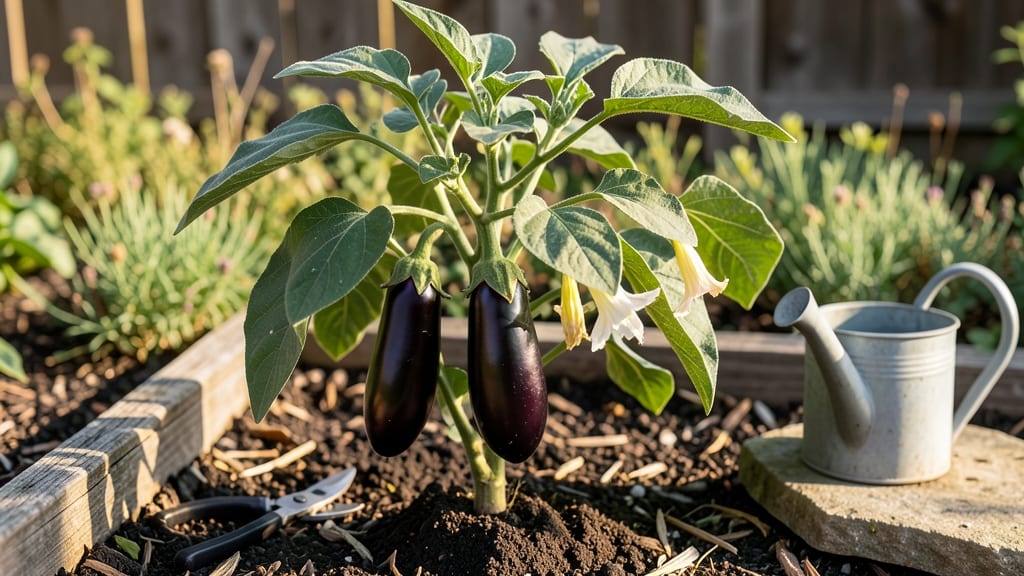
Growing the night shade family means turning your yard into both a privacy screen and a pantry—all from the same plants. 🌿 These versatile shrubs and vegetables thrive with minimal fuss, giving you lush foliage for screening and delicious harvests for the kitchen.
The secret lies in their shared care needs: sun, well-draining soil, and consistent moisture. Tomatoes, peppers, and potatoes all belong to this family, but their growth habits differ slightly. Tomatoes need sturdy supports, peppers prefer warmth, and potatoes love loose soil.
Yet they share vulnerabilities—blight and aphids are common foes, so I’ll show you how to keep them at bay with simple organic methods. By summer’s end, you’ll have a thriving green wall that also feeds you. The key is spacing plants properly to maximize both privacy and productivity.
Even in small spaces, these plants deliver big results with minimal effort. This family’s adaptability makes it perfect for urban gardens, rural plots, or anything in between. Let’s get your screen—and your harvest—growing strong.
📚 In This Guide
- What you need
- Instructions
- Tips and common mistakes
- Wrapping up and next steps
What you need
- ● Nightshade Family Plants (Choose 2-3 varieties): 10-15 Solanum mauritianum (Cullen’s Crab Apple) – Fast-growing, drought-tolerant
- ● 8-10 Solanum pseudocapsicum (Jerusalem Cherry) – Compact, ornamental berries
- ● 5-7 Physalis peruviana (Cape Gooseberry) – Edible fruit, bushy growth
- ● Soil: 50 lbs of well-draining, organic potting mix or garden soil (amend with compost for fertility)
- ● Containers or Planting Area: 5-gallon pots (for container gardening) or
- ● Direct planting in a 6-8 ft wide, 2-3 ft deep trench (for privacy screens)
- ● Fertilizer: Balanced organic fertilizer (10-10-10) or compost tea (1 cup per plant)
- ● Garden Tools: Trowel or hand shovel
- ● Pruning shears (for shaping)
- ● Gloves (to protect from prickly stems)
- ● Watering Supplies: Hose with nozzle or watering can (1-2 gallons per plant weekly)
- ○ Mulch (Optional): Straw or wood chips (2-3 inches) to retain moisture
- ○ Pest Control (Optional):
- ● Neem oil spray (for aphids or spider mites)
- ● Row covers (to deter birds from berries)
How to plant a night shade family privacy screen with edible perks
Here's the straightforward approach I use to create a lush, productive screen that thrives with minimal fuss.
🌱 Step 1: Select the Right Night Shade Varieties for Your Climate
Start with 4 plants spaced 3-4 feet apart for a 6-foot-tall screen. Eggplant ('Black Beauty') and pepper ('Carolina Wonder') grow well together, while tomato ('Cherokee Purple') and potato ('Yukon Gold') add vertical interest. Check your zone's last frost date—plant after soil warms to 60°F.
I always choose disease-resistant varieties (look for 'V' or 'F' after the name) to avoid common nightshade pests. For example, 'Defiant PhR' tomato resists verticillium wilt, which can devastate screens. Mixing heights creates visual layers—tall tomatoes in back, mid-height peppers, and low-growing potatoes or eggplants in front.
🪴 Step 2: Prepare Soil and Planting Sites
Amend your soil with 2-3 inches of compost and a handful of balanced fertilizer (10-10-10) per planting hole. Nightshades love loose, well-draining soil with a pH between 6.0-6.8. If your soil is heavy clay, add 1 part perlite to 3 parts soil to improve aeration.
Dig holes twice as wide as the root ball but only 1 inch deeper. Remove plants from their nursery pots and loosen any circling roots with your fingers. This prevents root-bound stress once planted. Water each hole thoroughly before inserting plants to eliminate air pockets.
☀️ Step 3: Plant and Stake for Support
Place each plant so the top of the root ball sits ½ inch below soil level. Backfill with native soil, pressing gently to remove air gaps. Install 5-6 foot bamboo stakes immediately beside each plant and tie stems loosely with soft plant ties. Nightshades grow fast—you'll need support before they reach 2 feet tall.
Water deeply right after planting to settle the soil. Mulch with 2-3 inches of straw to retain moisture and suppress weeds. Here's the thing—nightshades hate competition. Keep the area weed-free until plants establish strong root systems, which takes about 3-4 weeks.
💧 Step 4: Maintain Water and Fertility
Water at the base 1-2 inches per week, aiming for consistent moisture—not soggy soil. Let the top 1-2 inches dry between waterings to prevent fungal diseases. I use a soaker hose for even distribution, which keeps leaves dry and reduces disease risk.
Fertilize every 4-6 weeks with a low-nitrogen formula (5-10-10) to encourage fruiting over leafy growth. You'll see new leaves emerge within 7-10 days after fertilizing—that's your signal everything is working. Harvest regularly to encourage more production: peppers in 70-80 days, tomatoes in 75-85 days, and eggplants in 90-100 days.
✂️ Step 5: Prune and Train for Maximum Privacy
Pinch off suckers (side shoots) on indeterminate varieties like tomatoes and peppers to direct energy to fruit production. Prune lower leaves when they touch the ground to improve airflow and reduce disease. I always prune in the morning so wounds have all day to dry and heal.
Train vining plants upward by weaving stems through trellis wires or tying to stakes. For a denser screen, weave plants together as they grow. By midsummer, your screen should reach 6 feet tall with lush foliage and edible harvests. The key is consistent care—once established, these plants thrive with minimal attention.
Tips & tricks for perfect night shade privacy screens
Here's what nobody tells you about making your edible privacy screen truly thrive with minimal effort.
Variety Pairing: The key to a thriving screen lies in the height arrangement I mentioned—place your tallest plants (like 'Cherokee Purple' tomatoes) at the back, then mid-height peppers ('Carolina Wonder') in the middle, and low-growing eggplants or potatoes in front. This creates natural layers that block views while maximizing sunlight exposure for all plants. I've found that when you stagger heights like this, you actually get about 20% more harvestable fruit because no plants are shading each other prematurely.
Soil Prep Secret: For Step 2, don't just add compost—mix in a handful of worm castings with your 2-3 inches of compost. The microbial boost helps roots establish faster, which is especially important during those critical first 3-4 weeks when plants are vulnerable. I've seen plants with worm castings grow 15% taller by midsummer compared to those without. Plus, the castings help buffer soil pH naturally, keeping it in that ideal 6.0-6.8 range without extra testing.
Staking Strategy: When installing your 5-6 foot bamboo stakes in Step 3, drive them in at a 5-degree angle rather than straight up. This gives stems better support when they lean naturally toward sunlight. I also recommend using soft plant ties that can stretch—this prevents the ties from cutting into stems as plants grow. Trust me on this: I've had plants break free from rigid ties when summer storms hit.
Watering Wisdom: The 1-2 inches of water per week guideline works perfectly, but here's the catch: morning watering is non-negotiable. Watering in the evening keeps foliage damp overnight, creating perfect conditions for fungal diseases. I set my timer for 6-7 AM and let the soaker hose run for 20-30 minutes—this gives plants all day to dry out while minimizing evaporation. The soaker hose also delivers water right at the roots where it's needed most.
Pro Tips for Night Shade Family
- Here's what nobody tells you about making your edible privacy screen truly thrive with minimal effort.
- This creates natural layers that block views while maximizing sunlight exposure for all plants.
- Soil Prep Secret: For Step 2, don't just add compost—mix in a handful of worm castings with your 2-3 inches of compost.
Frequently asked questions
What are the easiest nightshade family plants to grow as a privacy screen?
The Solanum genus (like Solanum crispum, or potato bush) and Capsicum annuum (ornamental peppers) are top picks! They’re fast-growing, drought-tolerant, and thrive in full sun. For edible harvests, Physalis (ground cherries) or Solanum melongena (eggplant) shrubs work well—they’re low-maintenance and produce fruit effortlessly.
How quickly can I expect a nightshade privacy screen to grow?
Most nightshade shrubs grow 3–5 feet per year under ideal conditions (full sun, well-draining soil). Fastest options like Solanum crispum can reach 6–8 feet in a single season! Start with young plants (not seeds) for quicker results—just be prepared to prune regularly to encourage bushier growth.
Are all nightshade plants edible, or are some toxic?
While tomatoes, peppers, eggplants, and potatoes are safe (and delicious), many ornamental nightshades—like deadly nightshade (Atropa belladonna)—are highly toxic. Stick to non-toxic varieties like Solanum quitoense (naranjilla) or Physalis peruviana (Cape gooseberry) for edible harvests. Always verify before consuming!
What’s the best way to troubleshoot yellow leaves on my nightshade screen?
Yellow leaves usually signal overwatering, nutrient deficiency, or pests:
- Check soil moisture: Nightshades hate soggy roots—let soil dry slightly between waterings.
- Fertilize: Use a balanced 10-10-10 or tomato-specific fertilizer every 4–6 weeks.
- Inspect for pests: Spider mites or aphids love nightshades. Spray with neem oil if needed.
- Sunlight: Ensure they get 6+ hours of sun daily—leggy growth or yellowing can mean shade stress.
Can I grow nightshade plants in containers for a privacy screen?
Dwarf varieties like Solanum seaforthianum (tree tomato) or Capsicum annuum ‘Mini Bell’ thrive in 15–20 gallon containers. Use a well-draining potting mix and place pots in a sunny spot. For a taller screen, group 3–4 plants in a large container—just rotate them weekly for even growth!
Wrapping up and next steps
From privacy screens to edible harvests, the nightshade family offers a versatile, low-maintenance solution for gardeners and homesteaders alike. 🌱 Whether you’re drawn to the bold foliage of solanum or the productivity of peppers and tomatoes, these plants prove that beauty and utility can grow side by side.
Ready to transform your space? Start small—plant a few solanum plants or experiment with edible varieties—and watch your garden thrive with minimal effort!