
Flowers
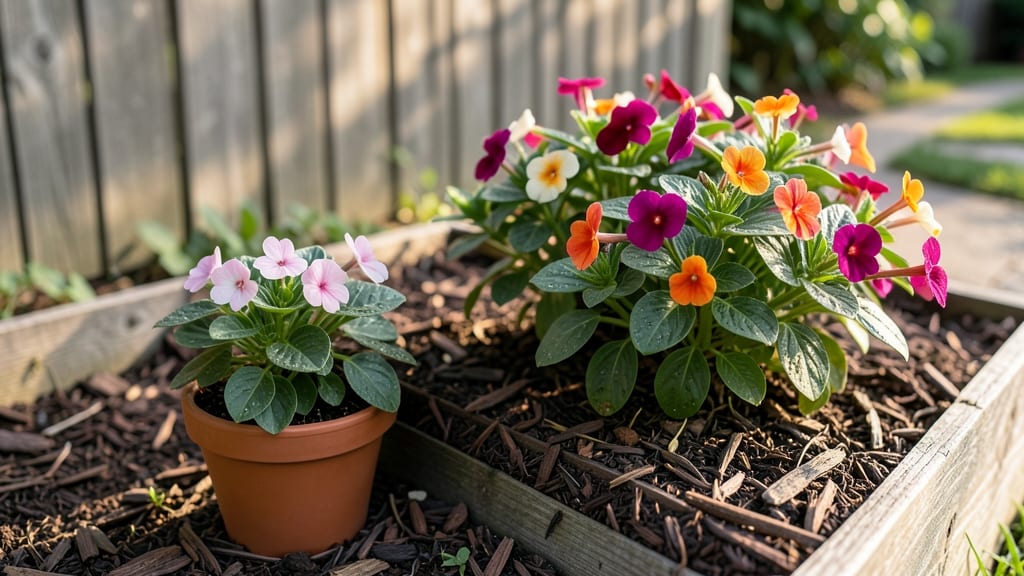
Impatiens flowers thrive in shade but also handle sun when you choose the right varieties 🌸 — and knowing the difference can mean the showiest blooms of the season.
Picture this: you’ve just planted your impatiens, only to watch them wilt under the midday sun or struggle to bloom in deep shade. The key? Matching the plant to your garden’s light conditions.
Some impatiens varieties bask in morning sun and afternoon shade, while others prefer filtered light all day. Below, I’ll break down which types suit your space, how to adjust care for sun or shade, and even suggest companion plants to keep them thriving.
Ready to unlock vibrant blooms? Let’s dive into the sun-and-shade secrets that make impatiens the easy-care superstars of summer gardens.
 Best Window Placement
Sun-loving impatiens varieties: best for partial to full sun exposure
If you’ve always thought impatiens belong only in shady corners, think again! While traditional varieties thrive in shade, modern sun-tolerant impatiens now bring vibrant blooms to brighter spots.
These cultivars handle morning sun or even full sun with afternoon shade, making them perfect for east-facing beds or containers near patios. The key? Choosing the right variety and adjusting care to prevent stress in hot conditions.
Not all impatiens are created equal. New Guinea impatiens (Impatiens hawkeri) and Super Elfin Sun hybrids (Impatiens walleriana) are bred for sun tolerance, with thicker leaves and deeper root systems to retain moisture.
These varieties can handle 3-6 hours of direct sun, provided they’re kept consistently moist. For full sun exposure, opt for heat-tolerant hybrids and supplement with afternoon shade during peak summer months.
Here’s how these sun-loving impatiens compare in terms of light tolerance, bloom duration, and care needs:
For full sun exposure, New Guinea impatiens are my top pick—they’re bred to handle brighter conditions and produce blooms in shades of red, orange, and yellow that stand out against green foliage.
These varieties also tolerate higher temperatures better than traditional impatiens, making them ideal for southern gardens or containers on patios. Just be sure to water deeply in the morning to prevent stress from afternoon heat.
If you’re planting in partial sun (3-6 hours of direct light), Super Elfin Sun and Accent Sun hybrids are excellent choices. These varieties bloom prolifically from late spring to frost and handle light afternoon shade better than full sun.
To maximize their potential, pair them with mulch to retain soil moisture and use a balanced fertilizer every 3-4 weeks during the growing season.
One common mistake gardeners make is assuming all impatiens can handle full sun. Traditional shade-loving impatiens (like Impatiens balsamina) will scorch in direct sun, turning leaves yellow or brown.
To avoid this, always check the variety’s label or research its light requirements before planting. If you’re unsure, start with partial sun and gradually increase exposure over 2-3 weeks.
For containers or hanging baskets in sunny spots, choose dwarf sun-tolerant varieties like 'Diamond Sun'. These compact plants thrive in morning sun and can handle afternoon shade, making them perfect for balconies or deck planters.
Just remember to water more frequently in containers, as they dry out faster than in-ground plantings. A self-watering pot can be a game-changer for busy gardeners!
To keep your sun-loving impatiens blooming all season, deadhead spent flowers weekly. This simple task encourages continuous flowering and prevents the plant from redirecting energy to seed production.
Pair your impatiens with companion plants like fuchsias or caladiums to create a lush, multi-layered display that thrives in similar light conditions. Just avoid planting near aggressive spreaders like mint or creeping thyme, which can crowd out your impatiens.
With the right variety and a few care adjustments, sun-loving impatiens can
Shade-tolerant impatiens: how to grow them in low-light gardens
If you’ve ever assumed impatiens need full shade to thrive, think again! While they’re famous for their shade tolerance, many varieties—like Impatiens balsamina and Impatiens holstii—flourish in low-light gardens with just a few key adjustments.
The secret lies in moisture-rich soil, proper spacing, and avoiding direct afternoon sun, which can scorch delicate leaves. Let’s dive into how to create the perfect haven for these shade-loving beauties.
First, identify your garden’s shade conditions. True shade (less than 2-3 hours of sun) is ideal, but dappled sunlight or morning sun with afternoon shade works too. Avoid hot, dry shade under trees, as this can stress plants.
Instead, aim for consistent moisture and humidity-loving environments, like near foundations or under deciduous trees that provide filtered light. These conditions mimic their natural tropical habitats, where they thrive in understory settings.
✨ Shade-Tolerant Impatiens Checklist
- 🌳 Light: 2-6 hours of filtered sun (morning sun preferred)
- 💧 Soil: Moist, well-draining, rich in organic matter (add compost)
- 🌱 Spacing: 8-12 inches apart for airflow and bushy growth
- 🌿 Mulch: 2-3 inches of mulch to retain moisture
- 🌸 Fertilizer: Balanced 10-10-10 every 4-6 weeks during blooming
- 🚫 Avoid: Direct afternoon sun, dry soil, or crowding
For soil prep, amend your garden beds with peat moss or compost to improve moisture retention. Impatiens hate dry soil, so aim for a consistently damp (not soggy) environment. A thick layer of mulch—like shredded bark or pine needles—helps lock in humidity and keeps roots cool.
If your soil drains poorly, consider planting in raised beds or containers with well-draining potting mix. Pro tip: Mix in perlite or vermiculite to prevent root rot while retaining moisture.
When it comes to companion plants, pair impatiens with hostas, ferns, or heucheras for a lush, shade-garden palette. These plants share similar water needs and low-light tolerance.
Avoid planting near aggressive spreaders like mint or competitive feeders such as black walnut trees, which can stunt growth. Instead, use slow-growing perennials to create a harmonious understory that highlights impatiens’ vibrant blooms.
Leggy growth or sparse blooms? You’re not alone—this is a common issue in low-light conditions. To fix it, prune leggy stems back by one-third to encourage bushier growth. Increase light exposure gradually if possible (e.g., move containers to a sunnier spot for a few hours a day).
For underwatered plants, check soil moisture daily during hot spells and water deeply in the morning. A balanced fertilizer (like 10-10-10) applied every 4-6 weeks will also boost bloom production.
With the right shade conditions, moisture control, and proper care, your impatiens will reward you with non-stop blooms from spring to frost.
Whether you’re filling a woodland garden, container arrangement, or shady patio, these low-maintenance beauties are your secret weapon for colorful, carefree gardening. Happy planting!