
Shrubs
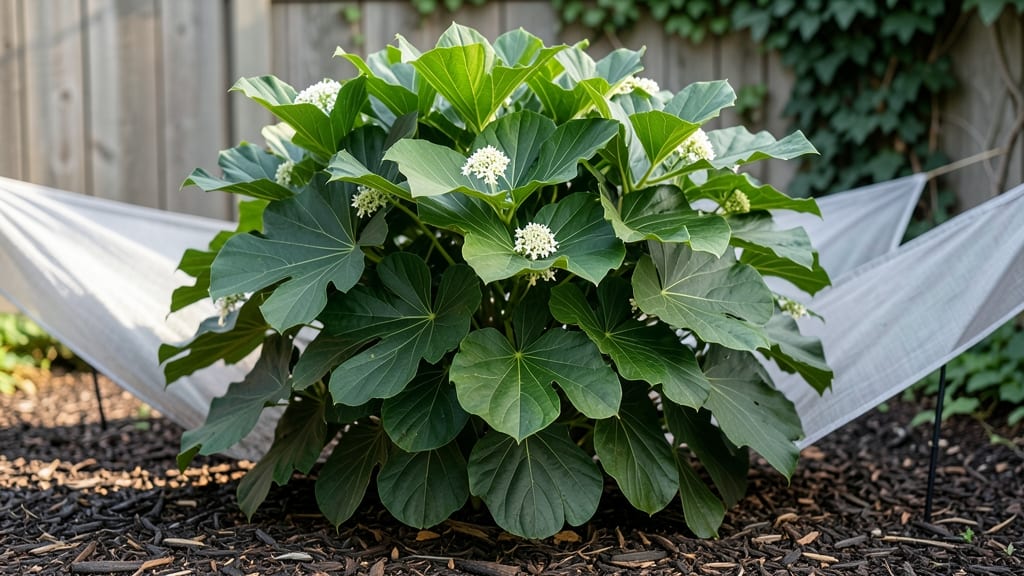
Learn how to create outdoors shade with evergreen shrubs that block sun year-round, turning your yard into a cool, inviting retreat—just like my leucothoe and pieris along the patio did for me.
Now, the space stays comfortably shaded from morning to evening, and the plants add texture and color all winter. The key is choosing dense, fast-growing evergreens that reach your desired height within a few years.
I recommend 10-12 feet tall for full sun protection, spaced 3-5 feet apart for a continuous canopy. These shrubs thrive in partial shade themselves, so they won’t compete with nearby plants for sunlight. You’ll love the transformation: no more wilting patio furniture or overheated outdoor spaces.
The foliage provides 360-degree coverage, and the scent of blooming pieris in spring makes it even better. Plus, evergreens reduce energy costs by keeping your home cooler in summer. Works for patios, garden beds, or even as a privacy screen.
Here’s how to pick the right plants and place them for maximum shade—no more sweaty afternoons!
📚 In This Guide
- What you need
- Instructions
- Tips and common mistakes
- Wrapping up and next steps
What you need
- ● Evergreen Shrubs: 6–12 mature shrubs (e.g., Leucothoe, Holly, or Pine), depending on desired shade coverage (spaced 4–6 feet apart for full coverage).
- ● 1–2 gallon containers per shrub (if planting from nursery pots).
- ● Soil & Amendments: Native soil (or topsoil for poor drainage areas).
- ● Compost or organic matter (5–10 lbs per shrub to improve soil health).
- ● Slow-release fertilizer (e.g., 10-10-10, 1 lb per shrub).
- ● Tools: Shovel or spade (for digging holes 2–3x wider than root balls).
- ● Garden trowel (for fine adjustments).
- ● Wheelbarrow (to transport soil/amendments).
- ● Hose with spray nozzle (for watering).
- ● Mulch (2–3 inches of pine bark or wood chips to retain moisture and suppress weeds).
- ● Stakes & twine (for young shrubs needing support).
- ● Drip irrigation system (to automate watering).
- ● Pruning shears (for shaping shrubs post-planting).
- ● Soil test kit (to check pH/nutrient levels before planting).
Step-by-step guide to planting evergreen shrubs for year-round shade
Here's how to transform your sunny yard into a cool, shaded retreat using evergreens that thrive in most climates.
Choose the Right Evergreen Shrubs for Your Climate
Select shrubs native to your USDA hardiness zone for best results. For northern climates, consider Leyland cypress or Emerald green arborvitae—both grow 30-40 feet tall and provide dense shade. Southern gardeners might prefer Southern magnolia or Live oak for heat tolerance and broad canopies. I always check the mature height and spread to ensure they fit my space without overcrowding.
For smaller areas, Dwarf Alberta spruce or Boxwood work beautifully, reaching 6-10 feet tall while still blocking significant sunlight. Plant at least 4-6 feet apart to allow room for growth and airflow, which prevents disease. If your yard has wet soil, opt for Alder or Willow—they thrive in moist conditions and grow quickly.
Prepare the Planting Site for Optimal Growth
Test your soil's pH and drainage before planting. Most evergreens prefer slightly acidic soil (pH 5.0-7.0) and well-draining conditions. If your soil is heavy clay, amend it with 2-3 inches of compost and 1 inch of sand to improve drainage. For sandy soil, mix in 2 inches of peat moss to retain moisture.
Choose a location with partial shade during the first year, especially in hot climates. Evergreens establish roots slowly, and too much direct sun can stress young plants. Mark the planting spots with stakes, spacing them according to the shrubs' mature widths. Dig holes twice as wide as the root ball but only as deep—planting too deep suffocates roots.
Plant Shrubs Correctly for Long-Term Stability
Remove the shrub from its container and loosen the roots gently if they're circling. Place it in the hole so the top of the root ball sits 1 inch above ground level—this prevents waterlogging. Backfill with native soil, tamping lightly to eliminate air pockets. Water deeply until the soil settles, then add a 2-inch layer of mulch around the base, keeping it 6 inches away from the trunk to avoid rot.
Stake young shrubs if they're tall or top-heavy, using 2-3 stakes per plant tied loosely with soft fabric. Over-tightening can girdle the stem as it grows. Water once a week for the first month, ensuring the soil stays evenly moist but not soggy. Avoid wetting the foliage to prevent fungal diseases like needle blight.
Maintain Shrubs for Dense, Year-Round Shade
Fertilize in early spring with a slow-release, balanced fertilizer (10-10-10) to encourage lush growth. Evergreens don't need heavy feeding—over-fertilizing leads to weak, disease-prone foliage. Prune in late winter or early spring to shape the shrub and remove dead or crossing branches. Use clean, sharp shears to make cuts just above a bud or branch collar.
Monitor for pests like spider mites or bagworms, which love evergreens. Treat infestations early with neem oil or insecticidal soap to avoid chemical damage. In drought-prone areas, water deeply every 10-14 days once established, focusing on the root zone. Mature shrubs with deep roots can handle dry spells better than shallow-rooted annuals.
Layer Shrubs for Gradual, Full Sun Block
For immediate shade, plant taller shrubs (like arborvitae) on the north side of your yard, where they'll cast the longest shadows. Add medium-height shrubs (like boxwood) in front to create a layered effect. Over 3-5 years, these layers will merge, creating a thick, continuous shade canopy. If you have a patio or deck, plant dwarf varieties in containers nearby for flexible shade control.
Combine evergreens with deciduous trees like Crape myrtle or Japanese maple for seasonal interest. The deciduous trees provide shade in summer but allow sunlight in winter, while the evergreens maintain year-round coverage. Rotate plants every 2-3 years to fill gaps and adjust the shade pattern as needed.
Tips & tricks for perfect evergreen shade plantings
These practical insights will help you avoid common pitfalls and create a thriving shade garden that lasts for years.
Climate Matching: Double-check your USDA hardiness zone before selecting shrubs—mature heights and cold tolerance vary dramatically. For example, Leyland cypress thrives in zones 6-10 but may struggle in zone 5 winters. I always call my local extension office if I'm between zones to get precise recommendations. The 30-40 foot height range for tall evergreens means you'll need to plan for future pruning if they get too close to power lines or structures.
Soil Prep Shortcut: If you're unsure about your soil's pH, grab a simple test kit from your garden center for under $10. Most evergreens prefer slightly acidic soil (pH 5.0-7.0), but some like azaleas need even more acidic conditions. For heavy clay soil, I mix in 2-3 inches of compost and 1 inch of sand right in the planting hole—this creates a perfect micro-environment for roots without amending your entire yard. The key is working with what you have while giving your plants the best possible start.
Planting Depth: The 1-inch rule above ground level is critical—planting too deep suffocates roots by preventing oxygen flow. I always use a level or straight stick to check depth before backfilling. For container-grown shrubs, the root flare (where roots meet trunk) should be visible above the soil line. If you're planting multiple shrubs, mark all holes first so you don't accidentally plant one too deep while digging others.
Watering Strategy: During the first month, watering once a week might not be enough in hot climates. I check soil moisture by sticking my finger 2 inches down—if it's dry, water again. The goal is to keep soil evenly moist but not soggy. For established shrubs in drought-prone areas, deep watering every 10-14 days is better than frequent light watering, which encourages shallow roots. A soaker hose placed at the drip line works wonders for consistent moisture.
Pro Tips for Create Outdoors Shade
- These practical insights will help you avoid common pitfalls and create a thriving shade garden that lasts for years.
- Climate Matching: Double-check your USDA hardiness zone before selecting shrubs—mature heights and cold tolerance vary dramatically.
- Soil Prep Shortcut: If you're unsure about your soil's pH, grab a simple test kit from your garden center for under $10.
Frequently asked questions
Got questions about creating outdoor shade with evergreen shrubs? You’re not alone! Here are some of the most common concerns—and straightforward answers to help you plan with confidence.
What’s the fastest way to get shade with evergreen shrubs?
Fast-growing evergreens like Leyland Cypress or Emerald Green Arborvitae can provide shade in 3–5 years. For quicker results, combine shrubs with temporary shade sails or pergolas while they mature. Plant in early spring for a head start!
Do evergreen shrubs work well in small yards or tight spaces?
Dwarf varieties like Dwarf Hinoki Cypress or Boxwood thrive in small spaces. Use container gardening or strategic placement near patios/fences to maximize shade without overcrowding. Just ensure they get enough sunlight for healthy growth.
How do I prevent shrubs from blocking sunlight from my neighbor’s yard?
Check local property lines before planting. Opt for narrower shrubs (like Thuja occidentalis ‘Smaragd’) and prune regularly to maintain shape. A friendly chat with neighbors can also ease concerns—most appreciate natural shade when planned thoughtfully!
What if my shrubs aren’t blocking enough sun after a few years?
If growth stalls, fertilize in early spring and mulch to retain moisture. For denser shade, layer shrubs (e.g., a taller cypress behind a shorter arborvitae) or add climbing vines like ivy to fill gaps. Patience is key—mature shrubs (10+ years) offer the best coverage!
Are there low-maintenance evergreen shrubs for lazy gardeners?
Yes! Italian Cypress, Inverse Yew, and Dwarf Alberta Spruce require minimal pruning. They’re drought-tolerant once established and resist pests. Just water deeply during the first year to help roots spread.
Wrapping up and next steps
Creating a year-round outdoor shade oasis with evergreen shrubs is easier than you think! 🌿 Whether you’re protecting your patio, garden, or play area, these hardy plants offer natural, low-maintenance sunblock that grows with you.
Start small—plant a few shrubs, monitor their growth, and expand as needed. Your future shaded retreat (and cooler summer days) will thank you!
Ready to transform your space? Pick your favorite shrubs, grab your tools, and get planting—your shade sanctuary awaits! 🌳 For extra inspiration, explore landscaping layouts or companion plant pairings next.