
Size
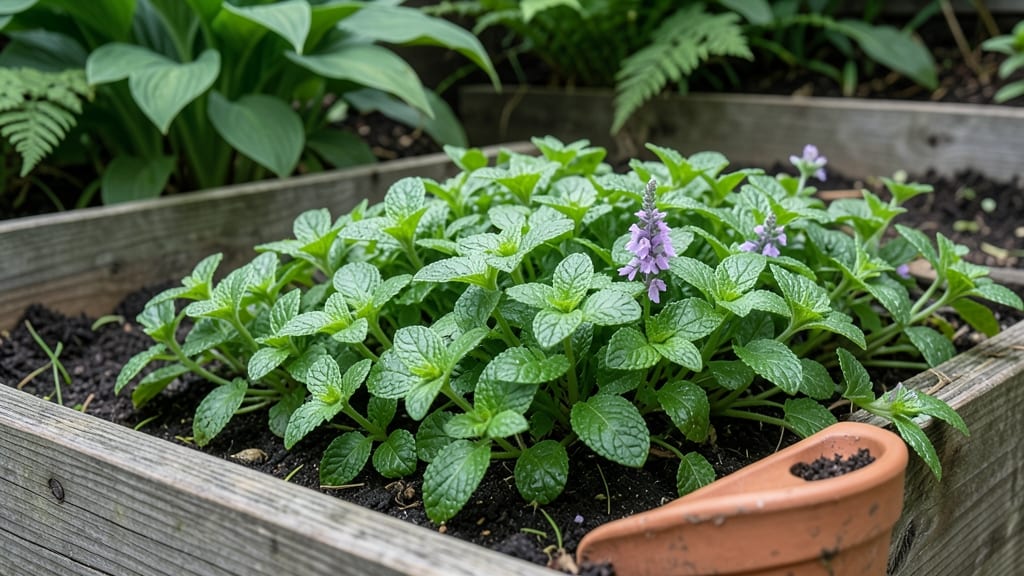
Struggling to grow herbs in your shady garden? These seven shade-tolerant herbs thrive with minimal sunlight, making them perfect for patios, balconies, or forest-edge gardens where full sun is scarce.
Sweet Woodruff for Fragrant Shade Gardens
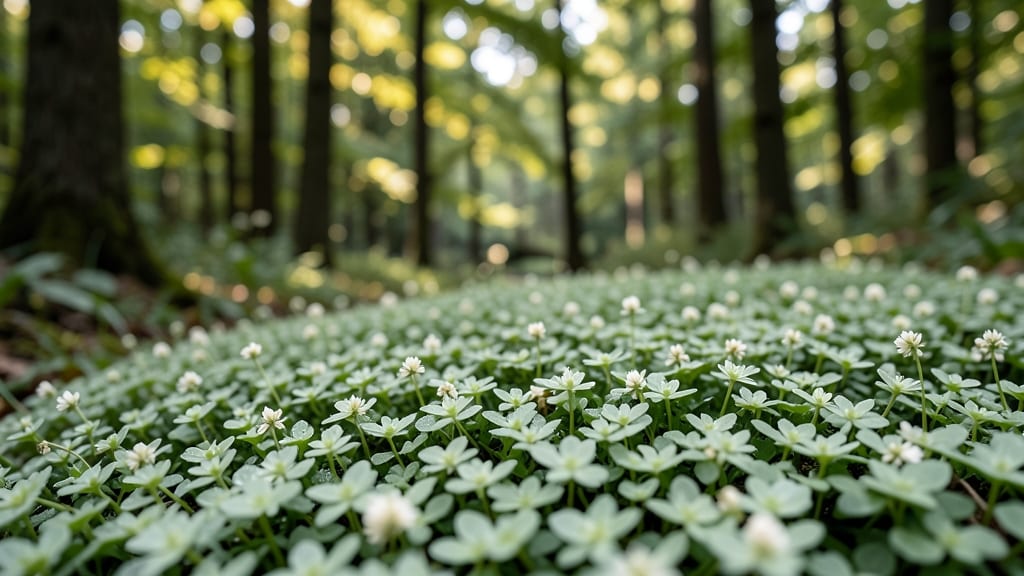
Transform your shady garden into a fragrant sanctuary with sweet woodruff, a delicate herb that thrives in deep shade while filling the air with its signature vanilla scent. This low-growing perennial forms a lush, carpet-like ground cover perfect for understory planting or as a living mulch.
Sweet woodruff's star-shaped white flowers bloom in late spring, attracting early pollinators like bees and butterflies, while its aromatic foliage makes it a favorite for herbal tea enthusiasts. Plant it in well-draining, moist but not soggy soil with partial to full shade, and watch it spread gently to create a fragrant living carpet. The leaves release their vanilla fragrance when crushed, making it ideal for pathways or seating areas.
This shade-loving herb is especially valuable for gardeners with north-facing walls or tree canopies, offering both beauty and function without competing with taller plants. Its self-seeding nature means it'll return year after year with minimal effort. 🌿
Mint Varieties Thriving in Partial Sun
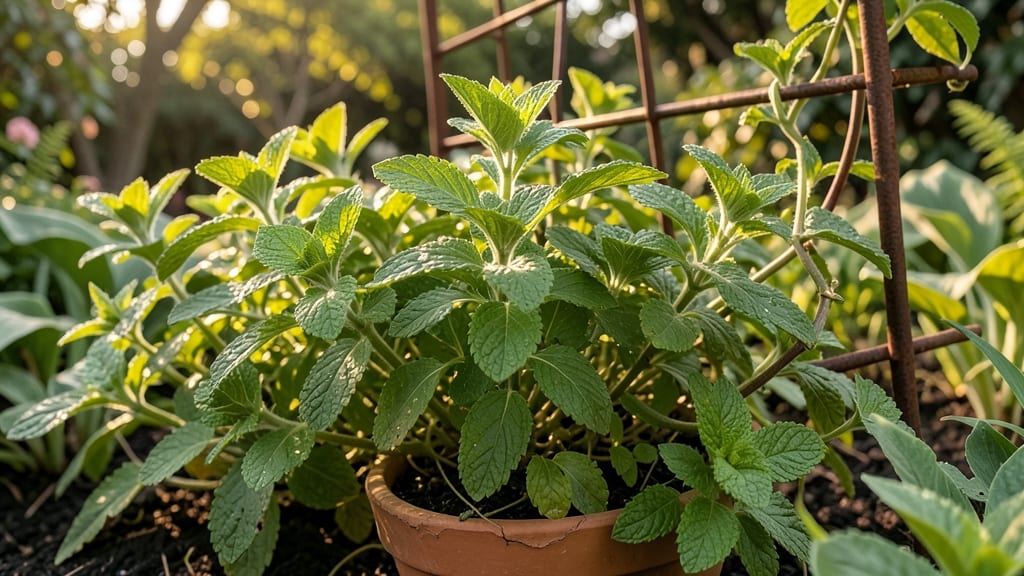
If your garden gets only partial sun, don’t let that stop you from growing mint—this hardy herb thrives where others fail. Varieties like chocolate mint (with its rich, cocoa-like aroma) or pineapple mint (bursting with tropical fruit notes) grow aggressively even in 3-6 hours of sunlight, making them perfect for shady corners, containers, or borders.
Beyond their shade tolerance, these mints act as natural pest repellents—plant them near cabbages or tomatoes to deter aphids and spider mites. They also spread quickly, crowding out weeds while providing fresh leaves for teas, cocktails, or cooking. Just keep them contained; their roots can take over!
Urban gardeners and beginners will love how forgiving mint is—it tolerates poor soil, occasional drought, and even indoor light. Plus, harvesting encourages bushier growth, so you’ll never run out of leaves. 🌱
Culinary Chervil for Shady Herb Beds
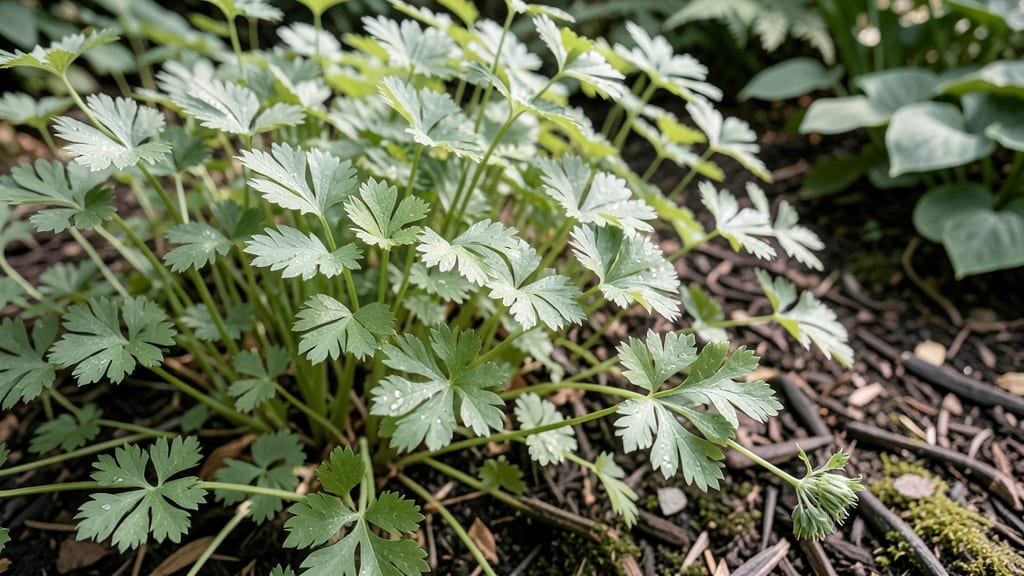
If your shady garden feels like a culinary dead zone, culinary chervil is the underrated hero you’ve been missing. This delicate annual herb thrives where others fail, producing feathery, parsley-like leaves with a subtle anise-like flavor that elevates soups, salads, and sauces.
Unlike many herbs, chervil doesn’t demand full sun—it flourishes in partial to full shade, making it ideal for north-facing beds or under tall trees. The real magic? It self-seeds naturally, so with one planting, you’ll enjoy fresh chervil year after year with minimal effort. Keep the soil consistently moist but well-draining, and harvest leaves regularly to encourage bushier growth.
Perfect for urban gardeners with limited sun or cooks who love fresh herbs, chervil’s mild, sweet flavor pairs beautifully with parsley and tarragon. Try it in pesto or sprinkled over fish for a unique twist. 🌿
Lemon Balm for Low-Light Spaces
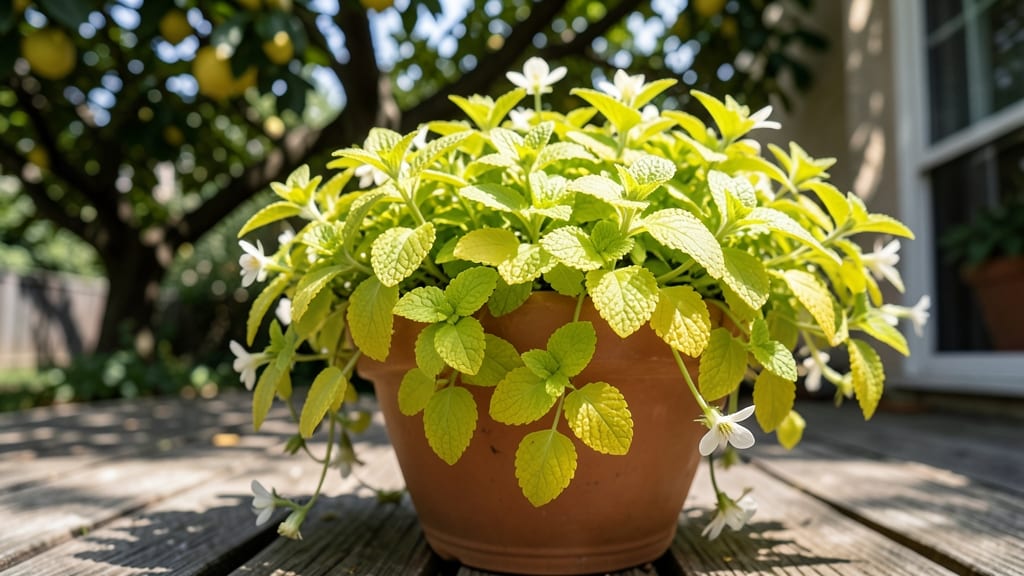
Looking for an herb that thrives in shade while adding a refreshing citrus twist to your garden? Lemon balm is your answer—this hardy perennial grows beautifully in partial to full shade, making it ideal for north-facing patios, indoor herb gardens, or even under fruit trees.
With its bright yellow-green leaves and subtle lemon scent, lemon balm isn’t just fragrant—it’s also a natural stress reliever, often used in teas for its calming properties. What’s more, its vigorous, sprawling habit crowds out weeds, reducing your maintenance workload. Simply plant it in well-draining soil and water moderately to keep it lush without overwatering.
Perfect for beginners or urban gardeners with limited sunlight, lemon balm adds both beauty and utility to shaded spaces. 💚
Parsley Varieties in Dappled Sunlight
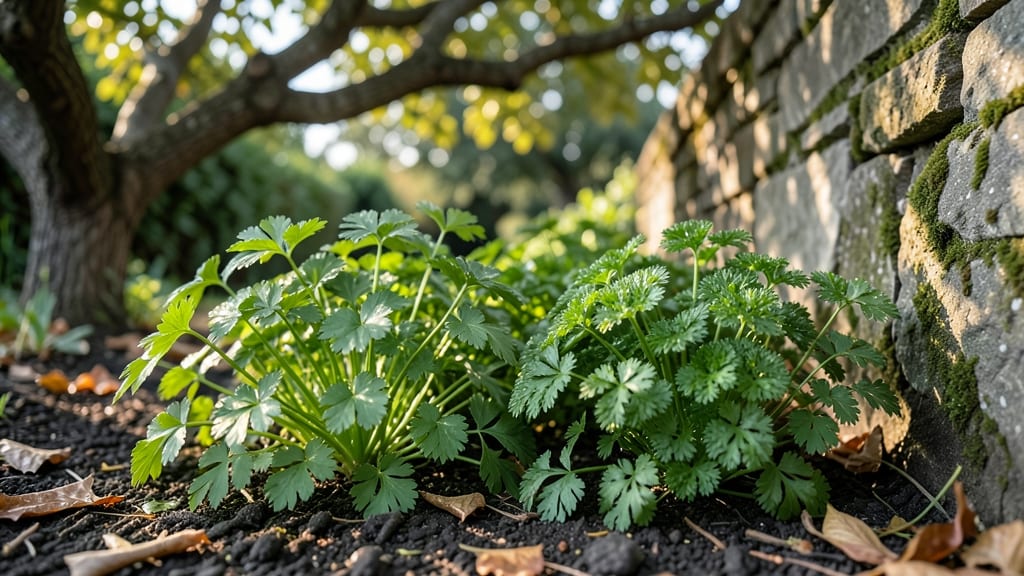
If your garden gets only dappled sunlight—like under fruit trees or along north-facing walls—don’t skip parsley! Both curly and flat-leaf parsley thrive in these conditions, making them the perfect shade-tolerant herb for kitchen gardens.
Flat-leaf parsley, in particular, outperforms its curly cousin in low-light spots, offering bolder flavor and hardier stems. Plant seeds in well-draining soil and keep them consistently moist, as shade-loving parsley appreciates steady watering. Harvest outer leaves first to encourage bushier growth, and watch as your parsley becomes a year-round staple for soups, garnishes, and pest-repelling companion plants.
Urban gardeners and balcony herb enthusiasts will love parsley’s adaptability—it’s one of the few herbs that actually prefers cooler, shaded conditions over scorching sun. 🌿
Goldenseal Root for Medicinal Shade Gardens
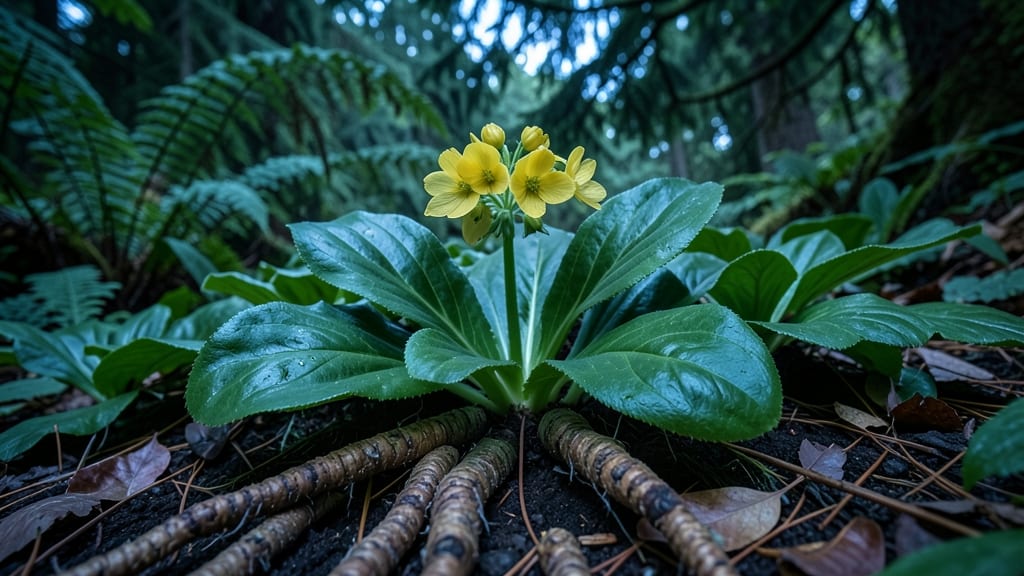
Transform your deep shade garden into a medicinal powerhouse with goldenseal, a hardy perennial that thrives where most herbs fail. This native North American plant produces striking yellow flowers and prized roots used for centuries in traditional medicine to support immune function and digestive health.
Goldenseal flourishes in moist, well-drained soil under trees or in woodland gardens, requiring only dappled light or full shade. Its deep roots improve soil structure, making it an excellent companion plant for other shade-loving herbs. For best results, plant in spring or early fall and allow it to establish before harvesting roots in its third year.
Ideal for homesteaders, herbalists, or gardeners with limited sun, goldenseal adds both beauty and functionality to shaded spaces while supporting overall garden health. 🌿
Japanese Mint for Humid Shade Spots
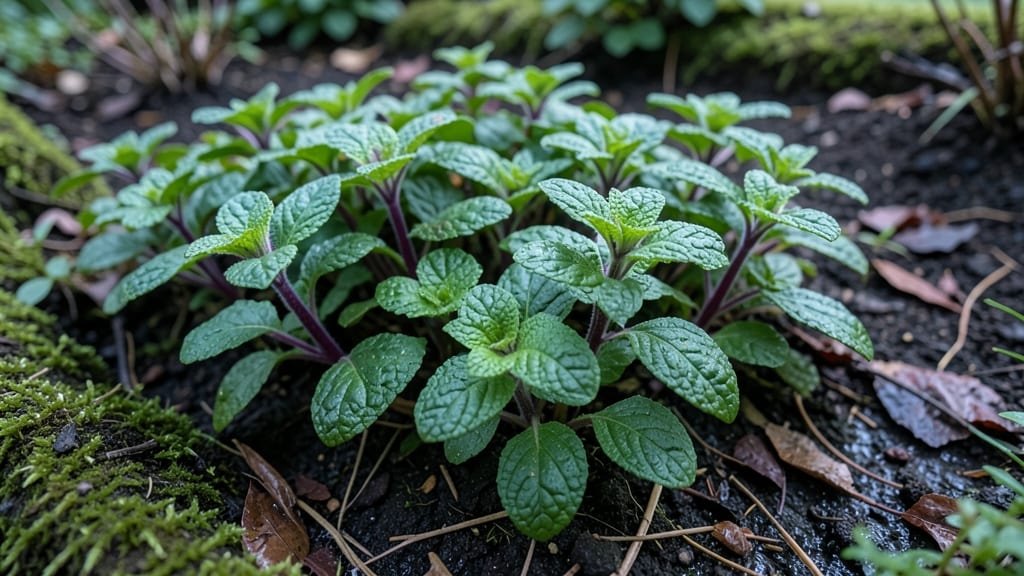
Tired of soggy soil or north-facing patches where most herbs refuse to grow? Japanese mint thrives where others fail—its deep green, crinkled leaves and striking purple stems make it a standout in humid, shaded spots that stay damp longer than usual.
Unlike common mint, this variety handles poor drainage and low light with ease, making it perfect for woodland gardens, rain gardens, or even containers on shaded patios. Its unique citrusy-mint flavor (milder than spearmint) shines in iced teas, cocktails, or as a garnish, while its vigorous but controlled spread keeps weeds at bay. Simply plant in moist, well-draining soil and watch it flourish in conditions that would stifle other herbs.
This shade-loving powerhouse is ideal for gardeners with wet or dim corners, offering both beauty and utility without the fuss. 🌿