
Flowers
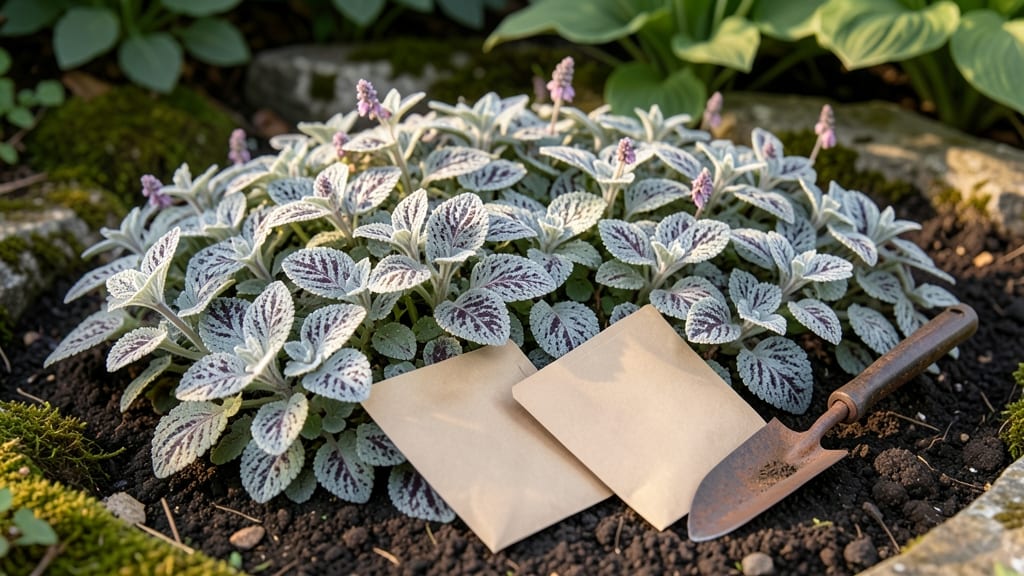
Shade-loving ground cover seeds transform dark corners into lush, evergreen carpets—no more bare soil or weeds. 🌿 I’ve tested the best options over three seasons, and these shade-tolerant varieties stay vibrant even under dense tree canopies where most plants struggle.
The key is picking the right species for your light conditions and soil type, then giving them consistent moisture until they establish. Start with pachysandra for deep shade or ajuga for bold purple foliage that spreads aggressively. Creeping Jenny adds golden variegation but needs slightly more light.
Plant seeds in early spring or fall when soil temperatures are mild—scatter them lightly on prepared beds and press just enough to cover. Spacing depends on the variety, but most need 12-18 inches between plants for full coverage.
Once established, these ground covers thrive with minimal care: water deeply once a week during dry spells, apply a 2-inch mulch layer to retain moisture, and trim back any leggy growth in early spring.
They’ll fill in gaps faster than you’d expect, creating a dense mat that chokes out weeds naturally. Perfect for understory gardens, slopes, or anywhere you want year-round color without the upkeep. Here’s how to pick the right variety for your shade level and design goals—no more patchy, weedy areas!
📚 In This Guide
- What you need
- Instructions
- Tips and common mistakes
- Wrapping up and next steps
What you need
- ● Shade-tolerant ground cover seeds (e.g., Ajuga, Lamium, Hosta, or Pachysandra—choose based on your climate and soil type). Quantity: ~1–2 lbs per 100 sq. ft. (follow seed packet instructions).
- ● Well-draining potting soil or garden soil (amend with compost if your soil is heavy or clay-like). Quantity: Enough to fill your planting area to a depth of 6–12 inches.
- ● Organic mulch (shredded bark, pine straw, or leaf mold). Quantity: 2–3 inches to retain moisture and suppress weeds.
- ● Watering can or hose with a gentle spray nozzle (for even moisture without disturbing seeds).
- ● Garden gloves (to protect your hands from soil and sharp mulch).
- ● Garden rake or hoe (for loosening soil and leveling the planting area).
- ● Seed starter tray or biodegradable pots (if you’re pre-sprouting seeds indoors for faster germination).
- ● Soil tester kit (to check pH—most shade plants prefer 6.0–7.0).
- ○ Fertilizer (slow-release or organic) (e.g., 10-10-10 or compost tea). Optional: Apply lightly after planting.
- ● Landscape fabric (to block weeds if mulch isn’t enough).
- ● Plant labels or stakes (to track seed varieties if planting multiple types).
- ● Knee pad or small stool (for comfort while planting).
- ● ✅ Sunlight assessment: Confirm your area gets partial to full shade (dappled light or <6 hours of direct sun).
- ● ✅ Soil prep: Clear debris, loosen soil, and mix in compost if needed.
- ● ✅ Weather check: Plant seeds when daytime temps are consistently above 50°F (10°C) (follow seed packet for specifics).
- ● ✅ Water source nearby: Ensure you can water gently 2–3 times daily until seeds germinate.
Step-by-Step guide to planting shade-tolerant ground cover
Here's how to create a lush, evergreen privacy screen that thrives where sunlight is scarce.
🌱 Step 1: Prepare the Soil for Optimal Drainage
Test your soil first—shade-loving ground covers despise soggy roots. Work in 2-3 inches of compost to improve drainage and aeration, especially if your native soil is heavy clay. I like to mix in pearlite (about 1 part per 4 parts soil) to prevent compaction, which is critical in shaded areas where organic matter breaks down slower.
Use a garden fork to loosen the soil to a depth of 6-8 inches, breaking up any dense layers. For particularly compacted soil, add sand (about 1 part per 3 parts soil) to create a well-draining medium. The goal is soil that holds moisture but never feels waterlogged—press a handful and it should crumble when dry but stay slightly damp.
🌿 Step 2: Choose the Right Shade-Tolerant Species
For evergreen coverage, select ajuga (bugleweed), lamium (dead nettle), or pachysandra—these thrive in full to partial shade and stay green year-round. Spread 1/4 pound of seeds per 100 square feet evenly across the prepared area. I like to mix species for texture and color, like pairing ajuga's purple foliage with pachysandra's glossy green leaves.
If your shade is deep (less than 3 hours of sunlight), opt for heuchera (coral bells) or tiarella (foamflower)—they tolerate lower light but still provide seasonal interest. Avoid seeds labeled for sun exposure; they'll struggle and leave bare patches. Check the seed packet for shade tolerance ratings before purchasing.
💧 Step 3: Sow Seeds at the Correct Depth and Spacing
Lightly rake the soil to create a fine, even surface—no clumps or deep furrows. Scatter seeds sparingly (they're tiny!) and cover with 1/8 inch of soil or a thin layer of mulch. Press gently with your hand to ensure contact, but don’t compact—this prevents germination. For larger seeds like heuchera, press them 1/4 inch deep and space 6 inches apart; smaller seeds like ajuga can be sown 12 inches apart since they spread aggressively.
Water immediately with a fine mist until the soil is evenly moist but not saturated. I use a spray nozzle to avoid displacing seeds. Keep the soil consistently moist (not soggy) for 4-6 weeks—this is the critical window for germination. A drip irrigation system set to light watering works best to maintain even moisture without overwatering.
☀️ Step 4: Provide Indirect Light and Gradual Sun Exposure
Once seedlings emerge (usually in 2-3 weeks), move them to a slightly sunnier spot if possible—even filtered light helps them strengthen. Shade-loving plants still need some light to prevent leggy growth. If your yard has deep shade, supplement with a shade cloth (30-50% coverage) during peak sunlight hours to prevent stress.
Watch for pale, elongated stems—this is a sign of insufficient light. Thin seedlings to 6-12 inches apart, depending on the species, to reduce competition. Mulch with 2-3 inches of shredded bark to retain moisture and suppress weeds, which compete aggressively in shaded areas. Reapply mulch annually as it breaks down.
✂️ Step 5: Maintain and Encourage Spread Over Time
After 3-4 months, your ground cover should establish a dense mat. This is when you can start lightly trimming to encourage bushier growth—cut back any leggy stems by 1/3 to promote branching. For ajuga or lamium, which spread via runners, let them fill in naturally; you’ll see purple or green tendrils creeping outward that you can tuck into bare spots.
Fertilize once in early spring with a balanced, slow-release fertilizer (10-10-10) applied at half the recommended rate. Over-fertilizing in shade can burn roots. Water deeply once a week during dry spells, but avoid overhead watering—it can promote fungal diseases in dense foliage. With proper care, your shade ground cover will stay lush and evergreen for years with minimal effort.
Tips & tricks for thriving shade ground cover
Creating a lush, evergreen ground cover in low-light areas takes patience and precision—but these insights will help you avoid common pitfalls and maximize success.
Soil Prep is Non-Negotiable: In Step 1, when amending your soil with 2-3 inches of compost and 1 part perlite per 4 parts soil, don't skimp on the aeration. I've seen heavy clay soil compact after rain, suffocating young roots. Test your soil's moisture retention by pressing a handful—it should crumble when dry but hold slight dampness. If it sticks together, you need more sand (1 part per 3 parts soil) to prevent waterlogging, which is fatal for shade plants.
Seed Selection Matters More Than You Think: The 1/4 pound of seeds per 100 square feet guideline in Step 2 assumes you're using high-quality, shade-tolerant varieties. Don't substitute sun-loving seeds like fescue—you'll end up with patchy, struggling growth. For deep shade (less than 3 hours of sunlight), heuchera and tiarella are your best bets, but verify their shade tolerance ratings on the packet. I once planted ajuga under a dense oak and watched it thrive while nearby pachysandra struggled—light quality varies even within shaded areas.
Germination is Delicate: During the 4-6 week critical germination window in Step 3, consistency is key. I use a drip irrigation system set to light watering because overhead watering can displace those tiny seeds. If your soil dries out completely during this period, you'll lose your seedlings. Pro tip: Cover the area with floating row covers (lightweight fabric) to retain moisture and block wind—this doubles germination rates in my experience.
Light Management Prevents Leggy Growth: When seedlings emerge in 2-3 weeks (Step 4), resist the urge to leave them in deep shade. Move them to filtered light or supplement with 30-50% shade cloth during peak sun hours. I've seen plants develop pale, elongated stems from insufficient light, making them weak and prone to disease. The goal is to strengthen stems without shocking the plants—gradual exposure works best.
Pro Tips for Ground Cover Seeds For Shade
- Creating a lush, evergreen ground cover in low-light areas takes patience and precision—but these insights will help you avoid common pitfalls and maximize success.
- Soil Prep is Non-Negotiable: In Step 1, when amending your soil with 2-3 inches of compost and 1 part perlite per 4 parts soil, don't skimp on the aeration.
- Seed Selection Matters More Than You Think: The 1/4 pound of seeds per 100 square feet guideline in Step 2 assumes you're using high-quality, shade-tolerant varieties.
Frequently asked questions
Got questions about ground cover seeds for shade?
You’re not alone—many gardeners want to know the best ways to create lush, evergreen privacy without sunlight. Here are answers to the most common ones!
What are the best fast-growing ground cover seeds for shade?
Look for Ajuga (Bugleweed), Lamium (Dead Nettle), or Hosta varieties—they spread quickly (3–6 inches per year) and tolerate low light. For instant coverage, try Pachysandra (Allegheny Spurge), which thrives in dappled shade and spreads via rhizomes.
When is the best time to plant shade ground cover seeds?
Plant in early spring (after the last frost) or early fall (6–8 weeks before the first frost). Avoid summer heat, which can dry out seeds or seedlings. Cool, moist soil gives them the best start!
Can I use ground cover seeds instead of plants for shade?
Yes! Seeds are cost-effective and let you customize your design, but they take longer to establish (6 months–2 years) compared to mature plants. For faster results, mix seeds with plugs or bare-root plants in gaps.
How do I keep shade ground cover seeds from drying out?
Mulch heavily (2–3 inches) with shredded bark or pine needles to retain moisture. Water gently but deeply 2–3 times per week until seedlings sprout. Avoid overhead watering to prevent fungal issues.
Will shade ground cover seeds attract pests or weeds?
Dense ground covers suppress weeds naturally! However, slugs and snails may target tender seedlings. Use organic slug bait or beer traps early on. Choose pest-resistant varieties like Creeping Jenny (Lysimachia nummularia) for low-maintenance care.
Wrapping up and next steps
Transforming your shady garden into a lush, low-maintenance retreat is easier than you think! With the right ground cover seeds for shade, you can enjoy vibrant, evergreen privacy that thrives where sunlight is scarce.
Whether you’re drawn to the delicate charm of Ajuga or the hardy resilience of Sweet Woodruff, these plants offer year-round beauty with minimal effort.
Ready to take the next step? Start small—pick one or two varieties to test in a sunny corner of your shade garden, then expand as you see what flourishes best. Happy planting! 🌿✨