
Shrubs
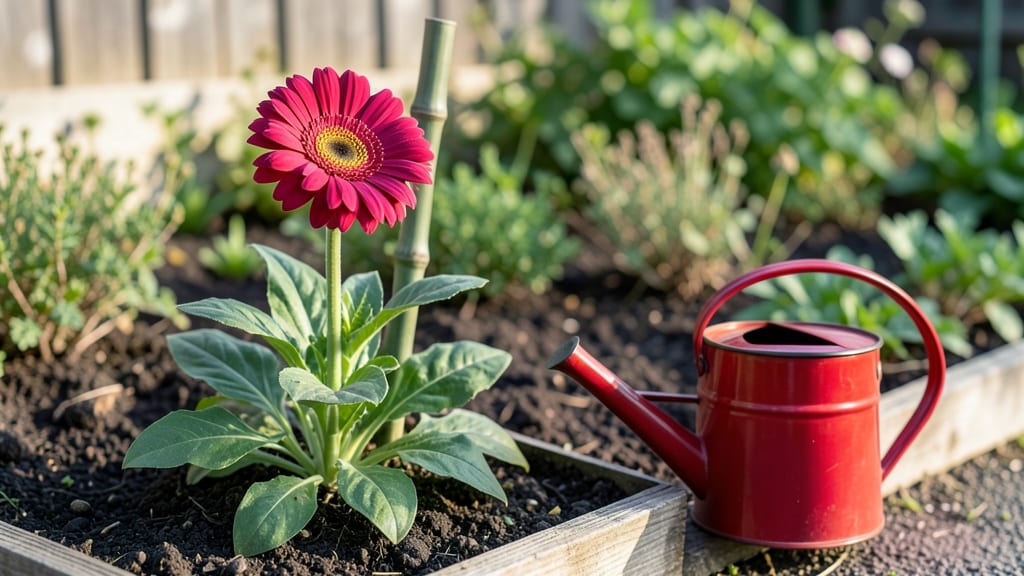
Gerbera daisies thrive in sun or shade, but getting the balance right is the key to those bold, long-lasting blooms 🌼 — and too much of either can leave you with limp petals or no flowers at all.
Picture this: you’ve spent months nurturing your gerbera daisies, only to watch them wilt under harsh afternoon sun or fade into leafy green stalks when tucked too far in the shade.
The truth is, these vibrant flowers need 6 to 8 hours of sunlight daily, but not the scorching kind that turns their leaves crispy.
In this guide, I’ll break down exactly how to read your gerbera daisies’ light needs, from spotting the early signs of sunburn to adjusting care for partial shade.
Whether you’re in Zone 6a or a container on a patio, you’ll learn how to tweak watering, soil, and even fertilizer to keep those cheerful blooms coming all season.
By the end, you’ll know when to move your plants, which varieties handle shade best, and how to protect them from winter’s weak light—without sacrificing a single petal.
 Best Window Placement
Ideal sunlight requirements for gerbera daisies: balancing full sun and partial shade
Gerbera daisies thrive on bright light, but their exact needs vary by variety and climate. While most prefer 6-8 hours of full sun, some can tolerate partial shade in hot climates. Understanding these differences ensures vibrant blooms and healthy foliage throughout the growing season.
Too little light leads to leggy stems and sparse blooms, while excessive sun can scorch delicate petals. The key is finding that sweet spot where your gerberas get enough energy for colorful flowers without stress.
Let’s break down the sunlight spectrum and how to spot when your plants are crying for help.
🌼 Pro Tip: Morning sun is gentler than afternoon heat, so position your gerberas to catch eastern or southern exposure first. This prevents leaf burn while still providing the energy boost they need for blooming.
If your gerberas show brown or crispy edges on leaves, they’re likely getting too much midday sun. Move them to a slightly shadier spot or provide afternoon shade cloth.
For pale stems and few blooms, they need more light—try a south-facing window or grow lights for indoor plants.
Gerberas in hot climates (Zones 8-10) benefit from partial afternoon shade during peak summer months. Use lightweight shade cloth (30-50%) to filter harsh rays while still allowing bright indirect light. This mimics their natural African savanna habitat, where they grow under dappled sunlight.
For container gerberas, rotate pots weekly to ensure even sunlight exposure. This prevents one-sided growth and encourages symmetrical blooming. If your patio or balcony faces west or south, prioritize morning sun exposure to avoid afternoon heat stress.
In cooler climates (Zones 5-7), gerberas can handle full sun year-round, but winter protection is key. Use frost blankets or move pots to sheltered locations when temperatures drop below 40°F (4°C). Even with full sun, cold snaps can stunt growth or cause flower buds to abort.
Watch for bud blast—when buds form but fail to open. This often signals inconsistent light exposure or temperature fluctuations. To fix it, stabilize light conditions and ensure consistent watering. A mulch layer (2-3 inches) helps regulate soil temps and reduces stress during transitions.
Remember: Gerberas are sun-worshippers, but like all plants, they need balance. Start with 6 hours of morning sun, then adjust based on leaf color, stem strength, and bloom frequency. With the right light, your gerberas will reward
How to adapt gerbera daisy care for different light conditions: sun vs shade solutions
Gerbera daisies thrive in bright light, but their care needs shift dramatically depending on whether they're basking in full sun or nestled in partial shade. As someone who's grown gerberas in both conditions, I've learned the hard way that one-size-fits-all care simply doesn't work.
The same watering schedule that keeps plants happy in shade can drown them in full sun, and fertilizer ratios need adjustment too. Let's break down how to tailor your approach for each scenario.
For full sun conditions (6+ hours of direct light), gerbera daisies demand consistent moisture and well-draining soil to prevent root rot from heat stress. In my Zone 6a garden, I've found that mulching with 2-3 inches of straw keeps roots cool while maintaining even moisture.
The key is morning watering—this gives roots time to absorb water before the midday heat evaporates it. Without this adjustment, my gerberas would wilt by afternoon, even with daily watering.
⚠️ CALLOUT-WARNING: Gerbera Daisy Light Shock Risks ⚠️
- Acclimate gradually over 7-10 days by moving plants 1 foot closer to their new light position daily
- Avoid midday sun during transition—use light shade cloth (30-50%) for protection
- Monitor soil moisture closely—shade-adapted plants need 30% less water than sun-grown ones
When gerberas live in partial shade (3-6 hours of sun), their care shifts toward preventing legginess and encouraging compact growth. I've had success with dwarf varieties like 'Lemon Drop' in my east-facing garden bed, where they receive morning sun but afternoon shade.
Here, I reduce watering to every 5-7 days and use a 50% diluted fertilizer every 6 weeks to avoid overfeeding in lower light. The goal is to keep them bushy and blooming rather than tall and sparse.
Indoor gerbera daisies present unique challenges since most homes can't replicate their natural sunlight requirements. My south-facing windowsill setup works best with a grow light supplement—12-14 hours of cool white LED light daily fills the gap.
For watering, I've switched to bottom-watering to prevent fungal issues from humidity, and I use pebble trays to maintain consistent moisture without soggy soil. The key is rotation: I turn the pot weekly so all sides get equal light exposure.
Soil composition becomes equally critical when adapting care. In full sun, I amend my native clay soil with 50% perlite to improve drainage, while in shade conditions, I add 20% compost to boost organic matter.
For indoor plants, I use a cactus/succulent mix with added worm castings for nutrients. The pH should stay between 6.0-6.5—too alkaline in shade can cause magnesium deficiency (yellowing between leaf veins), while too acidic in sun can lead to iron toxicity.
Finally, let's talk seasonal adjustments. In summer's intense sun, I provide afternoon shade with a lightweight shade cloth (30% shade) to prevent leaf burn. During winter, even partial shade gerberas need supplemental grow lights to maintain blooming.
I've found that red and blue spectrum LEDs work best for encouraging flowering. By tailoring these adjustments, my gerberas have bloomed continuously for 10 months—something I never achieved with a one-size-fits-all approach.