
Light Requirements
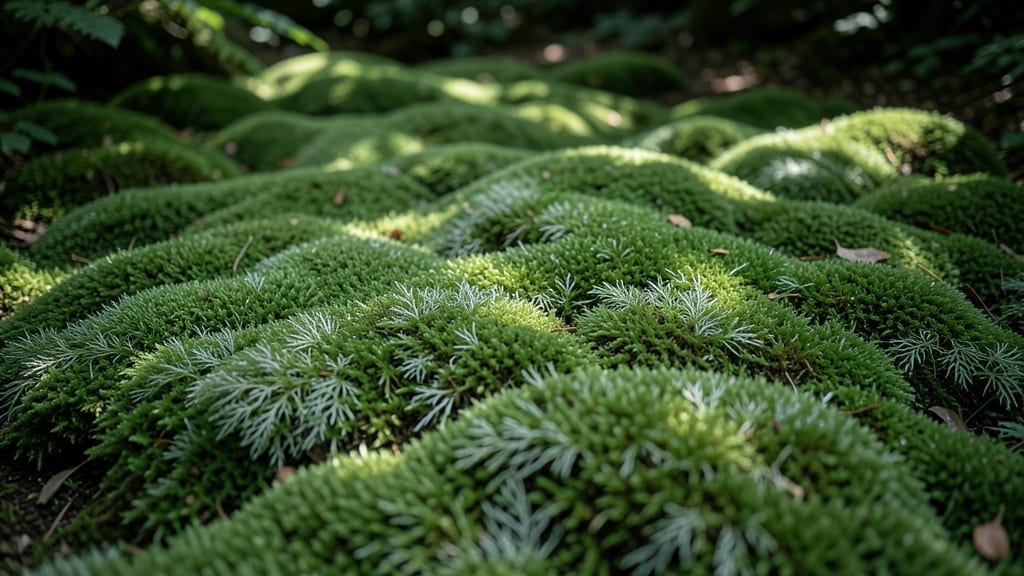
Struggling to grow plants in shady spots? These 10 full shade gardens prove that vibrant, low-maintenance beauty thrives where sunlight barely reaches. Perfect for patios, north-facing yards, or dense woodland edges.
Hostas With Variegated Foliage Showcases
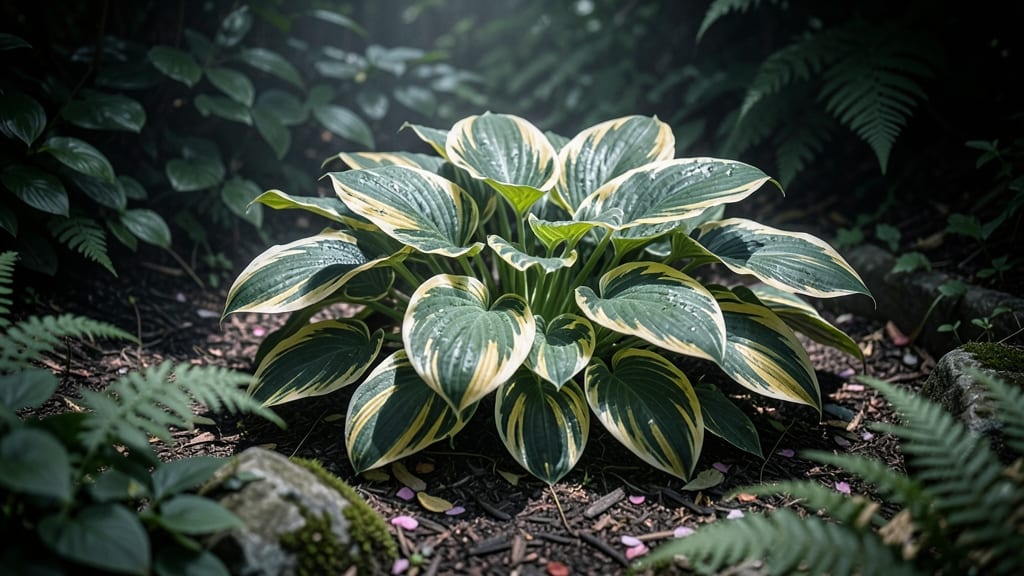
Transform your darkest garden corners into a variegated foliage showcase with hostas—nature’s built-in art pieces for deep shade. These classic shade plants thrive where sunlight barely touches, offering bold color contrasts that brighten even the gloomiest spots with minimal effort.
Hostas like 'Francee' (blue-green with golden edges) or 'Guacamole' (chartreuse with cream centers) deliver year-round interest with their striking patterns. Plant them in moist, well-drained soil enriched with compost, and they’ll reward you with lush, low-maintenance growth—perfect for foundation plantings or woodland garden edges. Deer-resistant varieties like 'Halcyon' make them ideal for rural properties too.
Urban gardeners and busy homeowners will love how hostas suppress weeds naturally while adding textural drama to shady borders. Pair them with ferns or heucheras for a layered, high-impact look that requires almost no summer care. 🌱
Heuchera Coral Bells Varieties
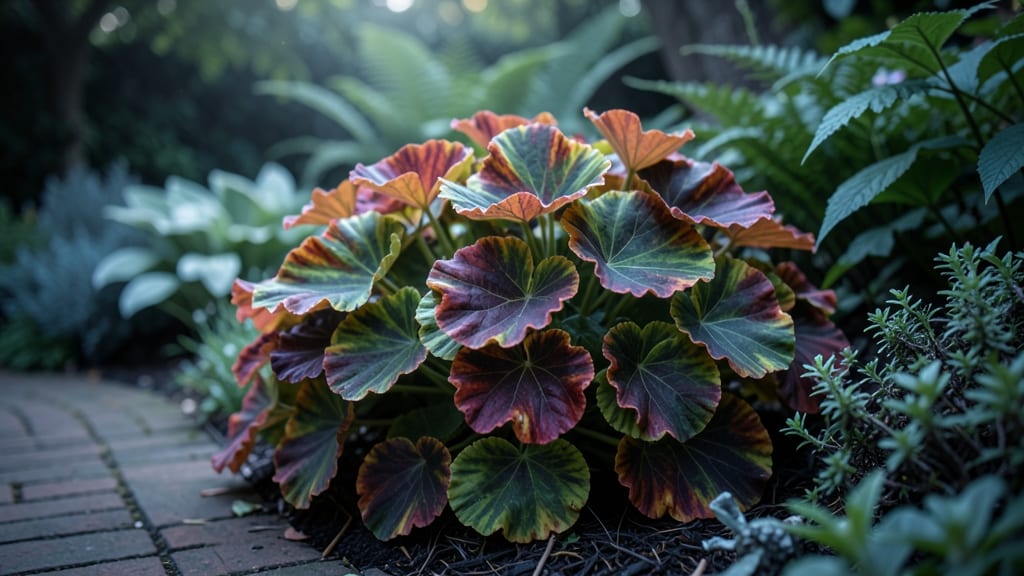
Tired of dull, lifeless corners in your garden? Heuchera Coral Bells turn even the shadiest spots into vibrant focal points with their striking foliage that shines year-round—no sun required!
These low-light superstars thrive in 2-4 hours of sunlight (or even full shade) and come in a rainbow of colors from deep burgundy to lime green. Their compact size makes them ideal for containers, window boxes, or small borders, while their textured leaves add depth to any space. Just keep the soil moist and well-drained for best results.
Perfect for urban balconies, woodland gardens, or even as a pop of color under trees, Heuchera is the secret weapon for busy gardeners who want instant impact with zero fuss. 🌿
Astilbe Plume Flowers in Soft Pinks
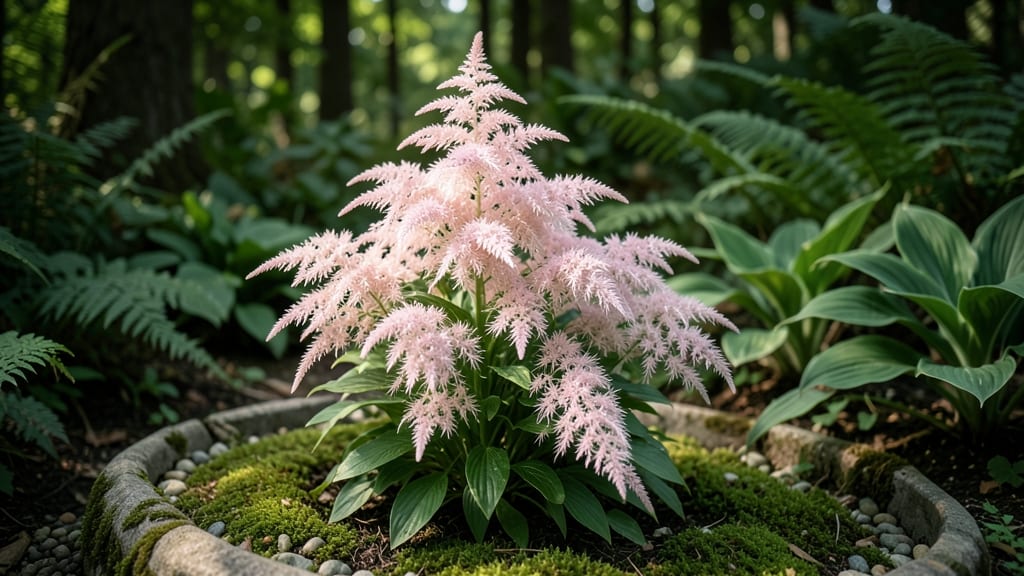
Want to add soft, romantic drama to your shady garden without sacrificing sunlight-starved conditions? Astilbe delivers feathery pink plumes that dance in the breeze, creating a dreamy woodland effect where other flowers fade.
These summer-blooming perennials thrive in full to partial shade and demand only moist, well-drained soil—think of them as the perfect companion for hostas or ferns. Their vertical height (1-3 feet) adds dimension, while their airy texture softens dark corners. Deadhead spent blooms to encourage repeat flowering until frost.
Ideal for woodland gardeners or those with north-facing beds, astilbe’s low-maintenance elegance makes it a standout for both beginner and experienced growers. 🌷
Japanese Painted Ferns for Texture
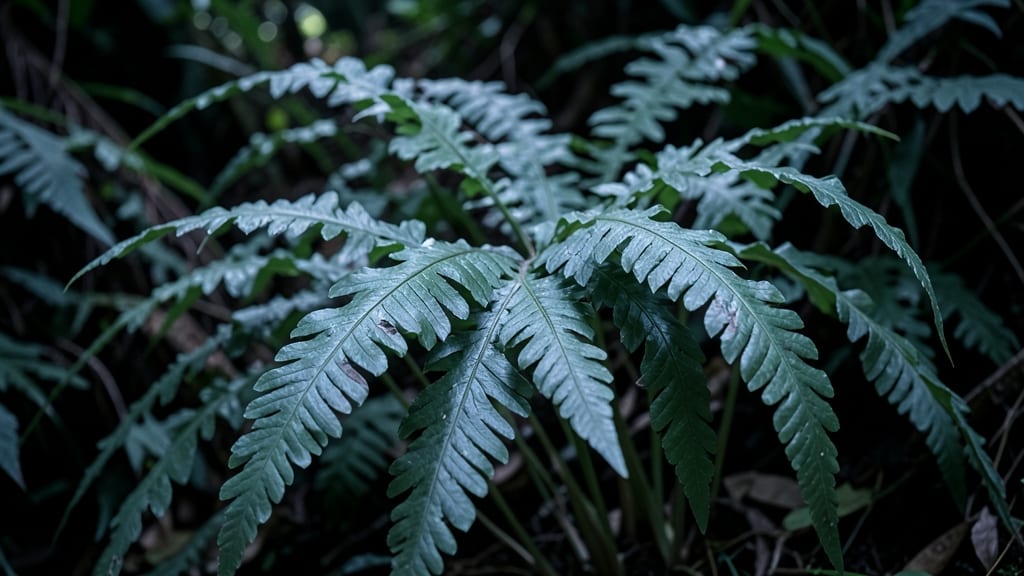
Tired of shady borders looking flat and boring? The Japanese painted fern (Athyrium niponicum) transforms dull corners into striking focal points with its silvery-green and deep green fronds, creating natural contrast that catches the eye.
This drought-tolerant fern thrives in deep shade where most plants struggle, making it ideal for north-facing gardens or dense woodland edges. Plant it in moist, well-draining soil enriched with organic matter, and watch its architectural fronds add depth to borders. Unlike ferns that fade in summer, this variety maintains its color and texture year-round.
Perfect for gardeners who want low-maintenance texture without sacrificing visual impact, this fern is especially great for urban gardeners with limited sunlight or those creating a Japanese-inspired garden feel. 🌿
Bleeding Heart Flowers in Spring
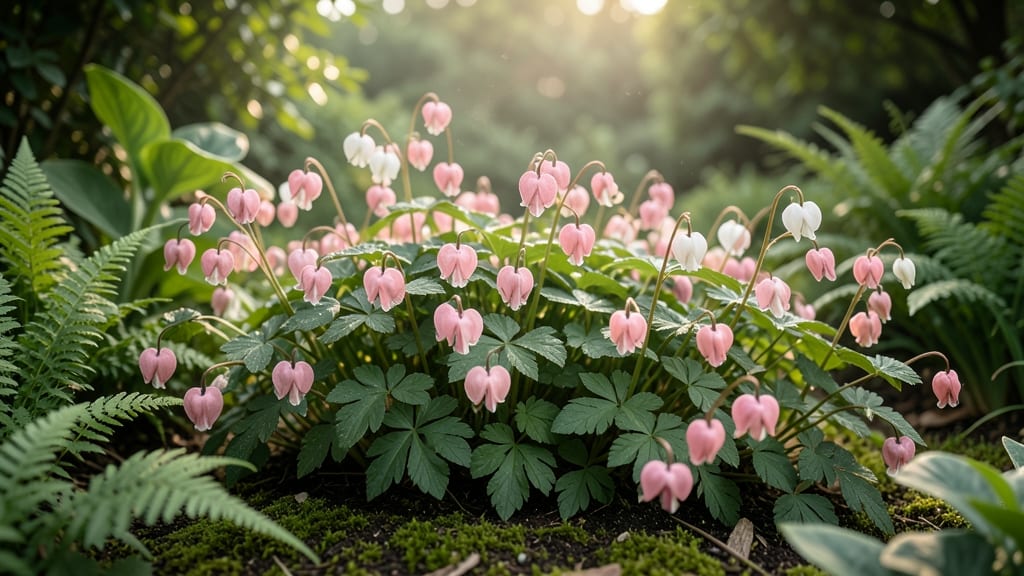
Want to add a touch of romance to your full shade garden without sacrificing easy care? Bleeding heart flowers (Dicentra spectabilis) are the answer—these delicate perennials burst into heart-shaped blooms in soft pinks and whites each spring, creating a dreamy focal point.
These shade specialists thrive in moist, well-drained soil and prefer partial to full shade, making them perfect for under trees or along north-facing walls. Plant them in early spring or fall, spacing clumps 18-24 inches apart for a lush, cascading effect. While they fade after blooming, their fern-like foliage remains attractive all season, and they’ll self-seed for years of effortless color.
Ideal for gardeners who love cottage-style charm, bleeding hearts pair beautifully with hostas and ferns, offering a soft contrast to bolder foliage plants. Just keep the soil consistently moist—they’re not drought-tolerant—and you’ll enjoy early-season color that brightens even the shadiest corners. 🌷
Lungwort Pulmonaria for Early Blooms
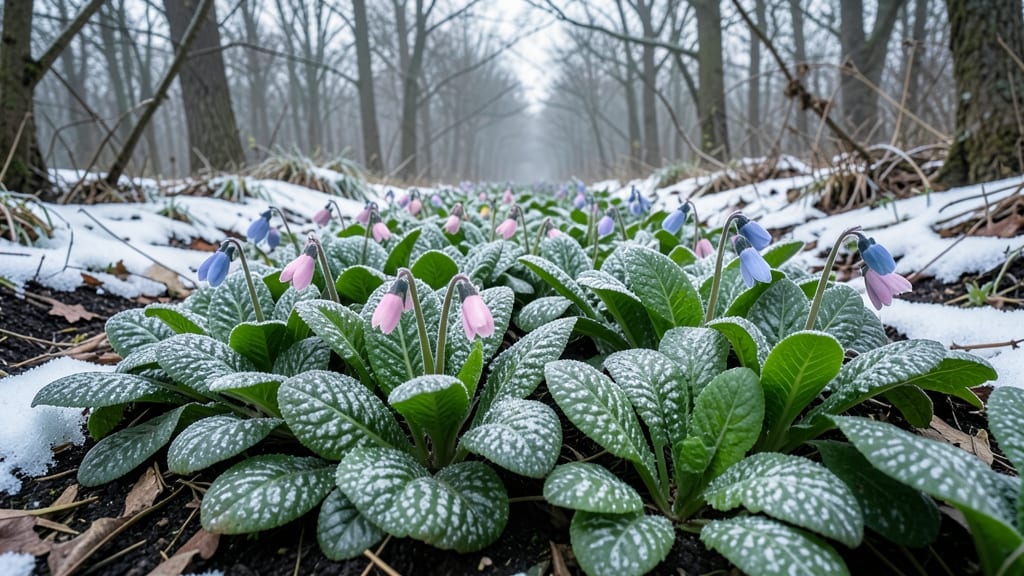
When your garden is still blanketed in snow and most plants are dormant, lungwort (Pulmonaria) bursts onto the scene with cheerful blooms and striking spotted foliage—a rare early-season spectacle in deep shade. This underrated ground cover thrives where sunlight barely reaches, making it a secret weapon for transforming dull corners into vibrant spring displays.
Plant Pulmonaria in well-drained, moist soil enriched with organic matter, and watch it spread gently into a lush carpet. Its blue, pink, or white flowers shift color as they age, creating a dynamic show, while the silver-spotted leaves add texture even after blooms fade. Deadhead spent flowers to encourage a second flush of blooms later in the season, and enjoy its deer-resistant nature—a bonus for gardeners in rural areas.
Perfect for beginners or busy gardeners, lungwort requires almost no maintenance once established, yet delivers year-round interest with its evergreen foliage. It’s ideal for woodland gardens, shady borders, or even as a living mulch to suppress weeds. 🌱
Fern Collections for Year-Round Greenery
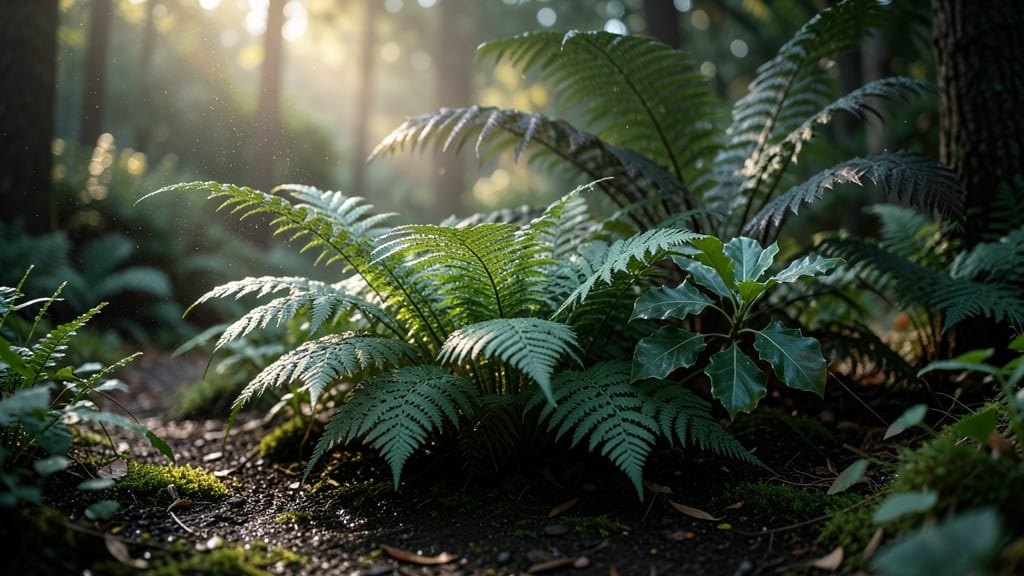
Transform your darkest garden corners into a lush, evergreen sanctuary with a curated collection of ferns. Unlike other shade plants that fade in winter, ferns like maidenhair, holly, and ostrich deliver year-round texture and delicate movement, even in full shade conditions.
Plant them in moist, humus-rich soil with a thick layer of mulch to retain moisture and suppress weeds. Group varieties by height—tall ostrich ferns (3-4 feet) in back, mid-height holly ferns (2-3 feet) in the middle, and delicate maidenhair ferns (6-12 inches) in front—for a cascading effect. Most thrive in USDA zones 3-9, making them ideal for northern climates.
Urban gardeners and woodland enthusiasts will love how ferns soften hard edges while attracting pollinators like butterflies. A mixed collection adds depth and dimension without the upkeep of flowering plants. 💚
Impatiens Annuals for Bright Summer Color
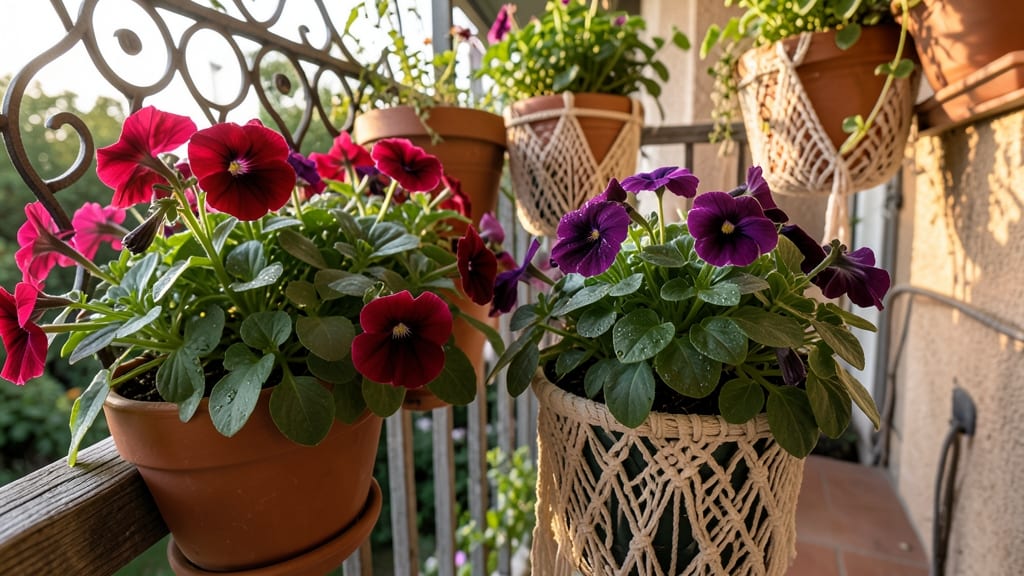
When your patio or balcony gets only a few hours of dappled light, impatiens annuals are your secret weapon for instant summer color. These fast-growing beauties bloom profusely in deep shade, turning gloomy corners into vibrant displays with zero sunlight struggles.
Plant them in containers or hanging baskets from late spring to early summer, and watch them explode with blooms in just 4-6 weeks. Choose from classic reds, pinks, or whites, and keep soil consistently moist for continuous flowering. They’re perfect for urban gardeners or anyone with limited space.
Impatiens bring joy to shady spots where other plants fail, making them the easiest way to add a pop of color to your darkest corners. 🌻
Hellebores Winter Blooms in Dark Corners
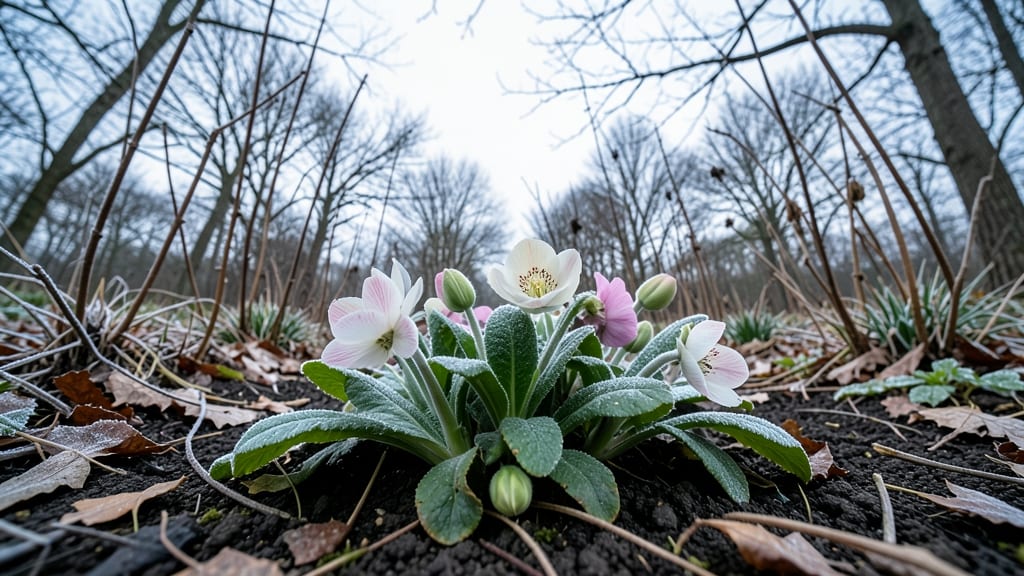
When your garden looks like a winter wonderland of bare branches and frost, helleborus (commonly called hellebores) step in as the unsung heroes of shade gardening. These cold-hardy perennials bloom from late winter through early spring, offering delicate flowers in shades of white, pink, green, and purple when most plants are still dormant.
Thriving in deep shade to partial shade, hellebores tolerate moist, well-drained soil and even flourish under tree canopies where sunlight is scarce. Their evergreen foliage provides year-round structure, while their nodding blooms attract early pollinators like bees and butterflies. Plant them in clusters for a naturalistic look, and enjoy their beauty with almost no maintenance beyond occasional division every few years.
Perfect for gardeners with dark corners, hellebores bring life to overlooked spaces while requiring minimal care. They’re especially rewarding for those who love the quiet beauty of early spring. 💚
Moss Gardens for Soft Ground Cover

Tired of patchy, muddy soil in your shady garden spots? A moss garden transforms bare ground into a lush, velvety carpet that stays green year-round—no sunlight required. Unlike traditional lawns, moss thrives in deep shade, softens hard edges, and even suppresses weeds naturally.
Start by preparing the soil with a layer of organic matter like compost or leaf mold to improve water retention. Choose acid-loving moss species (such as Hypnum or Thuidium) for best results, and keep the area consistently moist by watering lightly daily. Avoid walking on it once established to preserve its delicate texture—it’s designed to be admired, not trodden.
Perfect for urban gardeners with shady patios or woodland enthusiasts, moss gardens offer a zero-maintenance solution that enhances any full-shade landscape. 🌿