
Shrubs
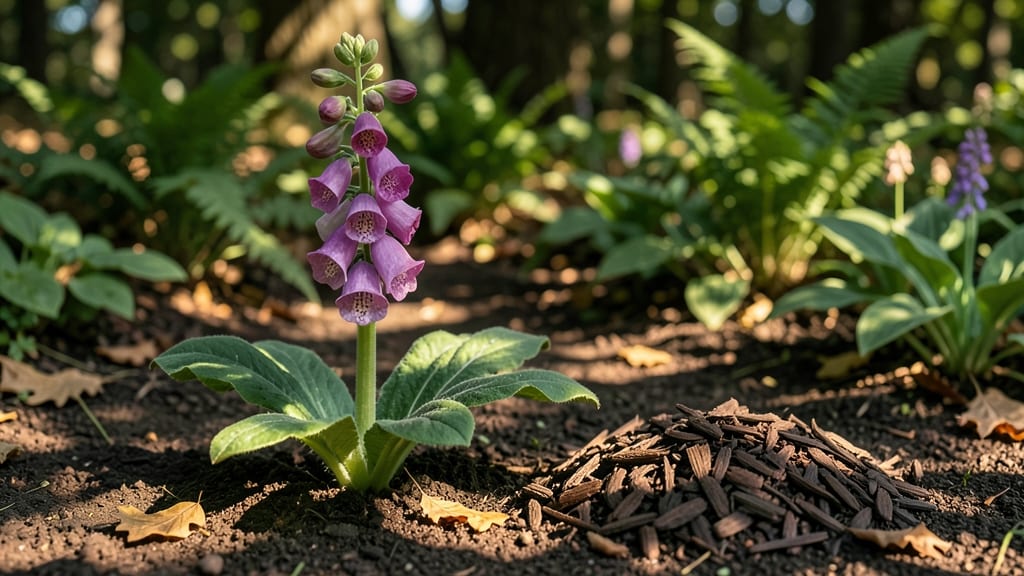
Foxglove thrives in partial shade, where morning sun and afternoon shade create the perfect balance for those iconic bell-shaped blooms. 🌿 I learned this the hard way after my first foxglove plants bolted in full sun—now I know the secret to their success is cool roots and filtered light.
The right spot transforms them from struggling survivors into showstopping garden stars.
Partial shade means 3-6 hours of sunlight daily, ideally with protection from harsh afternoon rays. Foxglove roots prefer cooler soil, so mulch helps maintain moisture and temperature.
Too much sun scorches the leaves, while too little shade leads to leggy stems with fewer blooms—neither is what we want for those dramatic floral spikes.
Once you find the right spot, foxglove rewards you with tall, sturdy stems loaded with blooms from early summer through fall. The key is consistent moisture—keep the soil evenly damp but not soggy—and avoid fertilizing heavily, as foxglove prefers lean soil.
With minimal care, these biennials or short-lived perennials become self-sustaining workhorses in shady borders.
For full-shade gardens, choose varieties like 'Greenhouse Foxglove' that tolerate lower light, while sun-tolerant types like 'Excelsior' handle more exposure. The trick is observing your plants: if they stretch or lose color, adjust their position.
Foxglove may be finicky about light, but with the right conditions, they'll bloom like they've been in your garden for years.
📚 In This Guide
- What you need
- Instructions
- Tips and common mistakes
- Wrapping up and next steps
What you need
- ● Foxglove seeds or nursery-grown plants (6–12 plants for a small garden patch, or more for larger displays). Pro tip: Seeds take longer (60+ days) to bloom, so plants are ideal for quick color!
- ● Well-draining potting mix or garden soil (5–10 lbs, depending on container size). ⚠️ Avoid soggy soil—foxglove hates "wet feet."
- ● Containers or garden bed: For containers: 12–18" pots with drainage holes (1–2 plants per pot).
- ● For garden beds: 12–18" spacing between plants.
- ● Organic compost or slow-release fertilizer (1–2 cups per plant or per 5 sq ft of bed). 💡 Use a balanced 10-10-10 or bone meal for extra phosphorus to boost blooms!
- ● Watering can or hose with a gentle spray nozzle (foxglove prefers consistent moisture but no drowning).
- ○ Garden gloves (optional but recommended—foxglove leaves can irritate skin!).
- ● Mulch (2–3" layer of shredded bark or straw to retain moisture and suppress weeds).
- ● Stakes or plant ties (if growing tall varieties like 'Pam’s Choice'—they can flop in wind!).
- ● Pruning shears (for deadheading spent blooms or shaping plants in spring).
- ● Shade cloth (30–50% coverage if your shade spot gets too much afternoon sun).
Step-by-step guide to planting and caring for foxglove in sun or shade
Foxglove thrives with surprisingly little fuss—just match its light needs and keep the soil moist.
🌱 Step 1: Choose the Perfect Planting Spot
Foxglove adapts beautifully to partial shade (4-6 hours of sunlight) or full shade (less than 4 hours), but avoid harsh afternoon sun in hot climates—leaves scorch easily. I always plant mine where dappled light filters through trees or along the north side of buildings. The soil should drain well but retain moisture; foxglove roots despise soggy conditions.
Dig a hole twice as wide as the root ball but only as deep as the container it came in. Loosen the sides of the hole with a fork to encourage root spread. If your soil drains poorly, mix in 2-3 inches of compost to improve texture. Foxglove prefers slightly acidic to neutral soil (pH 6.0-7.0), so test your soil if you're unsure—amending with sulfur lowers pH if needed.
💧 Step 2: Plant and Water Deeply for Establishment
Remove the plant from its container and gently tease the roots apart if they're circling. Place it in the hole so the top of the root ball sits level with the surrounding soil—burying the crown too deep causes rot. Backfill with native soil, pressing lightly to eliminate air pockets. Water immediately after planting to settle the soil and eliminate gaps.
Give the foxglove a deep soaking (about 1 gallon per plant) to encourage roots to spread downward. Mulch with 2-3 inches of organic material (like shredded bark) to retain moisture and suppress weeds. Avoid piling mulch against the stem—keep it 2 inches away to prevent rot. You'll know watering is right when the soil feels damp 2 inches down but not saturated.
☀️ Step 3: Maintain Consistent Moisture and Light
Foxglove needs regular watering—about 1 inch per week during the growing season (spring through fall). Let the top 1-2 inches of soil dry out between waterings, but never let it become bone-dry. In shade, you'll water slightly less often; in partial sun, you may need to water more frequently. I always check soil moisture by sticking my finger in—if it feels dry past the first knuckle, it's time to water.
Fertilize lightly in early spring with a balanced, slow-release fertilizer (10-10-10) applied at half strength. Too much nitrogen produces lush foliage but fewer blooms. Deadhead spent flower spikes to encourage a second flush of blooms, but leave some seed pods for wildlife. Foxglove is biennial, so after two years, it may decline—divide clumps in early spring if they become overcrowded.
✂️ Step 4: Protect and Prune for Longevity
Foxglove is toxic to pets and humans, so plant it where children and animals can't access it. The leaves contain cardiac glycosides, which can cause serious health issues if ingested. Wear gloves when handling the plant to avoid skin irritation. In late fall, cut back the foliage to 2-3 inches above the ground once it turns yellow—this keeps the plant tidy and prevents disease buildup.
Divide mature clumps every 2-3 years in early spring to rejuvenate growth. Dig up the plant, separate the roots into smaller sections (each with a few leaves), and replant immediately. Foxglove spreads slowly, so you won’t need to thin often. If leaves yellow or wilt suddenly, check for powdery mildew (common in humid conditions) and treat with a fungicide if needed. With proper care, your foxglove will reward you with tall, dramatic spikes of blooms for years.
Tips & tricks for perfect foxglove sun or shade planting
Here's what nobody tells you about getting foxglove to thrive in your garden—these little details make all the difference.
Light Location Secret: When choosing between partial shade (4-6 hours of sunlight) and full shade (less than 4 hours), observe your garden throughout the day. Morning sun is far gentler than afternoon heat—foxglove leaves can develop brown scorch marks if exposed to intense midday rays. I've learned this the hard way after losing three plants to sunburn in my first attempt. For best results, plant foxglove where it receives morning light and afternoon shade from nearby trees or structures.
Soil Preparation Strategy: The 2-3 inches of compost you mix into poor-draining soil isn't just about texture—it's about creating the perfect moisture balance. Foxglove roots need that sweet spot between soggy and bone-dry. I always test my soil's drainage by digging a hole, filling it with water, and timing how long it takes to drain completely. If it takes longer than 4 hours, you definitely need that compost amendment. This simple test saves you from potential root rot disasters.
Watering Wisdom: That initial deep soaking of 1 gallon per plant isn't just about establishing roots—it's about teaching your foxglove its watering rhythm. After planting, I water every 3-4 days for the first two weeks, always checking that dampness reaches 2 inches down. The key is consistency: foxglove plants develop shallow roots that need regular moisture, but they'll quickly decline if their roots sit in waterlogged conditions. Think of it as creating a moisture sponge rather than a swamp.
Pruning Precision: When you're cutting back foliage to 2-3 inches in late fall, resist the urge to go lower. That remaining stem serves as a protective barrier against winter winds and helps prevent soil-borne diseases. I've noticed that plants I've cut back too aggressively often show more signs of powdery mildew in spring. The 2-3 inch rule might seem arbitrary, but it's actually a perfect balance between tidiness and plant health—trust me on this.
Pro Tips for Foxglove Sun Or Shade
- Here's what nobody tells you about getting foxglove to thrive in your garden—these little details make all the difference.
- Light Location Secret: When choosing between partial shade (4-6 hours of sunlight) and full shade (less than 4 hours), observe your garden throughout the day.
- Soil Preparation Strategy: The 2-3 inches of compost you mix into poor-draining soil isn't just about texture—it's about creating the perfect moisture balance.
Frequently asked questions
Got questions about growing foxglove in sun or shade?
You’re not alone! Here are some of the most common concerns—and straightforward answers—to help you nurture stunning blooms with ease.
Can foxglove grow in full sun or does it prefer shade?
Foxglove thrives in partial shade (4–6 hours of sunlight daily), especially in hot climates. While it can tolerate morning sun, avoid harsh afternoon rays to prevent leaf scorch. In cooler regions, it may handle more sun—but always prioritize well-draining soil and consistent moisture.
How often should I water foxglove in sun vs. shade?
In sunny spots, water deeply 2–3 times per week (more in extreme heat). In shade, reduce to once a week unless the soil feels dry. Mulch helps retain moisture—just avoid piling it against stems to prevent rot. Pro tip: Let the top inch of soil dry out between waterings!
Does foxglove need winter care if planted in sun or shade?
Foxglove is hardy to USDA zones 3–9, but young plants benefit from a thick mulch layer (3–4 inches) in winter. In sunny areas, protect from drying winds; in shade, ensure good drainage to avoid soggy roots. Deadhead spent blooms in fall to encourage next year’s growth!
What’s the best alternative if foxglove struggles in my garden?
If your site lacks shade or has poor drainage, try:
- Columbine (tolerates sun/shade, drought-resistant)
- Lungwort (shade-loving, low-maintenance)
- Bee balm (sun-loving, attracts pollinators)
- Hellebore (thrives in deep shade, evergreen)
Why are my foxglove leaves turning yellow or spotted?
Yellowing leaves often signal overwatering or fungal issues (like powdery mildew). Spotty leaves? Likely aphids or rust disease. Fix it:
Prevent future problems: Avoid wetting leaves when watering!
Wrapping up and next steps
Growing foxglove is a rewarding experience—whether you prefer its dramatic spikes in sunlit gardens or its elegant grace in shady spots.
With just a few basics—well-draining soil, consistent moisture, and minimal fuss—you’ll enjoy stunning blooms year after year. Now’s the time to plant! Grab your seeds or seedlings, pick your perfect spot, and let nature do the rest. Happy gardening! 🌸