
Flowers
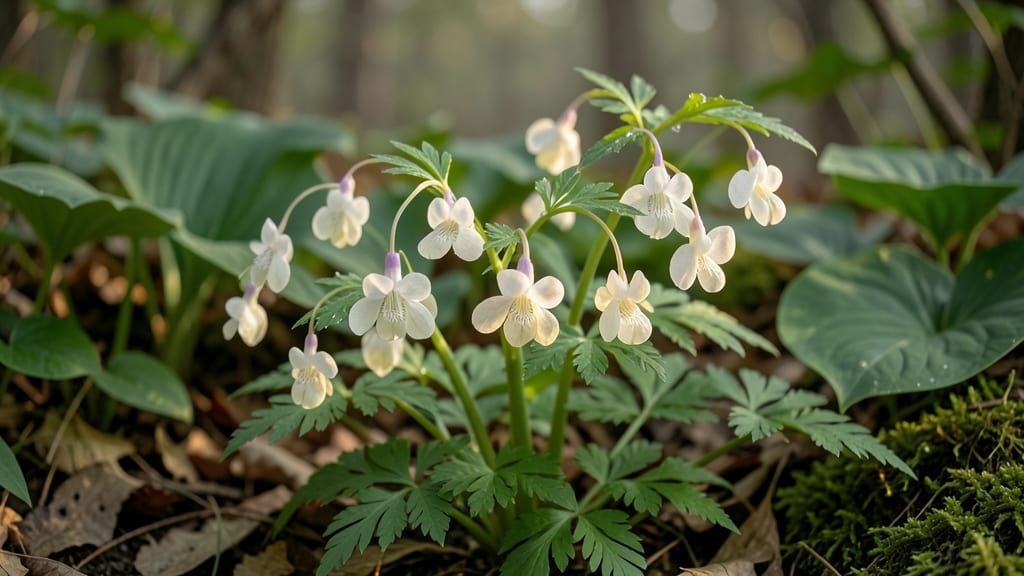
Struggling with a shady garden spot that refuses to bloom? These seven shade-loving flowers thrive in low light while delivering vibrant color and lush foliage, perfect for transforming dim corners into thriving garden havens.
Hostas for Year-Round Ground Cover
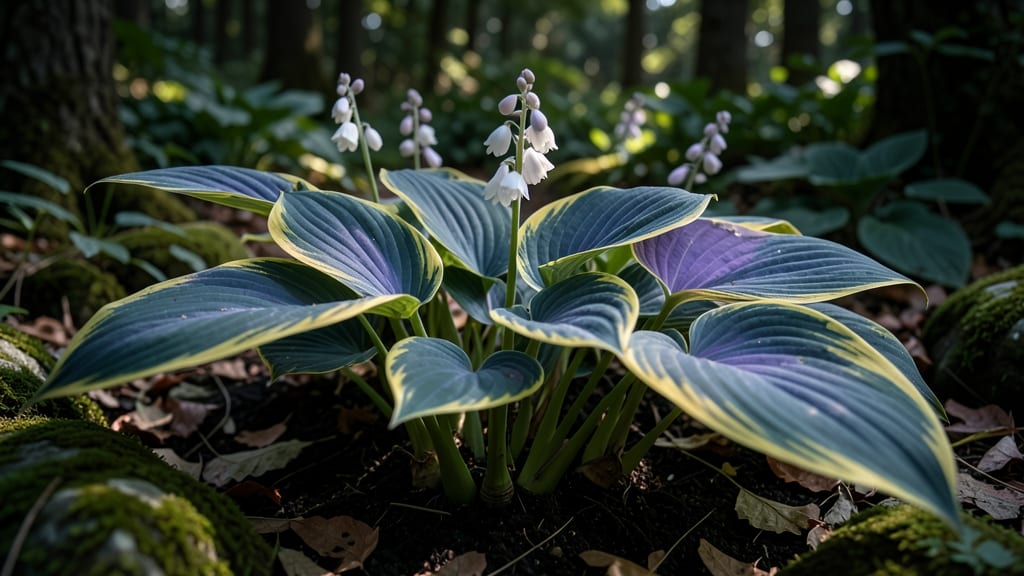
If you're new to gardening and want a foolproof way to add texture and color to shady spots, hostas are your secret weapon. These hardy perennials thrive in deep shade, producing bold, variegated foliage that comes in shades of blue, green, gold, and even purple—no sunlight required!
Hostas are incredibly adaptable, tolerating poor soil conditions and even urban pollution, making them perfect for city gardens or neglected corners. Their delicate lavender or white blooms in summer add a subtle touch of elegance, while their lush leaves provide year-round ground cover. Divide clumps every 3-4 years to keep them vigorous, and watch them spread effortlessly.
Best of all, hostas deter deer and rabbits, so you won’t lose your investment to hungry wildlife. Whether you're filling a shady border or adding drama to a woodland garden, hostas deliver low-maintenance beauty with minimal fuss. 💚
Bleeding Heart Flowers with Graceful Arches
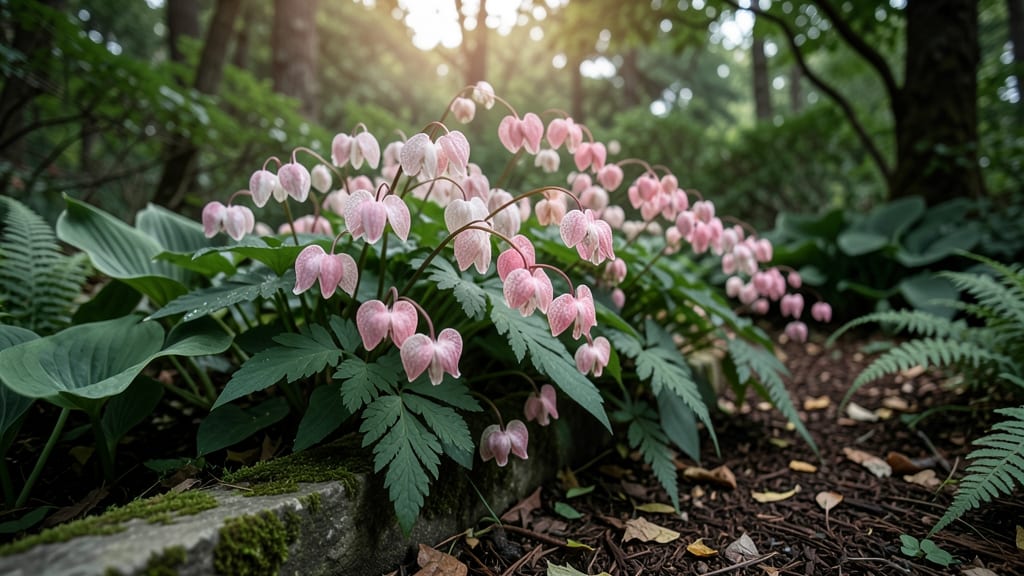
Craving a romantic, woodland-inspired garden that blooms effortlessly in shade? Bleeding heart flowers (Dicentra spectabilis) are your answer—these dreamy plants create cascading arches of heart-shaped blooms that dance in partial to full shade, transforming dim corners into whimsical focal points.
Plant them in well-draining, moist but not soggy soil enriched with organic matter, and watch their arching stems (2-3 feet tall) spill over garden edges or containers. They bloom prolifically in spring, with some varieties reblooming in fall. Deadhead spent blooms to encourage more flowers, and divide clumps every 3-4 years to maintain vigor.
Perfect for cottage gardens, woodland borders, or even as a dramatic container specimen, these flowers bring vertical drama without needing sunlight. Urban gardeners with shady patios will love how they soften hard edges with their graceful habit. 🌷
Impatiens for Bright Summer Color
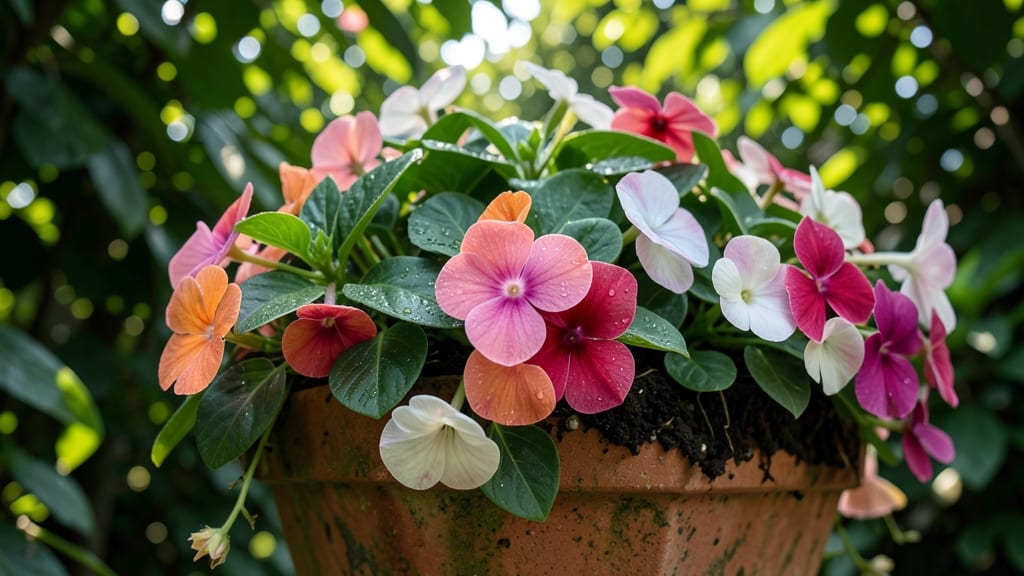
Tired of dull, shadowy garden spots? Impatiens are the secret weapon for instant summer color in deep shade, blooming nonstop from spring until frost. These cheerful annuals thrive where other flowers fade, making them perfect for patios, containers, or shady borders.
Plant them in well-draining, moist soil and keep them consistently watered—they hate drying out. Choose from classic reds, pinks, or whites, and watch them fill gaps with vibrant blooms that attract hummingbirds. Since they’re annuals, treat them as a seasonal pop of color that’s easy to replace each year.
Urban gardeners and balcony growers love impatiens for their low-maintenance nature—just pinch back leggy stems to encourage bushier growth. They’re the perfect solution for transforming dark corners into lively, colorful spaces. 🌻
Hellebores for Early Spring Blooms
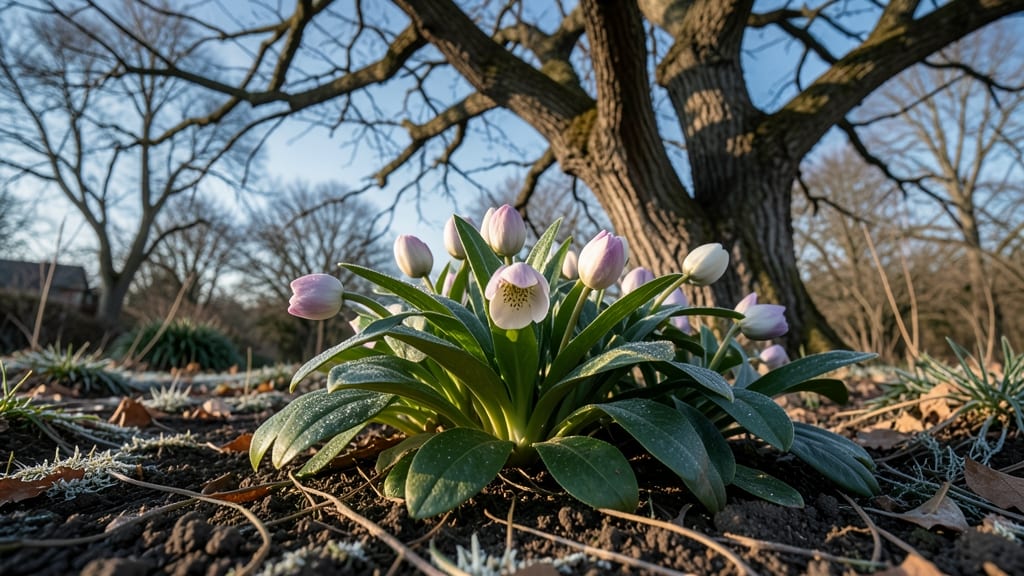
When your garden looks like a winter wasteland, helleborus (Lenten roses) arrive like a breath of fresh air—blooming in late winter or early spring when most plants are still dormant. These winter-hardy perennials thrive in dry shade, making them perfect for under trees or north-facing beds where other flowers struggle.
Hellebores offer delicate, nodding blooms in shades of white, pink, purple, and green, often lasting for weeks. They prefer well-draining soil and minimal care—just water occasionally during droughts. Unlike many shade plants, they rebloom year after year, rewarding patience with stunning early-season color.
Ideal for gardeners who love low-maintenance plants with seasonal impact, hellebores also deter deer and rabbits. Plant them near pathways or woodland gardens for a touch of elegance when the garden is still waking up. 🌷
Ferns for Textured Shade Gardens
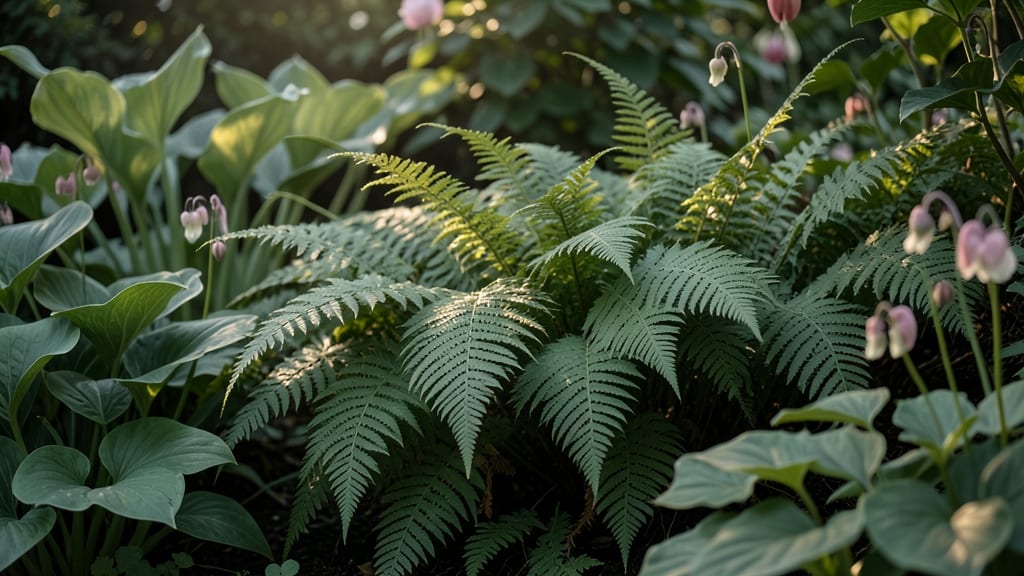
Want to add texture and movement to your shady garden without relying on flowers? Ferns are the secret weapon—these non-flowering plants create a feathery, layered backdrop that softens dark corners while complementing bloomers like hostas or bleeding hearts.
Ferns thrive in deep to partial shade, preferring moist, well-draining soil rich in organic matter. Varieties like maidenhair fern (delicate and airy) or Ostrich fern (bold and architectural) offer diverse heights and shapes. Divide mature clumps every 3-4 years to keep them vigorous, and mulch annually to retain moisture.
Perfect for urban gardeners or woodland-style beds, ferns bring year-round interest—their fronds unfurl in spring, mature in summer, and turn golden-brown in fall. Pair them with shade-loving flowers for a garden that feels lush and alive, even without blooms. 🌿
Astilbes for Feathery Plumes
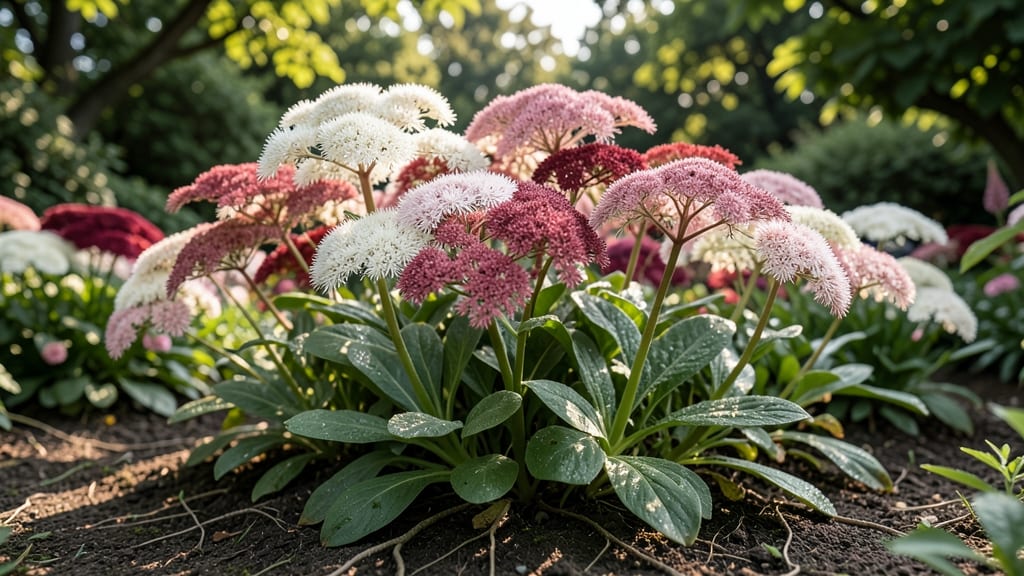
Want a shade garden that blooms all season without attracting deer or demanding constant water? Astilbes are your secret weapon—these feathery beauties thrive in moist, shady spots while reblooming from early summer through fall.
Choose from pink, red, or white plumes that sway gently in the breeze, and enjoy their drought-tolerant nature once established. Plant them in rich, well-draining soil with consistent moisture (they hate soggy roots) and watch them multiply over time. Deer-resistant and pollinator-friendly, they’re perfect for woodland edges or under trees.
Urban gardeners and wildlife enthusiasts will love how astilbes fill shady corners with movement and color while requiring less fuss than many other shade plants. 🌟
Liriope for Edging and Ground Cover
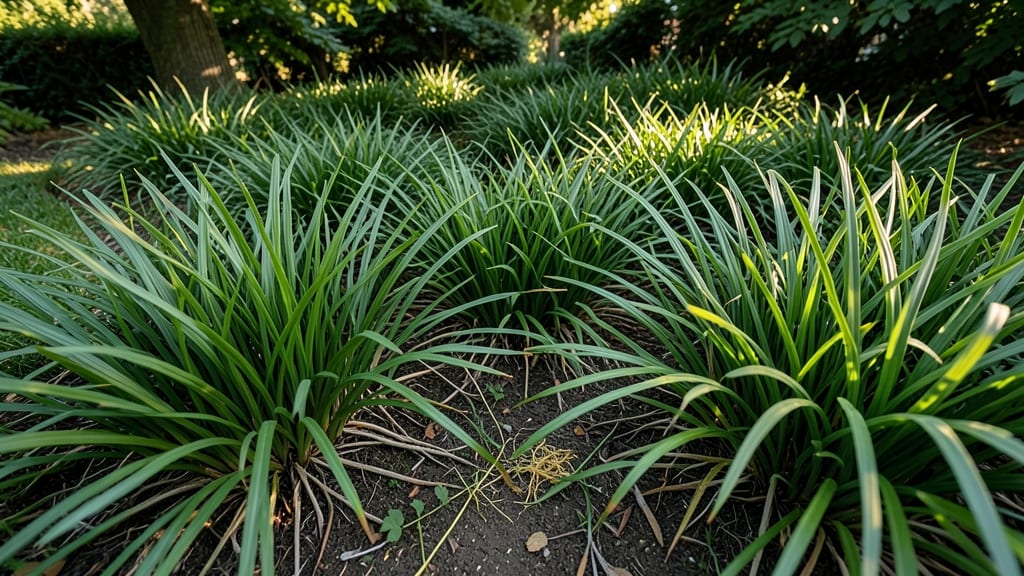
Tired of bare spots in your shady garden that weeds love to invade? Liriope—often called monkey grass—is your secret weapon for creating clean, structured edges without the fuss. This hardy perennial spreads effortlessly in partial to full shade, forming dense mats that crowd out weeds while adding a touch of elegance with its arching purple flower spikes in late summer.
Plant liriope along pathways, under trees, or as a border to define garden beds with minimal effort. It thrives in well-draining soil and only needs occasional watering once established, making it ideal for busy gardeners or urban spaces. For a polished look, shear back foliage in early spring to encourage fresh growth and maintain a tidy appearance.
Perfect for gardeners who want low-maintenance structure without sacrificing beauty, liriope is especially useful for problem areas like slopes or between hardscaping. 🌻