
Companion Plants
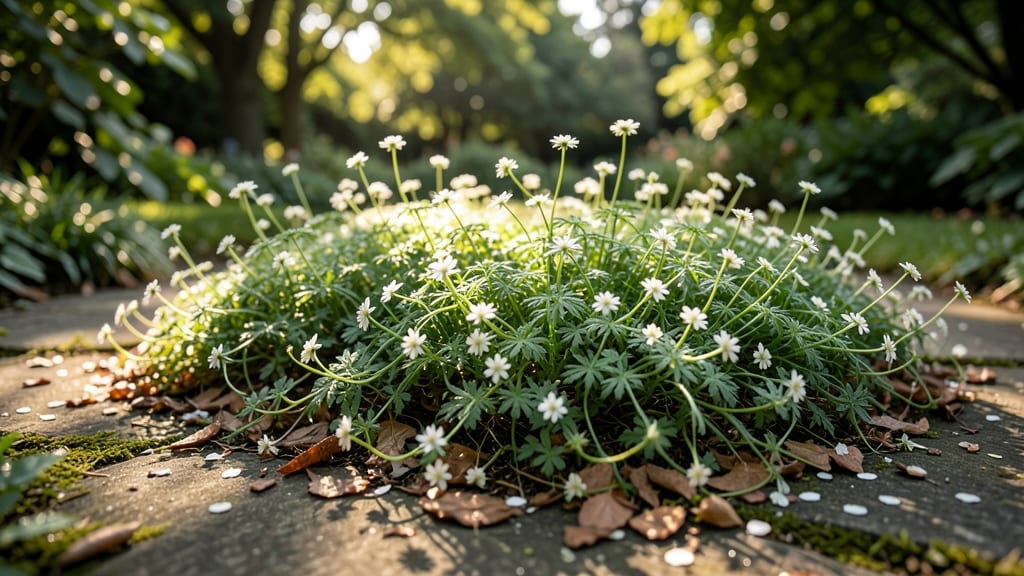
Struggling to keep your shade garden vibrant? These 10 shade-loving flower bed plants deliver stunning blooms and lush foliage while thriving in low-light conditions—no direct sunlight required. Perfect for woodland gardens, north-facing beds, or even under trees.
Bleeding Heart Flowers for Delicate Elegance
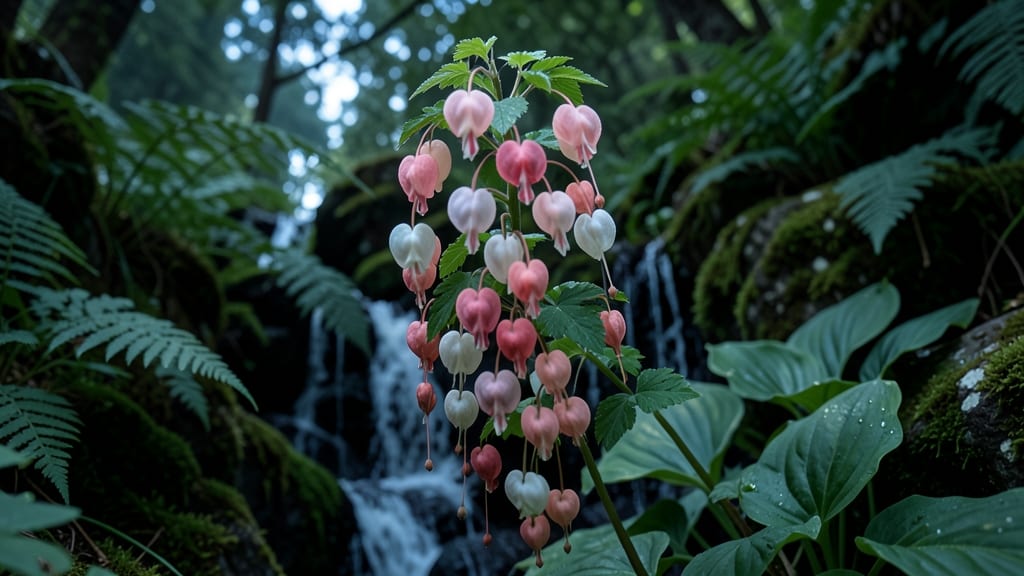
If you dream of a garden that feels like a fairy tale, bleeding heart flowers (Dicentra spectabilis) are your secret weapon. These dreamy perennials create a cascading waterfall of heart-shaped blooms in soft pinks, whites, and reds, perfect for adding vertical drama to shady corners where other plants struggle.
Thriving in deep shade with moist, well-draining soil, they’re ideal for woodland gardens, cottage-style beds, or beneath tall trees. Plant them in clusters at the back of borders or along slopes to let their arching stems spill gracefully. Mulch heavily in winter to protect their delicate roots, and divide clumps every 3–4 years to keep blooms vigorous.
Best for romantic gardeners and those with north-facing beds, bleeding hearts reward patience with spring-to-summer blooms that few other shade plants can match. Pair them with ferns or hostas for a lush, storybook effect. 🌷
Hosta Varieties for Bold Foliage Accents
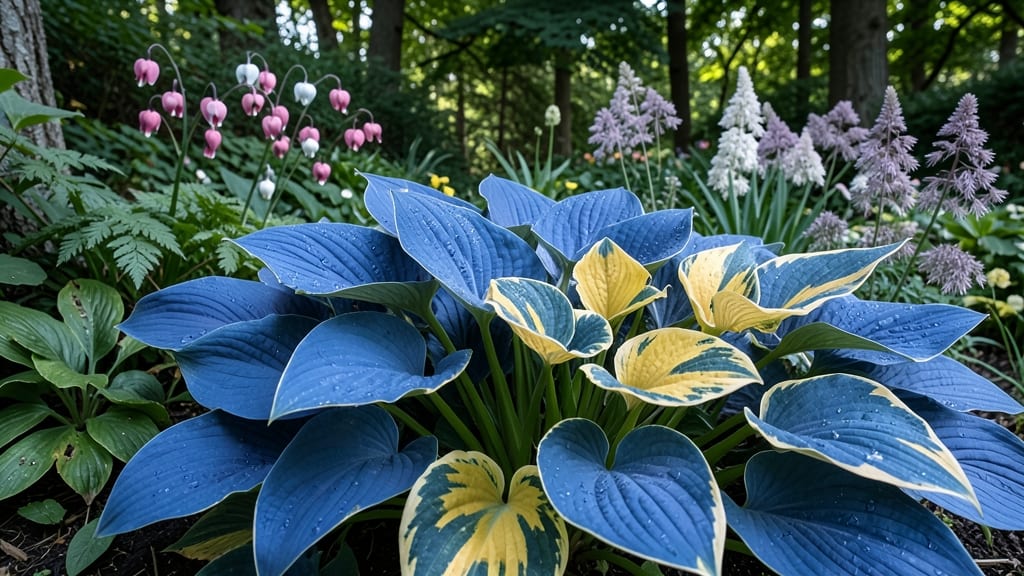
If your shade garden feels flat, hostas are the unsung heroes that turn foliage into a showstopper. Their bold colors—deep blues, golden centers, or variegated edges—create visual drama that complements shade-loving flowers like bleeding hearts or astilbe without stealing the spotlight.
For maximum impact, mix blue hostas (like 'Blue Angel') with silver foliage plants, or pair golden varieties (such as 'Golden Tiara') with deep purple flowers. These perennials thrive in partial to full shade and require minimal care—just consistent moisture and occasional division every 3-4 years. Their year-round interest keeps your garden vibrant even when other plants fade.
Perfect for beginners or busy gardeners, hostas add texture and color with almost no effort. Plant them in clusters for a lush, layered look that feels intentional but effortless. 💚
Impatiens for Bright Summer Blooms
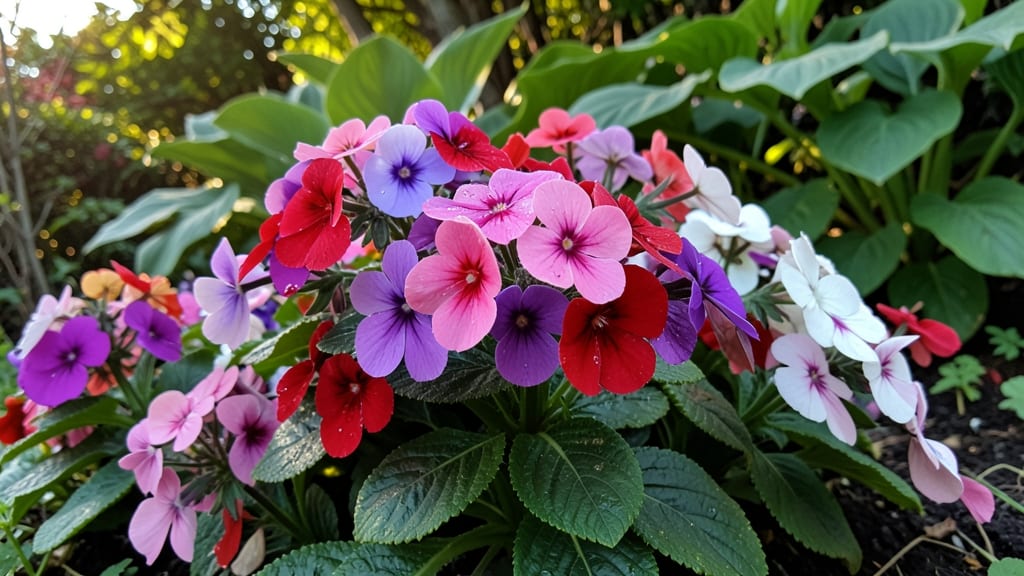
Tired of shade gardens that look dull and lifeless? Impatiens are your secret weapon for instant, vibrant color—even in the darkest corners. These cheerful annuals thrive in partial to full shade, producing nonstop blooms from spring until the first frost, making them the ultimate low-light performer.
Choose from classic reds, pinks, and oranges to create bold focal points in containers, hanging baskets, or along borders. They’re easy to grow: just keep the soil consistently moist and fertilize every 2-3 weeks for maximum blooms. Deadhead spent flowers to encourage even more vibrant displays, and watch your shade garden transform into a lively, colorful retreat.
Perfect for beginners, urban gardeners with limited space, or anyone who wants to fill gaps in perennial beds with minimal effort. 🌻
Astilbe for Feathery Textures and Soft Colors
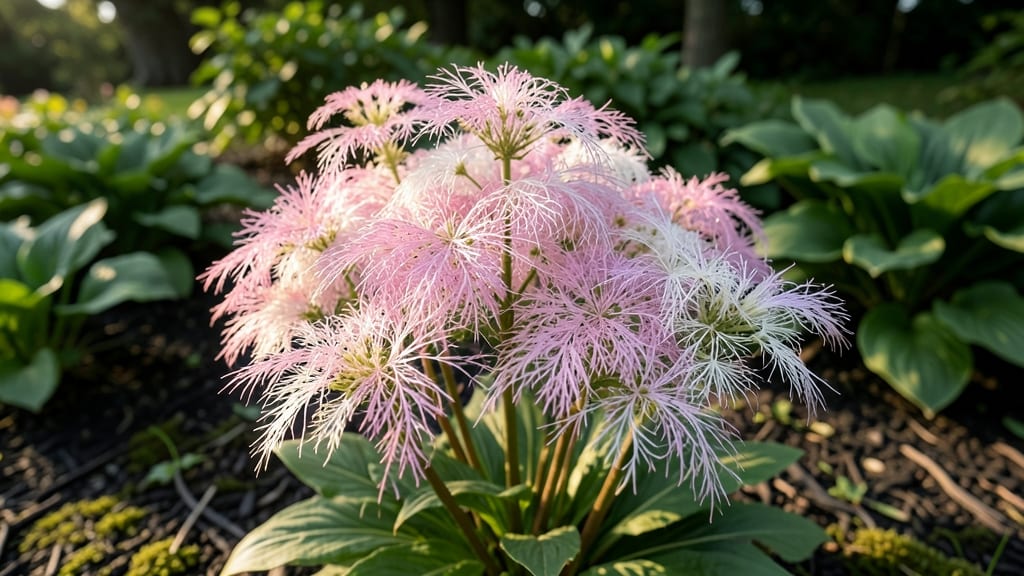
Want to add soft movement and ethereal color to your shade garden without sacrificing structure? Astilbe is the answer—its feathery plumes dance in the breeze, creating a dreamy, almost magical effect that’s impossible to replicate with other shade plants.
This perennial superstar thrives in partial shade to full shade and loves moist, well-draining soil, making it perfect for woodland edges, pond borders, or understory plantings. Choose from pink, white, or purple blooms that appear in late spring to early summer, lasting for weeks. For extra drama, pair it with hostas or ferns—the contrast of textures will elevate your garden’s depth.
Urban gardeners and small-space enthusiasts will love how compact astilbe stays (many varieties top out at just 2-3 feet tall), while its low-maintenance care makes it ideal for beginners. Just keep the soil consistently moist, and you’ll enjoy season-long interest from both its blooms and lacy foliage. ✨
Lungwort for Healing Beauty and Unique Spots
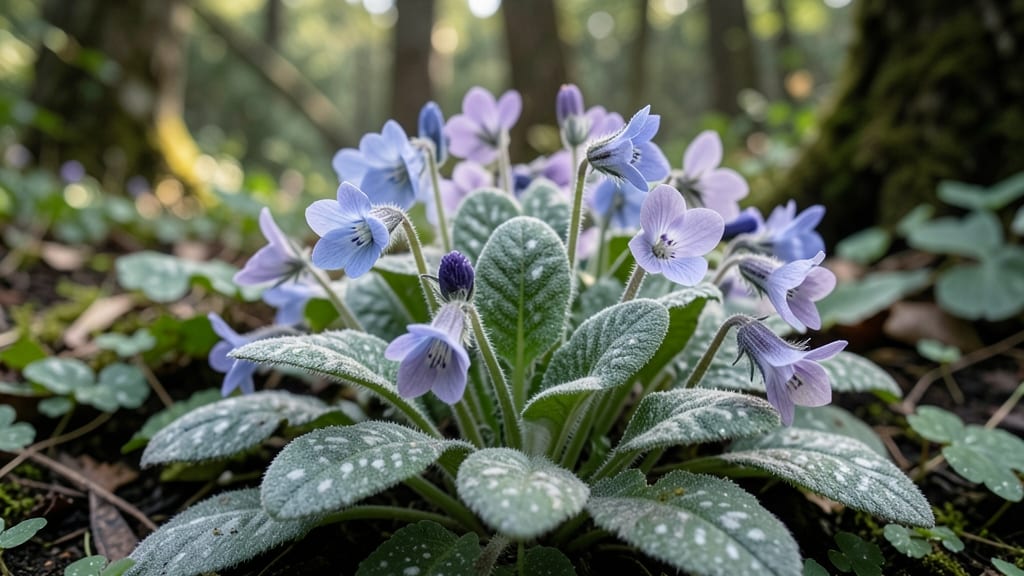
Looking for a shade-loving plant that’s as functional as it is beautiful? Lungwort (Pulmonaria) brings healing beauty to your garden with its silver-spotted leaves and delicate blue or purple blooms, making it a standout for both medicinal gardens and pollinator-friendly landscapes.
This hardy perennial thrives in dry to medium shade, perfect for understory planting or as a low-maintenance ground cover. Its early spring flowers attract bees and butterflies, while the unique foliage adds texture year-round. Lungwort also tolerates poor soil and drought conditions once established, making it ideal for neglect-tolerant gardeners.
Whether you're creating a herbal garden or simply want a pollinator magnet, lungwort’s dual-purpose appeal—beauty and utility—makes it a must-have for shade beds. 🌿
Japanese Painted Fern for Lacy Foliage
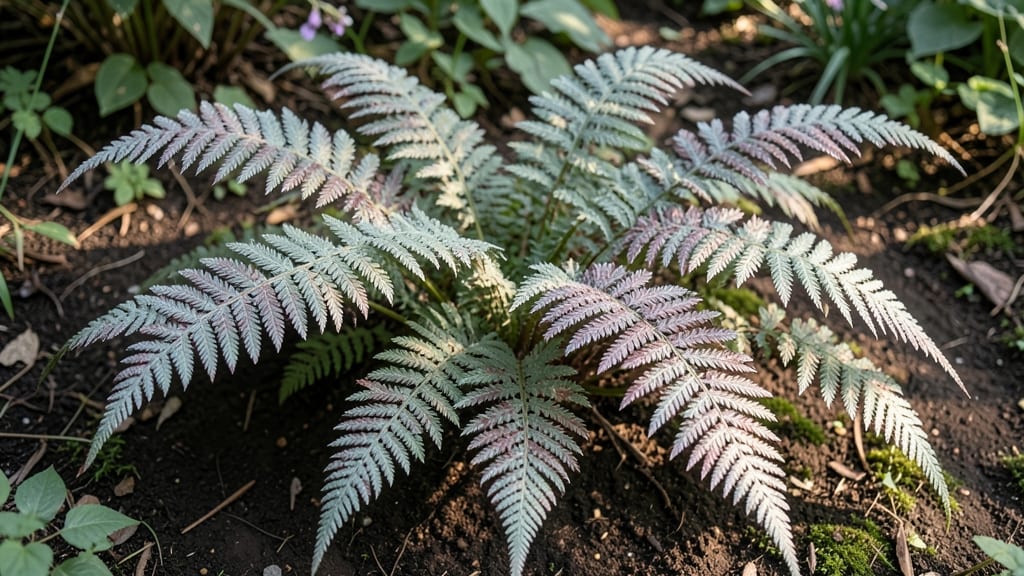
Looking for a plant that adds texture to your shade garden without stealing the spotlight from blooms? The Japanese painted fern (Athyrium niponicum var. pictum) delivers intricate, silvery-green fronds that shimmer even in low light, making it a standout for woodland gardens or understory plantings.
This clump-forming perennial thrives in partial to full shade and moist, well-draining soil, perfect for borders or as a mid-height accent. Its lace-like foliage remains vibrant year-round, offering year-round interest without the need for flowers. Pair it with hostas or lungwort for a layered, serene look that feels like a secret garden.
Ideal for gardeners who love low-maintenance yet striking foliage, this fern is especially great for urban courtyards or shady corners where other plants struggle. Its delicate structure adds a touch of elegance that brightens even the darkest spots. 🌿
Hellebores for Winter and Early Spring Blooms
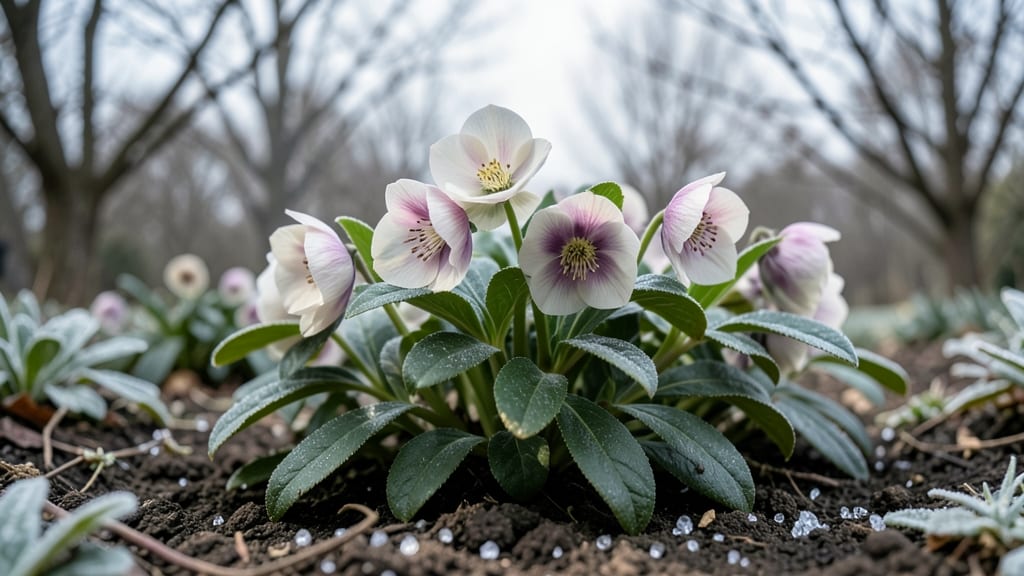
When your garden feels like it’s taking a winter nap, helleborus—or Lenten roses—step in to break the monotony. These hardy perennials bloom from late winter through early spring, offering delicate flowers in shades of white, pink, and purple when most plants are still dormant.
Thriving in partial to full shade, hellebores are perfect for understory planting or dark corners where other flowers struggle. Their evergreen foliage adds texture year-round, while their nodding blooms attract early pollinators. Plant them in well-draining, slightly acidic soil and water moderately—they’re drought-tolerant once established.
Ideal for gardeners who want low-maintenance color during the quietest season, hellebores also make stunning cut flowers. Pair them with ferns or lungwort for a woodland-inspired look that stays vibrant all year. 🌱
Foxglove for Tall, Dramatic Spikes
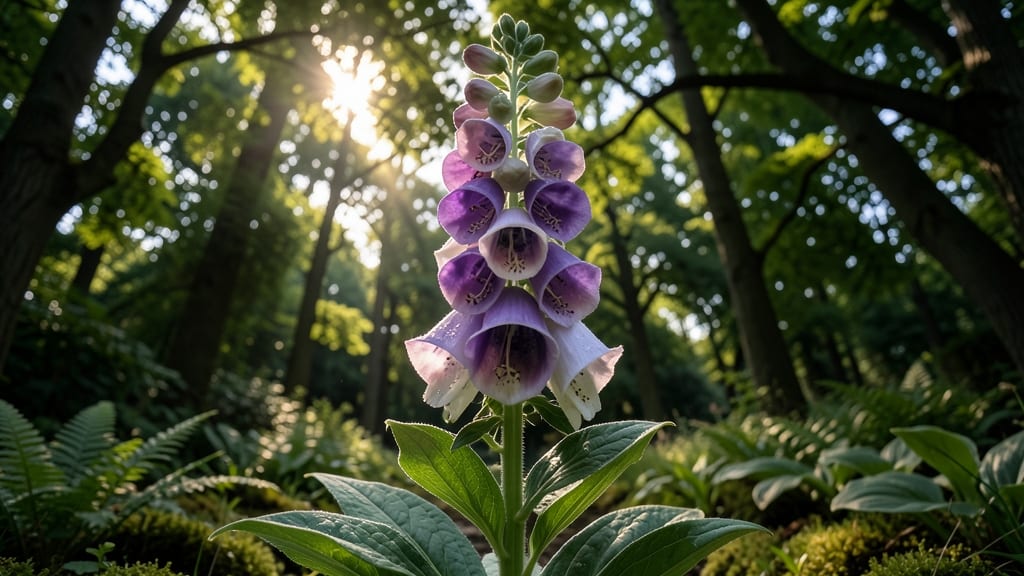
When your shade garden feels flat, foxglove injects instant drama with its towering, bell-shaped blooms in purple, pink, or white. Unlike other shade plants that hug the ground, foxglove reaches 4-6 feet tall, creating vertical focal points that draw the eye upward through dappled light.
Plant seeds or transplants in clusters of 3-5 for maximum impact, spacing them 12-18 inches apart. This biennial thrives in partial to full shade with moist, well-draining soil, making it perfect for woodland edges or understory plantings. Deadhead spent blooms to encourage more flowers, but save some seeds for next year’s garden—foxglove self-seeds readily.
While foxglove is stunning, keep it away from pets and children due to its toxicity. Gardeners with shady borders or cottage-style gardens will love how foxglove pairs with hostas and ferns for a whimsical, fairy-tale effect. 🌷
Coral Bells for Colorful Foliage and Flowers
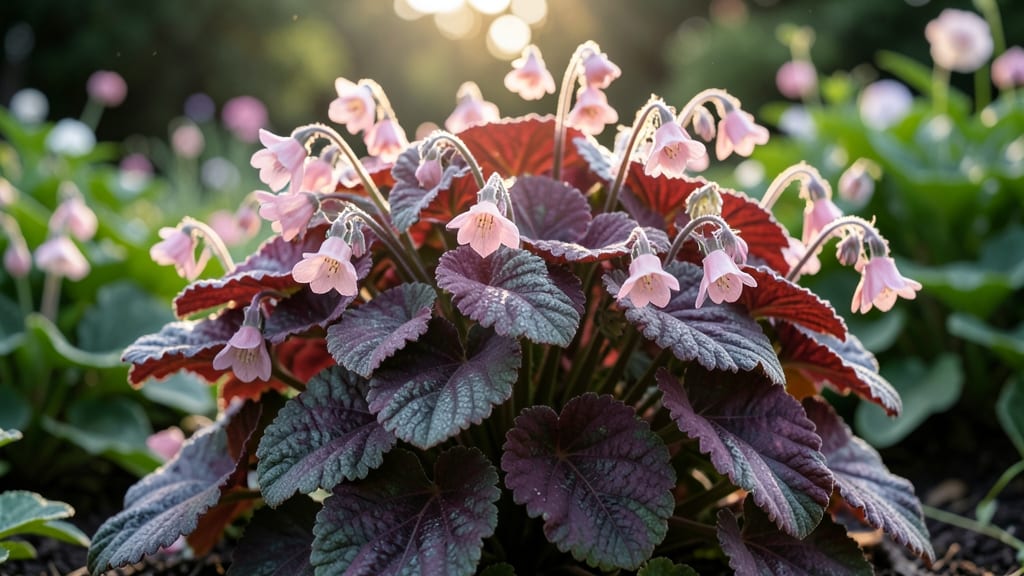
Want a shade garden that pops with colorful foliage and flowers? Coral bells (Heuchera) deliver a two-for-one punch with their vibrant leaves and delicate blooms, making them a standout in partial shade.
These perennials come in purple, red, or silver foliage varieties, paired with delicate pink or white flower spikes that add height and texture. Once established, they’re drought-tolerant, thriving in partial shade—ideal for modern or cottage-style gardens where they’ll brighten shady corners without fuss.
Perfect for gardeners who love low-maintenance plants with big visual impact, coral bells also pair beautifully with hostas or ferns for layered shade beds. 🌟
Sweet Woodruff for Fragrant Ground Cover

Transform your shady garden into a sensory paradise with sweet woodruff (Galium odoratum), a fragrant ground cover that turns crushed leaves into a sweet, hay-like perfume. Unlike other shade plants, this low-growing perennial doubles as a living scent diffuser—perfect for pathways, borders, or under trees where you want both beauty and aroma.
This hardy perennial thrives in partial to full shade and spreads gently to create a lush carpet of bright green foliage. In spring, it bursts with clusters of tiny white flowers that attract pollinators, while its drought-tolerant nature makes it ideal for low-maintenance gardens. Simply plant in well-drained soil and let it fill gaps naturally—no heavy maintenance required.
Urban gardeners and cottage-style enthusiasts will love sweet woodruff for its dual benefits: it suppresses weeds while adding a fragrant touch to any shaded corner. Crush a leaf to release its signature scent and enjoy the magic of a living, aromatic garden. 🌿