
Light Requirements
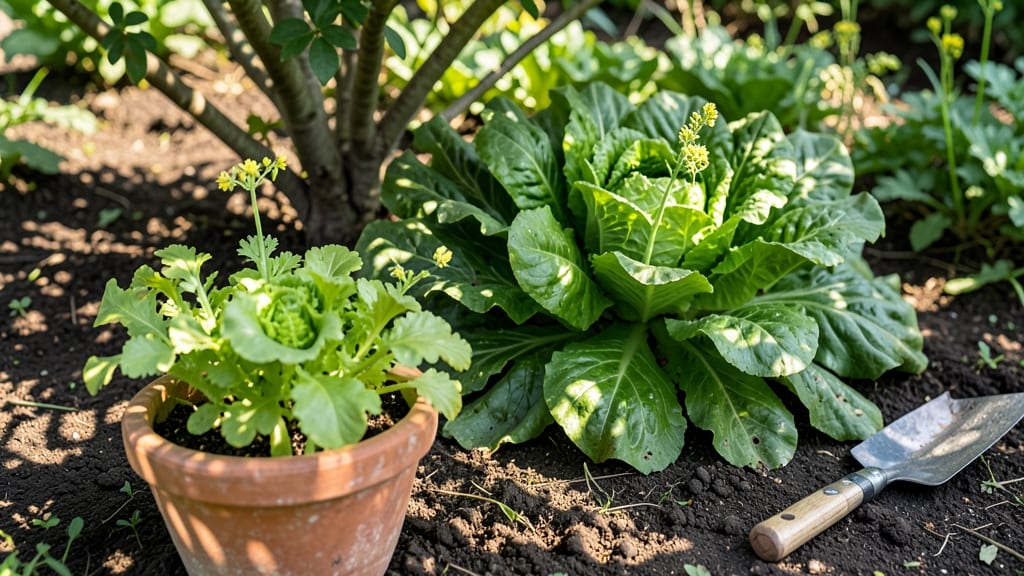
Lettuce needs shade to thrive in hot climates, but the right balance of sunlight keeps it crisp and sweet 🥬 — too much sun turns it bitter, while too little slows growth.
Picture this: your carefully planted lettuce bolts to seed or tastes like cardboard. That’s not bad luck — it’s a sunlight mismatch. The key is understanding how much light each variety handles, from heat-tolerant loose-leaf types to delicate butterheads.
In USDA Zone 6a, spring and fall offer the perfect window for growing lettuce with partial shade (4–6 hours of sun daily). But summer? That’s where most gardeners trip up.
I’ll show you how to adjust care based on sunlight exposure, from shade cloth hacks to picking the right varieties for your climate.
By the end, you’ll know exactly how to set up your lettuce for the best harvest — no more guesswork, no more bitter surprises. Let’s get your greens growing right.
 Best Window Placement
How much sunlight does lettuce actually need by variety?
Lettuce thrives on partial sunlight, but the exact needs vary wildly between varieties. Too much sun causes bitter flavors and bolting, while too little leads to leggy, weak growth.
Understanding these differences helps you choose the right lettuce for your garden's light conditions—whether you're in a sunny Zone 7 or a shady Zone 5 corner.
Most gardeners assume all lettuce needs 6 hours of sun, but that’s only true for heat-tolerant varieties. The reality? Some varieties bolt in 4 hours of direct sun, while others thrive in full morning sun with afternoon shade.
Let’s break down the sunlight needs by type so you can grow lettuce that stays crisp and sweet.
🌱 Key Insight: Lettuce is a cool-season crop, meaning it prefers gentler sunlight and struggles in intense midday heat. This is why shade cloth or dappled sunlight works best in hot climates.
Here’s how leaf lettuce (like butterhead and loose-leaf) compares to head lettuce (like iceberg and crisphead) in terms of sunlight tolerance. The table below shows their ideal light exposure, climate adaptability, and growth habits.
If you’re in a hot climate (Zones 8–10), focus on heat-tolerant varieties like 'Jericho' or 'Romaine'. These can handle 5–6 hours of sun with afternoon shade, while butterhead lettuce will bolt in just
Signs your lettuce needs more shade (or more sun) + fixes
Your lettuce might be silently screaming for help if you’re not paying attention to its sunlight exposure. Too much sun causes bolting (flowering) or bitter flavors, while too little leads to leggy, pale growth.
I’ve learned the hard way—my first batch of romaine turned into a sad, bitter mess because I ignored these warning signs!
Start by checking your lettuce leaves for these red flags. If your plants are stretching tall with sparse leaves, they’re begging for more sun. On the flip side, if they’re yellowing or bolting prematurely, it’s time to provide shade.
The key is finding that sweet spot of 4-6 hours of sunlight daily.
⚠️ Warning Signs Your Lettuce Is Stressed
If your lettuce shows these 3 signs, act fast to save your crop:
- Bolting (tall stems with flowers) = too much sun or heat
- Bitter taste = intense sunlight triggering defense mechanisms
- Leggy, pale growth = not enough light for photosynthesis
For over-sun exposure, try shade cloth (30-50%) or mulching with straw to keep roots cool. I use a simple DIY shade frame with remesh netting—it’s cheap and saves my lettuce from turning into sun-scorched disappointment.
Place it just above your plants to filter harsh rays while still allowing indirect light.
If your lettuce is stretching too tall, it’s starving for sunlight. Move it to a sunnier spot or consider grow lights if you’re container gardening. I’ve had great success with LED grow lights on a timer—just 6 hours a day keeps my loose-leaf varieties happy and compact.
Rotate your containers weekly to ensure even growth.
For succession planting, try heat-tolerant varieties like Jericho romaine or Black Seeded Simpson. These handle warmer temperatures better and give you a second chance at harvest. I plant these in late summer under 50% shade cloth—they thrive when others bolt!
Pro tip: Harvest outer leaves first to encourage bushier growth. This keeps your plants compact and productive while you adjust their sunlight conditions. My butterhead lettuce stays sweet and crisp this way, even in partial shade.