
Orchid Care
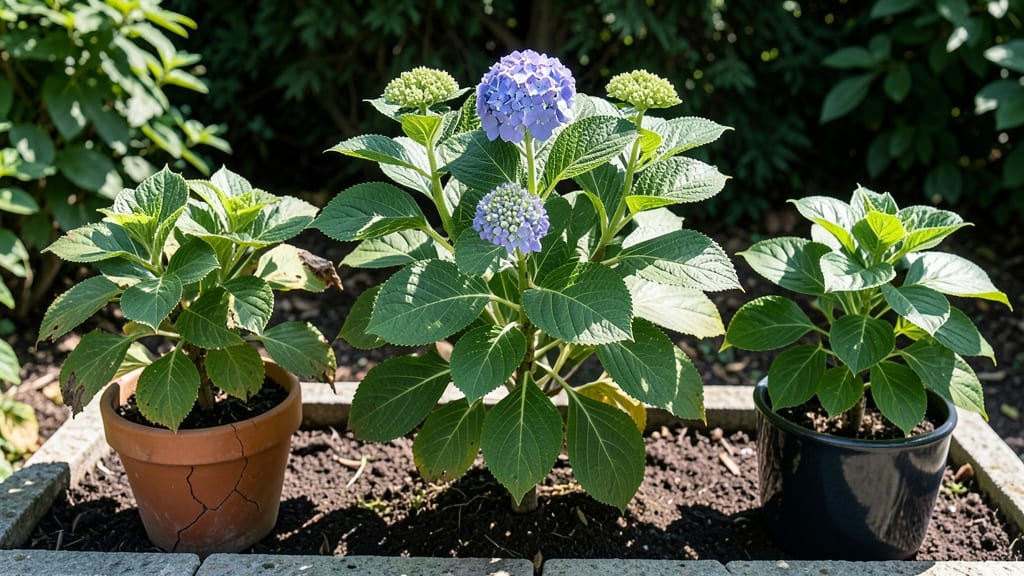
Do hydrangeas prefer sun or shade—here’s the secret to coaxing those dreamy blooms by striking the perfect balance of light.
Struggling to get your hydrangeas to bloom as big and vibrant as you’ve seen in garden magazines? The answer might lie in one simple factor: sunlight. But here’s the catch—hydrangeas are picky about their light needs, and getting it wrong can mean fewer flowers or even plant stress.
Most varieties, like the classic mophead or lacecap, prefer morning sun and afternoon shade, especially in hot climates. Too much direct sun can scorch leaves, while too little light weakens stems and reduces blooms. Think of it like Goldilocks: not too much, not too little, but just right.
In this guide, I’ll break down the ideal light conditions for your hydrangea type, how to spot when it’s getting too much or too little sun, and simple fixes to keep your plants happy and blooming all season long.
 Best Window Placement
Hydrangea sunlight requirements by variety: full sun vs. partial shade explained
Hydrangeas are one of the most popular shrubs for their stunning blooms, but their sunlight needs can be confusing. While most varieties thrive in partial shade, some actually prefer full sun.
The key is understanding how each type responds to light exposure to ensure maximum blooms and plant health. Let’s break down the sunlight preferences for the four most common hydrangea varieties.
Many gardeners assume all hydrangeas need shade protection, but this isn’t always true. For example, panicle hydrangeas love full sun, while mophead hydrangeas can scorch in intense afternoon rays.
Even the morning sun vs. afternoon shade rule varies by region and climate. Let’s explore the specifics to help you create the perfect light conditions for your hydrangeas.
| Variety | Ideal Sunlight | Max Sun Tolerance | Bloom Impact |
|---|---|---|---|
| Mophead (Bigleaf) | Partial shade (4-6 hrs sun) | Morning sun only | Fewer blooms in full sun |
| Lacecap | Partial shade (3-5 hrs sun) | Dappled light | Brightest blooms in shade |
| Oakleaf | Partial shade (4-6 hrs sun) | Afternoon shade | Heat stress in full sun |
| Panicle | Full sun (6+ hrs sun) | Thrives in sun | Larger, more abundant blooms |
Mophead hydrangeas (like 'Endless Summer') are the most shade-loving variety, needing only 3-5 hours of morning sun to prevent leaf scorch. These hydrangeas produce their buds on old wood, so too much sun can stress the plant before blooming season. If you notice brown leaf edges, it’s a sign they’re getting too much direct sunlight, especially in the afternoon.
On the other hand, panicle hydrangeas (such as 'Limelight' or 'Little Lime') are the sun-seekers of the group. They thrive in full sun and actually produce more abundant blooms when exposed to 6+ hours of direct sunlight.
In fact, these varieties often bloom on new wood, making them more adaptable to sunnier spots. If your panicle hydrangea isn’t blooming well, it might simply need more sunlight.
Lacecap hydrangeas strike a balance, preferring partial shade with dappled light. They tolerate more sun than mopheads but still need protection from harsh afternoon rays. The secret to their vibrant blooms lies in providing filtered sunlight, such as under a canopy of taller trees or on a north-facing patio. Too much direct sun can cause their delicate petals to fade or scorch.
Oakleaf hydrangeas are another shade-loving variety, but they’re slightly more tolerant of sun than mopheads. They prefer morning sun and afternoon shade, especially in hot climates. Their exfoliating bark and fall foliage make them a favorite for year-round interest, but their bloom production suffers if they’re exposed to too much heat. Mulching around the base can help regulate soil temperature and reduce stress.
One common misconception is that all hydrangeas need afternoon shade, but this isn’t always true. In cooler climates, hydrangeas can handle more sun, while in hot, dry regions, even panicle hydrangeas may need afternoon shade to prevent wilting.
Pay attention to your local climate and observe how your hydrangeas respond to sunlight throughout the day. Adjust their placement gradually to avoid shocking the plant.
If you’re unsure whether your hydrangea is getting the right amount of light, watch for visual cues. Yellowing leaves or leaf drop often indicate too much sun, while weak stems or fewer blooms may signal insufficient light.
For shade-loving varieties, consider using a light-colored shade cloth (30-50% block) to filter harsh rays while still allowing some sunlight through.
For gardeners in urban areas with limited shade, try planting hydrangeas near a north-facing wall or under a tree with sparse branches. This creates a natural microclimate that provides the ideal balance of light and shade.
If you’re planting in containers, choose a spot that gets morning sun and afternoon shade, and rotate the pot occasionally to ensure even growth.
Remember, hydrangeas are flexible plants, and their light needs can adapt slightly over time. If you’ve recently moved a hydrangea to a new location, give it a
Signs your hydrangeas aren’t getting the right light (and how to fix it)
Your hydrangeas might be silently screaming for help if their light conditions are off. Too much sun causes leaf scorch, while too little shade leads to weak stems and sparse blooms.
I’ve seen both scenarios in my own garden, and the fixes are simpler than you’d think. Let’s decode your plant’s signals and take action before next season!
Start by checking your hydrangea leaves—brown edges or crispy spots mean over-exposure to afternoon sun. Meanwhile, yellowing leaves or pale green foliage signals under-exposure.
These visual cues are your plant’s way of saying, “Adjust my light, please!” Ignoring them can stunt growth or even kill your shrub over time.
⚠️ callout warning
🌱 Light Shock Warning!
Hydrangeas can’t handle sudden light changes. Moving a shade-loving variety into full sun causes leaf burn in days. Always acclimate plants gradually by moving them 2-3 feet closer to sunlight over 2 weeks. For sun-tolerant types like panicle hydrangeas, provide morning sun only in hot climates.
If your hydrangea blooms are smaller than last year, blame the light. Mophead and lacecap varieties need 4-6 hours of morning sun but will rebloom poorly in harsh afternoon rays. Try relocating your plant to a spot with dappled shade—think under tall trees or near a north-facing wall.
For panicle hydrangeas, full sun is ideal, but mulch heavily to retain moisture.
Weak stems and flopping branches often mean your hydrangea isn’t getting enough light for photosynthesis. Prune back overgrown branches in early spring to encourage new growth toward sunlight. Pair this with a 2-inch layer of mulch to protect roots and improve soil moisture.
I’ve revived several leggy hydrangeas this way—it’s like giving them a light therapy boost!
For container-grown hydrangeas, light needs change dramatically. A south-facing patio might be too harsh, while a shady balcony can stunt blooms. Rotate your pot quarter-turns weekly to ensure even light exposure.
If indoors, place near a bright, indirect window (like an east-facing one) and supplement with a grow light for 4-6 hours daily during winter.
Don’t forget to monitor seasonal changes. Hydrangeas in Zone 5 or colder may need extra winter protection from harsh light reflections off snow. Wrap young plants with burlap or use light-colored fabric to diffuse intense spring sunlight.
These small tweaks can mean the difference between vibrant blooms and struggling shrubs.