
Plants
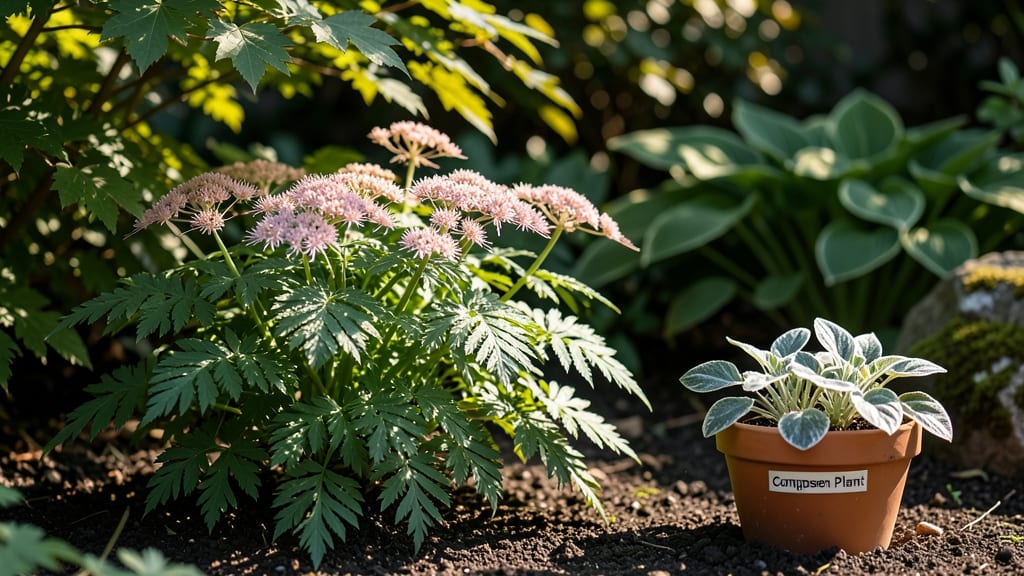
Wondering do astilbes like sun or shade, you’re in the right place—these showstoppers adore partial shade, basking in bright, indirect light for just 2-4 hours daily to keep their lush plumes vibrant without wilting 🌸.
If you’ve ever wondered why your astilbe plumes are underwhelming or struggling to thrive, the answer might lie in their light requirements—because these stunning perennials are far more particular about sun or shade than most gardeners realize.
Too much direct sun? Your astilbes may develop leggy stems and sparse blooms, while too little light can leave them weak and floppy. The key is finding that sweet spot where moisture-loving roots stay cool, but leaves get just enough brightness to produce vibrant, show-stopping flowers.
Below, I’ll break down exactly how to spot the right light conditions, adjust your garden setup for peak performance, and keep your astilbes looking their best from June through August.
 Best Window Placement
Astilbe sun vs shade requirements: finding the perfect balance for vibrant plumes
If you’ve ever wondered why your astilbe plumes are underwhelming or struggling to thrive, the answer might lie in their light requirements. These delicate perennials with their iconic feathery plumes are famously picky about sun exposure.
While they can tolerate some sunlight, too much can scorch their leaves, while too little results in sparse blooms. The key is finding that sweet spot of partial shade—where they get just enough light to thrive without stress.
Astilbes are often called shade-loving divas because they perform best in dappled sunlight or filtered shade. Unlike sun-worshipping plants, they prefer to avoid the harsh afternoon sun, which can cause leaf burn and weaken their blooms.
However, they also need more light than deep, dark shade can provide—otherwise, they’ll stretch and produce small, weak plumes. Understanding these nuances will help you place them perfectly in your garden.
| Light Condition | Ideal Hours of Sun | Bloom Performance | Leaf Health | Best For |
|---|---|---|---|---|
| Full Sun (6+ hours) | 6+ hours | Poor (small, weak plumes) | Leaf burn, yellowing | Avoid entirely |
| Partial Shade (2-4 hours) | 2-4 hours (morning sun) | Optimal (lush, vibrant plumes) | Healthy, deep green | Ideal for most regions |
| Full Shade (0-2 hours) | 0-2 hours | Fair (leggy stems, sparse blooms) | Pale, weak foliage | North-facing beds, deep shade |
| Dappled Sunlight | 2-4 hours (filtered light) | Excellent (bold, colorful plumes) | Vibrant, glossy leaves | Under trees, pergolas |
In USDA Zones 5-8, where most gardeners grow astilbes, the best light conditions are typically found in east-facing beds or areas with morning sun and afternoon shade.
For example, planting them near a north-facing wall or under the dappled shade of deciduous trees (like oaks or maples) creates the perfect microclimate.
If you’re in a hot, dry climate (Zones 9-10), even morning sun can be too intense, so opt for deep shade or provide afternoon shade with a lightweight shade cloth.
One of the biggest mistakes I see is placing astilbes in hot, southern exposures, where they bake in the afternoon sun. This causes their leaves to yellow and crisp, and their blooms to falter.
Instead, think of them as the perfect understory plant—they thrive where other shade-lovers might struggle. If your garden lacks natural shade, consider creating it with lattice screens or tall grasses to filter sunlight and keep temperatures cool.
Regional differences also play a role. In cooler, northern climates (like the Pacific Northwest), astilbes can handle a bit more sun because the intensity is lower. Meanwhile, in southern states with intense sunlight, they may need additional protection during peak summer months.
Always observe how your plants respond over a few weeks and adjust their placement accordingly—this is the key to long-term success.
Another pro tip: If you’re growing astilbes in containers or pots, they’ll need even more attention to light. Since containers dry out faster, their roots are more sensitive to heat stress.
Place them in a spot where they get bright, indirect light and move them to a shadier location during the hottest part of the day if needed. A porch with afternoon shade or a covered patio can be ideal for container-grown astilbes.
To maximize their plume production, aim for 3-4 hours of morning sun combined with filtered afternoon light. This balance ensures they get enough energy for vibrant blooms while avoiding the stress of direct sunlight.
Over time, you’ll learn to read your garden’s microclimates—those small, localized differences in light, wind, and temperature—that make all the difference in growing happy astilbes.
Remember, astilbes are not finicky once you get their light right. With the perfect balance of shade and sun, they’ll reward you with months of lush, feathery plumes in shades of pink, red, white, and purple.
Experiment with different spots in your garden, and don’t be afraid to move them if they’re not thriving—your astilbes will thank you with bigger, bolder blooms every season.
Signs your astilbes aren’t getting the right light (and how to fix it)
If your astilbes are producing small, sparse plumes or looking leggy and weak, their light conditions are likely to blame. These delicate perennials thrive in partial shade but struggle when exposed to too much direct sun or insufficient light.
The key is finding that sweet spot where they receive dappled sunlight for just a few hours daily.
Most gardeners assume astilbes can handle shade, but too little light causes just as many problems as too much sun. The difference between vibrant plumes and struggling foliage often comes down to understanding these subtle light cues.
Let’s explore the warning signs and how to correct them before your plants decline further.
⚠️ Astilbes Need Partial Shade—Not Full Sun or Deep Shadow
Too much sun: Leaves scorch, plumes bleach out, and stems weaken. Too little light: Leaves yellow, growth stretches, and blooms become sparse. The ideal spot offers morning sun + afternoon shade, like under light trees or near north-facing walls.
One of the first visual red flags is yellowing leaves, especially on the lower stems. This often signals overwatering combined with poor light, as astilbes can’t process moisture efficiently in low-light conditions.
If you notice pale or bleached-out foliage, your plants may be getting too much direct sunlight, particularly harsh afternoon rays.
Another common issue is leggy, stretched stems with small, sparse blooms. This happens when astilbes reach for light, a sign they’re not getting enough bright indirect light.
To fix this, move your plants to a shadier location or add light-colored mulch to reflect more light onto the soil. You can also prune back leggy stems to encourage bushier growth.
For optimal plume production, aim for 2-4 hours of morning sun followed by filtered shade the rest of the day. If your garden lacks natural shade, consider using sheer fabric shade cloth (30-50% blockage) during peak sun hours.
This mimics the dappled light astilbes love while preventing leaf scorch.
Finally, mulch heavily around your astilbes to retain moisture and regulate soil temperature. Use 2-3 inches of organic mulch like shredded bark or leaf mold. This helps compensate for light deficiencies by keeping roots cool and hydrated, which is especially critical in hot, sunny climates where astilbes often struggle.
With these adjustments, your astilbes should rebound within 4-6 weeks, producing fuller plumes and healthier foliage. Monitor their progress and tweak their location as needed—your plants will thank you with stunning seasonal displays! 🌸