
Light Requirements
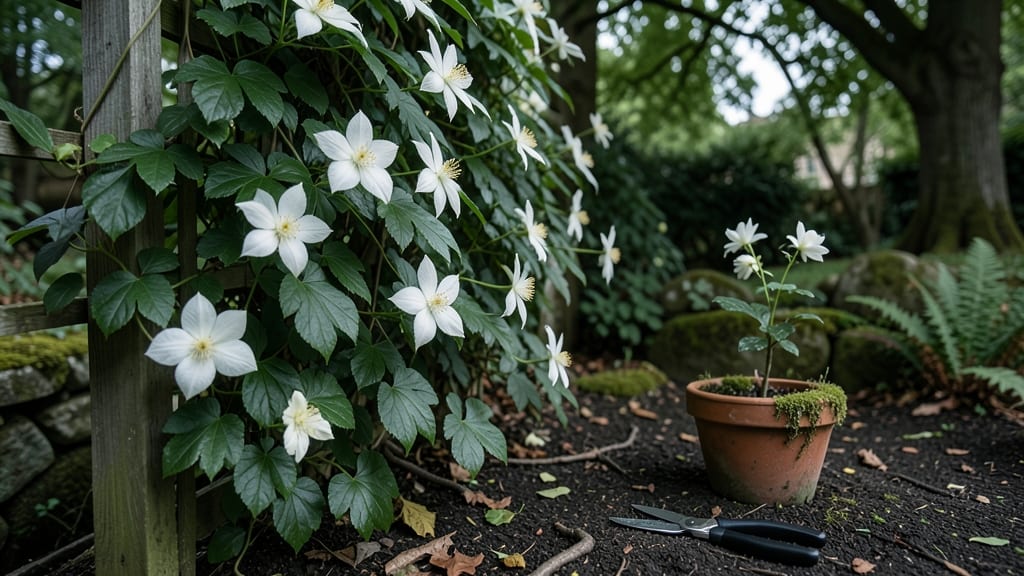
Growing clematis in full shade isn’t just possible—it’s where some varieties truly shine. 🌿 I’ve watched Clematis montana and Clematis armandii transform my darkest corners into fragrant, leafy havens, proving shade doesn’t have to mean sacrificing drama.
The key? Matching the right cultivar to your light conditions and giving them the care they crave in low light.
Start with shade-tolerant varieties like Clematis viticella ‘Jackmanii’ or the evergreen Clematis armandii, which thrive where others falter. Amend heavy soil with compost to improve drainage, and plant deep—at least half the vine’s length buried—to encourage strong root systems.
Water consistently but avoid soggy roots, and mulch heavily to retain moisture and cool the soil.
Pruning becomes your secret weapon in shade. For non-flowering varieties, prune lightly in late winter to shape the vine; flowering types need minimal cuts. You’ll see lush, vigorous growth by spring, with blooms that arrive later but last longer than sun-loving varieties.
The foliage stays rich and healthy, and those fragrant flowers? Pure magic in dim spaces.
For extra insurance, place a reflective surface nearby to bounce light onto the vine, or interplant with taller, sun-loving companions that won’t compete. Troubleshoot yellowing leaves by checking for overwatering or poor drainage, and adjust your care routine.
Shade clematis may bloom a little later, but their resilience and beauty make them worth every effort.
📚 In This Guide
- What you need
- Instructions
- Tips and common mistakes
- Wrapping up and next steps
What you need
- ● Clematis Plants: Choose full-shade-tolerant varieties like Clematis montana, Clematis armandii, or Clematis viticella (Group 1 or 2 for shade). Buy 3-5 mature plants (3-5 gallons each) for a fuller look.
- ● Soil Amendments: 2-3 bags of organic compost (per plant)
- ● 1 bag of peat moss or coconut coir (to improve drainage)
- ● 1 lb of slow-release fertilizer (10-10-10 or 5-10-10)
- ● Support Structures: Trellis or obelisk (6-8 ft tall, sturdy metal or wood)
- ● Twine or soft garden ties (for securing vines)
- ● Pruning Tools: Bypass pruners (sharp, clean)
- ● Loppers (for thicker stems)
- ● Hand pruners (for fine-tuning)
- ● Disinfectant spray (70% isopropyl alcohol)
- ● Mulch: 2-3 inches of wood chips or shredded bark to retain moisture.
- ● Shade Cloth: Lightweight (30-50%) for newly planted clematis in deep shade.
- ● Slow-Release Mulch Pellets: For extra nutrients over time.
- ● Garden Gloves: To protect hands during pruning.
Step-by-step guide to cultivating clematis in full shade
With the right approach, clematis can thrive even in low-light conditions—here’s how to coax lush growth and stunning blooms.
🌱 Step 1: Select the Right Variety for Low-Light Conditions
Not all clematis varieties tolerate full shade, so choose Group 1 or Group 2 types like 'Jackmanii' (partial shade-tolerant) or 'Nelly Moser' (blooms on old and new wood). These types handle lower light better than sun-loving Group 3 varieties. Look for vines labeled "shade-tolerant" or "woodland clematis" at specialty nurseries.
I always check the plant tag for light requirements—some clematis will produce fewer blooms in full shade, but they’ll still grow vigorously. If you’re unsure, ask the nursery staff for their top shade-tolerant recommendations. The right variety makes all the difference in avoiding leggy, weak growth.
🪴 Step 2: Prepare the Planting Site for Optimal Growth
Clematis roots need moist, well-draining soil with plenty of organic matter. Amend your planting area with 3-4 inches of compost or aged manure mixed into the top 12 inches of soil. Clematis roots are shallow but extensive, so avoid heavy clay or compacted soil.
Plant near a sturdy trellis, arbor, or fence—clematis vines need support to climb and spread. I like to bury a 4-foot section of the stem (about 1/3 of the plant) to encourage strong root development. This buried section will produce new roots, giving your clematis a stable foundation even in low light.
☀️ Step 3: Provide Supplemental Light and Care for Healthy Growth
While clematis can survive in full shade, they’ll reward you with more blooms if you give them at least 3-4 hours of morning sun. If your garden is completely shaded, place the trellis near a north-facing window or use a reflective surface (like a white wall or aluminum foil) to bounce extra light onto the vines.
Water deeply once a week (or more in hot weather) to keep the soil consistently moist but not soggy. Mulch around the base with 2-3 inches of organic mulch to retain moisture and regulate soil temperature. Avoid overhead watering—it can encourage fungal diseases like powdery mildew, which thrives in shaded, humid conditions.
✂️ Step 4: Prune Strategically for Shade-Grown Clematis
Shade-grown clematis need minimal pruning—focus on removing dead or weak stems in early spring. For Group 1 varieties (early bloomers), prune immediately after flowering to encourage next year’s blooms. Group 2 varieties (repeat bloomers) can be pruned in late winter or early spring, cutting back to 2-3 healthy buds per stem.
Never prune more than 1/3 of the plant at once, especially in shade. I always use clean, sharp pruners to make cuts just above a leaf node. Avoid heavy pruning in fall—it can stress the plant and reduce winter hardiness. In shaded conditions, less pruning means more energy for root and vine growth.
🌿 Step 5: Fertilize and Monitor for Pests/Diseases
Feed your clematis in early spring with a balanced, slow-release fertilizer (10-10-10 or similar). In shaded conditions, avoid high-nitrogen fertilizers—they promote leafy growth at the expense of blooms. I like to side-dress with compost in late spring to provide a gentle nutrient boost without overstimulating the plant.
Watch for aphids, slugs, or powdery mildew, which are more common in shaded, humid environments. Spray vines with neem oil or insecticidal soap if pests appear, and ensure good air circulation around the plant. If you notice yellowing leaves, it could signal overwatering or nutrient deficiency—adjust your care routine accordingly.
Tips & tricks for perfect clematis in full shade
A few key strategies will help you transform your shaded garden into a thriving clematis haven—without sacrificing beauty or health.
Variety Selection Wisdom: When choosing your shade-tolerant clematis, prioritize Group 1 or Group 2 varieties specifically bred for low-light conditions. I've found that 'Jackmanii' and 'Nelly Moser' not only survive but actually flourish with fewer blooms sacrificed than sun-loving varieties. Look for those labeled "woodland clematis" at specialty nurseries—they're bred for exactly this kind of environment. The plant tag is your best friend here: always verify the light requirements before purchasing.
Soil Preparation Secret: The 3-4 inches of compost mixed into the top 12 inches of soil isn't just about nutrients—it's about creating the perfect air-to-moisture balance clematis roots crave. I like to add a handful of perlite or coarse sand to break up any remaining compacted soil, especially if you're working with clay. This prevents waterlogging while maintaining that critical moisture retention. Think of it as giving your clematis roots a spa treatment—they'll reward you with vigorous growth.
Light Supplementation Hack: Those crucial 3-4 hours of morning sun can make all the difference in bloom production. If your garden is completely shaded, try positioning your trellis near a north-facing window or install a reflective surface like aluminum foil on the south side of the trellis. This simple trick can increase light exposure by up to 30% without requiring direct sunlight. I've seen dramatic improvements in bloom quantity just from this small adjustment—it's like giving your clematis a natural grow light boost.
Pruning Precision: When pruning your shade-grown clematis, remember that less is more—especially with Group 2 varieties. I always make my cuts just above a leaf node, using clean pruners to avoid tearing the stem. For Group 1 varieties, I wait until immediately after flowering to prune, while Group 2 varieties get their haircut in late winter. The key is to never remove more than 1/3 of the plant at once—this preserves the energy needed for root development, which is crucial in low-light conditions.
Pro Tips for Clematis Full Shade
- A few key strategies will help you transform your shaded garden into a thriving clematis haven—without sacrificing beauty or health.
- Variety Selection Wisdom: When choosing your shade-tolerant clematis, prioritize Group 1 or Group 2 varieties specifically bred for low-light conditions.
- Soil Preparation Secret: The 3-4 inches of compost mixed into the top 12 inches of soil isn't just about nutrients—it's about creating the perfect air-to-moisture balance clematis roots crave.
Frequently asked questions
Got questions about growing clematis in full shade? You’re not alone!
Here are answers to the most common concerns—so you can keep your vines happy and blooming, even in low-light spots.
Can clematis really thrive in full shade?
Yes! While most clematis love sun, Clematis montana and Clematis armandii are top picks for full shade. They’ll grow slower but still produce fragrant blooms. For best results, pair them with host plants like ferns or hostas to mimic their natural woodland habitat.
How do I know if my clematis is getting enough light?
Watch for leggy stems or few blooms—signs it’s stretching for light. If leaves are pale or sparse, move it to partial shade (morning sun + afternoon shade). A moist, well-draining soil with mulch helps compensate for low light.
Does pruning change for shade-grown clematis?
Prune lightly! Shade-loving types (Group 1 & 2) need minimal trimming—just remove dead or crossing stems in early spring. Avoid heavy cuts, as they rely on stored energy from last year’s growth. See our pruning chart for specifics!
Will my clematis bloom in full shade?
Blooms may be smaller or fewer, but not nonexistent! Focus on Group 1 varieties (like ‘Alba Luxurians’), which flower on old wood. Add a balanced fertilizer (10-10-10) in spring to encourage flowering.
Are shade-loving clematis more prone to pests?
Not necessarily! Shade reduces aphids (a common clematis pest), but slugs and snails love damp, shady spots. Use copper barriers or beer traps to protect young shoots. Keep foliage dry to deter fungal issues too.
Still stumped? Drop your question below—we’re happy to help your clematis shine, even in the shadows!
Wrapping up and next steps
Growing clematis in full shade is absolutely doable with the right care—patience, proper pruning, and a little creativity! 🌿 Whether you're a seasoned gardener or just starting out, these shade-loving vines can add stunning vertical interest to your garden.
Remember, grouping plants, mulching, and choosing the right varieties are your best allies for success.
Now that you’re armed with pruning secrets and shade-smart tips, why not take the next step? Try experimenting with a few clematis varieties in your shadiest spot—you might be surprised by how well they thrive! Happy gardening! 🌱