
Light Requirements
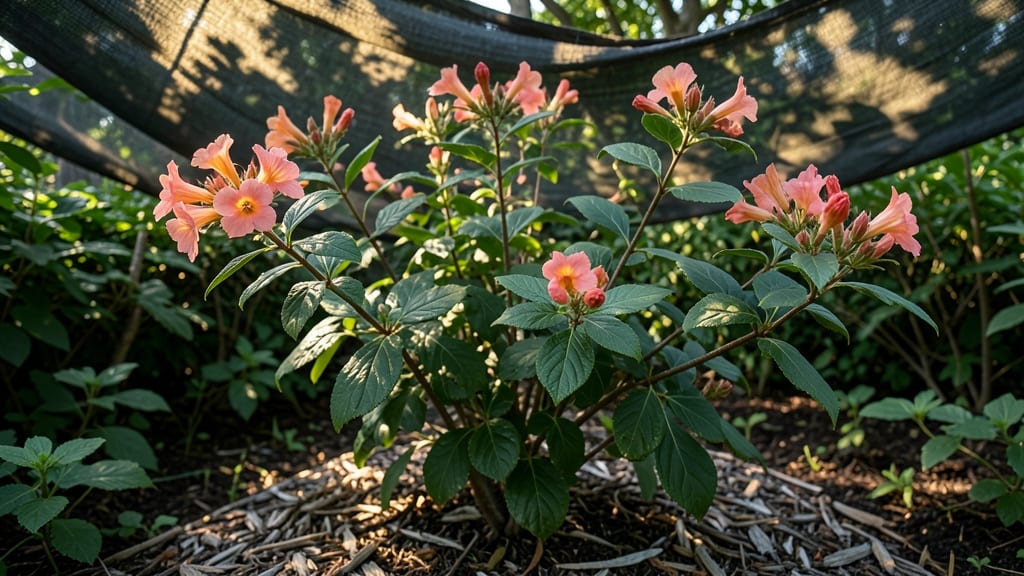
Weigela can grow in shade but thrives best in partial shade to full sun, tolerating dappled light or filtered shade for 4-6 hours daily. Varieties like Weigela florida adapt better than others, though blooms may reduce in deep shade. Ensure well-draining soil and consistent moisture for optimal growth.
While weigela plants can survive in shady spots, their growth and flowering potential depend heavily on light exposure. 🌿 In low-light conditions, expect slower growth and fewer blooms, as photosynthesis efficiency drops.
Varieties like Weigela florida handle shade better than others, but even they may struggle to produce vibrant flowers without at least a few hours of indirect sunlight daily. For the best results, plant weigela near north-facing walls or under taller trees where it can still catch filtered light.
To maximize growth in shady areas, focus on soil quality—well-draining, slightly acidic soil helps compensate for limited light. Mulching around the base retains moisture, which is especially important when light is scarce.
If you're working with deep shade, consider pruning nearby trees to create small openings that allow more light to reach your weigela over time.
💡 In This Article
- Weigela Light Requirements: How Shade Affects Growth and Flowering
- Best Weigela Varieties for Shady Gardens and Planting Tips
Weigela light requirements: how shade affects growth and flowering
Weigela plants rely on photosynthesis to convert light into energy, and their efficiency drops significantly in deep shade. In full sun, these shrubs produce 20-30% more chlorophyll than in low-light conditions, which directly impacts their ability to fuel growth and flowering.
The key difference lies in how shade reduces light intensity—below 2,000 foot-candles (equivalent to dappled sunlight under trees), weigela's metabolic processes slow down, leading to weaker stems and fewer blooms. 🔥
Flowering is particularly light-dependent because blooms require energy stored during photosynthesis. Varieties like Weigela florida can still produce flowers in partial shade, but the blooms may be 30-50% smaller and less vibrant compared to sun-exposed plants.
For example, a weigela in full sun might produce 50-100 flowers per stem, while one in deep shade may only yield 10-20 flowers. The foliage also becomes sparser, with leaves growing smaller and less dense.
Shade affects weigela's growth cycle by delaying bud formation. In low-light conditions, the plant prioritizes leaf production over flower buds, which can push blooming back by 2-4 weeks compared to sun-grown plants. This is why gardeners often see weigela flowering later in the season when planted in shady spots.
The trade-off is that shade-tolerant varieties develop thicker, more robust stems that can better support their weight in less ideal conditions.
To compensate for limited light, weigela plants increase their root systems to absorb more nutrients and water, which can make them appear healthier below ground even if above-ground growth is stunted.
However, this adaptation comes at a cost: the plant allocates fewer resources to flowering. 💫 For instance, Weigela ‘Wine and Roses’ may produce deep pink blooms in partial shade, but they’ll lack the intensity seen in full sun, where colors appear more vivid and saturated.
One surprising benefit of partial shade is reduced leaf scorch, a common issue in hot climates when weigela is exposed to intense afternoon sun. In shaded conditions, the plant's leaves stay cooler, maintaining a healthier green color and reducing stress.
This balance makes partial shade (especially morning sun with afternoon shade) the ideal compromise for weigela growth and flowering.
For gardeners working with deep shade, consider that even 2-3 hours of direct sunlight daily can significantly improve flowering. This could mean positioning the plant near a north-facing window or creating a small clearing in dense foliage.
The goal is to maximize light exposure without exposing the plant to harsh afternoon rays.