
Light Requirements
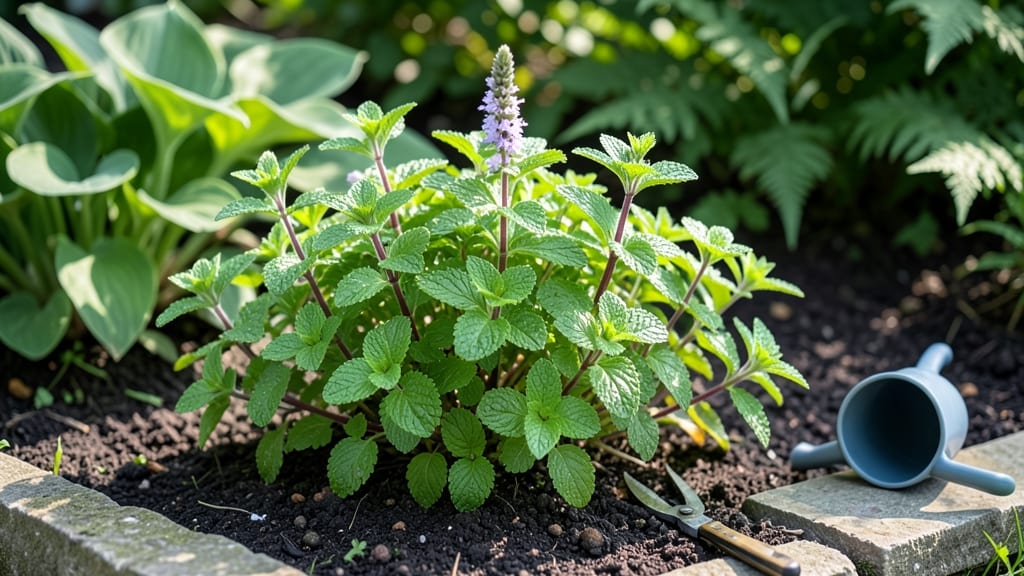
Mint can grow in shade, thriving in partial to full shade conditions, though growth may be slower and less vigorous than in full sun. Choose shade-tolerant varieties like pineapple mint or apple mint for best results in low-light areas.
While mint adapts well to shaded spots, its growth rate and leaf density will differ from sun-exposed plants. Low-light conditions reduce photosynthesis, so you’ll see fewer but larger leaves with milder flavors. 🌿 The key is selecting varieties bred for shade—like chocolate mint or spearmint—which maintain their aromatic qualities even without direct sunlight.
For container gardens, ensure pots have drainage holes and use well-draining soil to prevent root rot in damp, shaded environments.
Even shade-loving mint benefits from a few hours of morning sun if possible. This small boost can improve essential oil production, making your harvest more potent for teas or culinary uses.
If your space is completely dark, consider supplementing with a grow light for 4-6 hours daily to mimic natural light cycles.
💡 In This Article
- How Shade Affects Mint Growth and Flavor
- Top Shade-Loving Mint Varieties for Indoor and Outdoor Gardens
How shade affects mint growth and flavor
Shade reduces mint's photosynthesis efficiency by limiting access to sunlight, which is its primary energy source. Mint plants in full sun can produce 20-30% more leaves per season compared to those in deep shade, thanks to increased chlorophyll activity.
However, shade-grown mint compensates by developing thicker, darker green leaves with higher moisture content—ideal for culinary uses where texture matters more than yield. The trade-off? Flavor intensity often drops by 15-25% due to reduced essential oil production.
Here's what happens at the cellular level: Shade triggers mint plants to allocate more energy to leaf expansion rather than oil gland development. These glands, which contain menthol and other aromatic compounds, require sunlight to activate.
In low-light conditions, you'll notice the leaves become larger but softer, with a milder aroma—almost like the difference between fresh mint from a sunny garden versus store-bought. The flavor profile shifts from sharp and crisp to more mellow, which some chefs actually prefer for delicate dishes.
Light quality matters just as much as quantity. Shade filters out blue and red wavelengths—the very colors mint needs for optimal growth. This is why shade-grown mint often appears more purple or bronze-tinged, especially in morning shade where light is diffused.
For best results, position your mint in dappled shade (filtering through trees) rather than dense, dark shade. This mimics natural forest understory conditions where wild mint thrives.
Temperature plays a hidden role too. Shaded areas stay cooler, which slows mint's metabolic rate. While this prevents bolting (sudden flowering), it also reduces growth by 30-40% per season**. Cold soil temperatures below 50°F can further stunt root development.
To counteract this, use containers with black fabric wraps to absorb heat or add a 1-inch layer of compost to insulate roots. This simple trick can boost growth by up to 20% in shaded spots.
Flavor isn't the only casualty—nutrient uptake changes too. Shade-grown mint requires 20% more nitrogen to compensate for reduced photosynthesis. That's why many gardeners swear by adding fish emulsion or compost tea to shaded mint plants.
The extra nutrients help maintain leaf density and prevent the pale, weak growth that often plagues low-light conditions. 🌿
One surprising benefit of shade? Pests like aphids are less attracted to mint in low-light environments. The reduced sugar content in leaves makes them less appealing to insects, giving you naturally pest-resistant plants.
This is particularly useful for organic gardeners who avoid chemical sprays. However, watch for spider mites—they thrive in the dry, shaded conditions mint creates.
For the best balance, aim for 4-6 hours of morning sun combined with afternoon shade. This "goldilocks" approach gives mint enough light for flavor development without overheating the leaves.
In completely dark spaces, supplement with a LED grow light (6000K color temperature) for 6-8 hours daily to mimic natural light spectra. The investment pays off with mint that's nearly as potent as sun-grown varieties.