
Light Requirements
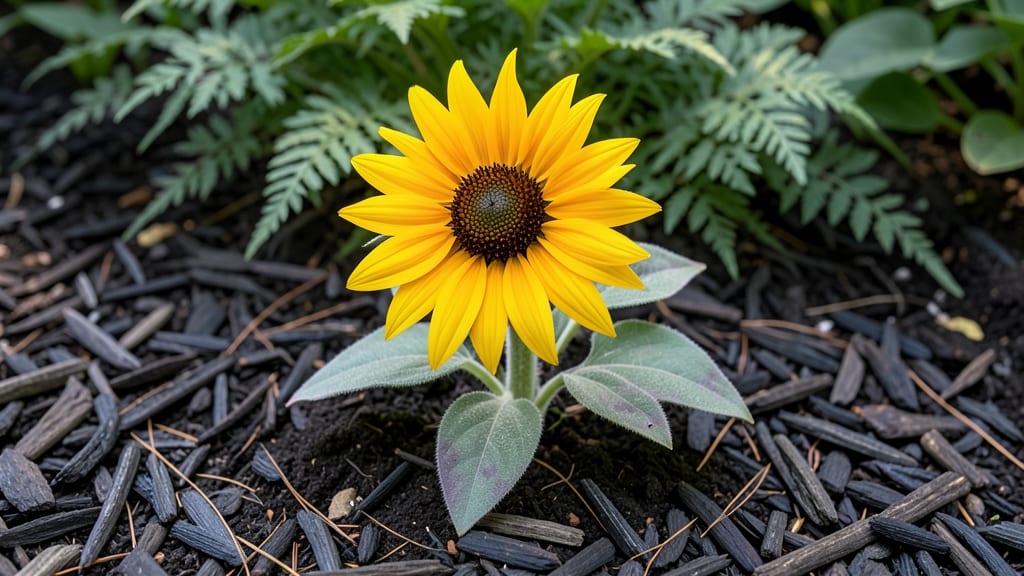
Daisies can grow in shade, but their performance depends on the variety—some thrive in partial shade (4-6 hours of sunlight) while others struggle without more light. Opt for shade-tolerant types like Shasta daisies or African daisies for best results in low-light areas.
Not all daisies are created equal when it comes to shade tolerance.
While full-sun varieties like Gerbera daisies may wilt in deep shade, Shasta daisies and African daisies actually flourish with just morning sun or dappled light. 🌿 The key is matching your garden's light conditions to the right cultivar—some even handle full shade if given rich, well-draining soil.
I've seen English daisies produce stunning blooms in north-facing beds where other flowers would fade.
For best results, focus on soil quality and moisture control. Shaded daisies appreciate organic matter in their soil to compensate for reduced photosynthesis, and consistent watering prevents stress.
Pruning spent blooms encourages continuous flowering, while a balanced fertilizer in early spring gives them the nutrients they need to thrive in less-than-ideal lighting.
💡 In This Article
- Shade-Tolerant Daisy Varieties for Low-Light Gardens
- Tips for Growing Daisies in Shade: Soil, Water, and Care
Shade-tolerant daisy varieties for low-light gardens
Daisies exhibit remarkable diversity in their light requirements, with some varieties actually preferring shade to avoid the harsh midday sun. The Shasta daisy (Leucanthemum × superbum) stands out as a top performer in partial shade, blooming prolifically with just 3-4 hours of morning sunlight.
Its large, white petals and yellow centers create a striking contrast even in dappled light conditions. 🌸 In contrast, Gerbera daisies (Gerbera jamesonii) need at least 6 hours of direct sun to maintain vibrant colors, often fading to pale pink or white in shaded conditions.
The African daisy (Osteospermum) represents another excellent shade-tolerant option, thriving with 4-6 hours of filtered light while still producing abundant blooms.
These varieties compensate for lower light through efficient photosynthesis in their broad leaves, which contain higher concentrations of chlorophyll. English daisies (Bellis perennis) also adapt well to shade, though they may produce smaller blooms compared to their sun-loving relatives.
The key difference lies in their leaf structure—shade-tolerant varieties have larger, darker green foliage to maximize light absorption.
When comparing growth patterns, shade-adapted daisies typically develop taller stems and wider leaves as they stretch toward available light—a phenomenon called etiolation.
This adaptation helps them reach higher light levels but can make stems more susceptible to flopping. Gerbera daisies, on the other hand, grow more compact in full sun, with stems that stay sturdy and upright.
The trade-off is that shade varieties often require more frequent deadheading to maintain vigorous blooming cycles.
For gardeners with deep shade conditions (less than 3 hours of light), consider Japanese anemones (often mistaken for daisies) or Mexican sunflower daisies (Tithonia), which tolerate lower light better than traditional daisies. These alternatives share the daisy family's airy, cheerful appearance while offering better shade resilience.
The secret to their success lies in their ability to store energy in thicker root systems, allowing them to survive with minimal photosynthesis.
Color plays a subtle but important role in shade tolerance. Darker petals (like deep red or purple Gerberas) absorb more light and can perform slightly better in low-light conditions than pale varieties.
However, the most critical factor remains leaf surface area—shade-tolerant daisies have evolved broader leaves to capture every possible photon. This adaptation explains why their foliage often appears thicker and more robust than sun-loving varieties.
One fascinating exception is the ox-eye daisy (Leucanthemum vulgare), which actually prefers full sun but can tolerate partial shade in cooler climates. Its ability to thrive in varying conditions makes it a versatile choice for transitional garden zones.
The lesson here is that while some daisies have strict light requirements, others demonstrate remarkable flexibility when given the right growing conditions.